Growing Hair Out: Expert Tips for Achieving Longer, Healthier Strands
Discover effective strategies for growing hair longer and healthier. Learn how to optimize scalp health and minimize breakage for noticeable results.

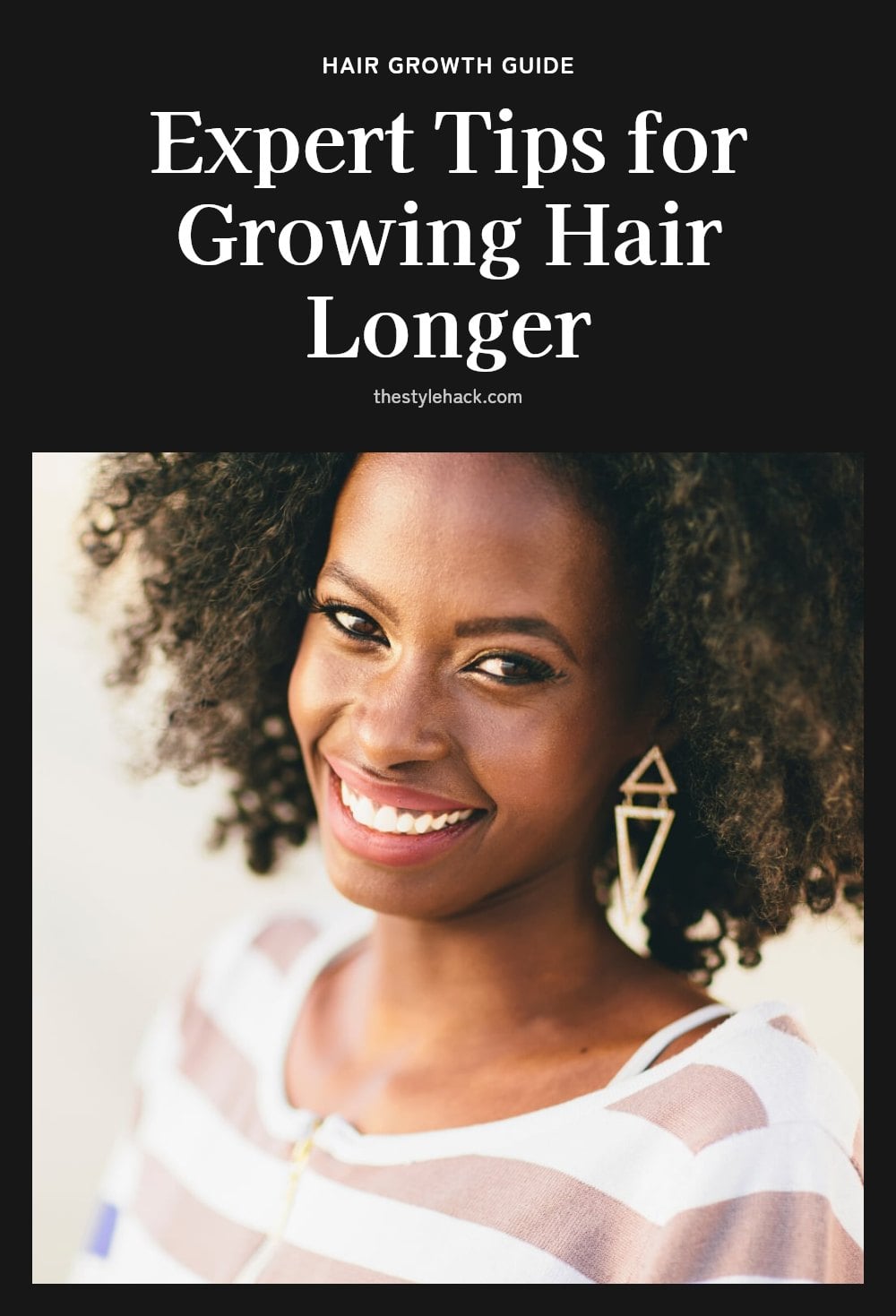
If you feel like your hair has hit a growth plateau, you are not alone. The secret to longer strands isn’t a magic product, it is a combination of smart habits that protect the length you already have. In this article, I cover 12 practical tips that focus on minimizing breakage, nourishing your scalp, and supporting your hair’s natural growth cycle so you can finally reach your goal.
Key Takeaways
- Hair grows about 0.5 inches per month, so patience is essential for noticeable length.
- Minimize breakage by using a wide-tooth comb on wet hair and a silk pillowcase at night.
- Nourish your body with protein, B vitamins, iron, and zinc to support healthy growth from within.
- Regular micro-trims every 8 to 12 weeks prevent split ends from traveling up the shaft.
- Consult a healthcare professional before starting any new hair growth supplements.
1. The Secret to Growing Hair Longer
You can’t dramatically speed up your hair’s natural growth rate, which is about 0.5 inches per month. The real secret to achieving longer hair is minimizing breakage and creating an optimal environment for healthy growth. When your strands stay intact from root to tip, you actually retain the length your body is already producing. Focus on gentle care, good nutrition, and scalp health to retain length and support strong strands. Patience matters too: visible results take several months to a year, so consistency beats any quick fix.
2. 1. Nourish Your Body from Within
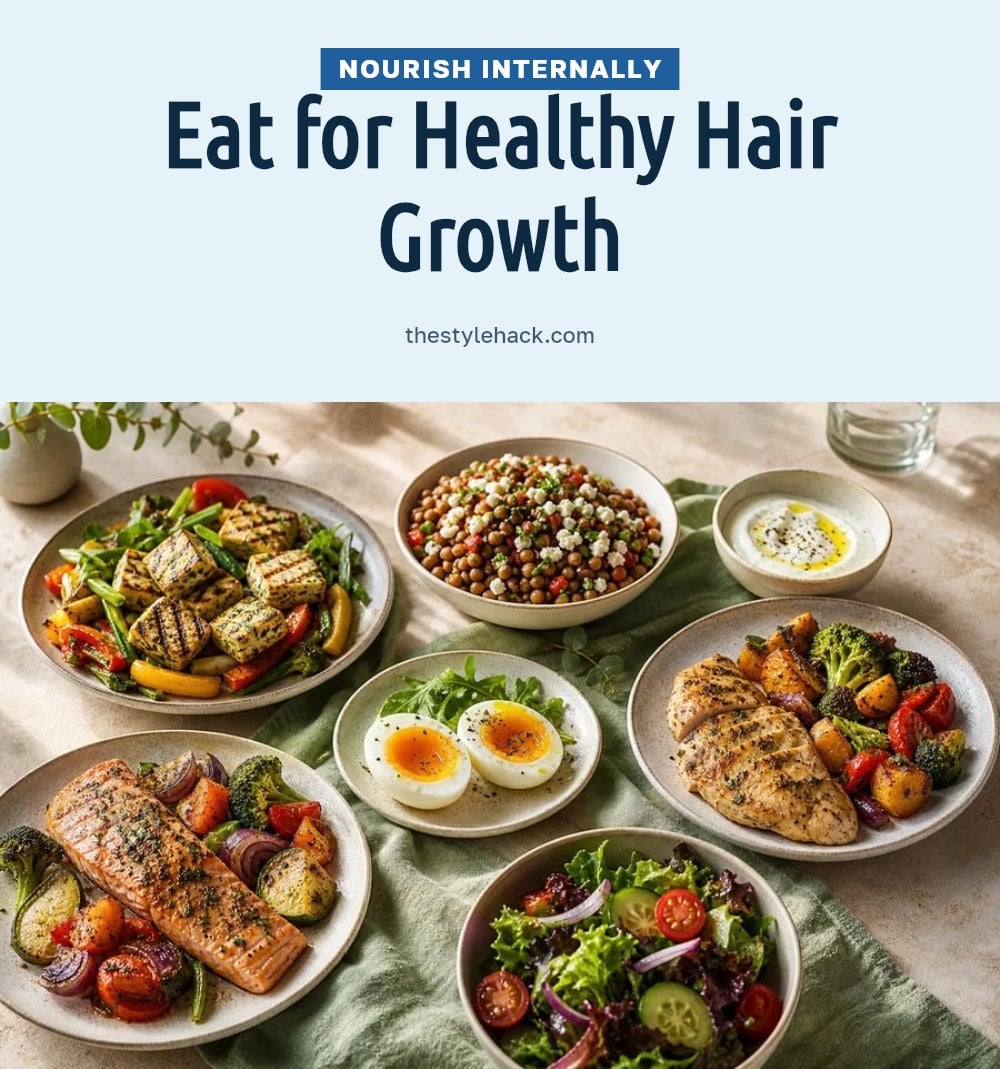
A balanced diet rich in proteins, vitamins (especially B vitamins, C, D, and E), and minerals like iron and zinc is crucial. Hair is primarily protein, so ensure adequate intake of lean meats, fish, eggs, and legumes. These nutrients support the hair growth cycle and the strength of each strand.
- Protein: builds the keratin structure of each hair.
- Iron and zinc: help deliver oxygen to follicles and support cell repair.
- Vitamins C, D, and E: protect follicles from oxidative stress and support healthy scalp function.
My tip: Think of your hair as needing building blocks, you can’t build a strong house without good materials.
3. 2. Be Gentle with Wet Hair
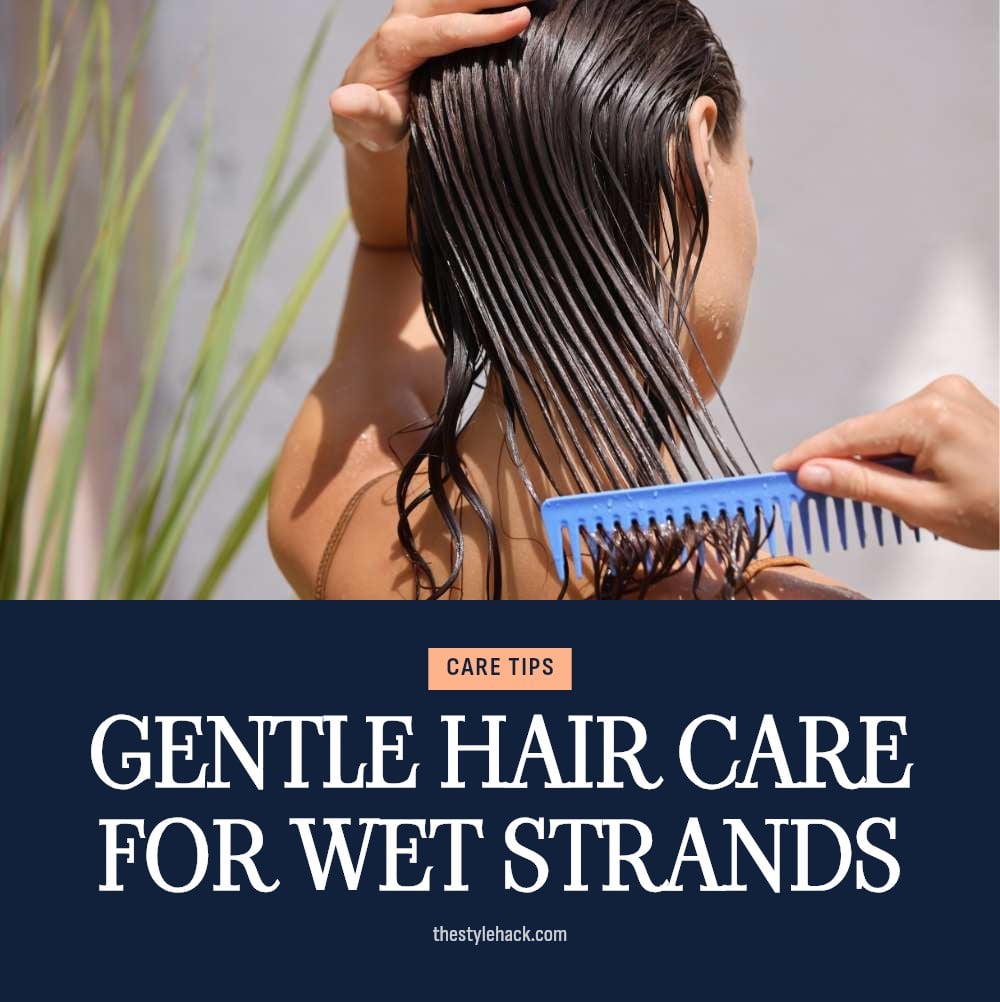
Wet hair is extremely vulnerable to breakage because the cuticle swells and weakens. Always use a wide-tooth comb, starting from the ends and working your way up to gently release tangles without snapping strands. Avoid aggressive towel drying; gently squeeze excess water instead. Rubbing wet hair with a towel creates friction that lifts the cuticle and causes split ends. Pat it dry or wrap it in a soft microfiber cloth to protect the shaft while it dries.
4. 3. Prioritize Scalp Health
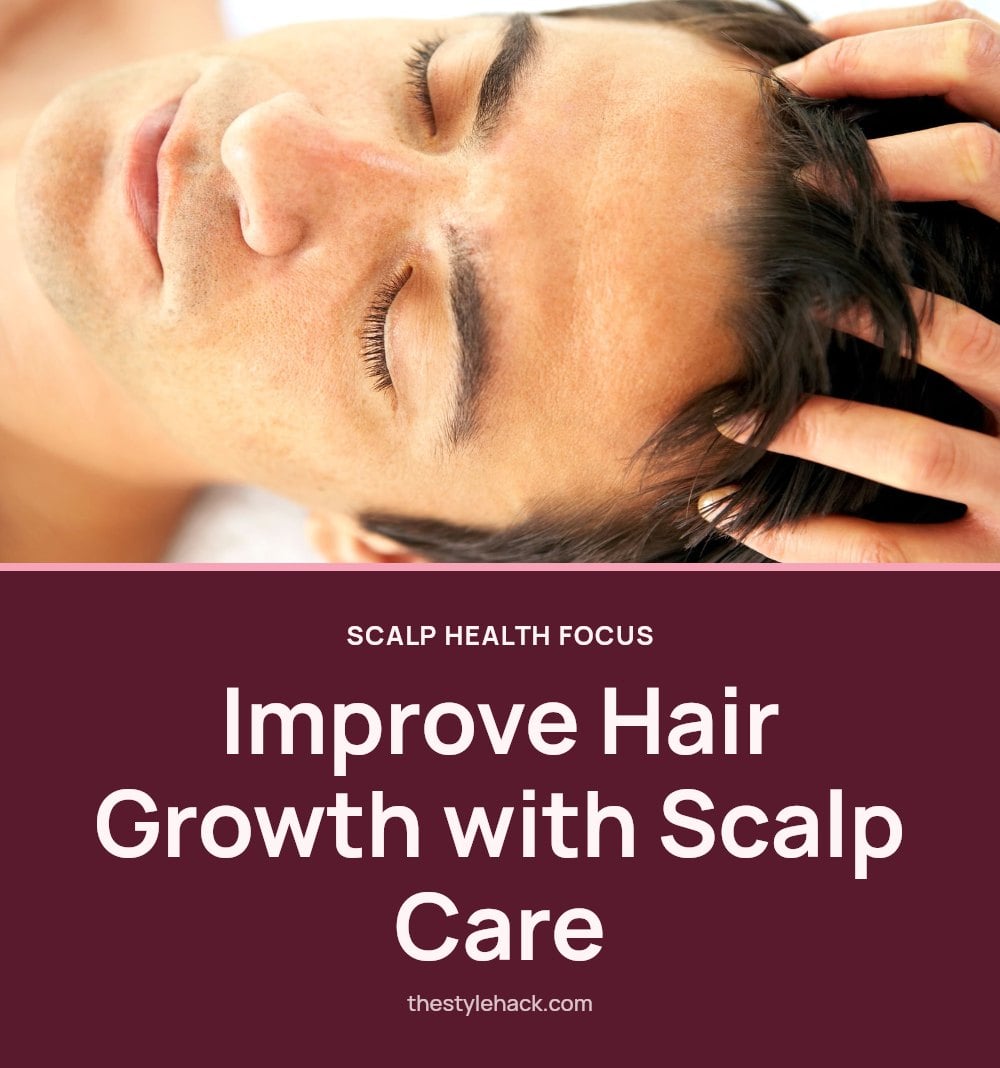
A healthy scalp is the foundation for healthy hair growth. Regular, gentle scalp massages can stimulate blood flow to the follicles, which nourishes them and may support the anagen phase. Use your fingertips, not your nails, and incorporate a scalp-friendly oil like jojoba or argan. Move in small circles for 2 to 3 minutes a few times a week. This also helps distribute natural oils along the shaft, reducing dryness and breakage.
5. 4. Minimize Heat Styling Damage
Excessive heat from styling tools can literally fry your hair, causing breakage and split ends. Always apply a heat protectant spray before any heat touches your strands. It creates a barrier that reduces moisture loss.
- Air-dry when you can, or at least use the lowest effective heat setting.
- Limit hot tools to two or three times a week to give your hair recovery time.
6. 5. Choose the Right Hair Products
Opt for gentle, sulfate-free shampoos and nourishing conditioners that don’t strip your scalp’s natural oils. Leave-in conditioners and weekly hair masks add extra hydration and protection, which helps prevent breakage as your hair grows.
My tip: Look for ingredients that support hair strength and moisture, think keratin, argan oil, or shea butter, not just flashy ‘growth’ claims on the bottle.
7. 6. Protect Hair While You Sleep
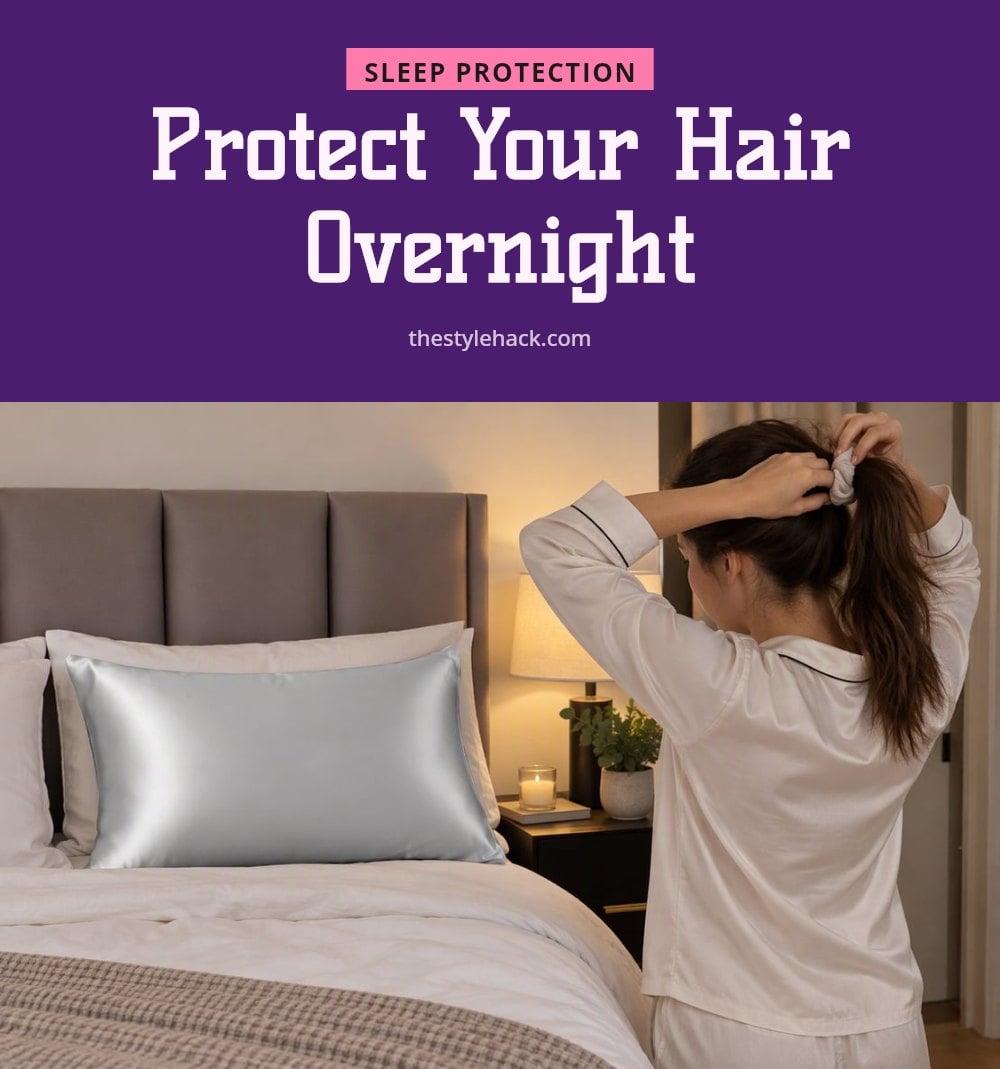
Cotton pillowcases create friction that tangles and breaks hair while you sleep. Switch to a silk or satin pillowcase. The smooth surface lets hair glide instead of snag.
- Loosely braid your hair or twist it into a soft bun using a scrunchie, not a tight elastic.
- Pineapple method works great for curly textures: gather hair at the top of your head and secure loosely.
8. 7. Get Regular Trims (Yes, Really)
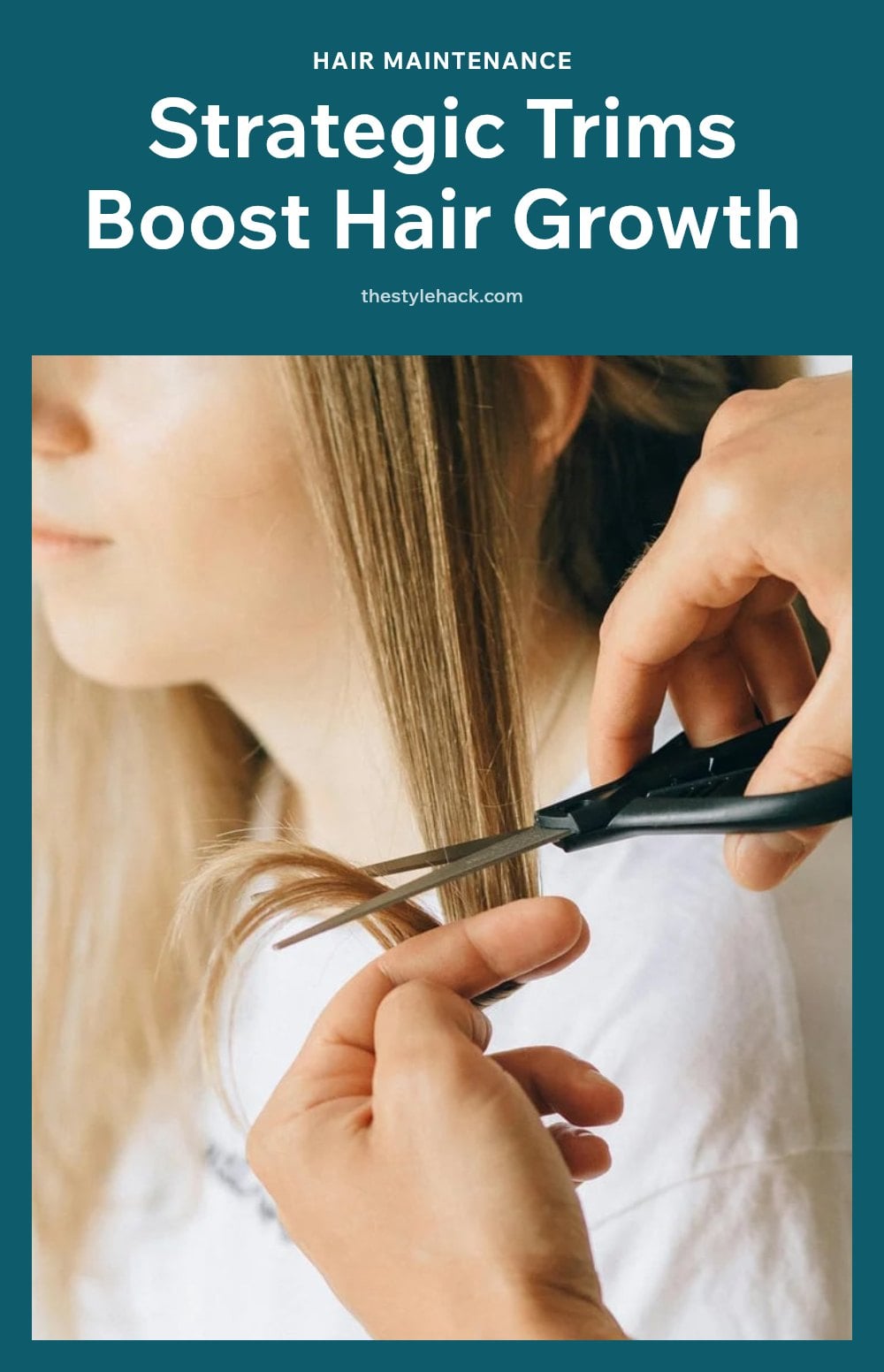
Trimming doesn’t make hair grow faster, but it removes split ends before they travel up the shaft and cause major breakage. Untreated splits can make your hair appear shorter by snapping off the ends.
My tip: Schedule a micro-trim every 8 to 12 weeks, ask your stylist to take off just 1/4 inch. You’ll keep ends healthy without sacrificing noticeable length.
9. 8. Avoid Tight Hairstyles
Constantly pulling your hair into tight ponytails, buns, or braids can cause traction alopecia, a form of hair loss. The constant tension weakens hair follicles and can lead to breakage along the hairline and crown.
- Loosen up: Switch to loose styles that don’t pull on the scalp.
- Use soft ties: Choose scrunchies or spiral hair ties instead of tight elastic bands.
- Vary your style: Alternate between wearing hair down and loose updos to give follicles a break.
10. 9. Stay Hydrated and Manage Stress
Adequate water intake is essential for overall health, including your hair. Dehydration can make strands dry and brittle, which increases the chance of breakage.
Chronic stress can disrupt the hair growth cycle, potentially leading to increased shedding. Incorporate stress-reducing activities like yoga, meditation, or simply spending time in nature.
Tip: Keep a water bottle nearby and aim for small, frequent sips throughout the day rather than chugging large amounts at once.
11. 10. Protect from Environmental Damage
Sun exposure, harsh winds, and pollution can dry out and damage your hair over time. UV rays break down the protein structure of strands, while wind and pollution strip moisture and leave hair rough.
- Wear a hat: Use a wide-brimmed hat during peak sun hours.
- Use UV protection: Look for leave-in products with UV filters for outdoor days.
- Rinse after swimming: Wash hair promptly after chlorinated or saltwater pools to prevent mineral buildup and dryness.
12. 11. Consider Supplements (With Caution)
If your diet is lacking, certain supplements like biotin, collagen, or a multivitamin might help support hair health. They provide building blocks that your body can use for stronger strands.
Caution: Always consult a healthcare professional before starting any new supplements, especially if you have underlying health conditions or are pregnant.
Supplements are not a magic bullet. They support healthy growth, they don’t create it. Results, if any, take several months to appear, so pair them with good nutrition and gentle hair care.
13. When to Consult a Professional
See a doctor or dermatologist if you notice sudden, excessive hair loss or thinning, especially if it comes out in clumps or leaves bald patches. Also seek professional advice if you suspect a medical condition or medication might be affecting your hair, or if you have persistent scalp irritation, redness, or itching that doesn’t improve with gentle care. Consult a healthcare professional before starting any new hair growth treatments or supplements, particularly if you’re pregnant, nursing, or managing a chronic condition. Catching underlying issues early can make a real difference in protecting your hair.
14. Frequently Asked Questions
15. Can stress really affect hair growth?
Yes, chronic stress can disrupt the hair growth cycle and push more follicles into the resting (telogen) phase, which may lead to increased shedding. Managing stress through activities like yoga, meditation, or regular exercise can help keep your growth cycle on track.
16. Are there any foods that specifically help hair grow?
A balanced diet rich in protein (eggs, fish, legumes), B vitamins, vitamin C, D, E, iron, and zinc supports healthy hair growth. No single food works alone; think of your whole plate rather than one superfood.
17. Should I wash my hair every day if I want it to grow?
No, overwashing can strip your scalp’s natural oils, which may lead to dryness and breakage. Most people do fine washing two to three times per week with a gentle, sulfate-free shampoo. Adjust based on your hair type and oiliness.
18. How fast does hair actually grow?
On average, hair grows about 0.5 inches per month, or about 6 inches per year. This rate is largely determined by genetics, so visible length gains take several months to a year of consistent care.
19. Final Thoughts
My main recommendation is to focus on one change at a time, like switching to a silk pillowcase or adding a weekly hair mask. Realistic expectations matter: you will likely see a few inches of new length after six months of consistent care, not overnight. Stick with gentle handling and a nutrient-rich diet, and your hair will thank you.
This article is for general informational purposes only and does not constitute medical or professional advice. Hair growth can be affected by underlying health conditions or medications. If you experience sudden or excessive hair loss, consult a doctor or dermatologist for a proper evaluation.
More Blog ideas
- How to Heal Chapped Lips Overnight with Simple Steps
- Atomic Habits: 5 Lessons to Build Better Habits
- Hyaluronic Acid for Beginners
- How to Build a Gentle Skincare Routine for Sensitive Skin
- Beat Frizzy Hair: Easy Remedies for Smooth, Shiny Strands
- How to Increase Your Daily Drinking Water Intake
- Washing Hair Mistakes to Avoid and What to Do Instead
- Bleaching Hair Tips for Less Damage
- How to Make Your Body Mist Last Longer All Day
- How to Fix Your Skincare Routine
- Nervous System Regulation Tips
- Vagus Nerve Exercises for Stress Relief






