Hair Type Chart: Find Your Curl Pattern
Decode your hair's natural texture and curl pattern with our comprehensive hair type chart. Learn how to identify your hair type and choose the right products.

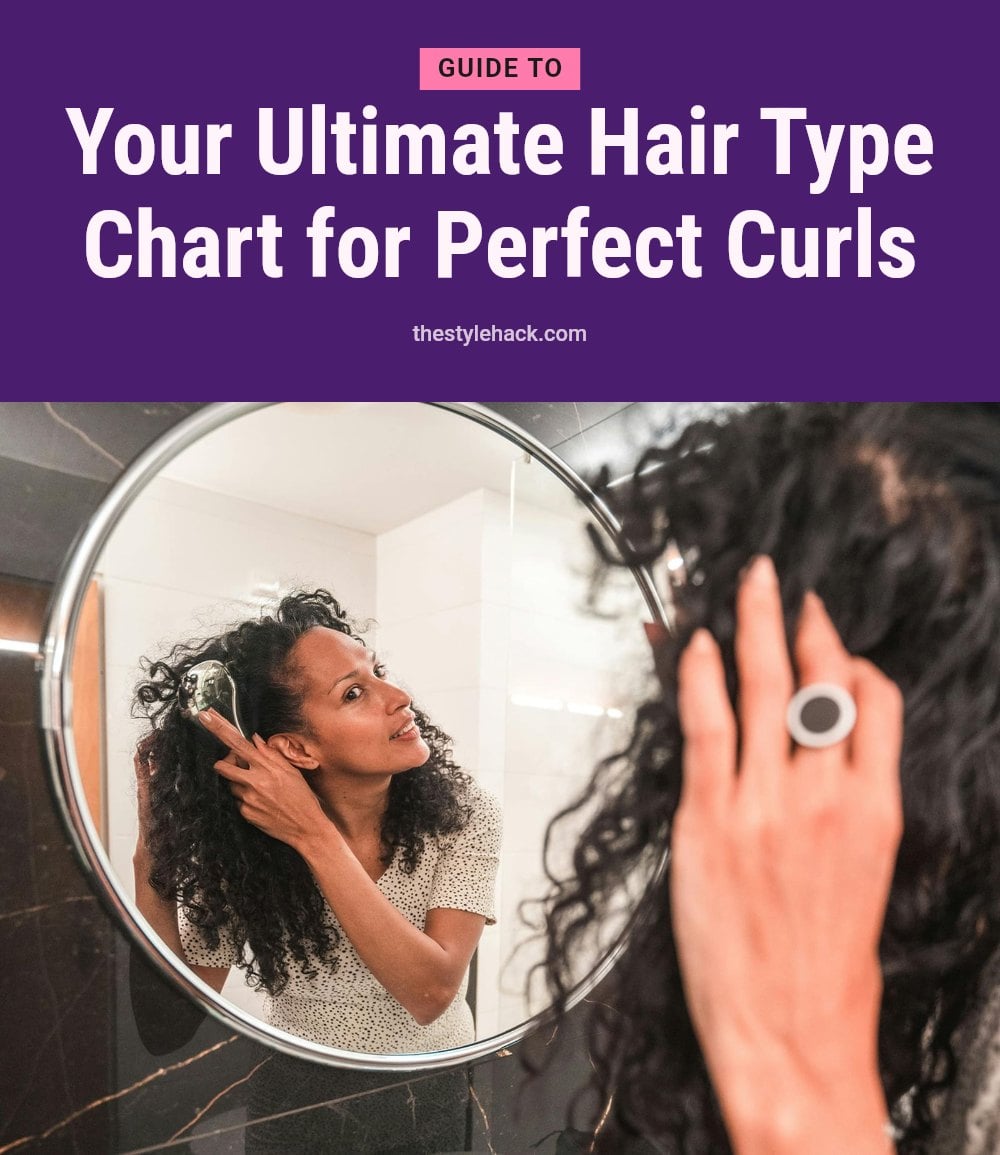
Ever wonder why your hair never looks like the photos on product labels? The secret often starts with your curl pattern. A hair type chart is a simple tool that categorizes hair from straight to coily, using numbers and letters to describe the shape and tightness of your strands. This article breaks down the most popular system, explains how to find your own type, and reminds you that curl pattern is only one piece of your hair care puzzle.
Key Takeaways
- Hair type ranges from 1A (straight) to 4C (tightest coils) using the Andre Walker system.
- Identify your type on clean, wet hair without styling products or heat.
- Type 4 hair is the most fragile and prone to shrinkage; handle gently.
- Porosity and density matter as much as curl pattern for product choices.
- You can have multiple curl patterns on different parts of your head.
1. Understanding Your Hair Type with a Hair Chart
Hair typing charts categorize hair by curl pattern, from straight to coily. The most common system uses numbers (1-4) and letters (A-C) to describe curl tightness, with 1A being straight and 4C the tightest coils. Knowing your hair type helps guide product choices and care routines, but it’s just a starting point. Porosity, density, and strand width also matter for a complete picture.
2. How to Identify Your Hair Type
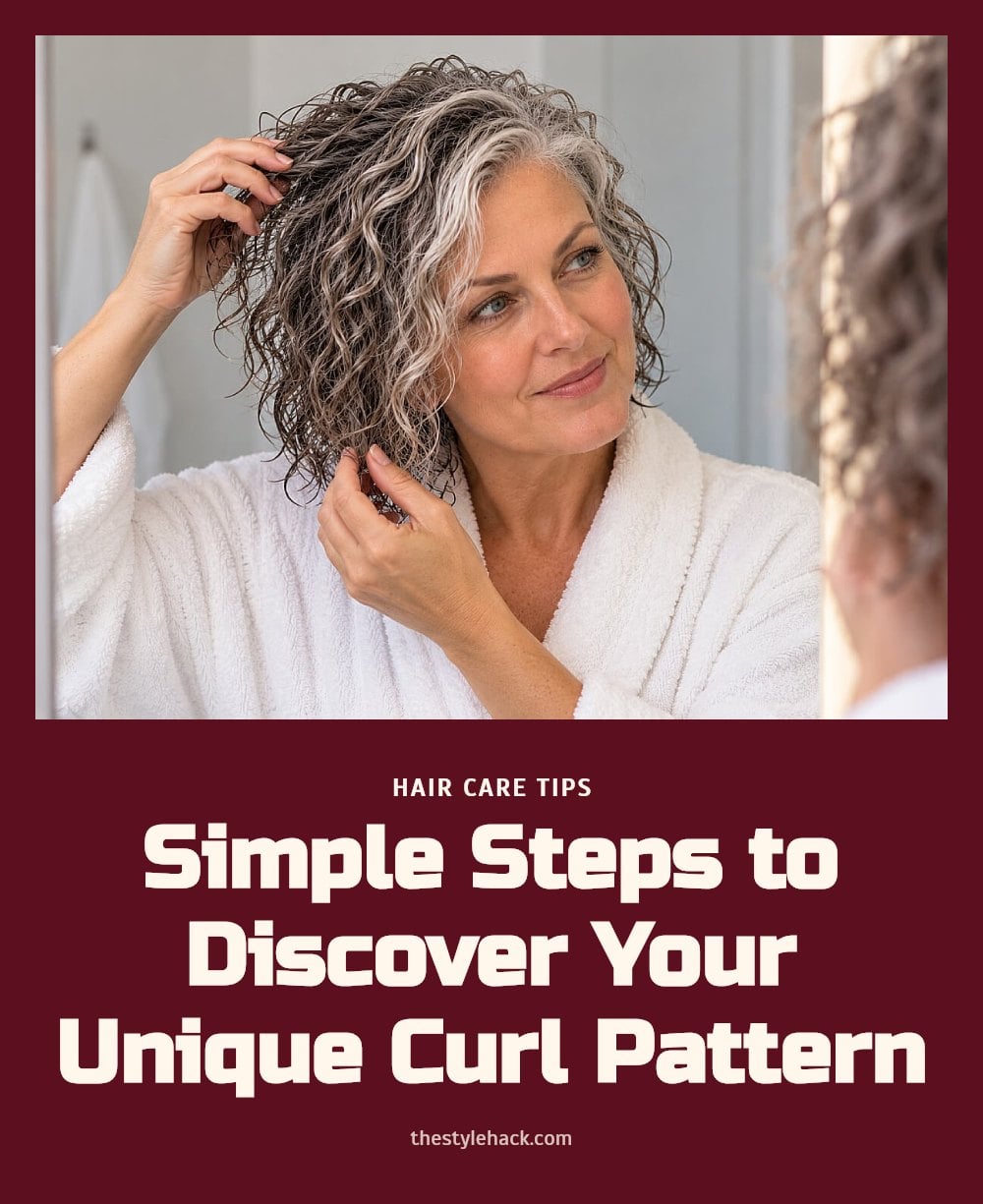
To identify your hair type, start with clean, product-free hair. Wash with a gentle shampoo and skip styling products so you see your natural pattern.
- Observe when wet: Look at your hair’s natural shape right after conditioning, before any towel drying or product. Water reveals the true curl.
- Check different sections: Your crown, nape, and sides may show different patterns. Many people have more than one type on their head.
- Compare to the chart: Match what you see to the 1-4 and A-C descriptions. Straight? Wavy? Curly? Coily? Note the letter that fits the tightness.
- Consider your full head: If you see a mix, focus on the predominant pattern for product selection, but treat varying areas separately when needed.
3. Type 1 Hair: Straight and Smooth
4. Type 1 Hair: Straight and Smooth
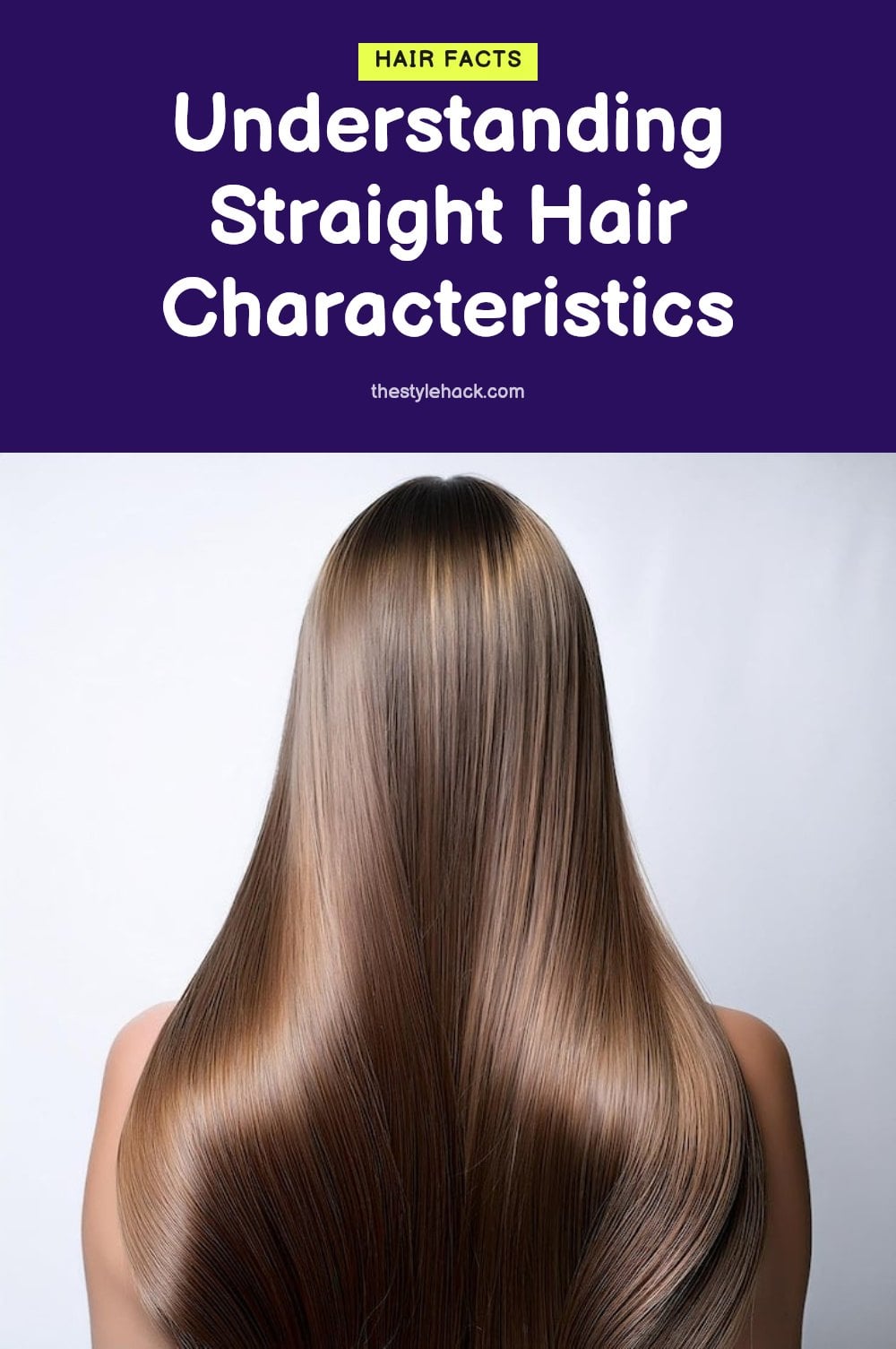
Type 1 hair is naturally straight with no curl. It tends to be oily because natural oils from the scalp travel easily down the hair shaft, so you may need to wash more often or use dry shampoo between washes.
- 1A: Fine, very straight, and often limp. Holds styles poorly.
- 1B: Medium texture with a bit more body, still straight.
- 1C: Coarse, straight strands that can appear thicker and resist curling.
The A, B, C subtypes refer to the fineness (A), medium texture (B), or coarseness (C) of the hair strands within the straight category, not curl. If your hair is straight, focus on balancing oil and adding volume with lightweight products.
5. Type 2 Hair: Wavy and Versatile
6. Type 2 Hair: Wavy and Versatile
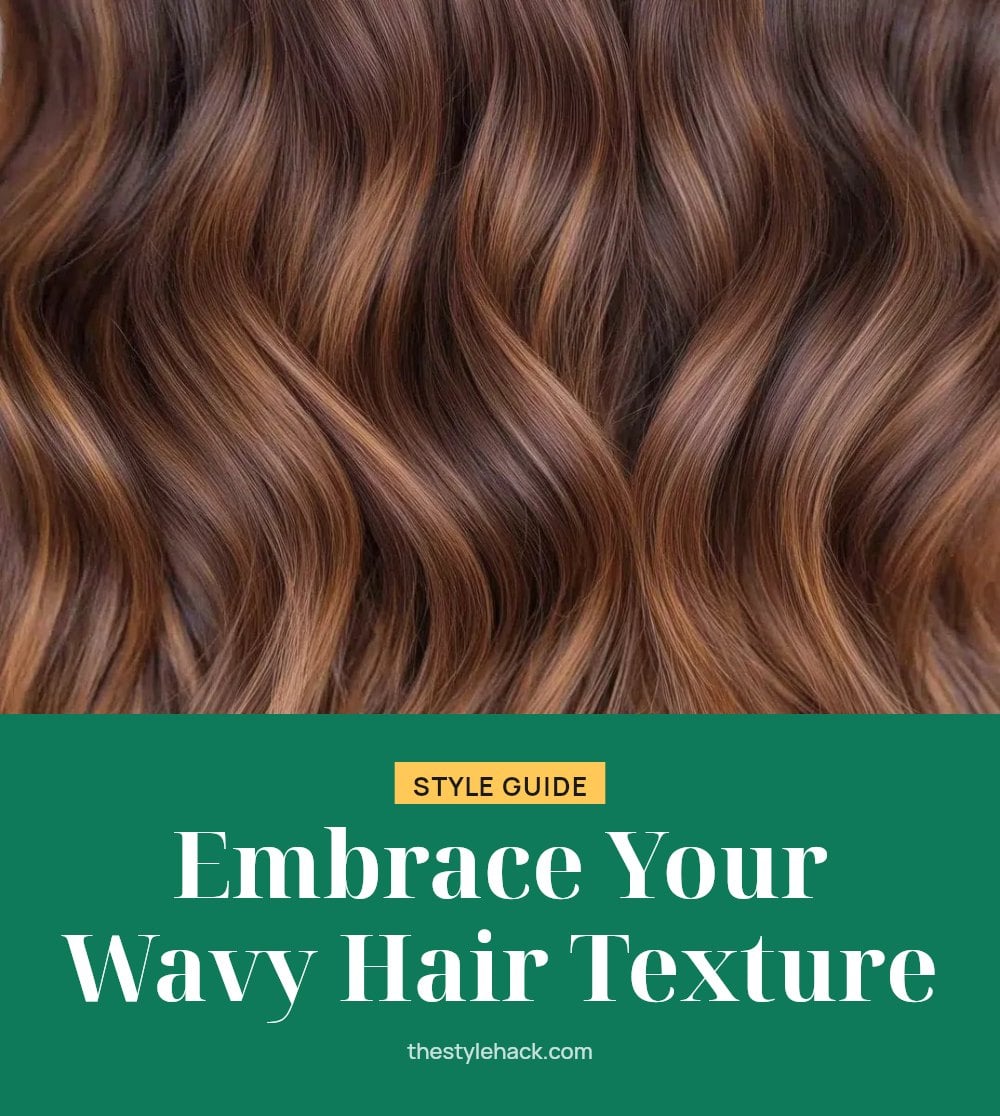
Type 2 hair has an S-shape pattern that forms loose to defined waves. It can be prone to frizz and needs specific care to enhance the wave.
- 2A: Fine, loose waves that are barely there. Prone to falling flat.
- 2B: Medium waves that start at the mid-lengths. More defined than 2A.
- 2C: Coarse, defined waves that almost look curly. Frizzes easily.
Wavy hair benefits from lightweight products that define without weighing it down. A diffuser can help encourage the S-shape without heat damage.
7. Type 3 Hair: Curly and Bouncy
8. Type 3 Hair: Curly and Bouncy
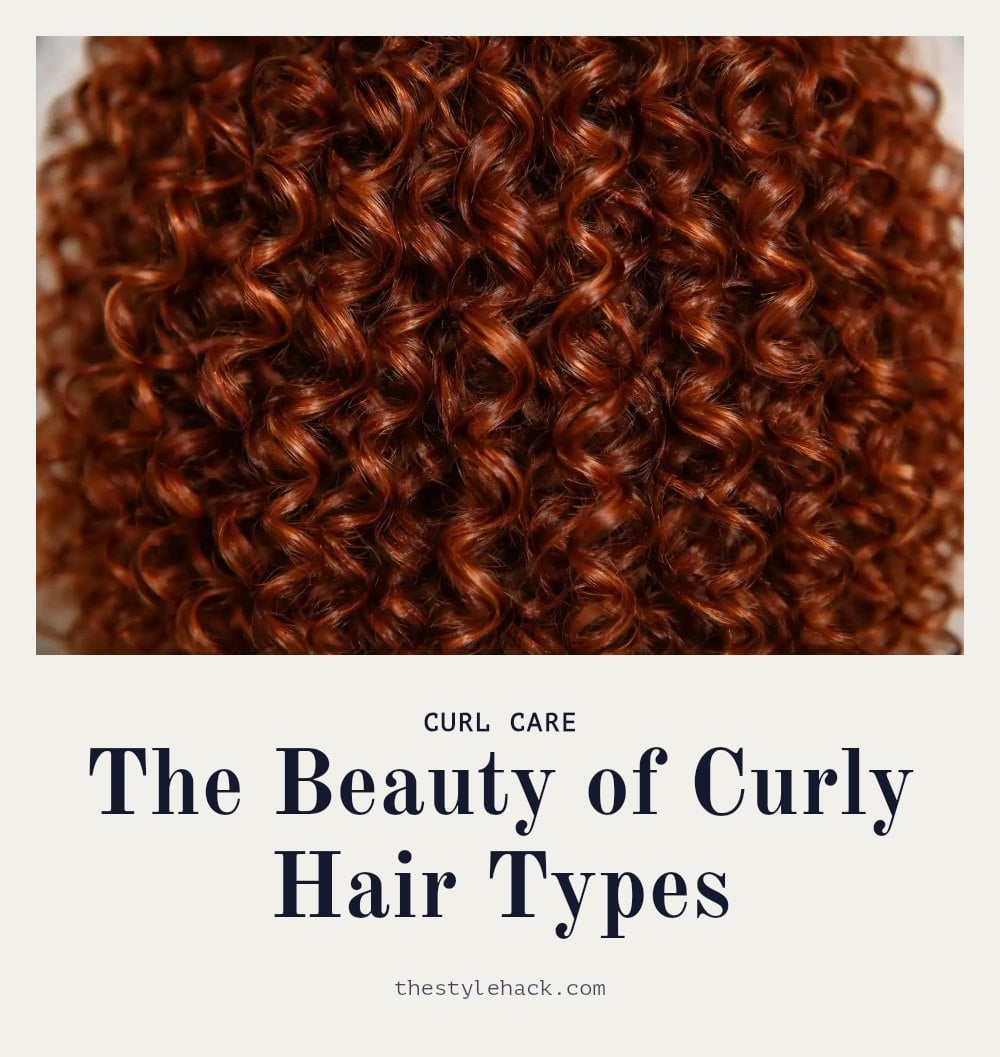
Type 3 hair forms distinct loops or spirals that range from loose ringlets to tight corkscrews. Subtype 3A curls are loose and about the size of sidewalk chalk, while 3B curls are springy and about the width of a Sharpie marker. 3C curls are tight and voluminous, often packing a lot of density. Because the natural oils struggle to travel down the twists, curly hair needs extra moisture and a good defining product to keep frizz at bay.
9. Type 4 Hair: Coily and Resilient
10. Type 4 Hair: Coily and Resilient
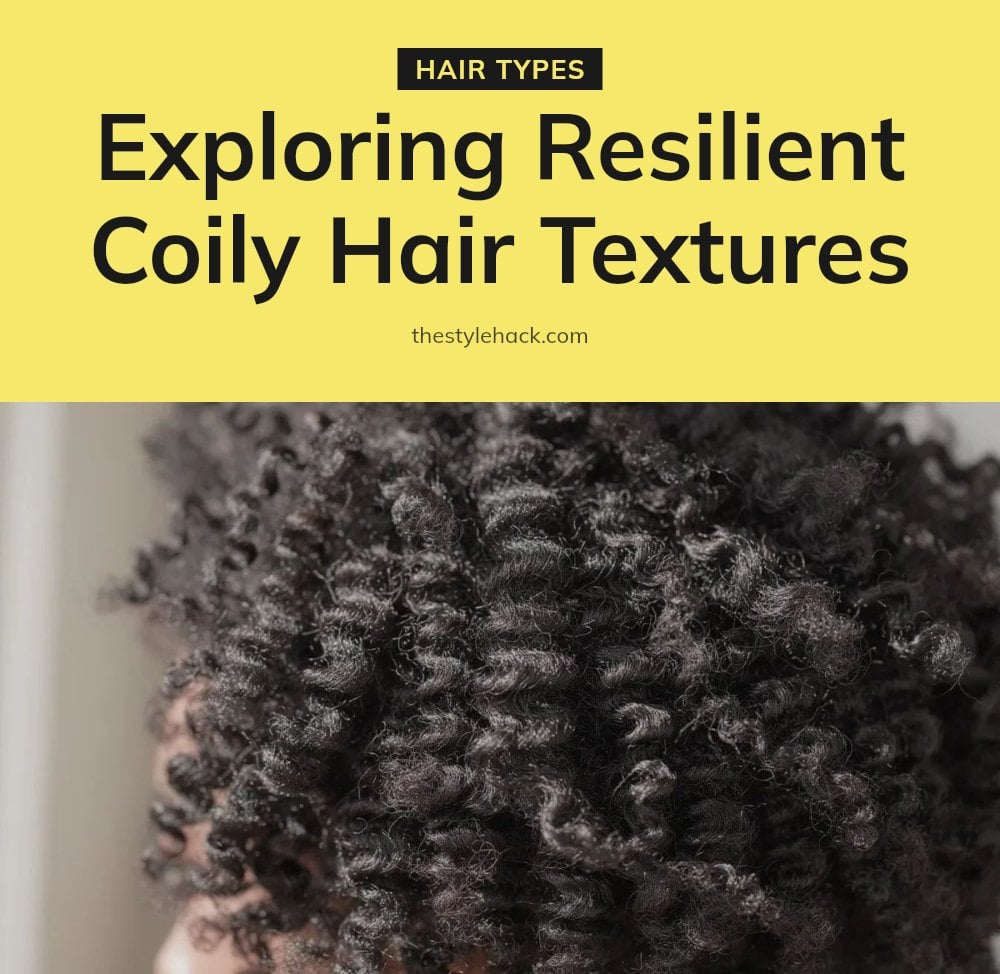
Type 4 hair has very tight, small curl patterns that often form Z-shapes or dense coils. Subtype 4A features a tight S-pattern coil, 4B has a Z-pattern with sharp angles, and 4C has very dense Z-pattern coils that are often hard to distinguish as individual curls. Coily hair can shrink significantly when dry, sometimes losing 50-75 percent of its length. Deep moisture is non-negotiable to maintain elasticity and prevent breakage.
11. Common Mistakes When Identifying Hair Type
Common Mistakes When Identifying Hair Type
Relying solely on the chart is a common pitfall. It is a guide, not the full picture of your hair. Identifying your hair when it is not clean also skews results; product buildup or heat damage can alter your natural pattern. Another mistake is assuming all hair of one type behaves the same. Porosity and density play a huge role in how your hair responds to products. Overlooking these other characteristics means missing half the story. Porosity and density are just as vital as curl pattern for choosing the right routine.
12. Beyond the Chart: Other Hair Characteristics to Consider
Beyond the Chart: Other Hair Characteristics to Consider
Porosity: How well your hair absorbs and retains moisture. My tip: A float test can give you a clue. Place a clean strand in a glass of water; if it sinks quickly, you likely have high porosity hair that needs sealing products. Density: The number of individual hair strands on your head. This impacts how full your hair looks and how much product you need. Strand Width: Whether your individual strands are fine, medium, or coarse. Fine strands hold styles less firmly and can be weighed down easily, while coarse strands hold shape well but need extra moisture.
13. When to Consult a Hair Professional
If you notice significant hair loss or breakage that doesn’t improve with gentle care, it is time to see a professional. Persistent scalp irritation, redness, or discomfort also warrants a visit to a dermatologist or trichologist. For chemical treatments like relaxers or bleaches, or a drastic style change such as a big chop, an expert can assess your hair’s condition and minimize damage. A stylist can also offer personalized advice if you feel overwhelmed managing your hair’s unique needs.
14. Frequently Asked Questions
15. What is the Andre Walker hair typing system?
The Andre Walker system, created by Oprah Winfrey’s hairstylist, categorizes hair into four main types: Type 1 (straight), Type 2 (wavy), Type 3 (curly), and Type 4 (coily). Each type is divided into subcategories (A, B, C) based on the width or tightness of the curl pattern, with A being the loosest and C the tightest.
16. Can my hair type change over time?
Yes, it can. Hormonal changes, aging, heat damage, or chemical treatments can alter your natural curl pattern. If you’ve been using heat or chemicals, your hair might not show its true type. Give your hair a break and observe it in its clean, natural state to see if it has changed.
17. Why is hair porosity important to know?
Porosity determines how well your hair absorbs and retains moisture, which directly affects product selection. High porosity hair absorbs water quickly but loses it fast, while low porosity hair repels moisture. Knowing your porosity helps you choose the right leave-ins and moisturizers for balanced hydration.
18. How do I determine my hair’s density?
Hair density refers to the number of strands on your head. To estimate it, part your hair and look at your scalp: if you see a lot of scalp, you likely have low density; if you see very little, you have high density. This affects how much product you need and how heavy styles feel.
19. What if I have different curl patterns on my head?
It’s very common to have multiple curl patterns. For example, you might have 2A waves at the nape and 3B curls at the crown. Treat each section according to its own needs: use lighter products on looser areas and richer products on tighter curls. The chart is a guide, not a strict rule.
20. Final Thoughts
Start by identifying your general curl pattern on clean, wet hair, then use that as a loose guide for product selection. Remember that your hair’s porosity and density are just as important, so be patient and experiment to find what works for you. Expect that your hair may not fit neatly into one category, and that’s perfectly normal. The goal is to understand your unique hair, not to force it into a label.
More Blog ideas
- How to Heal Chapped Lips Overnight with Simple Steps
- Atomic Habits: 5 Lessons to Build Better Habits
- Hyaluronic Acid for Beginners
- How to Build a Gentle Skincare Routine for Sensitive Skin
- Beat Frizzy Hair: Easy Remedies for Smooth, Shiny Strands
- How to Increase Your Daily Drinking Water Intake
- Washing Hair Mistakes to Avoid and What to Do Instead
- Bleaching Hair Tips for Less Damage
- How to Make Your Body Mist Last Longer All Day
- How to Fix Your Skincare Routine
- Nervous System Regulation Tips
- Vagus Nerve Exercises for Stress Relief