8 Hair Wash Day Tips for Healthier, Shinier Hair
Transform your hair wash day routine with these 8 expert tips for healthier, shinier hair. Learn how to cleanse effectively and prevent damage.


You know that feeling when your hair just doesn’t look or feel as good as you hoped after a wash? It’s not just about the shampoo you pick; the whole routine matters. This article breaks down the key steps from start to finish so you can get healthier, shinier hair every wash day.
Key Takeaways
- Choose shampoo and conditioner for your specific hair type and concerns.
- Focus shampoo on the scalp and conditioner from mid-lengths to ends.
- Use lukewarm water and rinse thoroughly to avoid buildup and dullness.
- Detangle wet hair with a wide-tooth comb while conditioner is still in.
- Pat hair dry with a microfiber towel or cotton t-shirt to reduce frizz.
01. Your Ultimate Guide to Hair Wash Day
Hair wash day is more than just a quick shampoo; it’s a crucial routine that directly impacts your hair’s health and appearance. It involves selecting the right products, using gentle techniques, and mindful aftercare to prevent damage and enhance natural shine. Understanding your specific hair type and needs is key to tailoring an effective regimen that keeps your strands strong and vibrant.
02. 1. Choose the Right Products
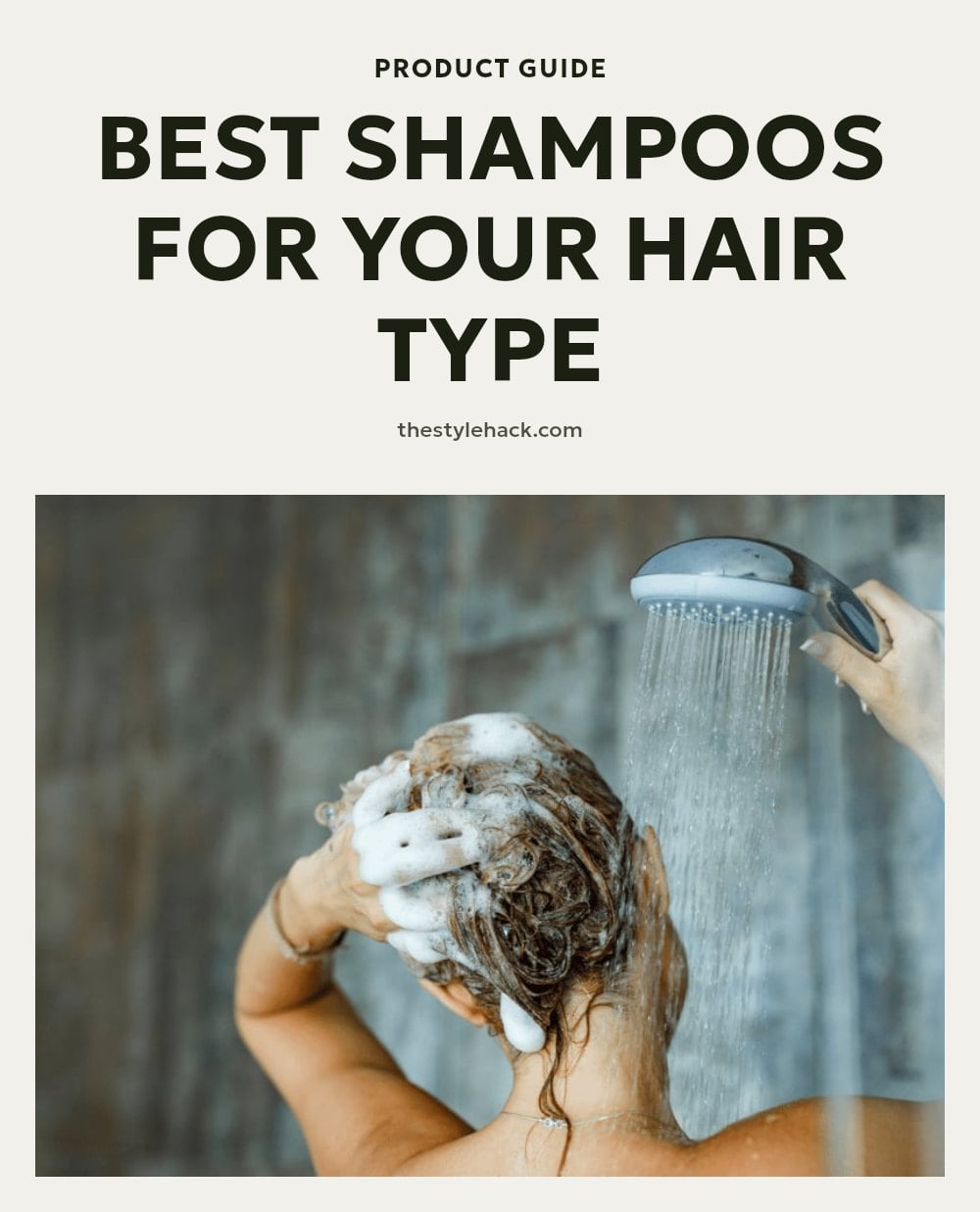
Always pick shampoo and conditioner formulated for your specific hair type and concerns, whether it’s oily, dry, color-treated, or fine. The right formula addresses the root cause, so your hair gets what it needs without stripping or weighing it down.
My tip: Don’t just grab the first bottle; read labels and understand what your hair truly needs to thrive. Look for key ingredients like sulfates for oily scalps or moisturizing oils for dry strands.
- Oily hair: opt for a clarifying shampoo.
- Dry hair: choose a hydrating, sulfate-free option.
- Color-treated: pick a color-safe line.
03. 2. Wet Hair Thoroughly
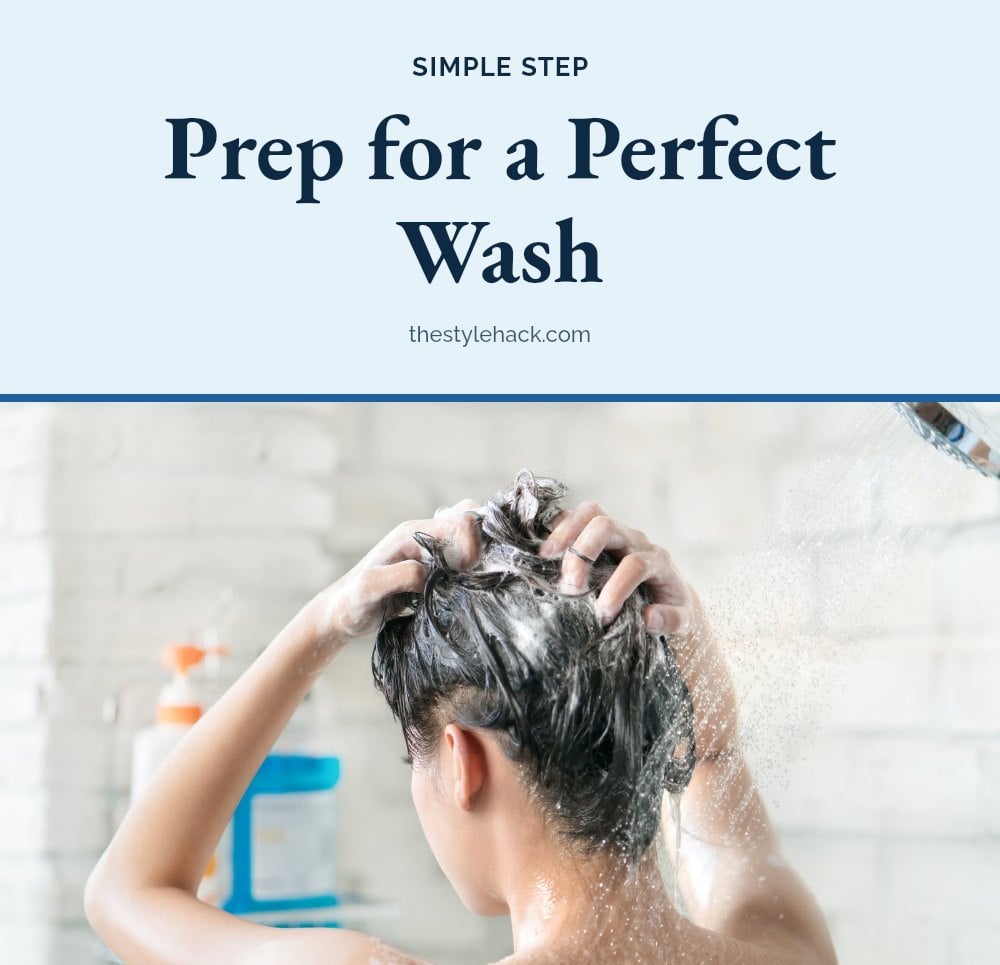
Before applying shampoo, make sure your hair is completely saturated with lukewarm water. Lukewarm water opens the cuticle just enough to allow cleansing, while very hot water strips natural oils and cold water may not effectively lift dirt.
This ensures even distribution of the shampoo and helps it lather effectively, leading to a better cleanse. A good lather means the product spreads evenly, so every strand gets cleaned.
My tip: Think of it as preparing a canvas; a fully wet head allows products to work their magic evenly.
04. 3. Focus Shampoo on Scalp
Shampoo is primarily for cleansing your scalp, not your hair strands. The scalp produces oil and collects dirt, so that’s where the product needs to go. Apply it directly to your scalp and gently massage it in with your fingertips to lift oil and buildup without roughing up the skin.
Tip: Skip the fingernails. Scrubbing aggressively with them can irritate your scalp and even cause micro-tears. Use the pads of your fingers in small, circular motions instead.
05. 4. Condition Mid-Lengths to Ends
Conditioner is for moisturizing and detangling your hair strands, so apply it from the mid-lengths to the ends. The ends are the oldest, driest part of your hair and need the most hydration. Avoid applying conditioner directly to your scalp to prevent weighing down your roots unless it’s a specific scalp treatment.
Good to know: Gently squeeze excess water from your hair before applying conditioner. Waterlogged hair repels product, so removing that extra moisture helps the conditioner penetrate the hair shaft more effectively.
06. 5. Detangle Gently While Wet
Hair is most fragile when wet, so use a wide-tooth comb to detangle your hair while conditioner is still in it. The slip from the conditioner helps the comb glide through without snapping strands. This also distributes the conditioner evenly from mid-lengths to ends.
Good to know: Start from the ends and work your way up to gently release knots. Ripping through from the top only pushes tangles tighter and causes breakage.
07. 6. Rinse Thoroughly
Rinse your hair thoroughly until no product residue remains. Leftover shampoo or conditioner can cause buildup, dullness, and potential scalp irritation over time. The water should run clear and your hair should feel clean, not slippery or coated.
Pro move: Keep rinsing for a minute or two longer than you think you need. It takes longer than you expect for water to fully penetrate and wash away every trace of product, especially on thick or long hair.
08. 7. Pat Dry with Care
Instead of rubbing vigorously with a traditional towel, gently pat your hair dry with a microfiber towel or an old cotton t-shirt. The smooth fabric creates less friction, which reduces frizz and minimizes breakage. Rubbing roughens the cuticle and leads to flyaways.
Quick tip: Air drying partially before blow-drying can also significantly reduce heat exposure and damage. Let your hair dry to about 70 percent damp, then finish with a blow-dryer on low heat to lock in shape without over-drying. This approach works well if you have time to let your hair sit before styling.
09. 8. Consider Leave-In Treatments
If you use heat styling tools, always apply a leave-in conditioner or heat protectant first. These products create a barrier that reduces heat damage while adding moisture and shine. Even when you air dry, a light leave-in helps with detangling and provides an extra layer of nourishment.
Tip: Look for a formula that matches your hair’s texture. Fine hair needs a lightweight spray, while thicker hair can handle a creamier product. Apply it evenly from mid-lengths to ends, focusing on the driest areas.
10. Common Hair Wash Day Mistakes to Avoid
Washing too frequently or not enough: Your ideal wash frequency depends on your hair type, scalp oiliness, activity level, and product use. It can range from daily to once a week or less. Find your sweet spot by paying attention to how your scalp and hair feel between washes.
Using unsuitable products: Shampoo and conditioner should match your hair’s specific needs. Using the wrong formula can lead to dryness, oiliness, or lack of desired results. Read labels to choose for your hair type.
Applying conditioner to the scalp: Unless it’s a specific scalp treatment, conditioner belongs on your strands. Applying it to the scalp weighs down roots and causes greasiness.
Rubbing hair harshly with a towel: This common mistake creates frizz, breakage, and damage to the hair cuticle. Always pat or squeeze gently instead.
Brushing wet hair with a regular brush: Hair is most fragile when wet. Use a wide-tooth comb to detangle gently and prevent breakage.
11. Frequently Asked Questions
12. How often should I wash my hair?
It depends on your hair type, scalp oiliness, activity level, and how much product you use. For some people, daily washing works, while others go a week or more between washes. Pay attention to how your scalp and hair feel to find your personal sweet spot.
13. Should I double shampoo my hair?
Double shampooing can be helpful if you have an oily scalp or heavy product buildup. Washing once removes surface dirt, and a second pass lifts deeper oil and residue. If your hair is dry or fine, a single wash is usually enough.
14. How can I prevent frizz after washing?
Start by patting your hair dry with a microfiber towel or cotton t-shirt instead of rubbing it with a regular towel. Avoid very hot water, and use a leave-in conditioner or a drop of lightweight oil on damp ends. These steps help keep the cuticle smooth.
15. What’s the best way to detangle wet hair?
Use a wide-tooth comb while your conditioner is still in your hair. The slip from the conditioner helps the comb glide through without breaking strands. Start from the ends and work your way up to avoid pulling on knots.
16. Can I use hot water to wash my hair?
Very hot water can strip your hair’s natural oils and dry out your scalp. Lukewarm water is generally recommended because it cleanses effectively without causing damage. If you want a cool rinse at the end, that’s fine, but stick to lukewarm for the main wash.
17. Final Thoughts
For the best results, stick with lukewarm water, focus shampoo on your scalp, and condition only the mid-lengths to ends. Expect your hair to look and feel noticeably cleaner and shinier after just one proper wash day. Once you get the hang of these steps, it becomes a simple routine that really pays off.
This information is for general guidance only and does not replace professional advice. If you experience persistent scalp irritation, excessive hair loss, or an allergic reaction, stop using the product and consult a dermatologist or healthcare professional.
More Blog ideas
- How to Heal Chapped Lips Overnight with Simple Steps
- Atomic Habits: 5 Lessons to Build Better Habits
- Hyaluronic Acid for Beginners
- How to Build a Gentle Skincare Routine for Sensitive Skin
- Beat Frizzy Hair: Easy Remedies for Smooth, Shiny Strands
- How to Increase Your Daily Drinking Water Intake
- Washing Hair Mistakes to Avoid and What to Do Instead
- Bleaching Hair Tips for Less Damage
- How to Make Your Body Mist Last Longer All Day
- How to Fix Your Skincare Routine
- Nervous System Regulation Tips
- Vagus Nerve Exercises for Stress Relief






