Your High Protein Foods Cheat Sheet: Fuel Your Body Right
Discover the best high protein foods for muscle building, weight management, and overall health. This cheat sheet covers animal and plant-based options.

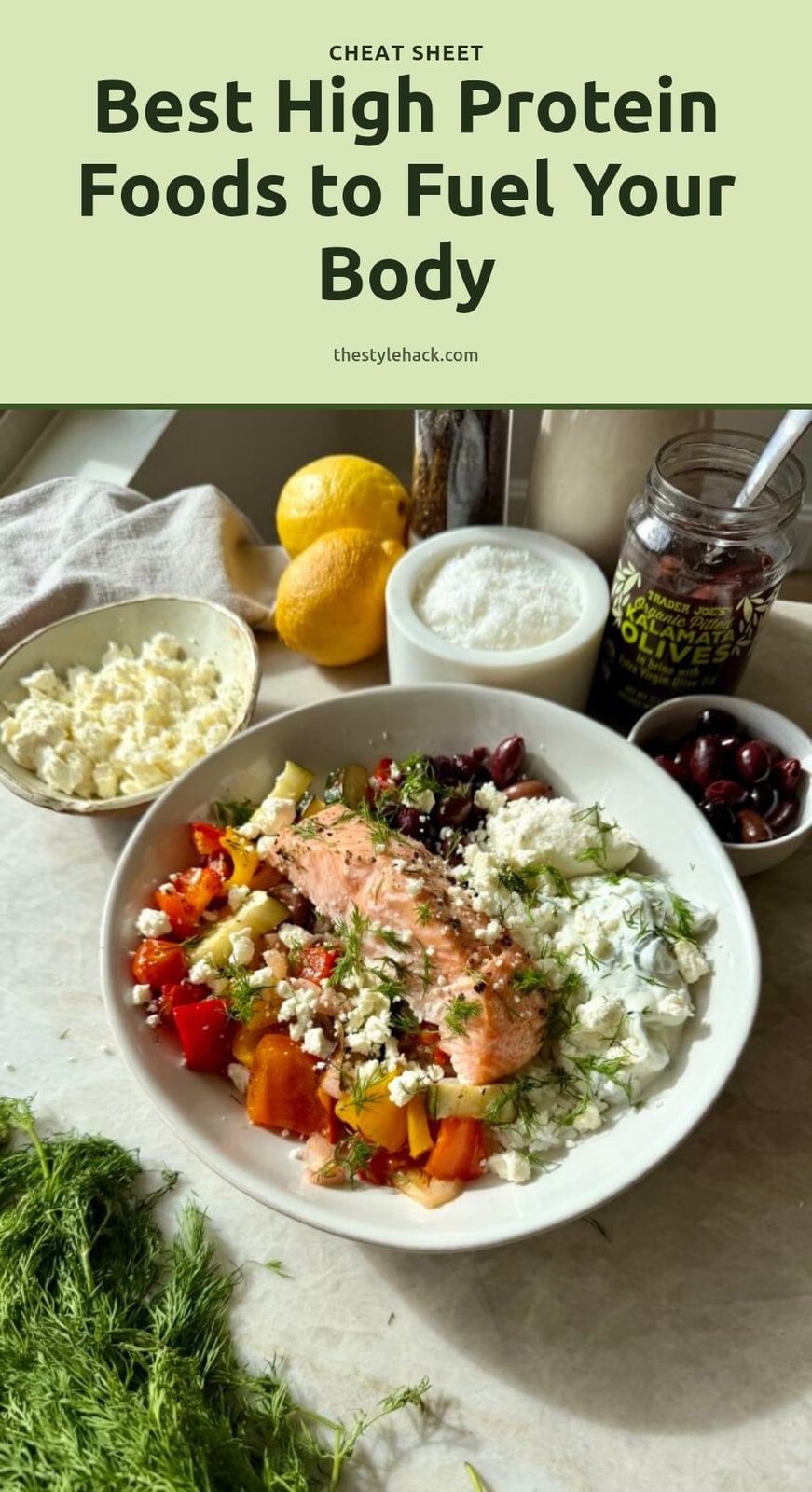
Protein is a key player in just about everything your body does, from repairing muscle to keeping you feeling full and energized. If you’re looking to add more of it to your plate, you’re in the right place. This article breaks down the best high-protein foods, both animal and plant-based, and offers simple tips to make protein work for you.
Key Takeaways
- Include a protein source at every meal to support satiety and stable energy.
- Combine incomplete plant proteins, like rice and beans, for a complete amino acid profile.
- Choose lean meats like chicken breast and turkey to keep fat intake in check.
- Add plant-based proteins like lentils and tofu for extra fiber and nutrients.
- Spread protein intake across the day rather than loading up at one meal.
1. What Are High Protein Foods and Why Do They Matter?
High protein foods are those that provide a significant amount of protein relative to their calorie content. Protein is one of the three macronutrients, and it is essential for building and repairing tissues, making enzymes and hormones, and supporting overall health. Including these foods in your diet can help with satiety, muscle maintenance, and energy levels, making them crucial for goals like weight management or muscle gain. A balanced approach includes a variety of animal and plant-based sources to ensure you consume all essential amino acids.
2. 1. Lean Meats: Chicken and Turkey
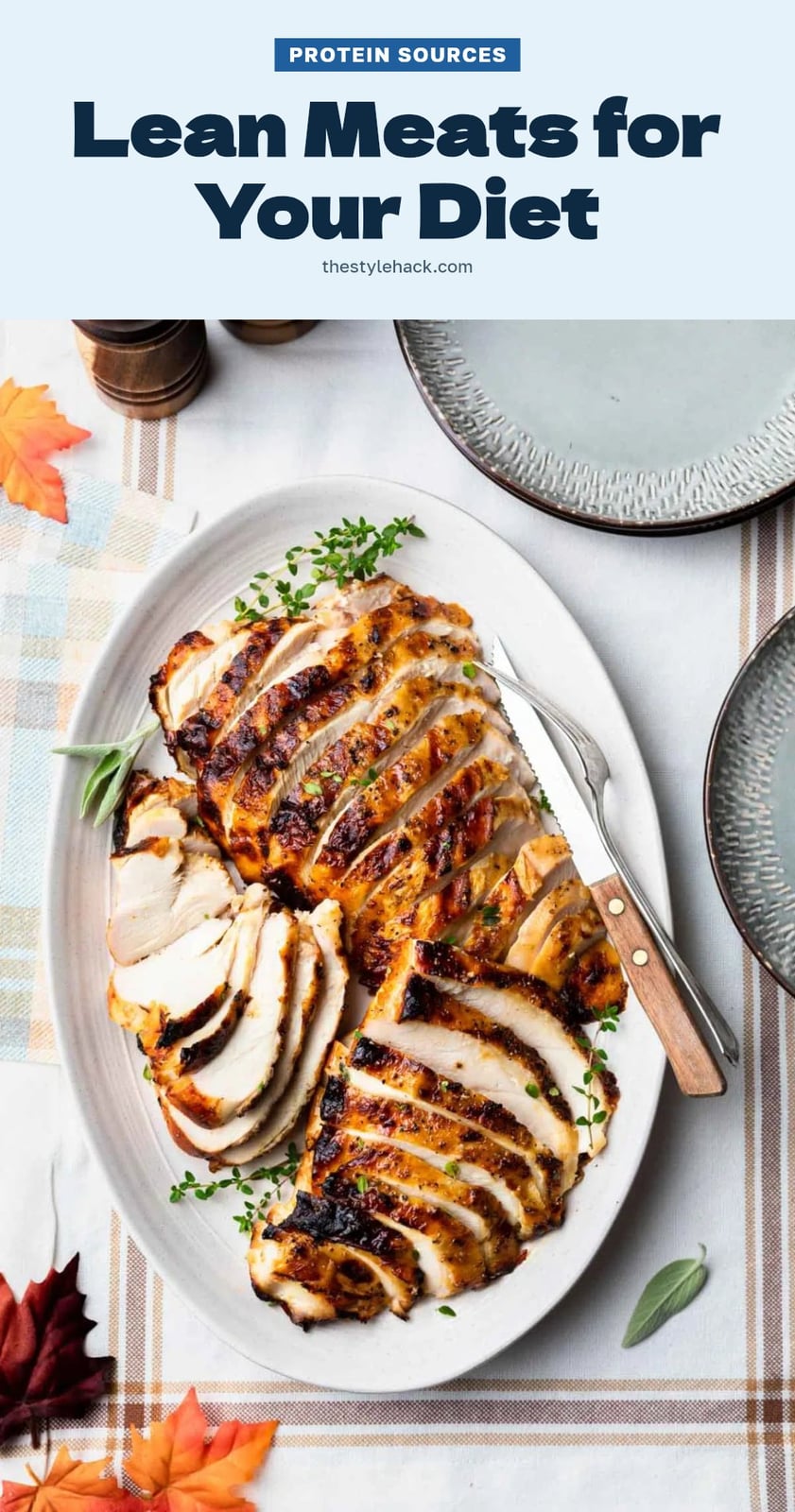
Chicken breast and turkey are excellent sources of high-quality protein with minimal fat. They provide all the essential amino acids your body needs for muscle repair and growth, making them a staple for many fitness-focused diets.
My tip: Opt for skinless cuts to keep the fat content low. You can grill, bake, or sauté them, and they pair well with almost any seasoning or side dish.
3. 2. Fatty Fish: Salmon, Tuna, Mackerel
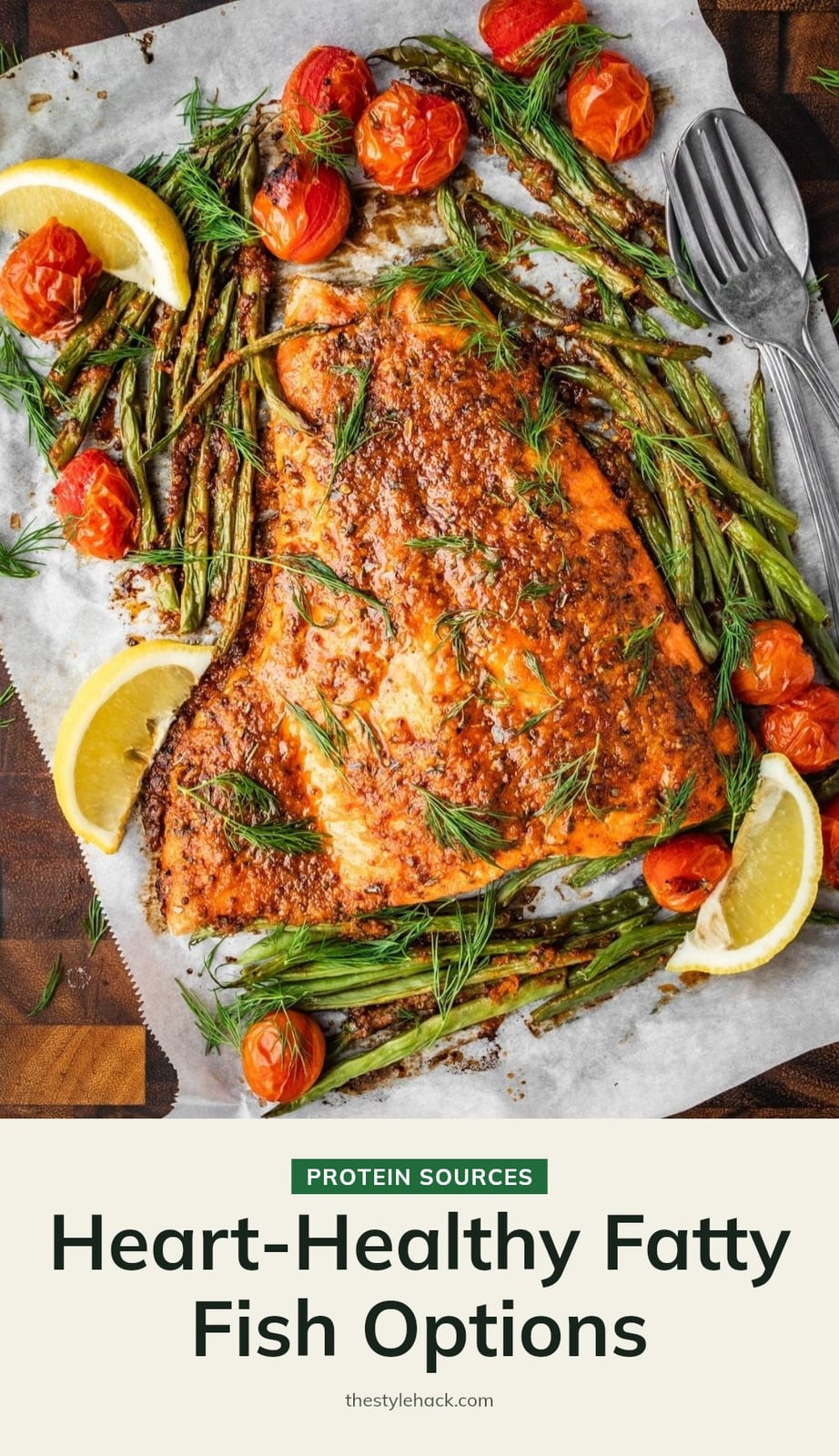
Fatty fish like salmon, tuna, and mackerel are rich in protein and beneficial omega-3 fatty acids. The omega-3s support heart and brain health, making these fish a powerhouse food for overall wellness.
My tip: Aim for two servings of fatty fish per week. You can enjoy them grilled, baked, or even canned for a quick protein boost.
4. 3. Eggs: The Complete Protein Powerhouse
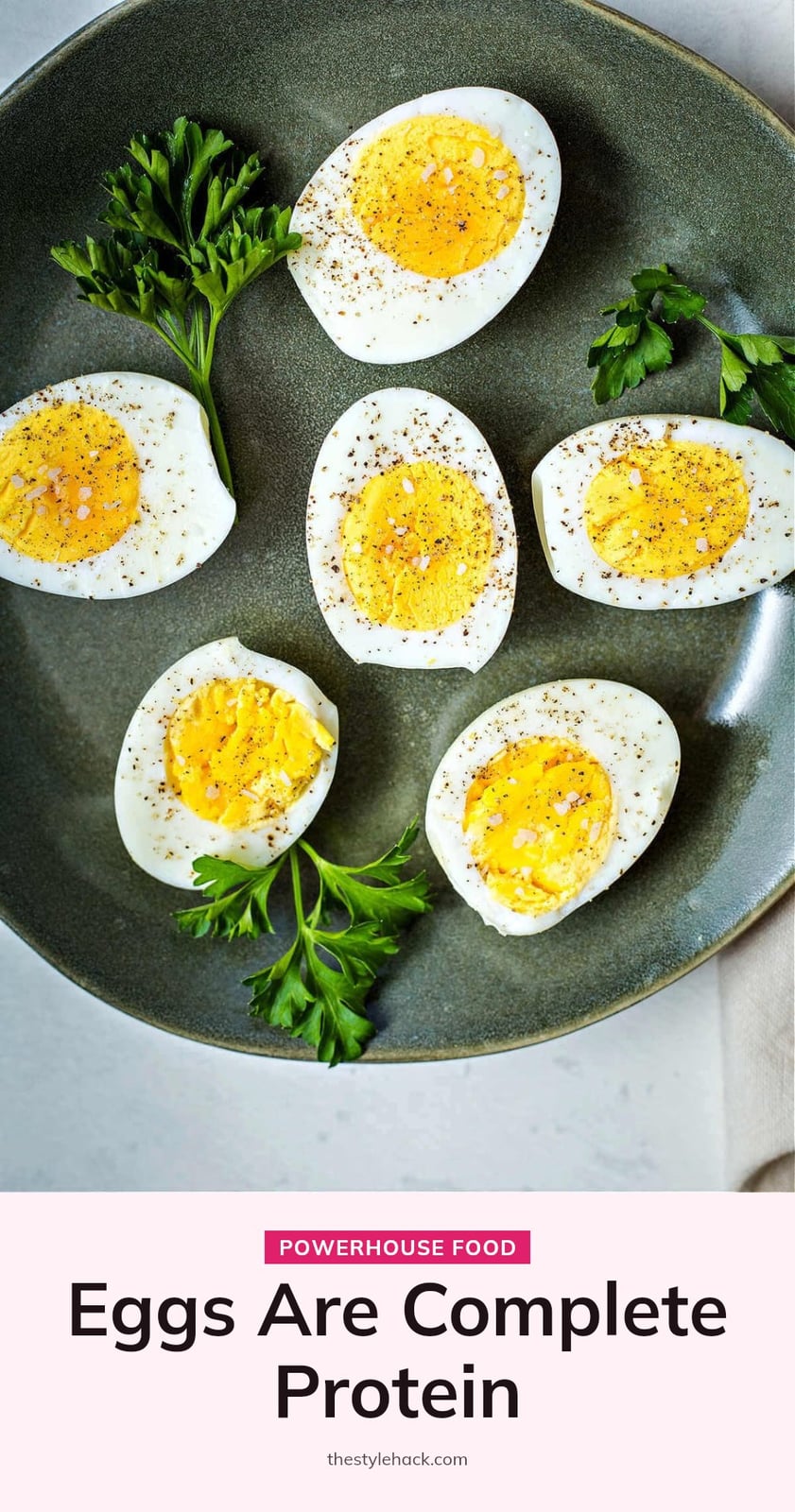
Eggs are a highly bioavailable source of complete protein, meaning they contain all nine essential amino acids. One large egg provides approximately 6 grams of protein, making them an efficient way to meet your daily needs.
Tip: Enjoy them scrambled, boiled, or in an omelet for a quick protein boost. They are versatile and can be added to salads, sandwiches, or eaten on their own.
5. 4. Greek Yogurt and Cottage Cheese
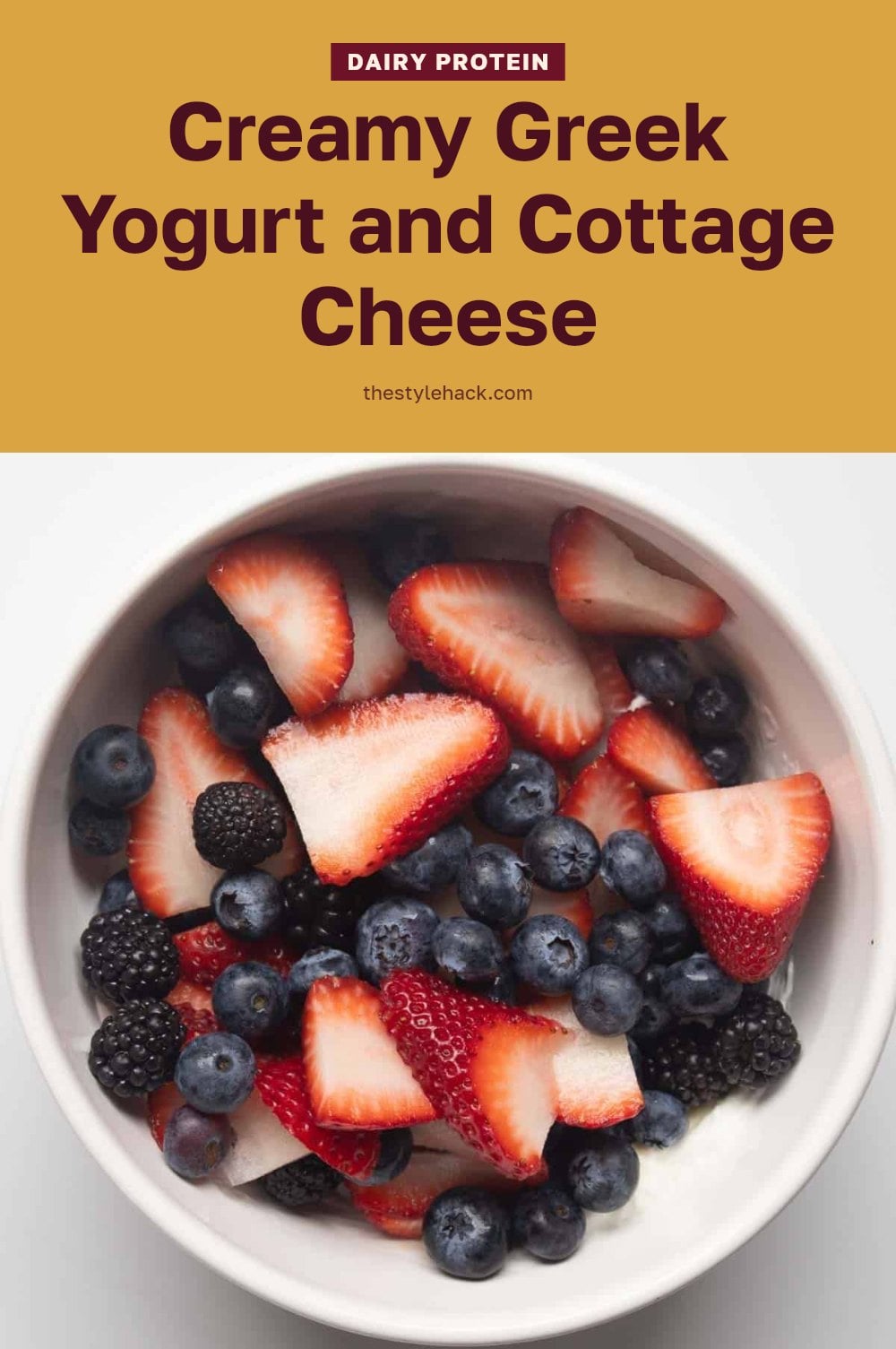
Greek yogurt and cottage cheese are dairy champions, packed with protein and calcium. A single serving of Greek yogurt can provide 15-20 grams of protein, while cottage cheese offers about 14 grams per half-cup. They are excellent for snacks or breakfast, promoting satiety thanks to their protein and fat content.
Tip: Choose plain, unsweetened varieties to avoid added sugars. You can always add fresh fruit or a drizzle of honey yourself for sweetness without the extra processed sugar.
6. 5. Legumes: Beans, Lentils, Chickpeas
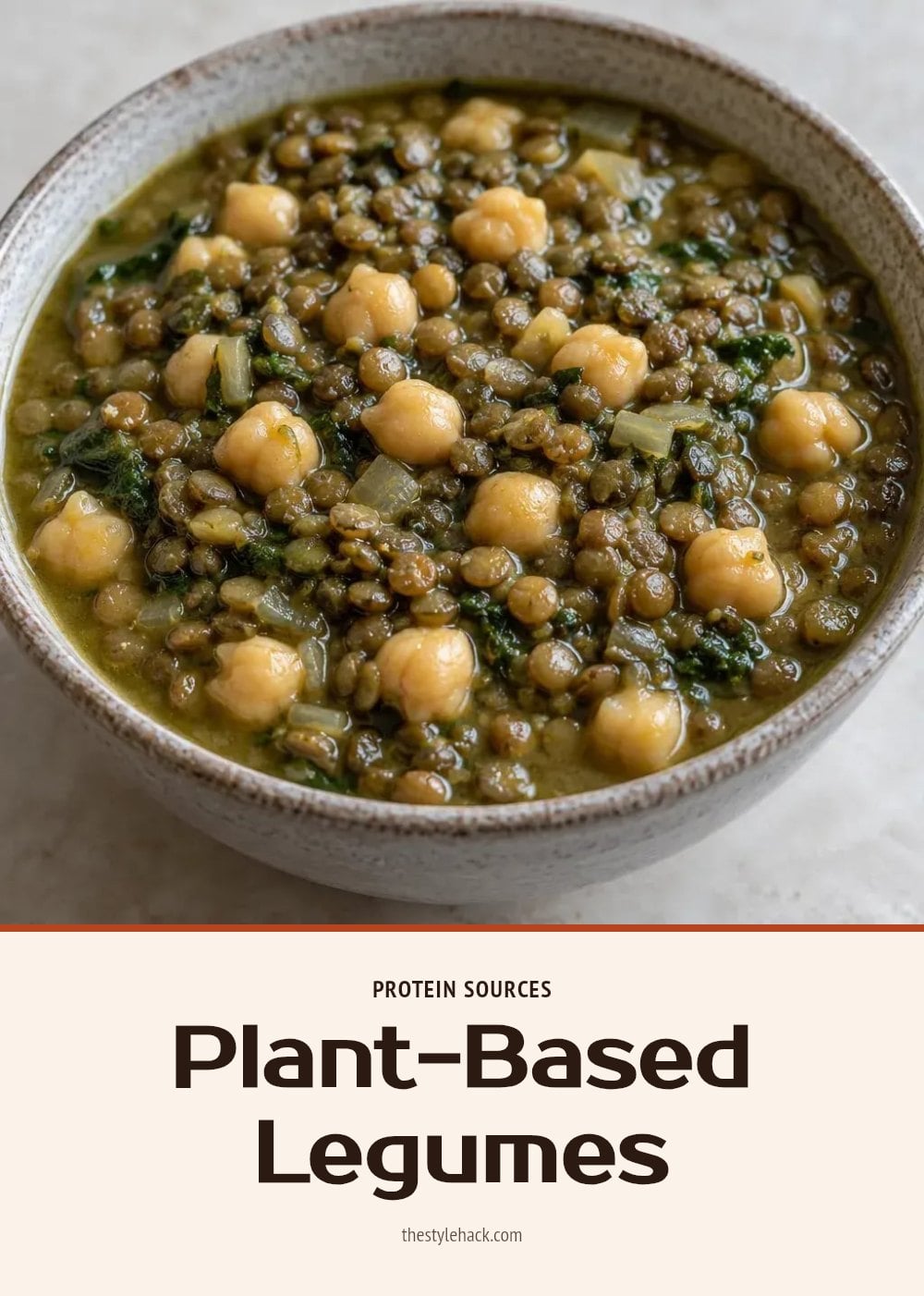
Legumes are fantastic plant-based protein sources, also rich in fiber, which aids digestion and satiety. One cup of cooked lentils provides about 18 grams of protein, while chickpeas and black beans offer similar amounts. They are versatile and can be added to soups, salads, and stews.
Tip: Combine them with grains like rice to form a complete protein. For example, a lentil and rice dish gives you all essential amino acids in one meal.
7. 6. Soy Products: Tofu, Tempeh, Edamame
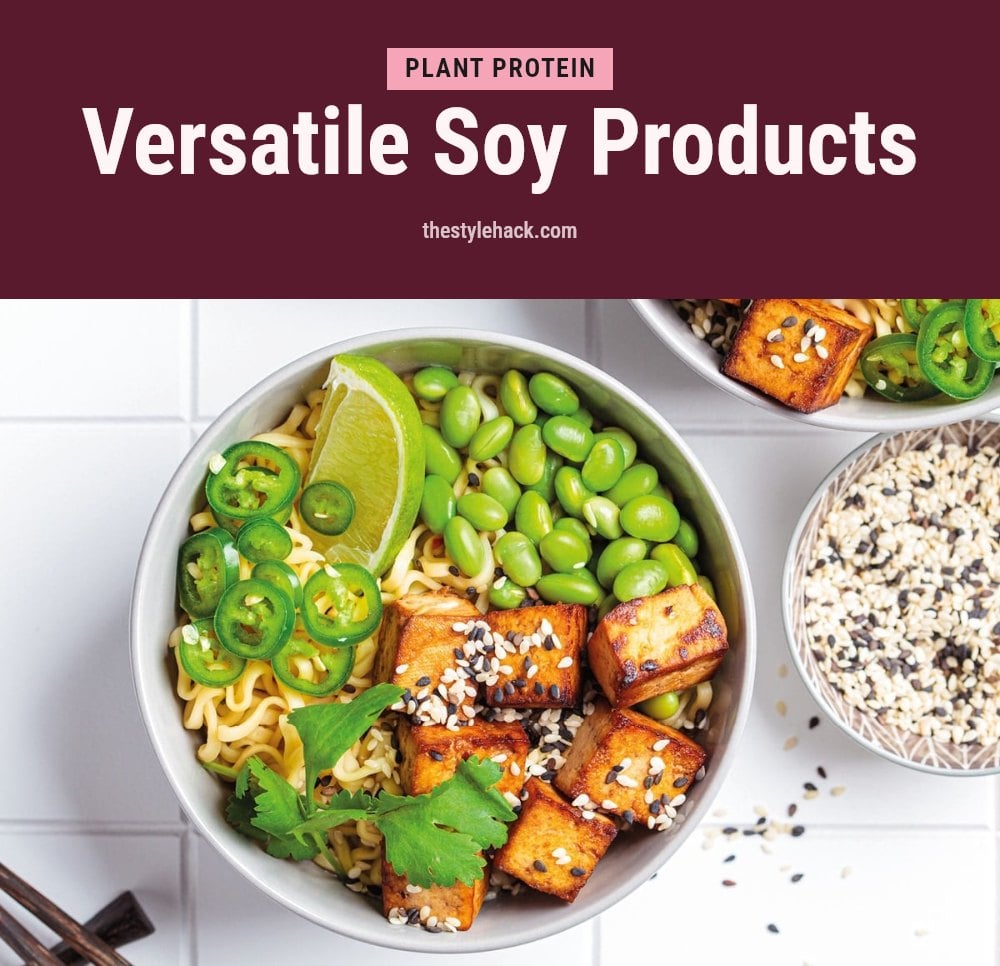
Tofu, tempeh, and edamame are complete plant proteins derived from soy, meaning they contain all nine essential amino acids. A 3-ounce serving of tempeh packs about 16 grams of protein, while firm tofu offers around 10 grams per half-cup. They are incredibly versatile for cooking and absorb flavors well.
Tip: Try marinating tofu or tempeh for delicious plant-based meals. A simple soy sauce, ginger, and garlic marinade works wonders before grilling or baking.
8. 7. Quinoa: The Complete Grain
Quinoa is unique among grains as it’s considered a complete protein, providing all essential amino acids. One cup of cooked quinoa contains about 8 grams of protein, along with fiber and various micronutrients like magnesium and iron. It’s a great alternative to rice or pasta for a protein boost.
Tip: Use quinoa as a base for salads or as a side dish instead of rice. It works well cold in grain bowls or warm as a stuffing for bell peppers.
9. 8. Nuts and Seeds: Almonds, Chia, Flax
Almonds, chia seeds, and flax seeds deliver a solid protein boost along with healthy fats and fiber. A one-ounce handful of almonds provides about 6 grams of protein, while two tablespoons of chia seeds add roughly 4 grams. The combination of protein, fat, and fiber makes them especially effective at curbing hunger between meals. Good to know: Keep a small stash of almonds or a chia pudding in the fridge for a quick, satisfying snack that keeps your energy steady.
10. 9. Dairy Milk: A Classic Protein Source
Milk is a straightforward, widely available source of high-quality protein, with about 8 grams per cup. It also supplies calcium and Vitamin D, which support bone health. You can drink it plain, blend it into smoothies, or use it in cooking and baking. Pro move: If you’re lactose intolerant, choose lactose-free milk options; they still provide the same protein and nutrients without the digestive discomfort.
11. 10. Nutritional Yeast: Umami Protein Boost
Nutritional yeast is a deactivated yeast that tastes cheesy and umami, making it a clever plant-based protein booster. Two tablespoons provide about 8 grams of protein, plus B vitamins. It works as a seasoning for popcorn, pasta, roasted vegetables, or even scrambled tofu. Quick tip: Sprinkle it directly onto hot food so it melts slightly and sticks better, giving you a savory, protein-rich flavor without added salt.
12. 11. Spirulina: Algae-Based Protein
Spirulina is a blue-green algae that packs a surprising amount of protein per gram, along with iron and B vitamins. A single tablespoon of powder contains about 4 grams of protein. It’s most commonly stirred into smoothies, juices, or even water for a quick nutrient hit. Tip: Start with half a teaspoon to get used to the taste, which can be earthy and strong. Blend it with pineapple or mango to mask the flavor while still getting the protein.
13. Common Protein Pitfalls to Avoid
Believing only animal products provide sufficient protein: Many plant-based foods are excellent sources, and combining them throughout the day provides complete proteins. Beans with rice, hummus with whole-wheat pita, or lentil soup with a slice of bread all work.
Overlooking protein in everyday foods: Grains like oats and quinoa, vegetables like broccoli and spinach, and even nuts contribute protein. It’s not just about meat and dairy. A slice of whole-grain bread adds 3-4 grams.
Focusing only on total grams: The quality and amino acid profile matter, especially if you’re plant-based. A mix of sources ensures you get all essential amino acids your body can’t produce on its own.
Assuming more is always better: Excessive protein without considering individual needs can lead to digestive discomfort or other concerns. The general recommendation for healthy adults is 0.8 grams of protein per kilogram of body weight, and needs vary by activity level and health status.
Not distributing protein intake: Aim to include a protein source at every meal to maximize satiety and muscle synthesis. Spreading protein throughout the day supports stable energy and better use of the amino acids.
14. Frequently Asked Questions
15. How much protein do I need daily?
The general recommendation for healthy adults is 0.8 grams of protein per kilogram of body weight. For specific goals like muscle gain, some people aim for 1.6 to 2.2 grams per kilogram, but individual needs vary. It’s best to talk with a healthcare professional or dietitian to find what’s right for you.
16. Can I get enough protein from plant-based foods alone?
Yes, you can meet your protein needs with a well-planned plant-based diet. While most plant proteins are incomplete, eating a variety of sources like beans, lentils, tofu, and quinoa throughout the day provides all essential amino acids. Soy products and quinoa are complete proteins on their own.
17. Are protein supplements necessary?
Supplements are not necessary if you can meet your protein needs through whole foods. They can be convenient for busy days or post-workout, but they should complement, not replace, a balanced diet. Focus on food first and use supplements only if needed or recommended by a professional.
18. What are complete proteins?
Complete proteins contain all nine essential amino acids that your body cannot produce on its own. Animal foods like meat, fish, eggs, and dairy are complete. Among plants, soy products and quinoa are exceptions. Combining different plant proteins throughout the day also covers all bases.
19. How can I add more protein to my breakfast?
Simple swaps make a big difference. Add Greek yogurt to your morning bowl, toss in a handful of almonds, or scramble two eggs. You can also blend tofu or chia seeds into a smoothie for a protein boost. These options add 6 to 20 grams of protein to your first meal.
20. Is too much protein harmful?
For most healthy people, high protein intake is safe, but excessively high amounts over time may cause digestive discomfort or other issues for some. If you have kidney disease or other medical conditions, it’s crucial to consult a doctor before increasing protein significantly. Moderation and balance are key.
21. Final Thoughts
Start by adding one protein-rich food to each meal, whether it’s eggs at breakfast, chicken at lunch, or lentils at dinner. Aim for a balanced variety and remember that results, like improved muscle tone or better satiety, typically show up over weeks to months with consistent effort. Keep it simple, listen to your body, and enjoy the process.
This article is for general informational purposes only and is not a substitute for professional medical or dietary advice. Always consult a healthcare provider or registered dietitian before making significant changes to your diet, especially if you have a medical condition. If you experience persistent digestive issues or other symptoms, seek professional guidance.
More Blog ideas
- How to Heal Chapped Lips Overnight with Simple Steps
- Atomic Habits: 5 Lessons to Build Better Habits
- Hyaluronic Acid for Beginners
- How to Build a Gentle Skincare Routine for Sensitive Skin
- Beat Frizzy Hair: Easy Remedies for Smooth, Shiny Strands
- How to Increase Your Daily Drinking Water Intake
- Washing Hair Mistakes to Avoid and What to Do Instead
- Bleaching Hair Tips for Less Damage
- How to Make Your Body Mist Last Longer All Day
- How to Fix Your Skincare Routine
- Nervous System Regulation Tips
- Vagus Nerve Exercises for Stress Relief






