Jump Rope Benefits and Tips for an Effective Workout
Discover the incredible jump rope benefits for fitness, coordination, and calorie burning. Learn proper technique and tips for an effective, low-impact workout.

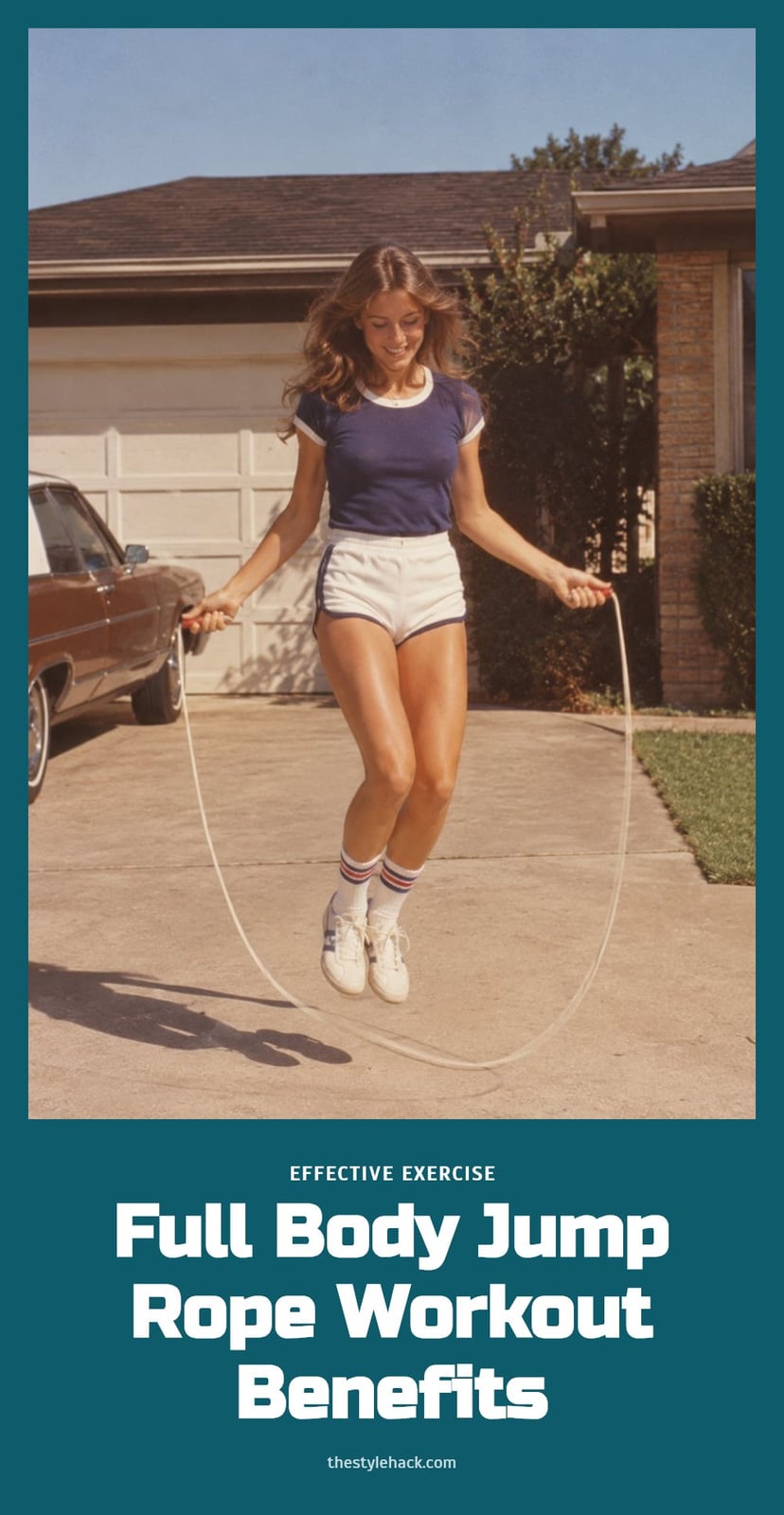
Jumping rope is one of the most efficient workouts you can do at home or on the go. It boosts your heart rate, sharpens coordination, and works your whole body in just minutes a day. In this article, you’ll learn the key benefits, proper form, and practical tips to get started safely and see results.
Key Takeaways
- Choose a rope that reaches your armpits when you stand on the middle.
- Jump only 1-2 inches high and land softly on the balls of your feet.
- Keep elbows close and turn the rope with your wrists, not your arms.
- Start with short intervals and gradually increase duration over a few weeks.
- Aim for 3-5 sessions per week with at least one rest day between.
1. Why Jumping Rope is a Smart Workout Choice
Jumping rope is a highly effective, full-body workout that boosts cardiovascular health, coordination, and agility. It requires minimal equipment and space, making it perfect for home or travel. Proper technique is crucial for maximizing benefits and preventing injury, focusing on light jumps and wrist rotation.
2. 1. Boost Your Cardiovascular Health
Jumping rope is an excellent cardio exercise, elevating your heart rate quickly and improving overall cardiovascular endurance. Regular practice strengthens your heart and lungs, making everyday activities feel easier.
- Short, intense sessions deliver a high-intensity workout in minutes.
- Consistent practice builds stamina over time.
3. 2. Burn Calories Efficiently

Jumping rope can burn a significant number of calories, often comparable to running, making it an efficient exercise for weight management. My tip: A 10-minute jump rope session can be as effective as a 30-minute jog for calorie expenditure.
- Great for busy schedules.
- Maximize your workout in less time.
4. 3. Improve Coordination and Agility
Regular jump rope practice significantly improves coordination, timing, and rhythm, which translates to better performance in other sports and daily activities. It requires your brain and body to work together, enhancing your proprioception.
- Notice improvements in footwork.
- Gain better overall body control.
5. 4. Engage Your Full Body
Jumping rope works your calves, quads, glutes, core, shoulders, and arms all at once. Your core stabilizes your body with each jump, while your arms and shoulders power the rope. Tip: Focus on keeping your abs tight and your shoulders relaxed to get the most out of every rep.
6. 5. Protect Your Joints with Low Impact

When you land softly on the balls of your feet with knees slightly bent, jumping rope becomes a low-impact exercise. This technique absorbs shock and puts less stress on your knees and ankles than running or high-impact aerobics. Good to know: A forgiving surface like a mat or wood floor adds extra cushioning.
7. 6. Choose the Right Rope Length
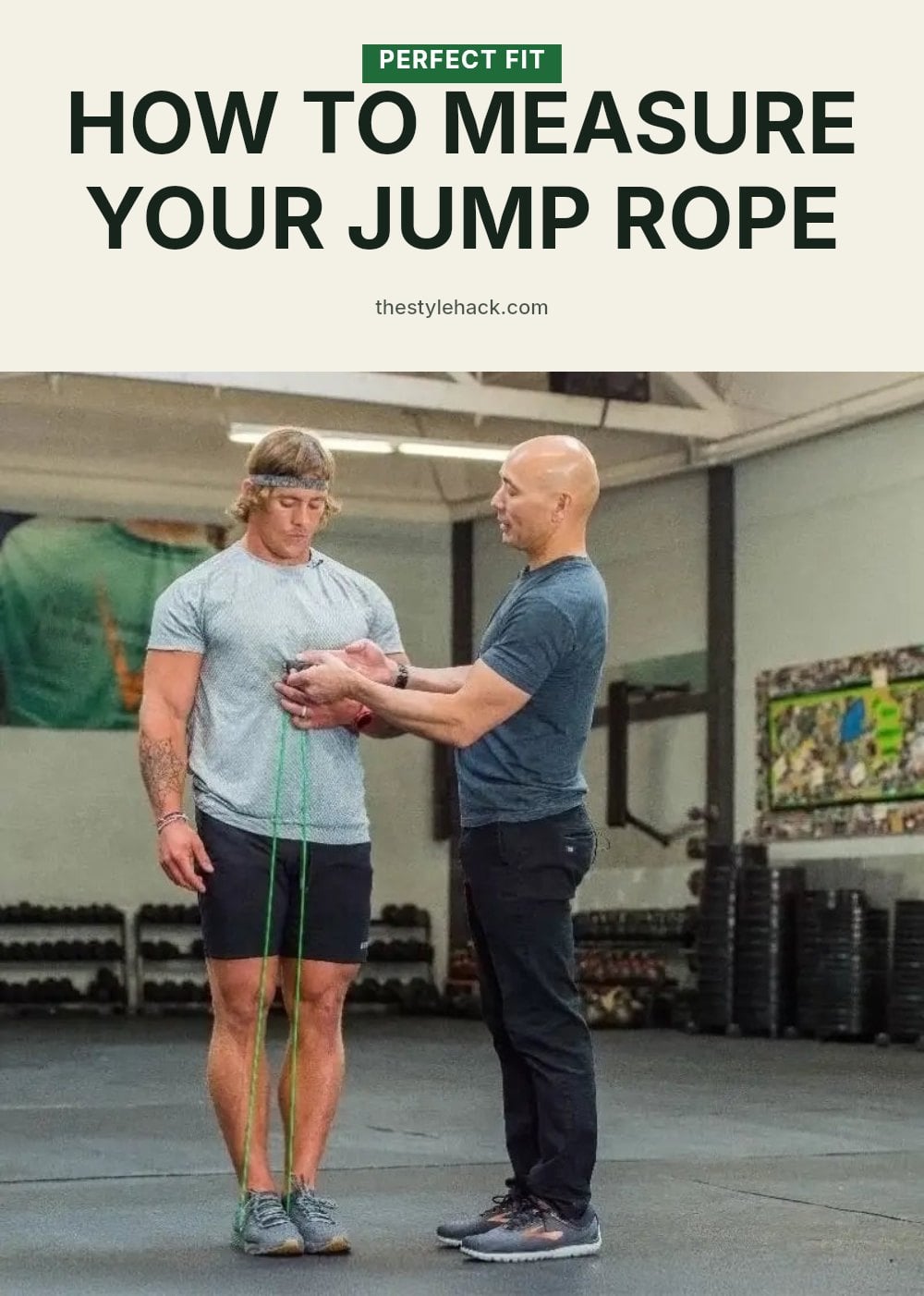
To find your perfect rope length, stand on the middle of the rope and pull the handles straight up. They should reach your armpits. A rope that is too long will drag and trip you; one that is too short forces you to hunch. My tip: Most ropes are adjustable, so take the time to size yours before your first jump.
8. 7. Master Proper Form and Technique
Keep your elbows close to your sides and turn the rope with your wrists, not your whole arms. Jump just 1-2 inches off the ground, enough for the rope to pass under your feet. Look straight ahead, not down, and maintain a tall spine so your form stays efficient and your joints stay safe.
9. 8. Warm Up and Cool Down Properly
Start each jump rope session with 3-5 minutes of light cardio, like marching in place or arm circles. Follow with dynamic stretches such as leg swings and torso twists to activate your muscles and increase blood flow. After your workout, cool down with static stretches, holding each for 15-30 seconds to improve flexibility and reduce soreness.
10. 9. Incorporate Weighted Ropes for Intensity
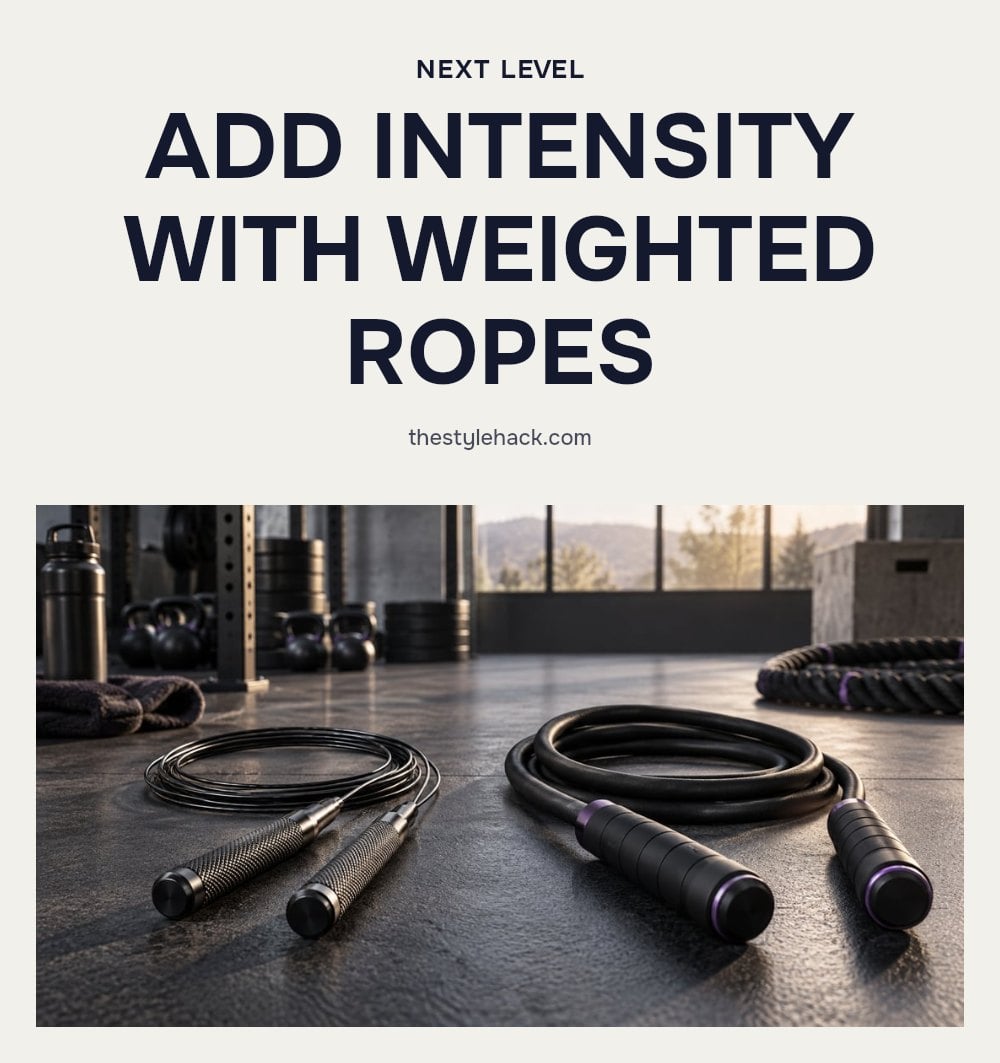
A weighted jump rope adds resistance, making your arms, shoulders, and core work harder with every turn. This increases calorie burn and builds upper body strength beyond what a standard rope provides. My tip: Start with a lighter weighted rope (around 1/4 pound) and gradually increase as you get stronger to avoid strain.
11. 10. Integrate into HIIT Workouts
Jump rope fits perfectly into HIIT workouts. Try 30 seconds of fast jumping followed by 30 seconds of rest, repeating for 10-15 minutes. This pattern spikes your heart rate, burns calories efficiently, and improves stamina faster than steady-state cardio alone.
12. 11. Listen to Your Body and Rest
Aim for 3-5 jump rope sessions per week, allowing at least one rest day between to let your muscles recover. If you feel sharp pain in your joints or any dizziness, stop immediately and consult a professional. Consistency matters, but pushing through pain can lead to overuse injuries.
13. When to Consult a Professional
Before you start jumping rope, it’s wise to talk with your doctor, especially if you have any pre-existing health conditions or joint concerns. During your workout, stop immediately and seek medical advice if you feel sharp pain in your joints, chest pain, or dizziness. If you experience persistent discomfort or struggle with form, a physical therapist can assess your technique and give you personalized guidance.
14. Frequently Asked Questions
15. How long should a beginner jump rope?
If you’re new to jumping rope, begin with short sessions of 1-2 minutes at a time, followed by equal rest. Aim for a total of 5-10 minutes per session, 3 times a week, and gradually increase as your endurance improves. Consistency matters more than duration.
16. Is jump rope better than running for cardio?
Both are excellent cardio exercises, but jump rope can be more time-efficient. A 10-minute jump rope session may burn calories comparable to a 30-minute jog, making it a great option for busy schedules. The best choice depends on your preference and any joint concerns.
17. Can jumping rope help with weight loss?
Yes, jumping rope can support weight loss when combined with a balanced diet. It burns a significant number of calories, often comparable to running, and can be easily incorporated into HIIT workouts to boost calorie burn. Consistency is key for seeing results.
18. What kind of shoes are best for jumping rope?
Wear supportive athletic shoes with good cushioning and lateral stability. Running shoes work well for many people, but cross-training shoes may offer better side support. Avoid flat-soled shoes or sandals, as they don’t provide enough shock absorption.
19. How often should I jump rope for results?
For noticeable improvements in stamina and coordination, aim for 3-5 sessions per week. Allow at least one rest day between sessions to let your muscles recover and prevent overuse injuries. Consistency over several weeks is more important than intensity.
20. Final Thoughts
For the best results, start with a rope that fits you well and focus on mastering the basic bounce before adding speed or tricks. Expect to notice improvements in stamina and coordination within a few weeks if you stay consistent with 3-5 sessions per week. Remember to warm up, cool down, and listen to your body so you can keep jumping for years to come.
This article is for general information only and is not a substitute for professional medical or fitness advice. Always consult a doctor before starting a new exercise program, especially if you have health conditions or joint issues. Stop exercising and seek medical attention if you experience pain, dizziness, or chest discomfort.
More Blog ideas
- How to Heal Chapped Lips Overnight with Simple Steps
- Atomic Habits: 5 Lessons to Build Better Habits
- Hyaluronic Acid for Beginners
- How to Build a Gentle Skincare Routine for Sensitive Skin
- Beat Frizzy Hair: Easy Remedies for Smooth, Shiny Strands
- How to Increase Your Daily Drinking Water Intake
- Washing Hair Mistakes to Avoid and What to Do Instead
- Bleaching Hair Tips for Less Damage
- How to Make Your Body Mist Last Longer All Day
- How to Fix Your Skincare Routine
- Nervous System Regulation Tips
- Vagus Nerve Exercises for Stress Relief






