Keto Diet Made Easy: Your Step-by-Step Guide for Beginners
Starting the keto diet? Learn how to begin, what to eat, and common mistakes to avoid with this easy-to-follow beginner's guide.

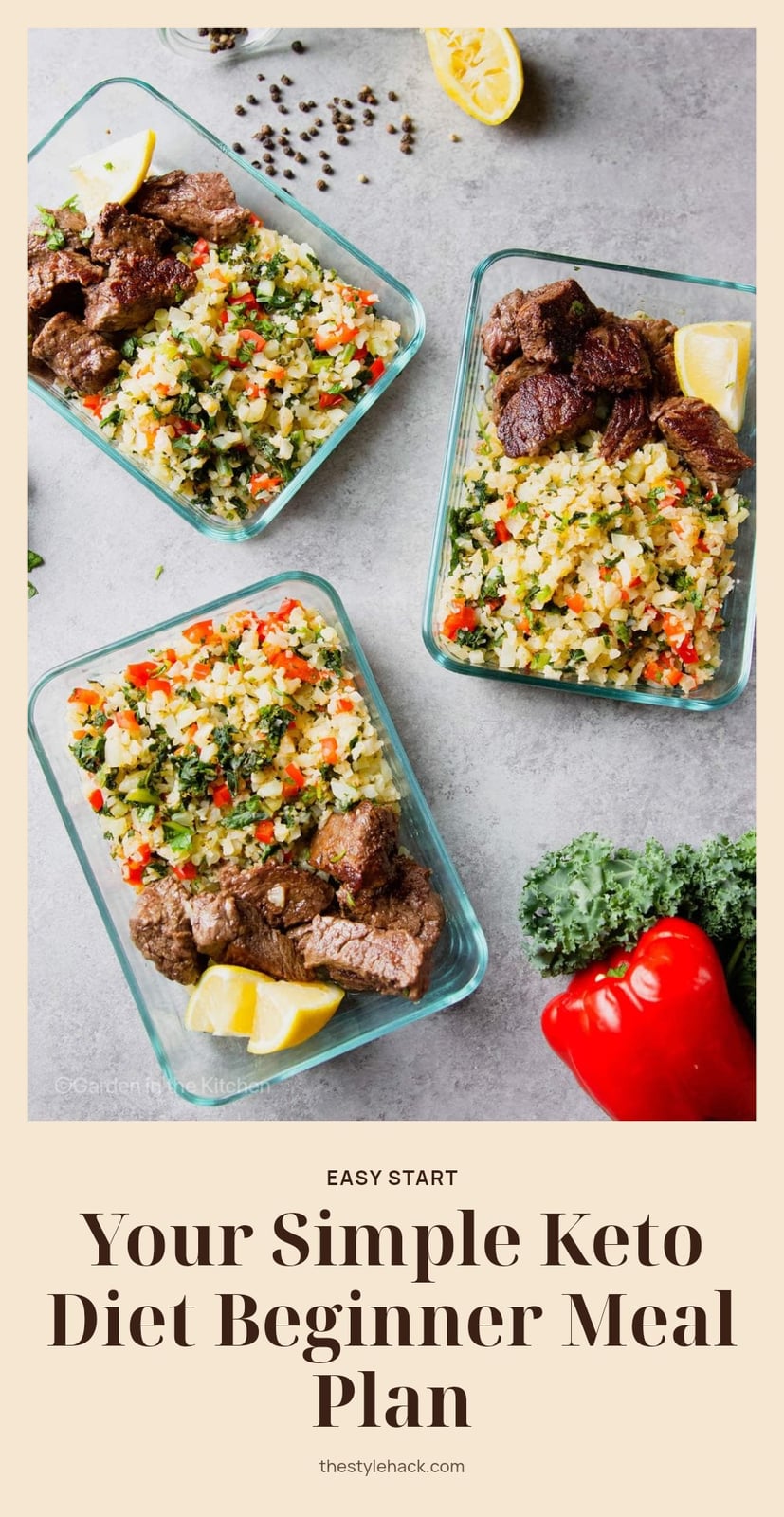
You’ve heard about the keto diet and how it can help with weight loss or managing certain health conditions, but the idea of cutting carbs and eating mostly fat can feel overwhelming. I get it, starting a new way of eating is a big step, and you want to do it right. This guide walks you through exactly what to expect, from the science behind ketosis to practical steps for your first week, so you can start with confidence.
Key Takeaways
- Limit carbs to under 50 grams daily, aiming for 20-30 grams for strict ketosis.
- Focus on healthy fats like avocado, olive oil, and nuts, plus non-starchy vegetables.
- Plan meals and track macros with a food scale and app to stay on target.
- Drink plenty of water and supplement electrolytes to ease the ‘keto flu’ transition.
- Consult a healthcare professional before starting, especially if you have a medical condition.
1. What Is the Keto Diet and How Does It Work?
The keto diet is a very low-carb, high-fat eating plan designed to shift your body’s metabolism into a state called ketosis. In ketosis, your body burns fat for fuel instead of carbohydrates, producing ketones as an alternative energy source. This approach involves drastically reducing carbohydrate intake, typically to less than 50 grams per day, and replacing it with healthy fats and moderate protein. By limiting carbs, you force your body to rely on fat for energy, which many people find effective for weight loss.
2. Essential Tools and Resources for Starting Keto
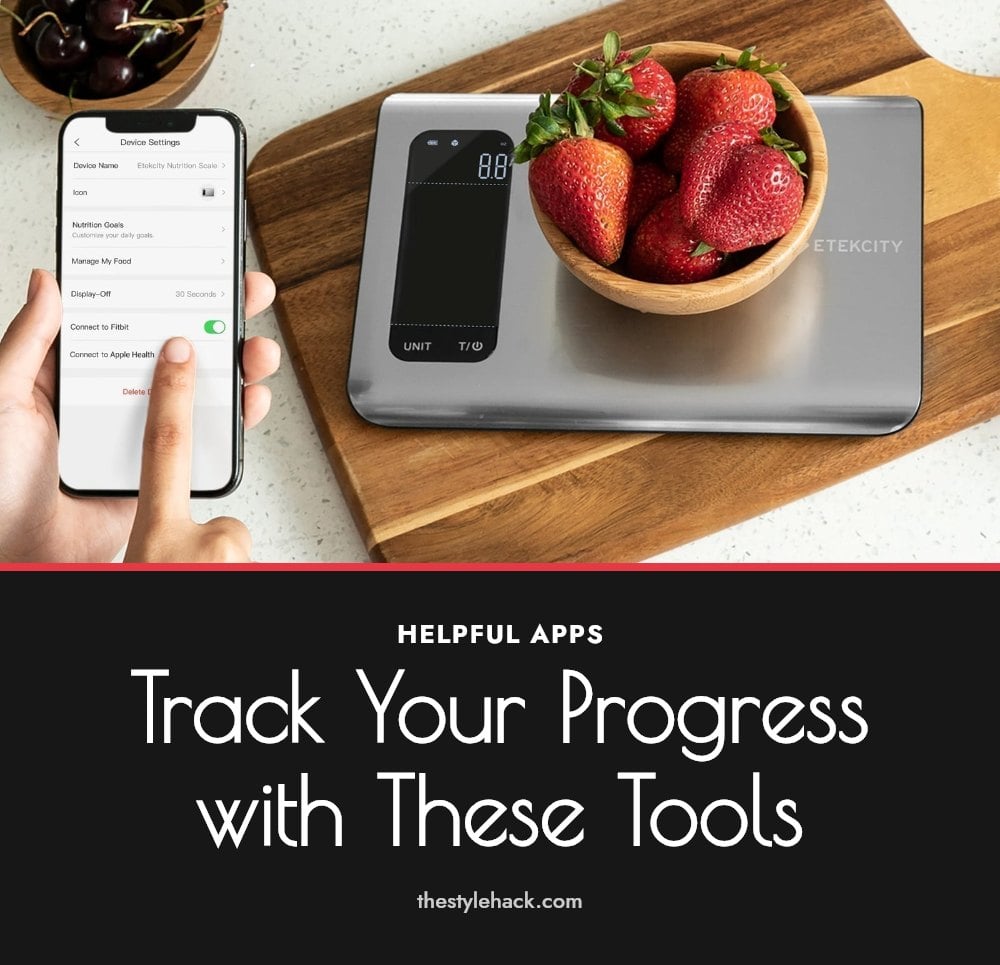
Before you start, gather a few basic tools to make tracking easier. A food scale helps with accurate portion control, especially for fats and proteins. Measuring cups and spoons are crucial for tracking ingredients. A food tracking app can help monitor macronutrient intake and ensure you stay within your carb limits. Electrolyte supplements (magnesium, potassium, sodium) are often needed to prevent ‘keto flu’ symptoms. Urine ketone strips or a blood ketone meter can optionally help you monitor ketone levels.
- Food scale: For precise portions.
- Measuring cups and spoons: For recipe accuracy.
- Food tracking app: To log macros.
- Electrolyte supplements: To avoid deficiency.
- Ketone strips or meter: To verify ketosis.
3. Your Step-by-Step Plan to Start the Keto Diet
Starting keto doesn’t have to be overwhelming. Follow these steps to transition smoothly.
- Educate yourself: Learn the macronutrient ratios (70-75% fat, 20-25% protein, 5-10% carbs) and identify keto-friendly foods like avocados, olive oil, eggs, and leafy greens.
- Reduce carbs gradually: Over a few days, lower your carb intake to under 50 grams per day. This eases your body into ketosis and lessens side effects.
- Increase healthy fats: Add fats to every meal to ensure satiety and provide fuel. Use olive oil for cooking, add nuts as snacks, and include fatty fish.
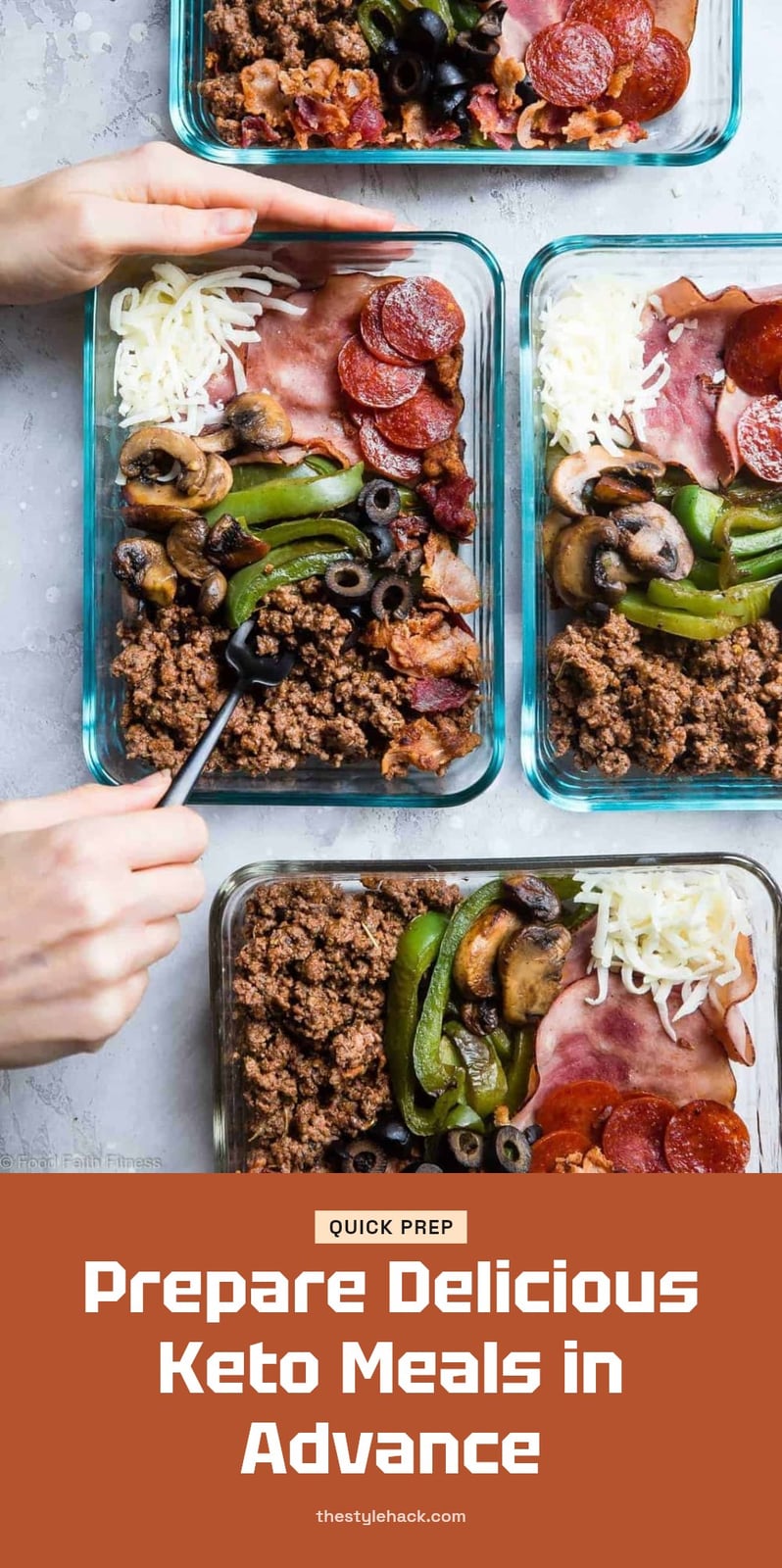
- Plan your meals: Map out a week of meals to stay on track and avoid carb creep. Prep ingredients in advance so compliant options are always ready.
- Stay hydrated: Drink plenty of water throughout the day. Consider electrolyte supplements, especially in the first week, to prevent keto flu.
- Monitor and adjust: Track your food intake and note how you feel. If you’re tired or hungry, adjust your fat intake or check your carb count.
4. Understanding Macronutrients on a Ketogenic Diet
5. Macronutrient Breakdown
The ketogenic diet shifts your body’s primary fuel source from carbohydrates to fat, requiring a specific macronutrient distribution. Typically, this means aiming for approximately 70-75% of your daily calories from fat, 20-25% from protein, and a very strict 5-10% from carbohydrates. To achieve ketosis, carbohydrate intake is generally restricted to under 50 grams per day, and often under 20-30 grams for stricter adherence.
6. Foods to Focus On
- Healthy fats: Avocados, olive oil, nuts, seeds.
- Non-starchy vegetables: Leafy greens, broccoli, cauliflower.
- Moderate protein: Meat, fish, eggs.
7. Foods to Avoid
- Grains and sugar: Bread, pasta, sweets.
- Most fruits: Bananas, apples, oranges.
- Starchy vegetables: Potatoes, corn.
- Legumes: Beans, lentils.
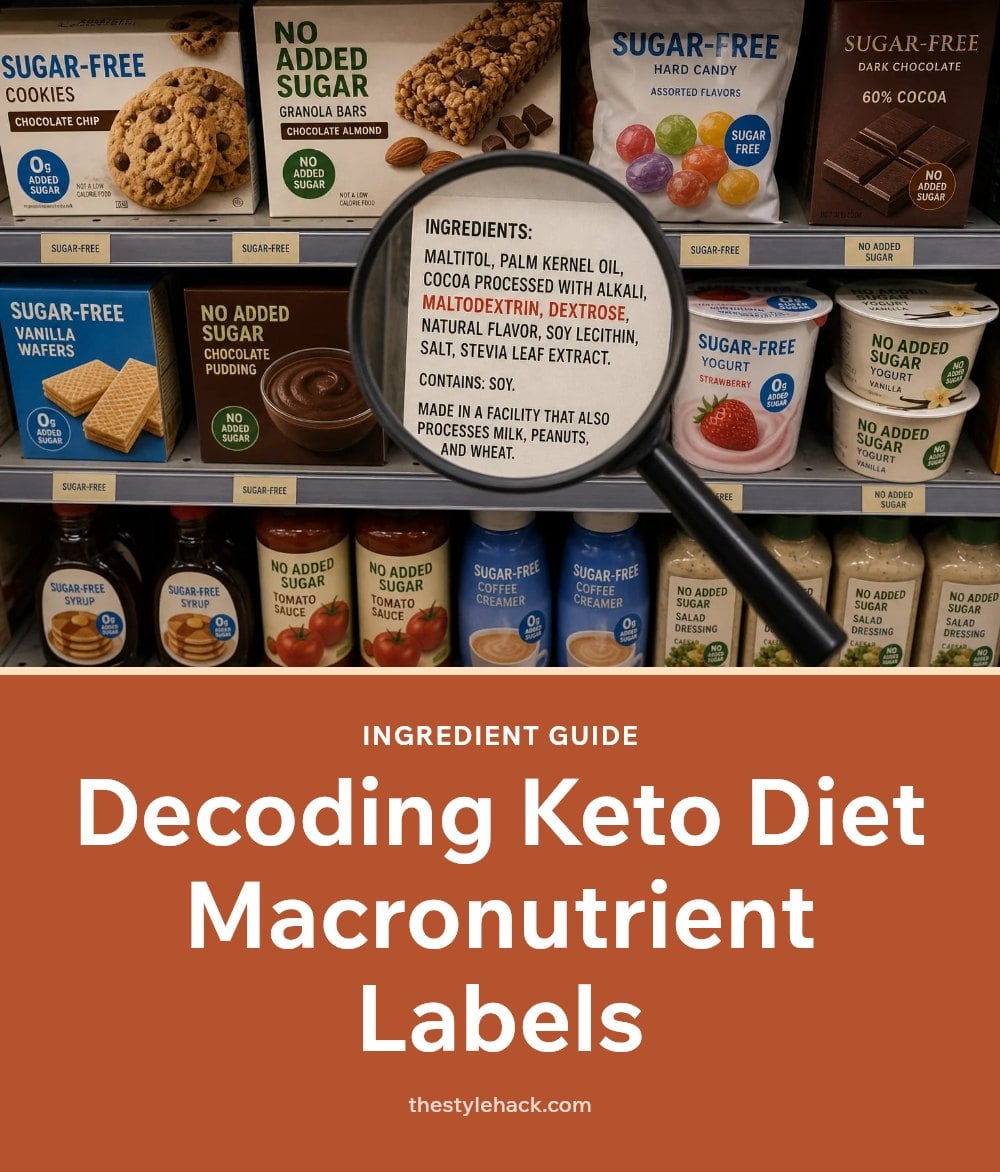
My tip: Don’t forget to read food labels carefully to identify hidden carbohydrates and sugars that can quickly add up and kick you out of ketosis.
8. Common Keto Mistakes to Avoid for Success
One of the biggest slip-ups is not eating enough fat. If you cut carbs without bumping up your fat intake, your body won’t have the fuel it needs to enter or stay in ketosis, leaving you hungry and fatigued. On the flip side, eating too much protein can backfire. Excess protein can be converted into glucose through gluconeogenesis, which may kick you out of ketosis.
Hidden carbohydrates are another trap. Sauces, dressings, condiments, and even some “keto-friendly” packaged foods can sneak in carbs. Tip: Always read labels carefully to spot added sugars and starches. Not replenishing electrolytes is a major cause of the dreaded keto flu. When you cut carbs, your body sheds extra water and electrolytes, so supplementing with sodium, potassium, and magnesium is key. Finally, failing to track your food intake at the start makes it hard to know your portion sizes and stay within your carb limit. A food tracking app can help you stay on target.
9. Expert Tips for a Smooth Keto Transition

Focus on whole, unprocessed foods like healthy fats, non-starchy vegetables, and quality protein. Relying on heavily processed “keto-friendly” products can lead to hidden carbs and unhealthy ingredients. Plan your meals in advance so you always have compliant options on hand and avoid impulsive high-carb choices.
Stay well-hydrated throughout the day, since cutting carbs increases water excretion. My tip: Keep a water bottle nearby and sip regularly. Listen to your body during the adaptation phase. If you feel off, adjust your electrolyte intake or food choices. Include fiber from non-starchy vegetables like leafy greens and broccoli to support digestive health and get essential micronutrients without adding significant carbs.
10. When to Consult a Healthcare Professional
Before starting the keto diet, talk to a healthcare professional, especially if you have underlying conditions like diabetes, kidney disease, or heart issues. If you take medication for blood pressure or blood sugar, dosages may need adjustment on a very low-carb diet. Seek medical advice if you experience severe or persistent side effects such as extreme fatigue, dizziness, or digestive problems.
Pregnant or breastfeeding women should not attempt the keto diet without strict medical supervision. A professional can help determine if the diet is appropriate for your individual health needs and discuss potential long-term implications.
11. Frequently Asked Questions
12. How long does it take to enter ketosis?
It typically takes 2 to 7 days for your body to enter ketosis, though full adaptation may take several weeks. Factors like your starting diet, activity level, and how strictly you limit carbs affect the timeline. Urine strips or blood meters can help you confirm when you’ve reached ketosis.
13. Can I eat fruit on a keto diet?
Most fruits are high in carbs and can knock you out of ketosis, so they are generally limited. Small portions of berries like raspberries or blackberries can fit if you track them carefully, but avoid bananas, apples, and grapes. Stick to non-starchy vegetables for most of your produce.
14. What is the ‘keto flu’ and how can I avoid it?
The ‘keto flu’ is a set of symptoms like headache, fatigue, and nausea that can occur when your body adapts to burning fat. To reduce it, stay hydrated, increase your intake of electrolytes (sodium, potassium, magnesium), and ease into the diet by gradually lowering carbs over a few days.
15. Is the keto diet safe for everyone?
No, the keto diet is not safe for everyone. It is not recommended for individuals with pancreatitis, liver failure, or fat metabolism disorders. Pregnant or breastfeeding women should only attempt it under strict medical supervision, and those with type 1 diabetes should not try it without close monitoring due to the risk of ketoacidosis.
16. How do I know if I’m in ketosis?
You can monitor ketone levels using urine strips, a blood meter, or a breath analyzer. Many people also notice physical signs like increased energy, reduced appetite, and a fruity smell on their breath. For the most accurate measure, a blood meter is recommended, but urine strips are a good starting point.
17. Final Thoughts
My tip: start by gradually reducing carbs over a few days rather than cutting them all at once. It makes the transition smoother and helps you stick with it. Expect to feel some fatigue or headaches during the first week, but that usually passes as your body adapts. Remember, keto is a tool, not a quick fix, so give yourself grace and focus on whole foods for lasting results.
This article provides general information about the ketogenic diet and is not a substitute for professional medical advice. Dietary changes can affect individuals differently, especially those with underlying health conditions. Always consult a doctor or registered dietitian before starting a new eating plan, particularly if you are on medication or managing a medical condition.
More Blog ideas
- How to Heal Chapped Lips Overnight with Simple Steps
- Atomic Habits: 5 Lessons to Build Better Habits
- Hyaluronic Acid for Beginners
- How to Build a Gentle Skincare Routine for Sensitive Skin
- Beat Frizzy Hair: Easy Remedies for Smooth, Shiny Strands
- How to Increase Your Daily Drinking Water Intake
- Washing Hair Mistakes to Avoid and What to Do Instead
- Bleaching Hair Tips for Less Damage
- How to Make Your Body Mist Last Longer All Day
- How to Fix Your Skincare Routine
- Nervous System Regulation Tips
- Vagus Nerve Exercises for Stress Relief






