Laser Hair Removal Guide: Prep, Aftercare, and What to Expect
Considering laser hair removal? Learn how to prepare, what to expect during and after treatment, and how to maximize your results for smoother skin.

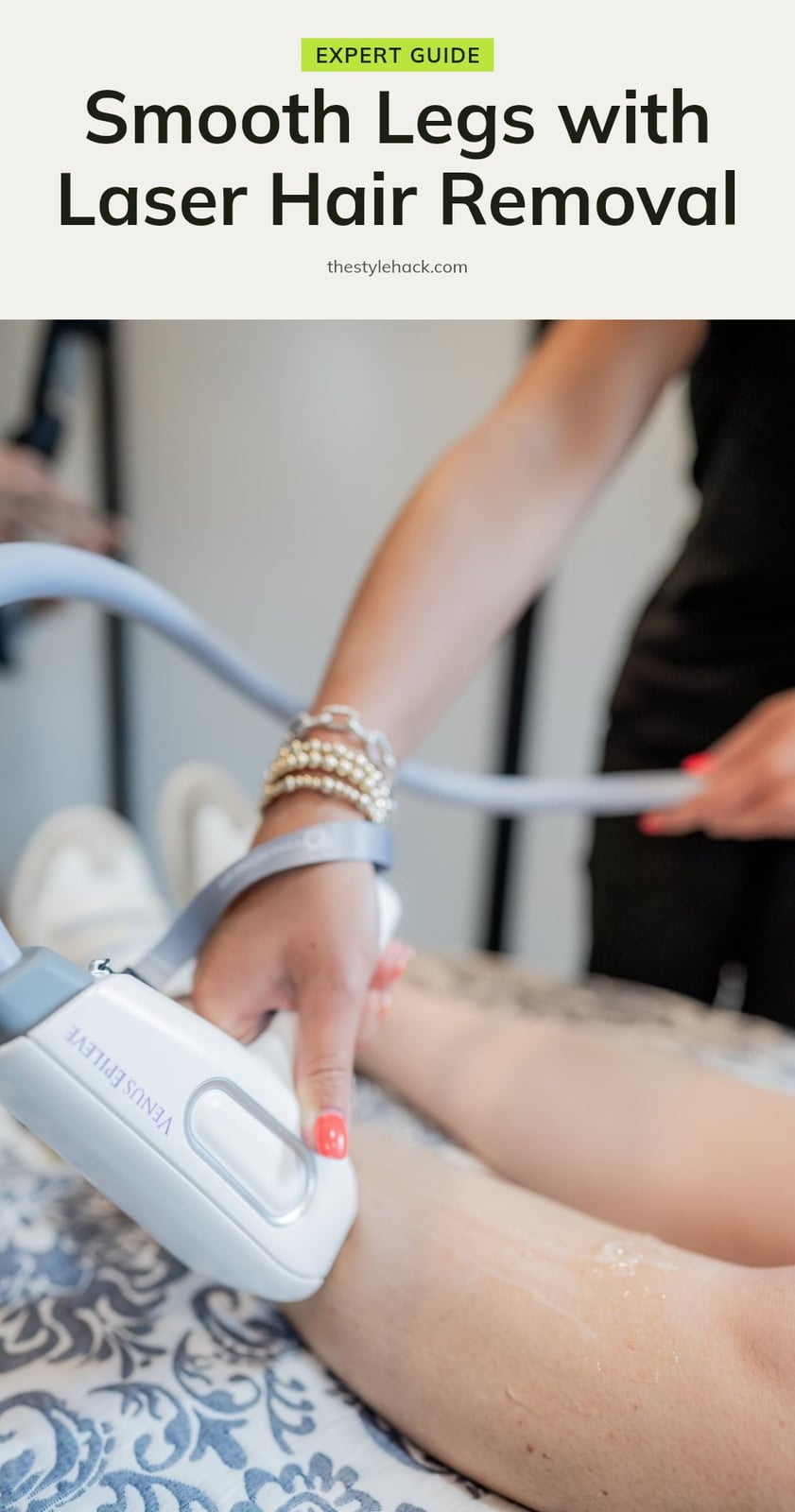
If you are tired of the endless cycle of shaving, waxing, and plucking, laser hair removal might be the long-term solution you have been looking for. This guide walks you through everything you need to know, from prepping your skin before each session to what you can expect during and after treatment. I will also cover common mistakes to avoid and how to handle any side effects that may pop up.
Key Takeaways
- Shave the treatment area 24 hours before your appointment.
- Protect skin from sun exposure and use SPF 30+ daily.
- Expect 6-8 sessions, spaced 4-6 weeks apart, for significant reduction.
- Avoid waxing, plucking, or threading for 4-6 weeks before treatment.
- Skip hot water, saunas, and strenuous exercise for 24-48 hours after.
1. What Is Laser Hair Removal and How Does It Work?
Laser hair removal sends a concentrated beam of light into your skin. That light is absorbed by the pigment in your hair follicles, which converts it into heat. The heat damages the follicle and slows down future hair growth. It is a long-term reduction method, not a permanent removal. Because hair grows in cycles and the laser only works on follicles in their active phase, you need multiple sessions spaced weeks apart to catch as many hairs as possible.
2. Your Laser Hair Removal Prep Kit
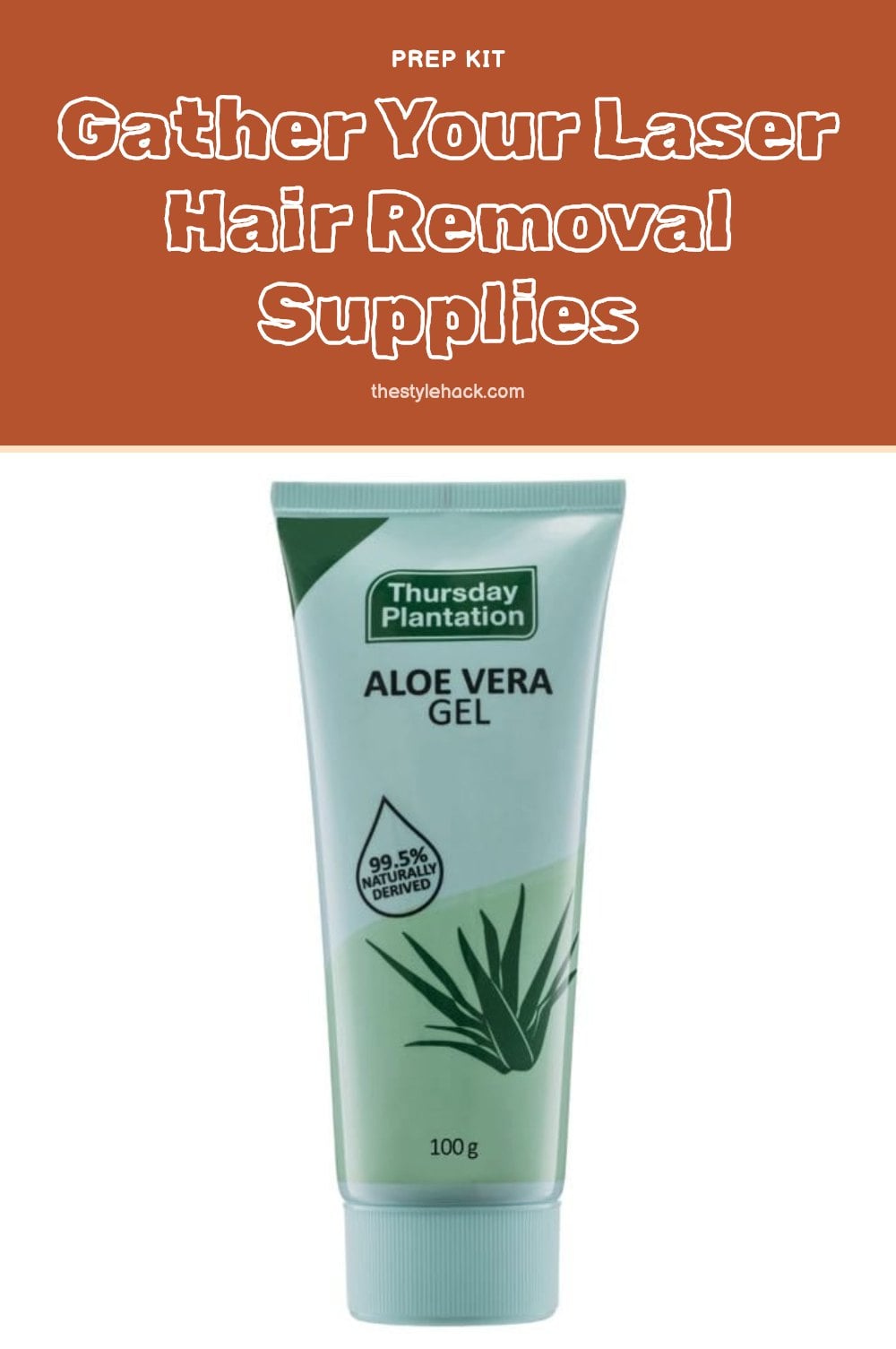
Before your appointment, gather a few items to make prep and recovery smooth.
- Shaving razor: You need to shave the area 24 hours before treatment.
- Broad-spectrum sunscreen SPF 30+: Use it daily on any treated skin that sees the sun.
- Aloe vera gel or cool compress: Both help soothe redness and irritation right after the session.
3. Preparing for Your Laser Hair Removal Appointment

What you do in the days and weeks before your appointment directly affects how well the laser works and how your skin reacts.
- Shave the treatment area: Do this 24 hours before your session. Shaving leaves the hair shaft intact above the skin so the laser can reach the follicle, but it removes the surface hair that could burn. Do not wax, pluck, or thread for at least four to six weeks before treatment.
- Avoid sun exposure: Stay out of the sun for several weeks before your appointment. A tan or sunburn increases the risk of pigmentation changes and burns. If you go outside, apply a broad-spectrum sunscreen with SPF 30 or higher every day.
- Skip self-tanners and harsh treatments: Do not use self-tanning products on the area. Also avoid chemical peels, retinoids, and other harsh skin treatments for at least one week before your session. These can make your skin more sensitive and increase the chance of side effects.
4. What Happens During Your Laser Hair Removal Session?

Once you are in the treatment room, the technician will hand you protective eyewear and put on their own. This is mandatory to shield your eyes from the intense light. Then they use a handheld device that delivers quick pulses of laser light to your skin. You will feel a sensation many people describe as a rubber band snapping against the skin. Some areas are more sensitive than others, but each pulse lasts only a fraction of a second.
5. During the session
- The technician may apply a cooling gel or use a device with a cooling tip to reduce discomfort.
- They will methodically cover the entire treatment area, adjusting the laser settings for your skin tone and hair color.
- A small area like the upper lip takes minutes, while larger areas like the legs can take up to an hour.
6. Essential Aftercare for Laser Hair Removal

After your session, treat the area like a mild sunburn. Keep it clean with gentle cleanser and pat it dry, then apply a fragrance-free moisturizer to soothe the skin.
If you notice redness or irritation, a cool compress or a thin layer of aloe vera gel works well. Apply it for 10-15 minutes as needed.
Protect the treated skin from sun exposure. Use broad-spectrum sunscreen SPF 30+ daily, even if the area is covered, and avoid direct sun for at least a week.
Skip hot showers, saunas, and strenuous exercise for 24-48 hours. Heat and sweat can irritate freshly treated follicles.
Do not pick, scratch, or exfoliate the area. Let any shed hairs fall out naturally, usually within 1-2 weeks.
7. Common Laser Hair Removal Mistakes to Avoid
Several common mistakes can compromise your results or cause skin issues. Here is what to avoid.
- Not shaving before treatment: Long hair absorbs laser energy on the surface, which can lead to burns and uneven results.
- Sun exposure: Tanned or sunburned skin increases the risk of hyperpigmentation or hypopigmentation after laser.
- Missing appointments: Laser targets hair in the active growth phase, and skipping sessions disrupts the cycle, leaving some follicles untreated.
- Waxing or plucking between sessions: These methods remove the entire follicle, leaving nothing for the laser to target.
- Not disclosing medical conditions: Certain medications and skin conditions can cause adverse reactions, so always be upfront with your technician.
8. Laser Hair Removal Timeline and What to Expect
Results build gradually. You may notice initial changes after 2-3 sessions, with significant reduction typically seen after 6-8 sessions.
Sessions are spaced 4-6 weeks apart to catch hair in its active growth phase. This interval varies by body area.
After your initial series, maintenance treatments may be needed about once a year to manage new growth. Hormonal changes can also trigger regrowth.
Cost varies widely based on the treatment area, clinic, and location. Smaller areas like the upper lip cost less than larger ones like legs or back. Many clinics offer package deals for multiple sessions.
9. When to Consult a Professional About Side Effects
Most side effects are mild and temporary. Redness, swelling, and itching usually fade within a few hours to days.
Seek medical attention if you experience severe pain, persistent blistering, or crusting that does not improve. These may indicate a complication that needs professional care.
Consult a doctor promptly if you notice signs of infection, such as increasing redness, warmth, pus, or fever.
For any unusual or prolonged skin reactions, including changes in pigmentation that last more than a few weeks, discuss them with your technician or a dermatologist. They can assess whether further treatment is safe.
10. Frequently Asked Questions
11. Is laser hair removal truly permanent?
No, laser hair removal is not truly permanent. It is best described as long-term hair reduction. The laser damages hair follicles to slow growth, but some hair may eventually regrow, especially if hormone levels change. Many people opt for maintenance treatments, such as once a year, to keep new growth at bay.
12. How many laser hair removal sessions will I need?
Most people need 6 to 8 sessions to achieve significant reduction. The exact number can vary based on your hair type, skin type, and the area being treated. Sessions are spaced 4 to 6 weeks apart to target hair in its active growth phase. Your technician can give you a more personalized estimate.
13. Can I get laser hair removal if I have dark skin?
Yes. Newer laser technologies, such as Nd:YAG, are safer and more effective for darker skin tones. However, results may vary, and it is crucial to choose a qualified professional with experience treating darker skin. They can adjust the laser settings to minimize risks like pigmentation changes.
14. What should I do if I miss a laser hair removal appointment?
If you miss a session, schedule a new one as soon as possible. The timing between sessions matters because it aligns with your hair growth cycle. Missing appointments can disrupt this cycle, so you may need extra sessions to catch hair in its active phase. Your technician can advise you on the best way to get back on track.
15. Does laser hair removal work on all hair colors?
Laser hair removal targets melanin, the pigment in hair. It works best on dark hair against lighter skin. Light hair colors like blonde, red, or gray may not respond well because they contain less melanin. If you have light hair, discuss your options with a professional, as they may suggest alternative methods.
16. Final Thoughts
Laser hair removal offers a real path to smoother skin, but it requires commitment. Stick to the prep and aftercare rules, and attend all your scheduled sessions. Expect to see noticeable changes after 2-3 sessions and significant reduction after completing 6-8 sessions. Maintenance treatments, maybe once a year, can help keep new growth in check. If you follow the plan, you can enjoy long-lasting results and fewer daily hair removal chores.
This article is for general information only and is not a substitute for professional medical advice. Laser hair removal may not be suitable for everyone, and results can vary. Always consult a qualified dermatologist or licensed practitioner to discuss your specific situation, especially if you are pregnant, have a medical condition, or are taking photosensitizing medications.
More Blog ideas
- How to Heal Chapped Lips Overnight with Simple Steps
- Atomic Habits: 5 Lessons to Build Better Habits
- Hyaluronic Acid for Beginners
- How to Build a Gentle Skincare Routine for Sensitive Skin
- Beat Frizzy Hair: Easy Remedies for Smooth, Shiny Strands
- How to Increase Your Daily Drinking Water Intake
- Washing Hair Mistakes to Avoid and What to Do Instead
- Bleaching Hair Tips for Less Damage
- How to Make Your Body Mist Last Longer All Day
- How to Fix Your Skincare Routine
- Nervous System Regulation Tips
- Vagus Nerve Exercises for Stress Relief






