The Easy Lip Care Guide for Smooth, Healthy Lips at Home
Transform your chapped lips with an easy lip care routine. Learn how to exfoliate, hydrate, and protect for soft, healthy lips at home.

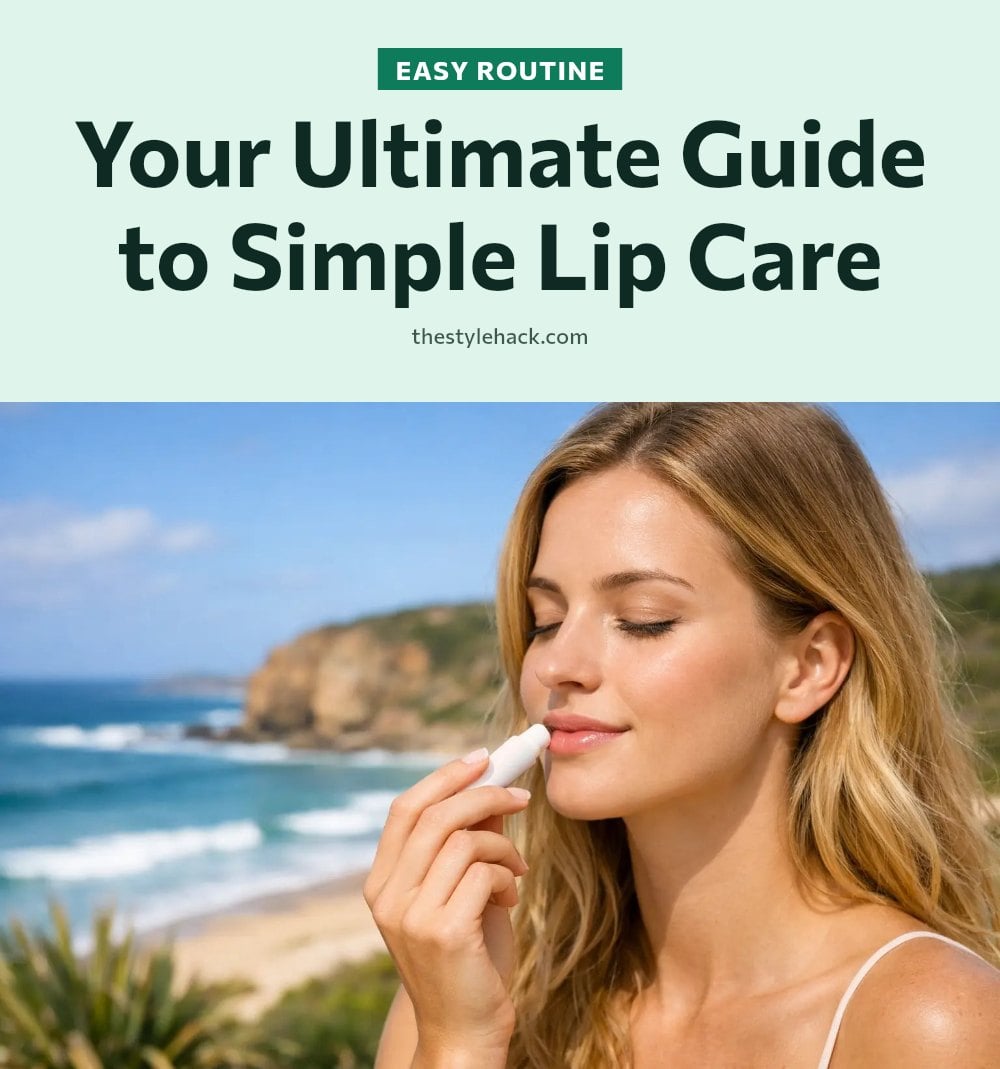
Dry, chapped lips can be uncomfortable and hard to ignore, but getting them soft and smooth doesn’t have to be complicated. In this article, I’ll walk you through the simple routine that works for me: gentle exfoliation, consistent hydration, and protection from the elements. You’ll learn exactly what to do, what to avoid, and how to build a lip care habit that actually delivers results.
Whether you’re dealing with winter dryness or just want to keep your lips healthy year-round, these tips are based on how lip skin actually works, thin, delicate, and lacking its own oil glands. My tip: start with the right tools and stick with it for a few days; you’ll see a real difference.
Key Takeaways
- Exfoliate lips gently 1-2 times a week to remove dead skin and improve product absorption.
- Apply a lip balm with SPF 30 or higher every day, even when it’s cloudy.
- Drink enough water throughout the day to support lip hydration from the inside out.
- Never lick your lips or pick at dry skin; both make chapping worse.
- Use a humidifier in dry indoor spaces to help prevent lips from drying out.
1. Achieving Smooth, Healthy Lips: Your Quick Guide
Consistent lip care comes down to three actions: gentle exfoliation, deep hydration, and protection from the elements. A simple daily routine that focuses on nourishing ingredients and avoids common irritants is all you need for soft, comfortable lips. Regular application of an emollient balm plus staying hydrated from within will keep your lip texture smooth and healthy.
2. Why Your Lips Get Dry and Chapped
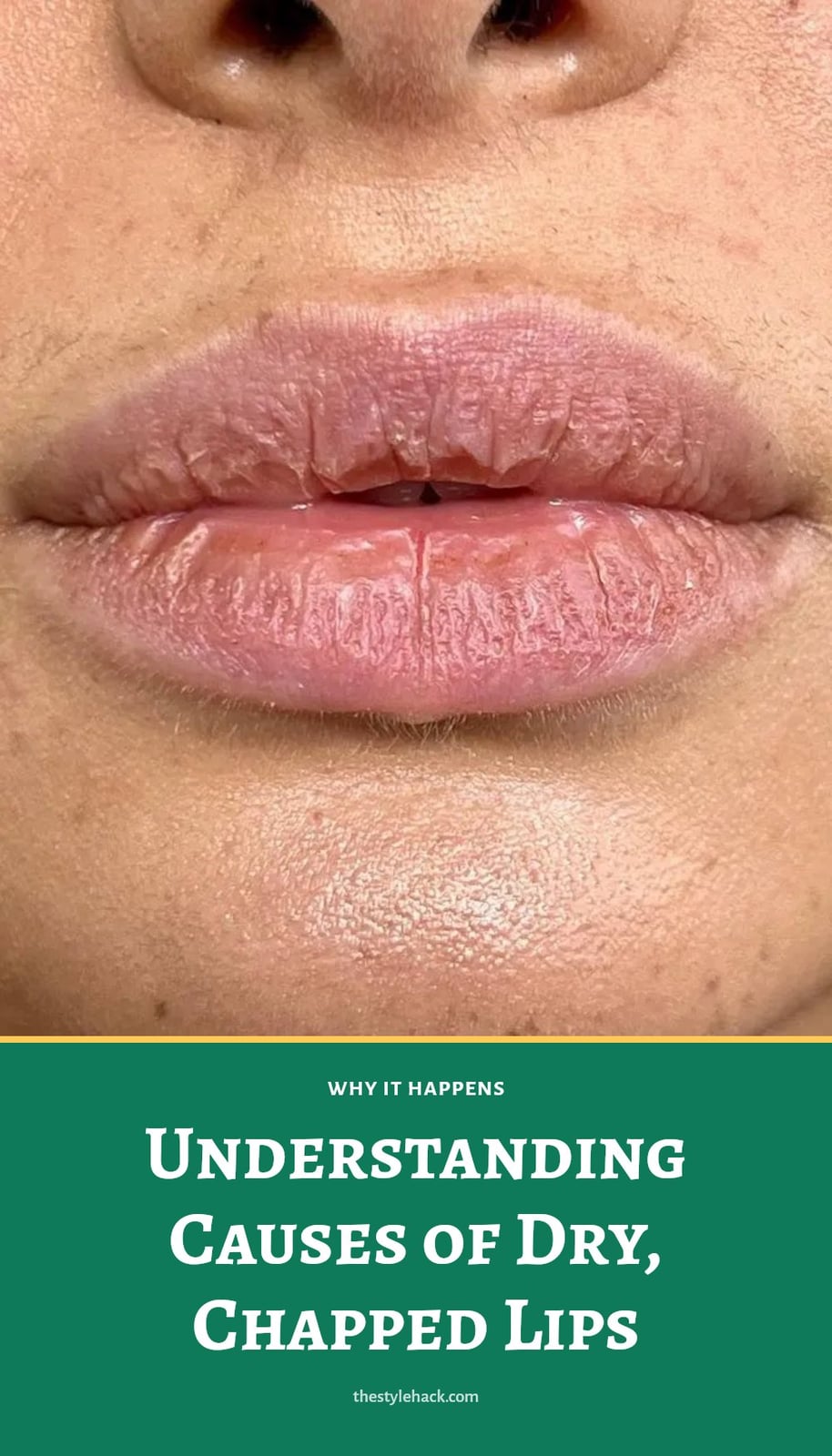
Your lips are built differently from the rest of your face. The skin is thinner and lacks sebaceous glands, so it can’t produce its own moisturizing oils. Without melanin, lips also have no natural protection against UV rays, making sun damage a real risk.
3. External triggers
- Dehydration: Not drinking enough water dries out your lips from the inside.
- Weather: Cold air, wind, and dry indoor heating strip moisture away.
- Irritating ingredients: Camphor and menthol may feel cooling at first but can worsen dryness over time.
4. Your Essential Lip Care Toolkit
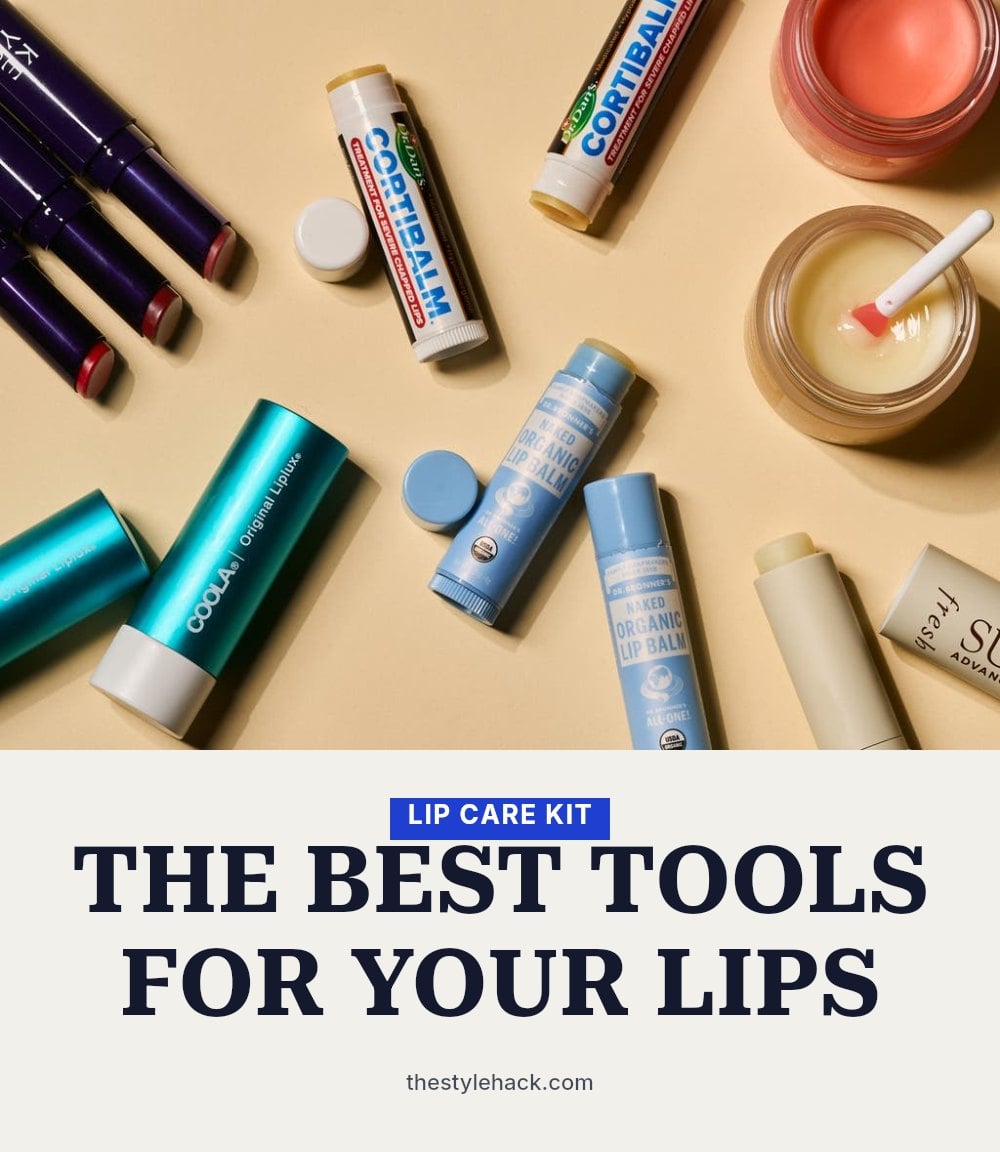
Stock your lip care drawer with these essentials:
- Lip balm with SPF 30+: Non-negotiable for daily sun protection.
- Hydrating lip mask or overnight treatment: Delivers intense moisture while you sleep.
- Gentle sugar-based lip scrub: Removes dead skin without irritation.
- Soft toothbrush: A backup for very gentle exfoliation.
- Humidifier: Fights dry indoor air that zaps lip moisture.
- Reusable water bottle: Keeps you sipping all day for internal hydration.
5. Your Daily Routine for Soft, Hydrated Lips
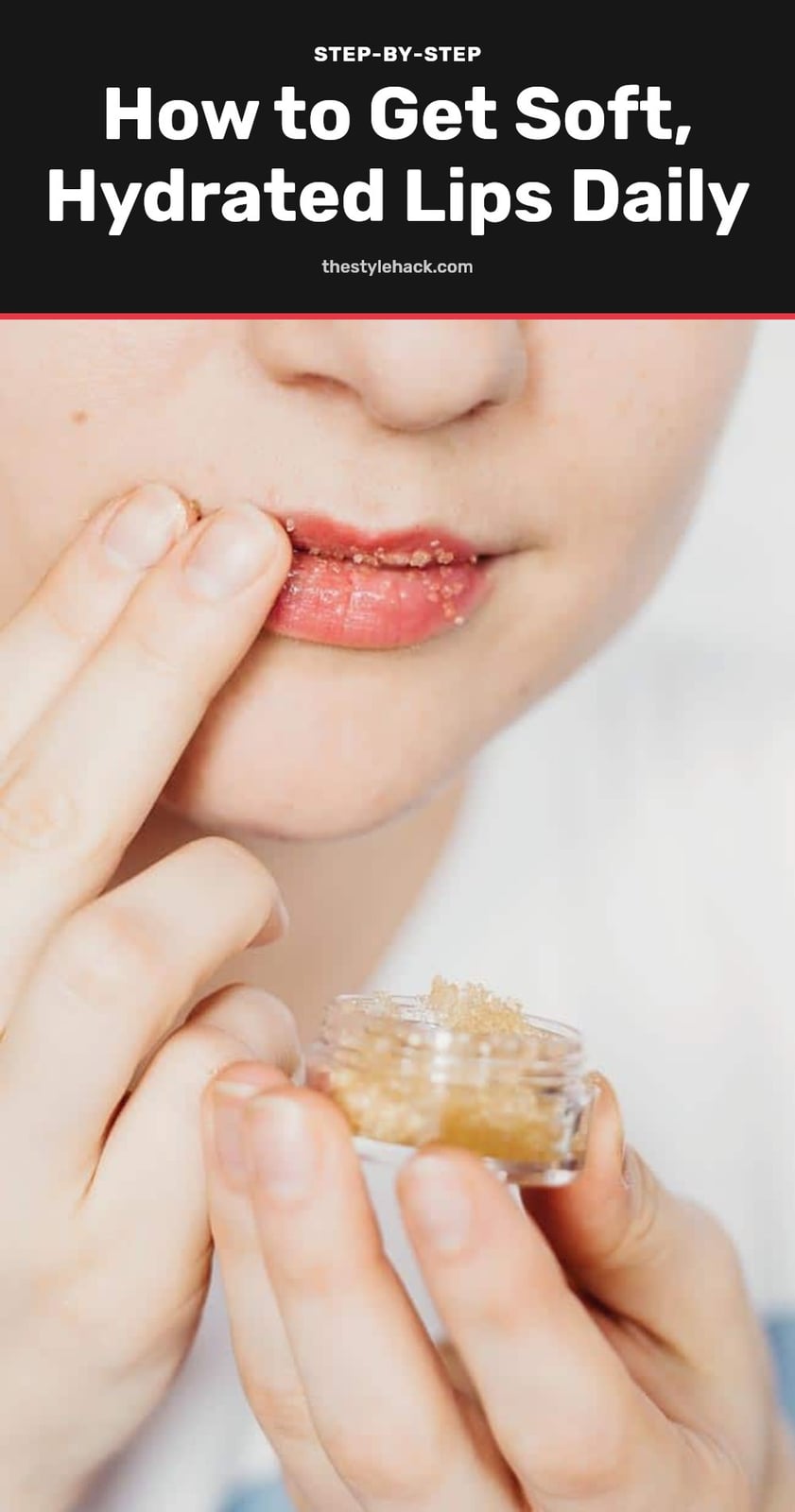
Start your routine with gentle exfoliation. Use a sugar-based lip scrub or a soft toothbrush to lightly buff your lips in circular motions for 30 seconds. Do this only 1-2 times a week to remove dead skin so your moisturizing products can penetrate better.
- Apply balm throughout the day: Keep a hydrating lip balm in your bag and reapply it frequently, especially before heading into sun, wind, or cold air. This locks in moisture and creates a protective barrier.
- Use SPF 30+ outdoors: Before any time outside, swipe on a lip balm with SPF 30 or higher. Lips have no melanin, so they burn easily, even on cloudy days.
- Drink water consistently: Carry a reusable water bottle and sip throughout the day. Hydration from within helps maintain lip moisture and prevents dryness.
- Apply an overnight treatment: Before bed, layer on a thick hydrating lip mask or treatment. It works while you sleep to repair and replenish moisture, so you wake up with softer lips.
My tip: Keep a lip balm by your bedside and in your car so you never forget to apply it before going out or sleeping.
Here is the method in action: Doctorly demonstrates it in about 12 minutes. The how-to part starts at 0:35.
6. Common Lip Care Mistakes to Avoid
Licking your lips: It feels like a quick fix, but saliva evaporates fast and takes your lips’ natural moisture with it, leaving them drier than before. Picking or biting dry skin: This causes irritation and bleeding, and it actually prolongs the healing process. Using irritating ingredients: Lip products with camphor, menthol, or phenol may feel soothing at first, but they ultimately dry out your lips over time. Forgetting SPF: Lips need sun protection just like the rest of your skin; skipping it leaves them vulnerable to sun damage. Over-exfoliating: Doing it more than 1-2 times a week strips the delicate skin, leading to sensitivity and irritation.
7. Top Tips for Luscious Lips
Choose wisely: Look for lip products with shea butter, beeswax, hyaluronic acid, glycerin, or vitamin E. These ingredients hydrate and protect without causing irritation. Humidify your space: If you live in a dry climate or use indoor heating or air conditioning, a humidifier adds moisture to the air and helps prevent your lips from drying out. Hydrate from within: Carry a water bottle and sip throughout the day. Hydration starts inside, and it directly affects your lip health. Check for allergies: If a lip product makes your lips tingle or feel irritated, stop using it. Allergic reactions to ingredients like fragrances or preservatives are common. Gentle blotting: After washing your face, pat your lips dry with a soft towel instead of rubbing them.
8. How Long Until You See Results and What to Expect
Timeline for results: With consistent daily care, you should notice softer, more comfortable lips within a few days to a week. Maintenance: Ongoing daily care is essential to keep dryness from returning and maintain long-term lip health. Cost tiers: Lip care products range from budget-friendly drugstore options (under $10) to mid-range specialty products ($10-$30) and high-end treatments ($30+). Investment: Focus on effective ingredients rather than price; many affordable products deliver excellent results.
9. When to Consult a Doctor or Dermatologist
If your chapped lips persist despite consistent home care for several weeks, it is time to see a professional. Consult a doctor or dermatologist if you experience severe cracking, bleeding, or swelling of the lips. These symptoms could indicate an underlying medical condition, a severe allergic reaction, or an infection that requires professional treatment. Do not hesitate to seek medical advice if you are concerned about your lip health.
10. Frequently Asked Questions
11. How often should I exfoliate my lips?
Exfoliate your lips no more than 1-2 times per week. Over-exfoliating can cause irritation and sensitivity because lip skin is very delicate. Use a gentle sugar-based scrub or a soft toothbrush in circular motions for about 30 seconds, then follow up with a moisturizing balm.
12. Can I use regular body lotion on my lips?
It’s best to avoid body lotion on your lips. Lip skin is thinner and more absorbent than the rest of your face, and body lotions often contain ingredients that can be irritating or drying when used on lips. Stick with products specifically formulated for lips, like balms with shea butter, beeswax, or hyaluronic acid.
13. What causes my lips to feel ‘addicted’ to lip balm?
Some lip balms contain ingredients like camphor, menthol, or salicylic acid that can feel soothing at first but actually dry out your lips over time. This creates a cycle where you need to reapply more often. Switching to a balm without these irritants and using a humidifier can break that cycle.
14. Are there any natural remedies for chapped lips?
Yes, simple natural options can help. Applying a thin layer of honey or coconut oil can provide moisture and soothe chapped lips. Just be aware that these don’t offer sun protection, so follow up with an SPF balm during the day. For severe dryness, a dedicated lip treatment is more effective.
15. How long does it take to heal chapped lips?
With consistent daily care, gentle exfoliation, frequent hydration, and sun protection, you should notice softer, more comfortable lips within a few days to a week. Healing time depends on how dry they were initially and whether you avoid habits like licking or picking. Ongoing maintenance keeps them healthy long-term.
16. Final Thoughts
For lasting lip comfort, make a thick layer of hydrating balm part of your nightly routine and always choose products with nourishing ingredients like shea butter or beeswax. With consistent daily care, you’ll notice softer lips within a few days to a week. The key is to keep it simple, avoid common irritants, and protect your lips from sun and wind every single day.
This article provides general lip care information for educational purposes only and does not constitute medical or professional advice. If you have persistent chapping, severe cracking, bleeding, or swelling, please consult a doctor or dermatologist. Results can vary based on individual skin type and health conditions.
More Blog ideas
- How to Heal Chapped Lips Overnight with Simple Steps
- Atomic Habits: 5 Lessons to Build Better Habits
- Hyaluronic Acid for Beginners
- How to Build a Gentle Skincare Routine for Sensitive Skin
- Beat Frizzy Hair: Easy Remedies for Smooth, Shiny Strands
- How to Increase Your Daily Drinking Water Intake
- Washing Hair Mistakes to Avoid and What to Do Instead
- Bleaching Hair Tips for Less Damage
- How to Make Your Body Mist Last Longer All Day
- How to Fix Your Skincare Routine
- Nervous System Regulation Tips
- Vagus Nerve Exercises for Stress Relief






