How to Lose 10 Pounds: A Simple 4-Week Plan for Women
Learn how to lose 10 pounds in a healthy, sustainable way with our simple 4-week plan. Get actionable steps, meal ideas, and workout tips.


Losing 10 pounds is a common goal, and with a steady plan, you can get there without drastic measures. This 4-week plan focuses on building sustainable habits like eating whole foods, staying active, and getting enough rest, so the weight comes off at a healthy pace. I’ll walk you through the key steps, common pitfalls, and practical tips to keep you on track.
Key Takeaways
- Focus on a daily calorie deficit of 500-750 calories for steady 1-1.5 pound weekly loss.
- Combine cardio and strength training to boost metabolism and preserve muscle mass.
- Prioritize protein and fiber at every meal to stay full and satisfied.
- Stay hydrated and aim for 7-9 hours of sleep each night.
- Plan meals and track intake to avoid hidden calories from drinks and snacks.
01. Your Healthy Path to Losing 10 Pounds
Losing 10 pounds in a healthy way typically takes 5 to 10 weeks. The key is a sustainable calorie deficit, which means eating fewer calories than your body uses while still getting the nutrients you need. Focus on whole foods like vegetables, lean proteins, and whole grains, and pair that with increased activity. A mix of cardio and strength training gives the best results, helping you burn calories and build metabolism-boosting muscle.
02. Essential Tools for Your Weight Loss Journey

Having the right tools makes sticking to your plan much easier. Here is what I keep handy:
- Water bottle: Staying hydrated is key. A refillable bottle reminds you to drink throughout the day.
- Comfortable workout gear: Good shoes and breathable clothes make it easier to stay consistent with exercise.
- Food journal or app: Tracking what you eat helps you stay accountable and aware of your choices.
- Measuring tools: Measuring cups and a kitchen scale help with portion control so you know exactly how much you are eating.
03. Week 1: Laying the Foundation for Success
Week 1 is all about building a strong foundation. Focus on hydration, mindful eating, and starting a simple exercise routine. Here is a sample plan to guide you.
| Meal | Example | Daily Focus |
|---|---|---|
| Breakfast | Scrambled eggs with spinach and a side of berries | Drink a full glass of water with breakfast |
| Lunch | Grilled chicken salad with mixed greens, tomatoes, and a light vinaigrette | Eat slowly and put your fork down between bites |
| Dinner | Baked salmon with roasted broccoli and quinoa | Include a lean protein and at least one vegetable |
| Snack | Apple slices with a tablespoon of almond butter | Choose a whole food snack over processed options |
| Workout | 20-minute brisk walk plus 15 minutes of bodyweight exercises (squats, push-ups) | Start with moderate intensity, focus on form |
My tip: replace sugary drinks like soda or juice with water or herbal tea. This one change can cut hundreds of calories a day without feeling deprived.
04. Week 2: Building Momentum and Healthy Habits
Week 2 builds on your new habits. Keep drinking water and eating mindfully, but add a little more challenge to your workouts and meals.
| Meal | Example | Daily Focus |
|---|---|---|
| Breakfast | Greek yogurt parfait with granola and sliced peaches | Continue drinking water with every meal |
| Lunch | Turkey and avocado wrap in a whole wheat tortilla with a side of carrot sticks | Try a new vegetable you have not cooked before |
| Dinner | Stir-fried tofu with bell peppers, snap peas, and brown rice | Experiment with a new healthy recipe this week |
| Snack | A handful of almonds and a small pear | Keep snacks portioned out in advance |
| Workout | 25-minute brisk walk or jog plus 20 minutes of strength training (lunges, rows, planks) | Increase workout duration by 5-10 minutes |
Aim for 7 to 9 hours of sleep each night. Adequate sleep helps regulate hormones that control appetite and metabolism, making it easier to stick to your goals.
05. Week 3: Refining Your Approach and Boosting Metabolism
Week 3 shifts the focus to building muscle and planning ahead. Strength training becomes the star of your workouts, and fiber takes center stage on your plate.
| Breakfast | Lunch | Dinner | Snack | Workout | Daily Focus |
|---|---|---|---|---|---|
| Oatmeal with berries and chia seeds | Quinoa salad with chickpeas and veggies | Grilled chicken with roasted broccoli and sweet potato | Apple with peanut butter | Strength training: squats, lunges, push-ups, rows | Add fiber to every meal |
| Greek yogurt with raspberries and flaxseed | Lentil soup with a side salad | Baked salmon with asparagus and brown rice | Carrot sticks with hummus | Brisk walk 30 minutes plus bodyweight circuits | Prep snacks for the week |
| Scrambled eggs with spinach and whole wheat toast | Turkey and avocado wrap on whole grain tortilla | Stir-fried tofu with bell peppers and quinoa | Handful of almonds | Strength training: deadlifts, shoulder press, planks | Practice deep breathing during breaks |
Fiber-rich foods like beans, oats, and vegetables keep you full longer, making it easier to stay in a calorie deficit. Strength training builds muscle, and muscle burns more calories at rest than fat does. My tip: schedule your meal prep on Sunday. Having ready-to-eat portions stops impulsive choices before they start. Stress can also derail progress, so try 5 minutes of deep breathing or a short walk when you feel overwhelmed.
06. Week 4: Sustaining Progress and Looking Ahead
Week 4 is about reflection and setting yourself up for the long haul. You have built solid habits, and now it is time to make them permanent.
| Breakfast | Lunch | Dinner | Snack | Workout | Daily Focus |
|---|---|---|---|---|---|
| Smoothie with spinach, banana, and protein powder | Grilled shrimp with mixed greens and quinoa | Turkey meatballs with zucchini noodles | Cottage cheese with pineapple | Combine cardio and strength: 20 minutes jog plus full-body circuit | Review your week and adjust one habit |
| Whole grain cereal with milk and sliced strawberries | Chicken and black bean burrito bowl | Baked cod with green beans and wild rice | Rice cakes with almond butter | Yoga or stretching plus a 30-minute walk | Celebrate a small victory today |
| Vegetable omelet with a side of fruit | Leftover dinner in a lettuce wrap | Lean beef stir-fry with broccoli and brown rice | Orange and a few walnuts | Strength training: focus on compound moves | Plan next week’s meals and workouts |
Look back at what worked and what did not. If you skipped workouts on certain days, adjust your schedule. If a snack caused cravings, swap it out. Celebrating small wins, like fitting into older jeans or completing every workout, keeps motivation high. The goal now is consistency, not perfection. Think about how you will keep these habits when the 4 weeks end. That might mean continuing your meal prep routine or finding a workout buddy for accountability.
07. Common Mistakes to Avoid on Your Weight Loss Journey
Even with a solid plan, a few common missteps can slow you down. Here is what to watch for.
- Underestimating calories in drinks and snacks: Liquid calories add up quickly. A daily soda or fancy coffee can erase your workout efforts. Track everything you sip and nibble.
- Neglecting strength training: Cardio burns calories, but strength training builds muscle. Muscle burns more calories even at rest, so do not skip those weights.
- Skipping sleep: Poor sleep disrupts the hormones that control hunger and fullness. You feel hungrier and less satisfied after a short night.
- Expecting instant results: Healthy weight loss is a marathon, not a sprint. If the scale does not move this week, trust the process and keep going.
08. Smart Tips for Sustainable Weight Loss
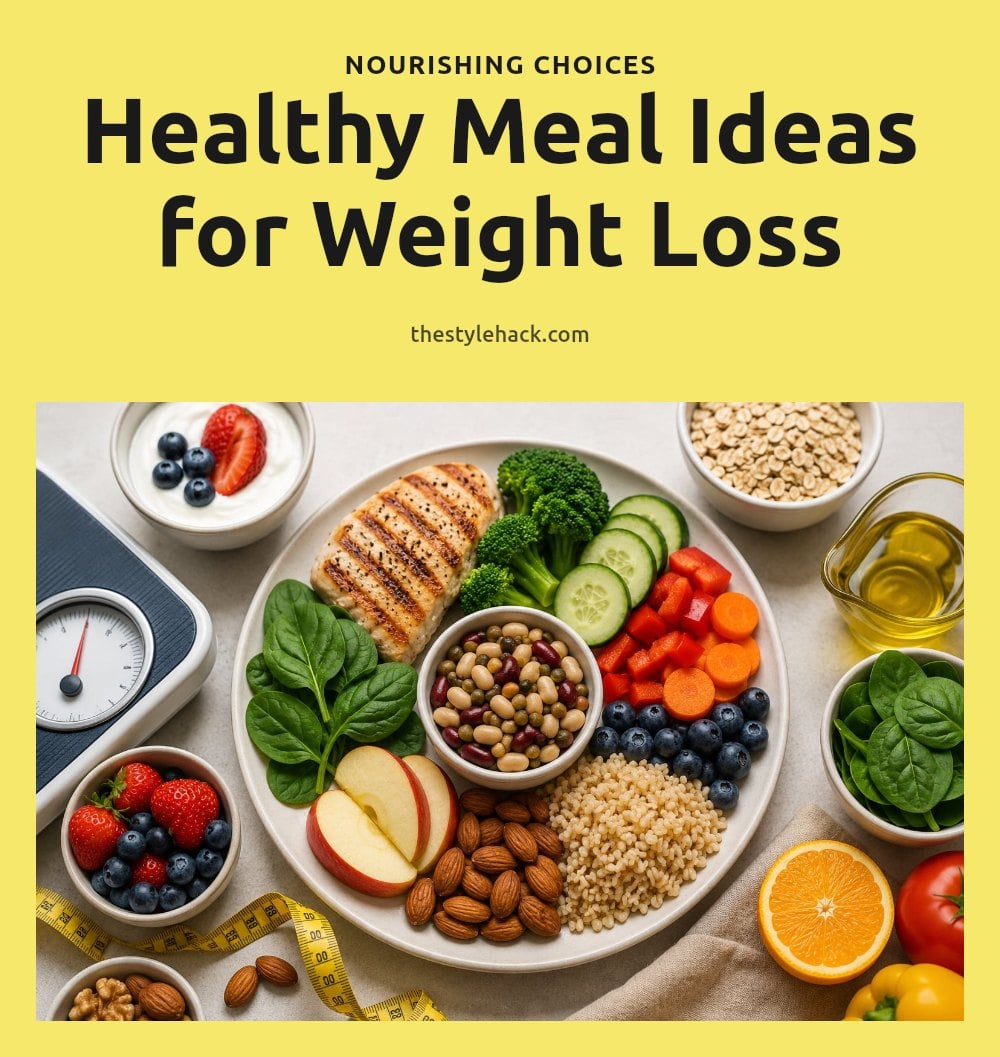
These small habits make a big difference over time. Try them and see what sticks.
- Prioritize protein: It keeps you feeling full longer and helps preserve muscle while you lose fat. Aim for a source at every meal.
- Stay hydrated: Thirst is often mistaken for hunger. Drink a glass of water before reaching for a snack.
- Plan your meals: A quick weekly plan prevents last-minute unhealthy choices. Even a rough outline helps.
- Listen to your body: Eat when you are hungry, stop when you are satisfied, not stuffed. Your hunger cues are a reliable guide.
09. When to Talk to a Healthcare Professional
Before you start any new diet or exercise plan, check in with your doctor if you have underlying health conditions like diabetes, heart disease, or high blood pressure. They can help you set safe parameters for your goals.
Also, talk to a professional if you notice rapid weight loss, meaning more than 2 pounds per week consistently. That pace can signal an underlying issue or lead to nutrient deficiencies.
Caution: Stop and seek medical advice if you feel dizzy, extremely fatigued, or have other concerning symptoms. For personalized guidance on calories, meal planning, or exercise, a registered dietitian or your doctor can tailor a plan to your needs.
10. Frequently Asked Questions
11. How quickly can I realistically lose 10 pounds?
For most women, losing 10 pounds in 5 to 10 weeks is a healthy and realistic goal. This pace, about 1 to 2 pounds per week, gives your body time to adjust and helps you keep the weight off long-term. Going faster often leads to muscle loss or burnout.
12. Do I need to track calories to lose 10 pounds?
Tracking calories can be helpful, but it is not required for everyone. You can focus on portion control, eating whole foods, and listening to your hunger cues. If you find yourself stuck, a few days of tracking can reveal hidden sources of extra calories.
13. What are the best exercises for losing 10 pounds?
A mix of cardio and strength training works best. Cardio like brisk walking or jogging burns calories, while strength training builds muscle that boosts your resting metabolism. Aim for at least 150 minutes of moderate activity and two strength sessions per week.
14. Can I still eat out while trying to lose weight?
Yes, you can eat out and still lose weight. Look for grilled or baked options, ask for dressings on the side, and watch portion sizes. Planning ahead by checking the menu can help you make choices that fit your calorie goals without feeling deprived.
15. What if I hit a plateau?
Plateaus are common and usually temporary. Try mixing up your exercise routine, adjusting your calorie intake slightly, or double-checking your portion sizes. Sometimes, a week of maintenance calories can reset your metabolism and help you start losing again.
16. Is it normal to feel hungry when trying to lose weight?
Some hunger is normal, especially in the first few weeks as your body adapts. To manage it, focus on protein and fiber at meals, drink water throughout the day, and eat slowly. If hunger persists or feels extreme, you may need to adjust your calorie deficit or check in with a dietitian.
17. Final Thoughts
My recommendation is to stick with the gradual approach: losing 10 pounds in 5-10 weeks is realistic and more likely to last. Expect some weeks to be slower than others, and that is normal. The key is consistency with your food choices, activity, and sleep. You have built the habits, so trust the process and keep moving forward.
This information is for general wellness purposes only and is not a substitute for professional medical advice. Always consult a doctor or registered dietitian before starting a new diet or exercise plan, especially if you have underlying health conditions. Listen to your body and seek help if you experience concerning symptoms.
More Blog ideas
- How to Heal Chapped Lips Overnight with Simple Steps
- Atomic Habits: 5 Lessons to Build Better Habits
- Hyaluronic Acid for Beginners
- How to Build a Gentle Skincare Routine for Sensitive Skin
- Beat Frizzy Hair: Easy Remedies for Smooth, Shiny Strands
- How to Increase Your Daily Drinking Water Intake
- Washing Hair Mistakes to Avoid and What to Do Instead
- Bleaching Hair Tips for Less Damage
- How to Make Your Body Mist Last Longer All Day
- How to Fix Your Skincare Routine
- Nervous System Regulation Tips
- Vagus Nerve Exercises for Stress Relief






