Mastering Portioning Without Counting Calories
Learn effective portioning techniques without calorie counting. Develop a healthier relationship with food and manage intake intuitively.

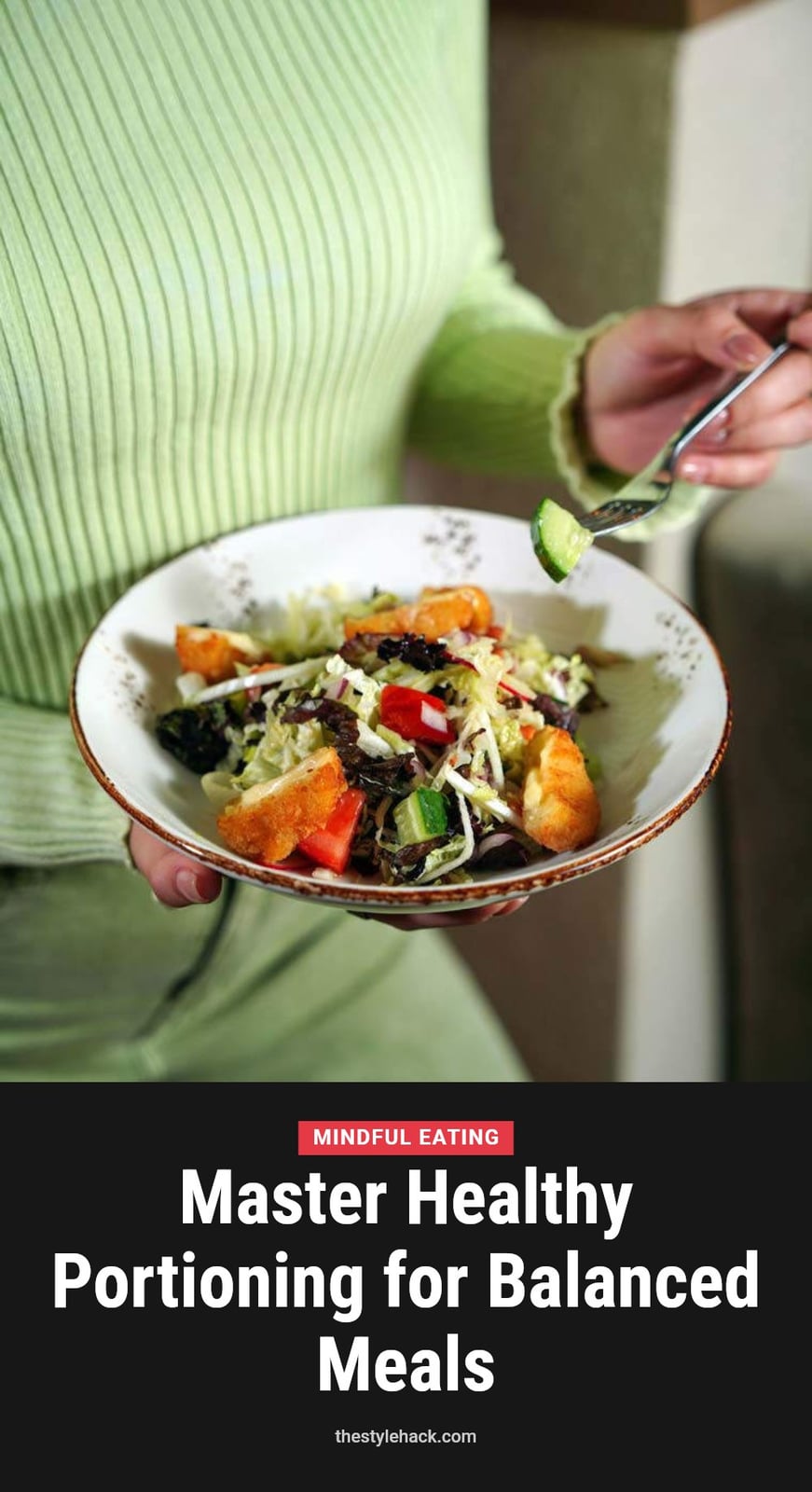
You don’t need to track every calorie to manage your portions. By using your hand as a guide and tuning into your body’s hunger cues, you can develop a natural sense of how much food you actually need. This article covers practical, sustainable strategies for portioning without counting, including visual cues, mindful eating techniques, and common mistakes to avoid.
Key Takeaways
- Use your hand as a guide: palm for protein, cupped hand for carbs, thumb for fats.
- Fill half your plate with non-starchy vegetables for volume and fiber.
- Eat slowly and mindfully, allowing about 20 minutes for satiety signals to register.
- Pre-portion snacks into individual containers to avoid overeating from large packages.
- Drink a glass of water 20-30 minutes before meals to promote fullness.
1. Mastering Portioning Without Calorie Counting
Portioning without calorie counting is about using visual cues and mindful eating to tune into what your body actually needs. Instead of tracking numbers, you learn to rely on your hand as a guide and pay attention to how different amounts of food make you feel. This approach helps you develop an intuitive sense of how much food leaves you satisfied and energized, not stuffed. It promotes a healthier relationship with food because it’s flexible and sustainable, not restrictive.
2. Essential Tools for Mindful Portioning
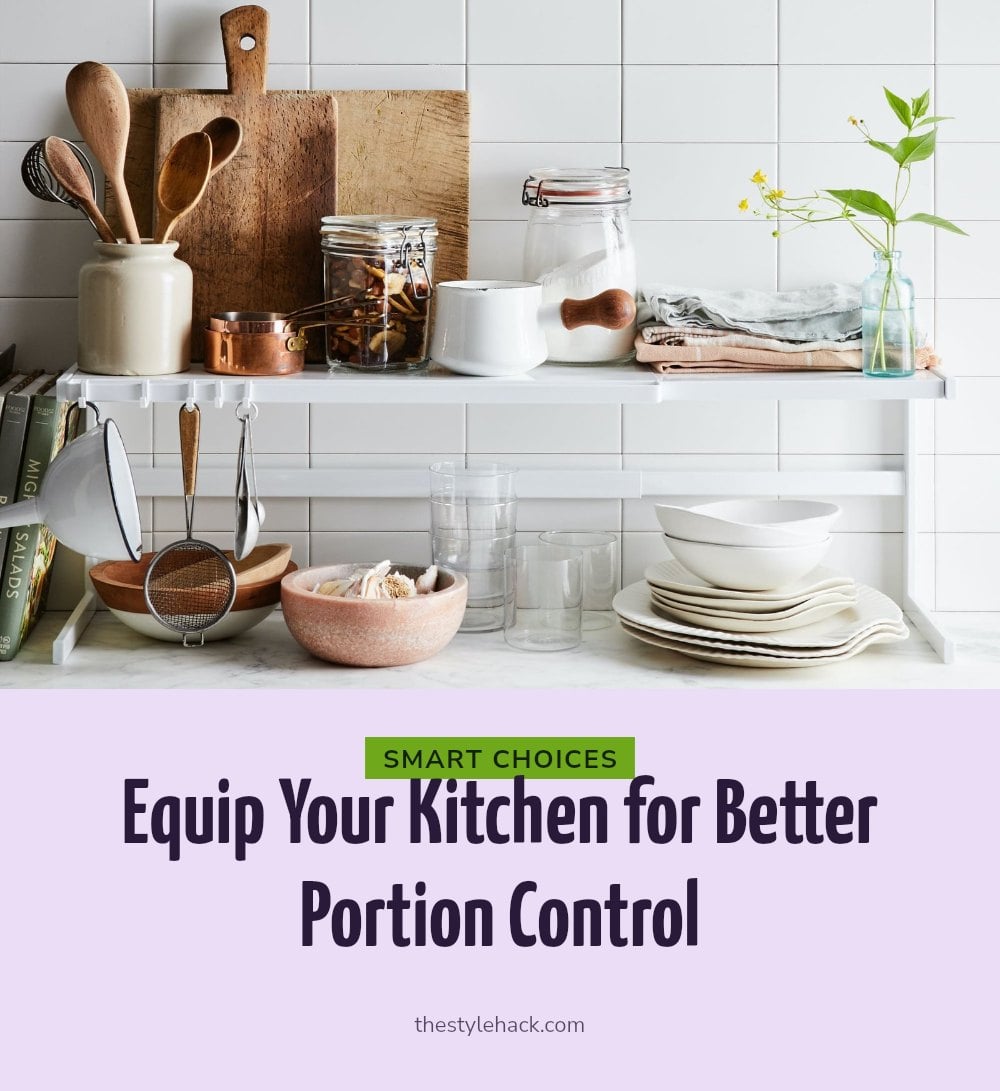
A few simple tools can make mindful portioning much easier without turning it into a math lesson.
- Smaller plates and bowls: They make a normal portion look larger, which can help your brain feel satisfied with less.
- Measuring cups and spoons: Use them for a week to train your eye on what a serving looks like, then put them away.
- Food storage containers: Pre-portion snacks and leftovers so you grab a single serving instead of a whole bag.
- A water bottle: Staying hydrated before and during meals can help you recognize true hunger versus thirst.
3. Step-by-Step Guide to Intuitive Portion Control
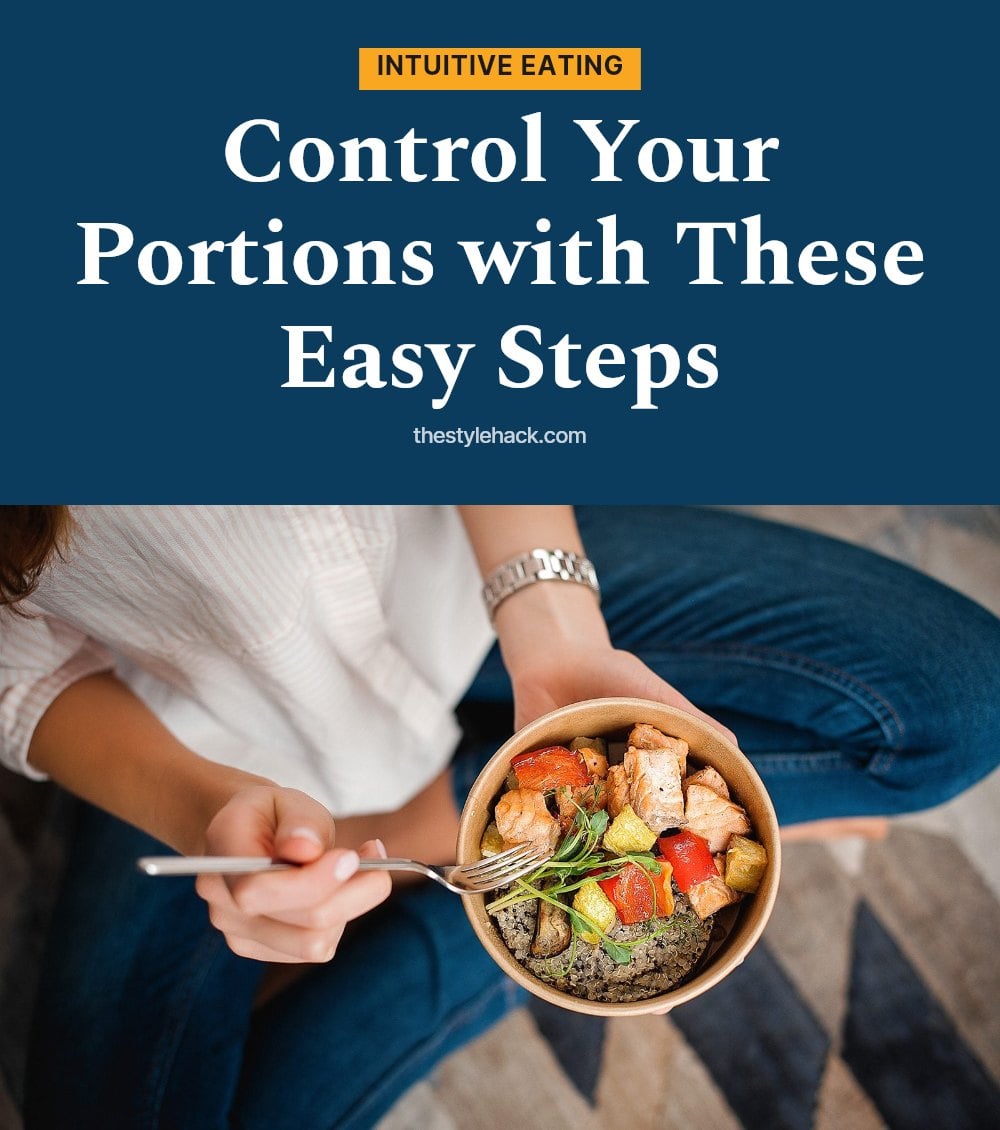
Here is a practical sequence to build intuitive portion control into your daily meals.
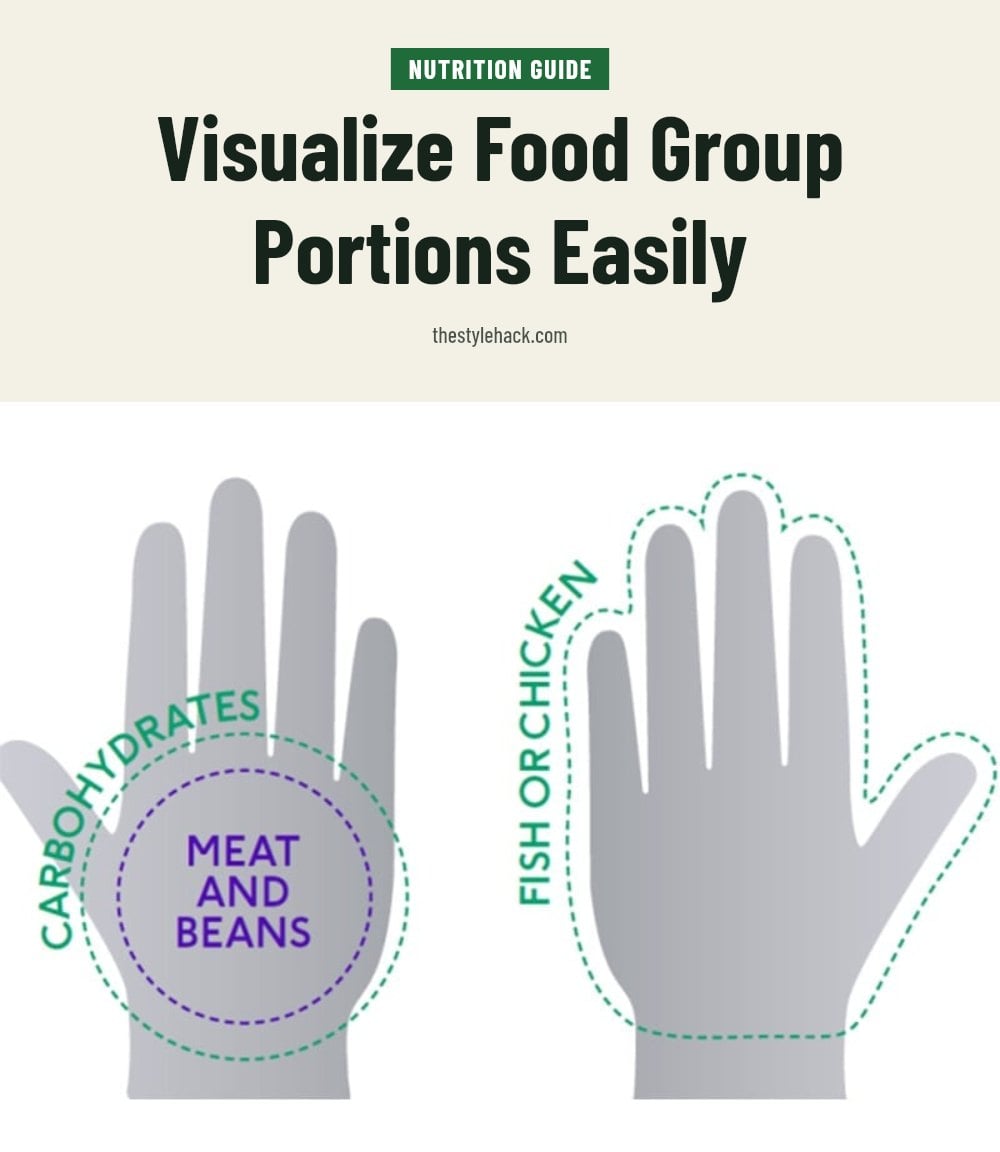
- Use your hand as a guide: Your palm is a serving of protein (chicken, fish, tofu). A cupped hand is a serving of carbs (rice, pasta). Your thumb is a serving of fats (butter, oil, cheese). This works anywhere, no tools needed.
- Fill half your plate with non-starchy vegetables: Leafy greens, broccoli, bell peppers, and zucchini add volume and fiber without a lot of calories. They help you feel full on fewer calories.
- Eat slowly and savor each bite: It takes about 20 minutes for your brain to register fullness. Put your fork down between bites, chew thoroughly, and notice the flavors. This pause lets your body catch up.
- Check in with a hunger scale: Before you eat, rate your hunger from 1 (starving) to 10 (stuffed). Aim to start eating at a 3 or 4 and stop at a 6 or 7, comfortably satisfied, not full.
- Pre-portion snacks into individual containers: When you buy a large bag of nuts or crackers, divide them into single-serving bags or containers right away. This prevents mindless eating straight from the package.
4. Common Portioning Mistakes and How to Avoid Them
Even with good intentions, a few common habits can throw off your portioning efforts. Here is what to watch for and how to fix it.
- Underestimating calorie-dense foods: Healthy fats like nuts, avocado, and dressings add up fast. Use your thumb as a visual reminder for a serving size.
- Eating too quickly: When you rush, your body doesn’t have time to signal fullness. Put your fork down between bites and chew each mouthful thoroughly.
- Ignoring hunger and fullness cues: Don’t rely on external rules like cleaning your plate. Pause mid-meal and ask yourself how hungry you really are.
- Believing ‘healthy’ foods are unlimited: Even quinoa, fruit, and olive oil have appropriate portions. A serving of rice is still half a cup, no matter how healthy it is.
- Eating while distracted: Screens pull your attention away from what and how much you are eating. Turn off the TV and put your phone away during meals.
5. Practical Tips for Consistent Portioning Success

Hydrate before meals: Drink a glass of water 20-30 minutes before you eat. This can promote a feeling of fullness and may help reduce overall food intake.
Prioritize protein and fiber: Build meals around protein sources (chicken, beans, tofu) and fiber-rich vegetables, fruits, or whole grains. These increase satiety and keep you feeling full longer, making portion control more natural.
Plan ahead: Prep meals and pre-portion snacks into containers when you have time. This helps you make conscious choices and avoid impulsive overeating when hunger strikes.
Allow treats mindfully: Don’t deprive yourself completely. Include occasional treats in small, intentional portions. This prevents restrictive cycles that often lead to later overeating.
6. Understanding Food Groups and Their Portions
7. Protein
A standard serving of meat, poultry, or fish is about the size and thickness of a deck of cards or the palm of your hand.
8. Grains and starches
A serving of cooked pasta or rice is roughly half a cup, about the size of a cupped hand or a tennis ball.
9. Cheese
A serving of cheese is about the size of two dice or your thumb.
10. Healthy fats
A serving of nuts or seeds is approximately one ounce, about the size of your thumb.
11. Fruit
A serving of fruit is typically one medium piece or about half a cup of chopped fruit.
12. Vegetables
A serving of cooked or raw vegetables is generally one cup. For leafy greens, use two cupped hands.
13. Timeline for Developing Intuitive Portioning Skills
Developing intuitive portioning skills is an ongoing practice, not a quick fix. It takes time to retrain your awareness of hunger and fullness cues.
With consistent effort, many people notice changes in their eating habits and body awareness within a few weeks to a few months. The main investment is your time and conscious attention, not money. Be patient with yourself as this becomes a natural part of your routine.
14. When to Seek Professional Guidance
If you have a medical condition like diabetes, consult a healthcare professional or registered dietitian before making significant dietary changes.
If you suspect you have an eating disorder or disordered eating patterns, seek professional help immediately. A qualified therapist or dietitian can provide the right support.
If you experience rapid or extreme changes in your diet that lead to nutrient deficiencies or persistent discomfort, consult a doctor to ensure your approach is safe and balanced.
15. Frequently Asked Questions
16. How do I know if I’m eating too much?
Pay attention to your body’s fullness signals. If you feel overly stuffed, sluggish, or uncomfortable after a meal, you may have eaten past the point of satisfaction. Using the hunger scale, where you aim to stop at about a 7 out of 10 (comfortably full), can help you gauge the right amount.
17. Can I still enjoy my favorite foods while portioning?
Yes, absolutely. Portioning is about balance, not deprivation. You can include your favorite foods by using smaller portions and savoring them mindfully. Depriving yourself completely often leads to overeating later, so allowing occasional treats in controlled amounts is a sustainable approach.
18. What if I’m still hungry after a portioned meal?
If you’re still hungry, wait about 10-15 minutes and reassess. Sometimes the body’s satiety signals take a moment to kick in. If you’re genuinely still hungry, add more vegetables or a small serving of protein or healthy fat. It’s also worth checking if you’ve had enough water or fiber earlier in the day.
19. Is portioning suitable for everyone?
Portioning using visual cues and mindful eating can work for most people, but it may not be appropriate for those with certain medical conditions like diabetes or eating disorders. If you have a specific health concern, consult a healthcare professional or registered dietitian before making significant changes to your diet.
20. How do I know what a proper portion size is?
A proper portion size varies based on your individual needs, but you can start with these general hand guides: a serving of protein is the size of your palm, a serving of carbs is a cupped hand, a serving of fats is your thumb, and a serving of vegetables is two cupped hands for leafy greens or one cup for cooked or raw vegetables.
21. Final Thoughts
Start by using your hand as a visual guide and gradually work on eating more slowly. Within a few weeks of consistent effort, you’ll likely notice improved awareness of your hunger and fullness cues. This approach helps you build a healthier relationship with food over time.
This information is for general wellness purposes only and is not a substitute for professional medical or dietary advice. If you have a medical condition like diabetes or suspect an eating disorder, please consult a healthcare professional or registered dietitian before making changes to your diet.
More Blog ideas
- How to Heal Chapped Lips Overnight with Simple Steps
- Atomic Habits: 5 Lessons to Build Better Habits
- Hyaluronic Acid for Beginners
- How to Build a Gentle Skincare Routine for Sensitive Skin
- Beat Frizzy Hair: Easy Remedies for Smooth, Shiny Strands
- How to Increase Your Daily Drinking Water Intake
- Washing Hair Mistakes to Avoid and What to Do Instead
- Bleaching Hair Tips for Less Damage
- How to Make Your Body Mist Last Longer All Day
- How to Fix Your Skincare Routine
- Nervous System Regulation Tips
- Vagus Nerve Exercises for Stress Relief






