Natural Hair Growth: 12 Ways to Encourage Thicker Hair
Learn 12 natural ways to boost hair growth, support scalp health, and achieve longer, thicker hair. Discover effective techniques and simple habits.

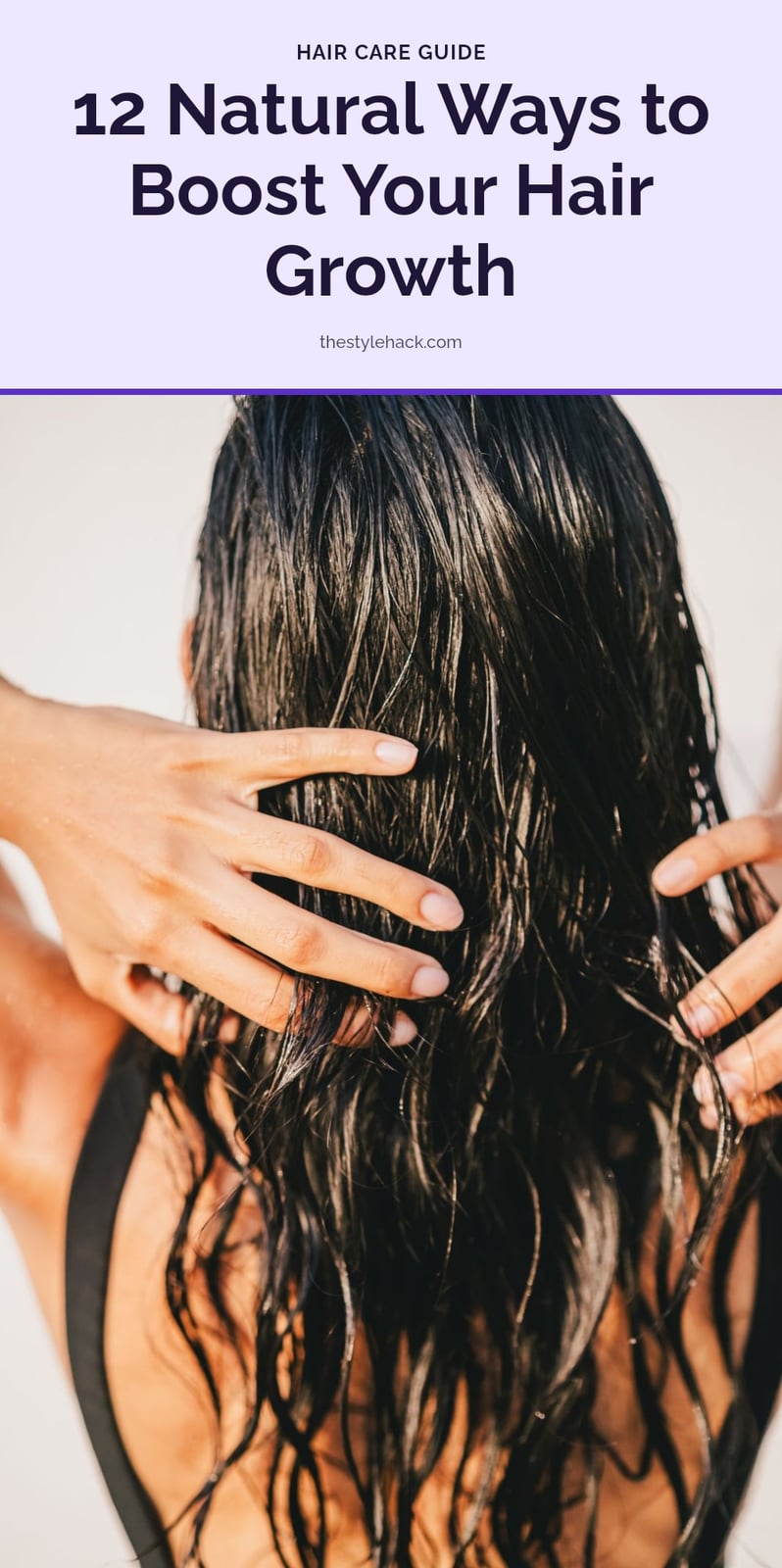
If you’re frustrated with slow hair growth or thinning strands, you’re not alone. The good news is that several natural practices can support a healthier scalp and stronger hair, which are essential for growth. This article covers 12 simple, at-home methods to encourage thicker, longer hair by improving circulation, nourishing your body, and protecting your strands from damage.
Key Takeaways
- Scalp massage for 5-10 minutes daily can boost blood flow to hair follicles.
- Eat a balanced diet rich in protein, B vitamins, iron, and zinc for hair health.
- Heat styling above 300°F damages hair; always use a heat protectant spray.
- Trimming split ends prevents breakage but does not speed up growth.
- Manage stress to avoid telogen effluvium, a temporary form of hair loss.
01. Boost Your Hair Growth Naturally
Boosting hair growth naturally comes down to three core habits: improving scalp health and circulation, feeding your body the right nutrients, and protecting your hair from damage. A healthy scalp supports active follicles, while a balanced diet provides the building blocks for strong strands. At the same time, minimizing heat, friction, and harsh handling helps you retain the length you grow. Consistency matters more than any single trick, and visible results typically take three to six months.
02. 1. Massage Your Scalp Regularly
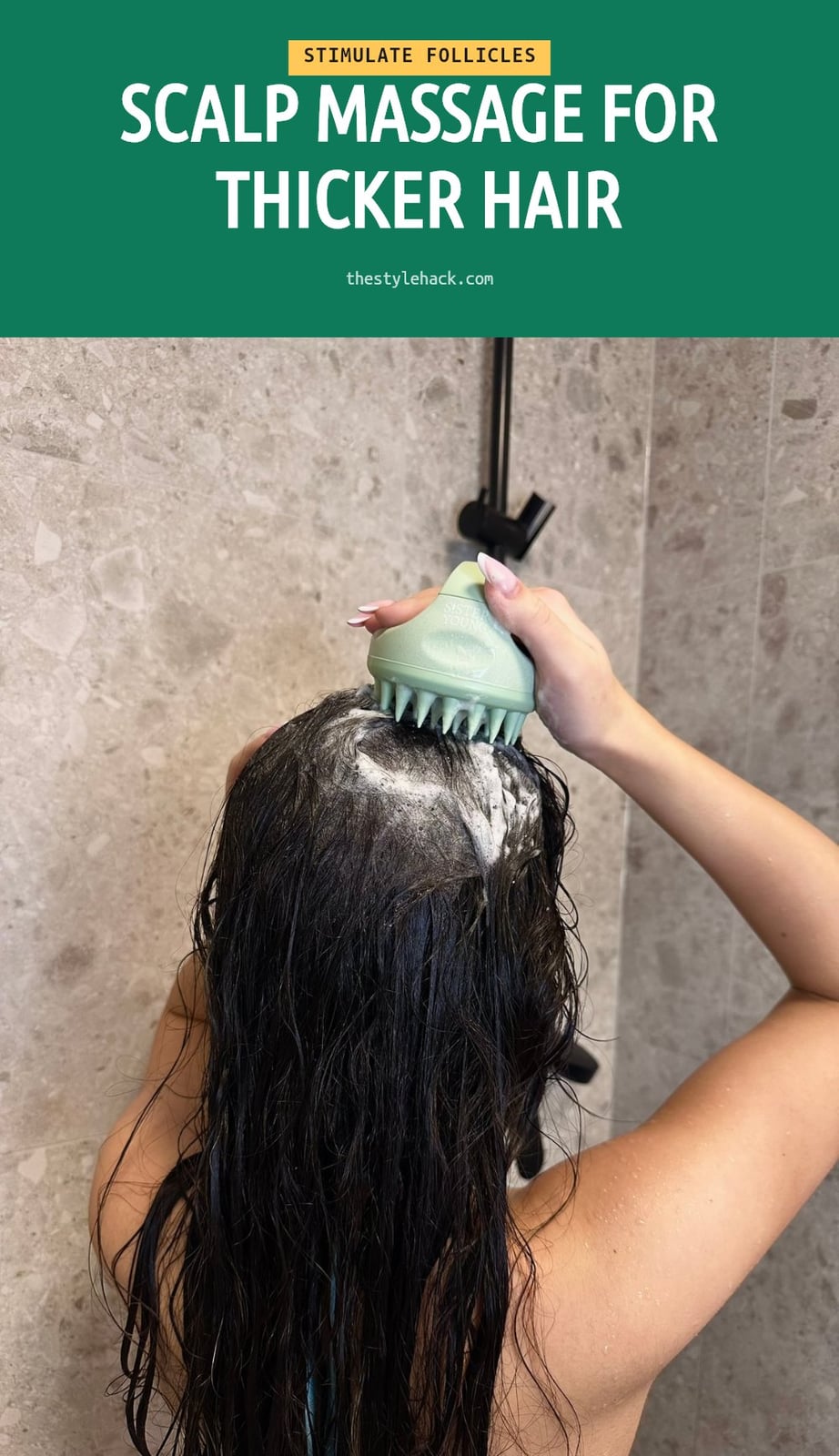
Massaging your scalp regularly stimulates blood circulation to hair follicles, which can help deliver oxygen and nutrients where they’re needed. Use your fingertips or a scalp massage brush in gentle, circular motions for 5 to 10 minutes a day. Focus on the whole scalp, not just the crown, and avoid pressing too hard to prevent irritation.
My tip: Add a few drops of diluted rosemary or peppermint oil to your massage routine for an extra boost. Mix 3 to 5 drops with a tablespoon of a carrier oil like jojoba or coconut, and always do a patch test on your inner arm first.
03. 2. Nourish Your Body with a Balanced Diet
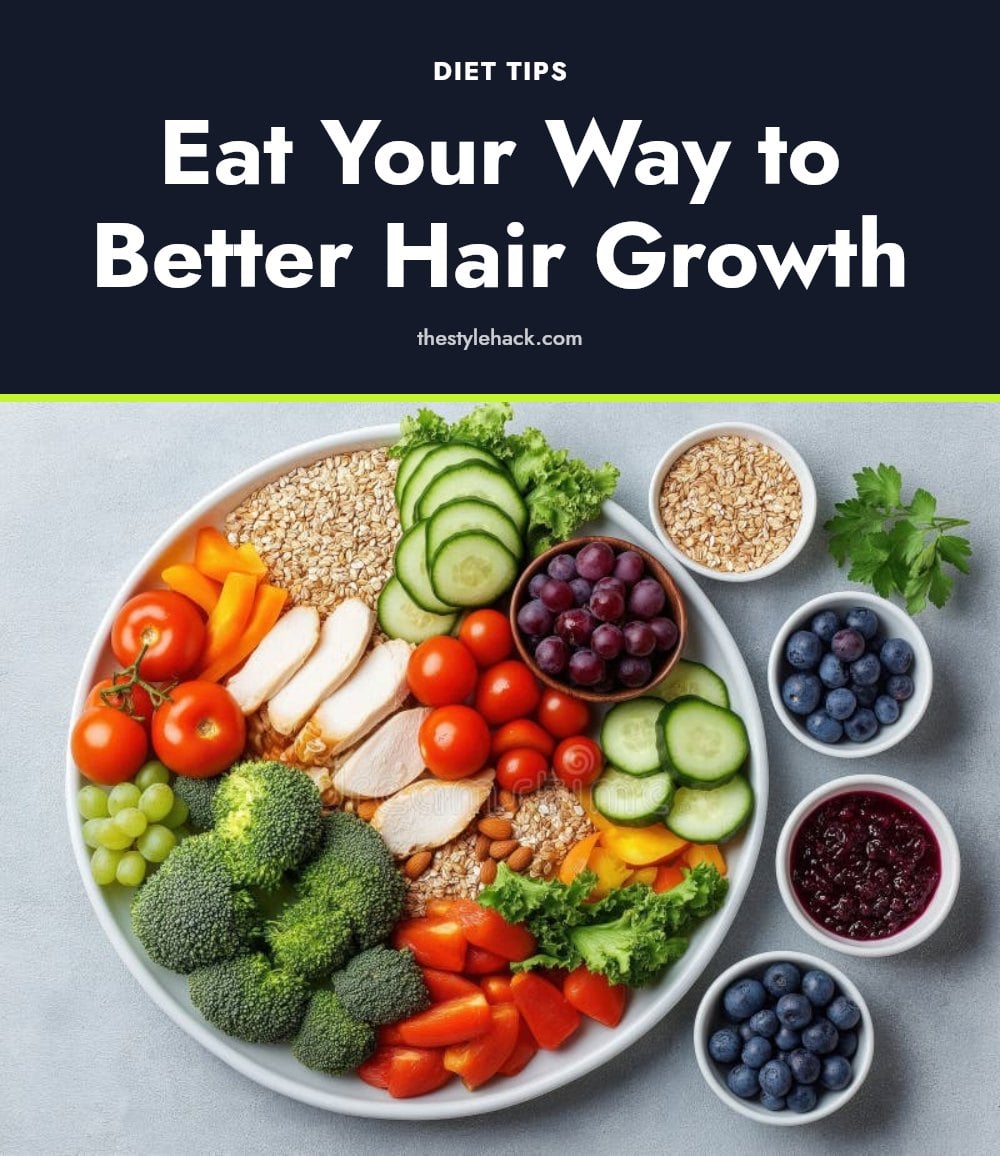
What you eat directly affects hair growth, since hair follicles are among the most metabolically active cells in your body. Protein is the building block of hair, so include lean meats, fish, eggs, and legumes in your meals. Without enough protein, growth can slow and strands may become weak.
Vitamins A, C, D, E, and the B-complex, especially biotin, are crucial for follicle function. Minerals like iron and zinc also support healthy hair, so add leafy greens, nuts, seeds, and whole grains to your plate. Aim for a varied, colorful diet rather than relying on a single food.
04. 3. Consider Targeted Supplements
Targeted supplements can help fill gaps in your diet, but they are not a substitute for healthy eating. Biotin (Vitamin B7) is a popular choice, though it is most effective if you have a deficiency. Multivitamins can cover missing nutrients, but more is not better, so stick to recommended amounts.
Caution: Always consult a healthcare professional before starting new supplements, especially if you take medication or have health conditions. They can test for deficiencies and advise on safe dosages. Supplements take time to show effects, so be patient and consistent.
05. 4. Protect Hair from Heat Damage
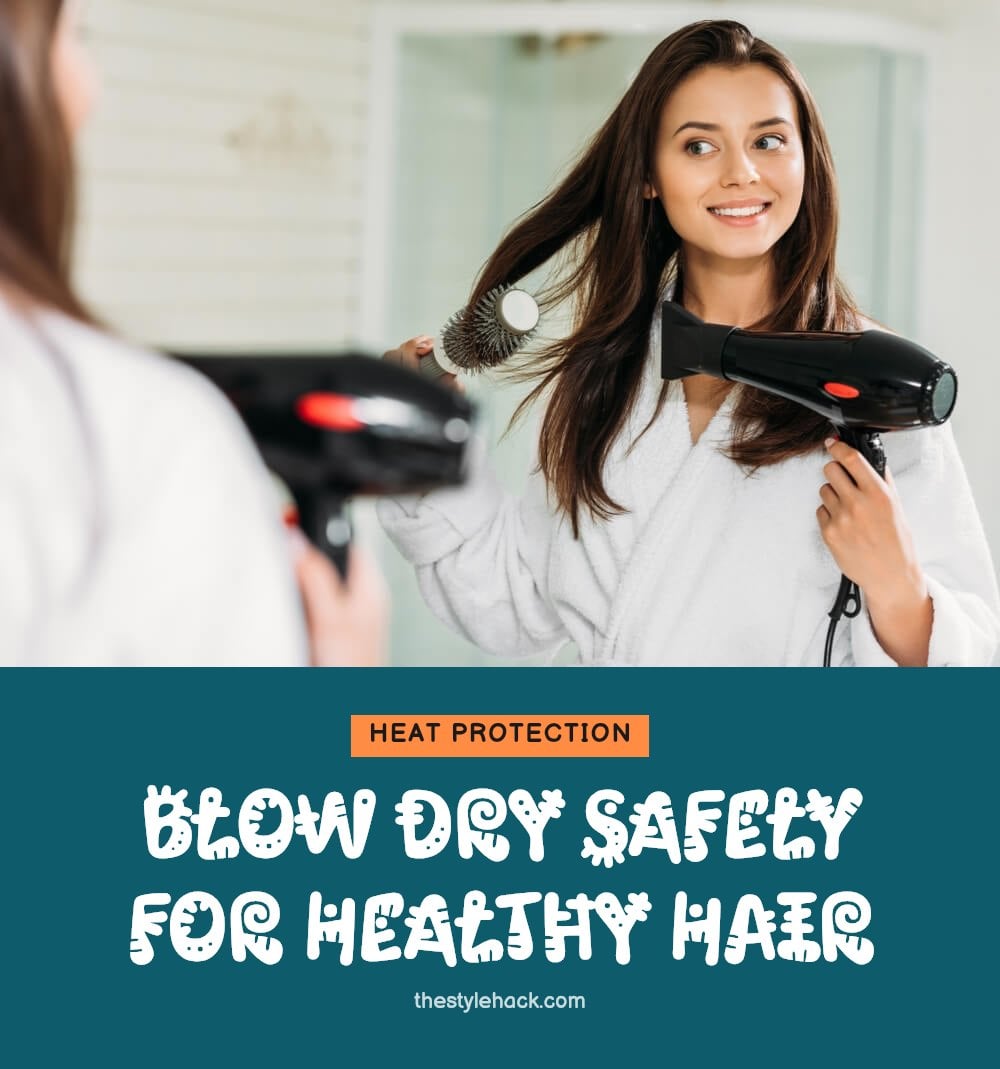
Excessive heat styling causes breakage, which makes hair appear shorter even when it’s growing normally. A flat iron or curling wand set above 300°F can damage the outer cuticle layer, leaving strands weak and prone to snapping.
Use a heat protectant spray every time you apply heat. Spray it on damp hair before blow-drying and again before using hot tools. Look for one that shields up to 450°F so it actually forms a barrier.
My tip: Air-dry whenever possible to minimize damage. If you must use heat, keep the tool moving and never pause in one spot for more than a second.
06. 5. Be Gentle When Detangling Wet Hair
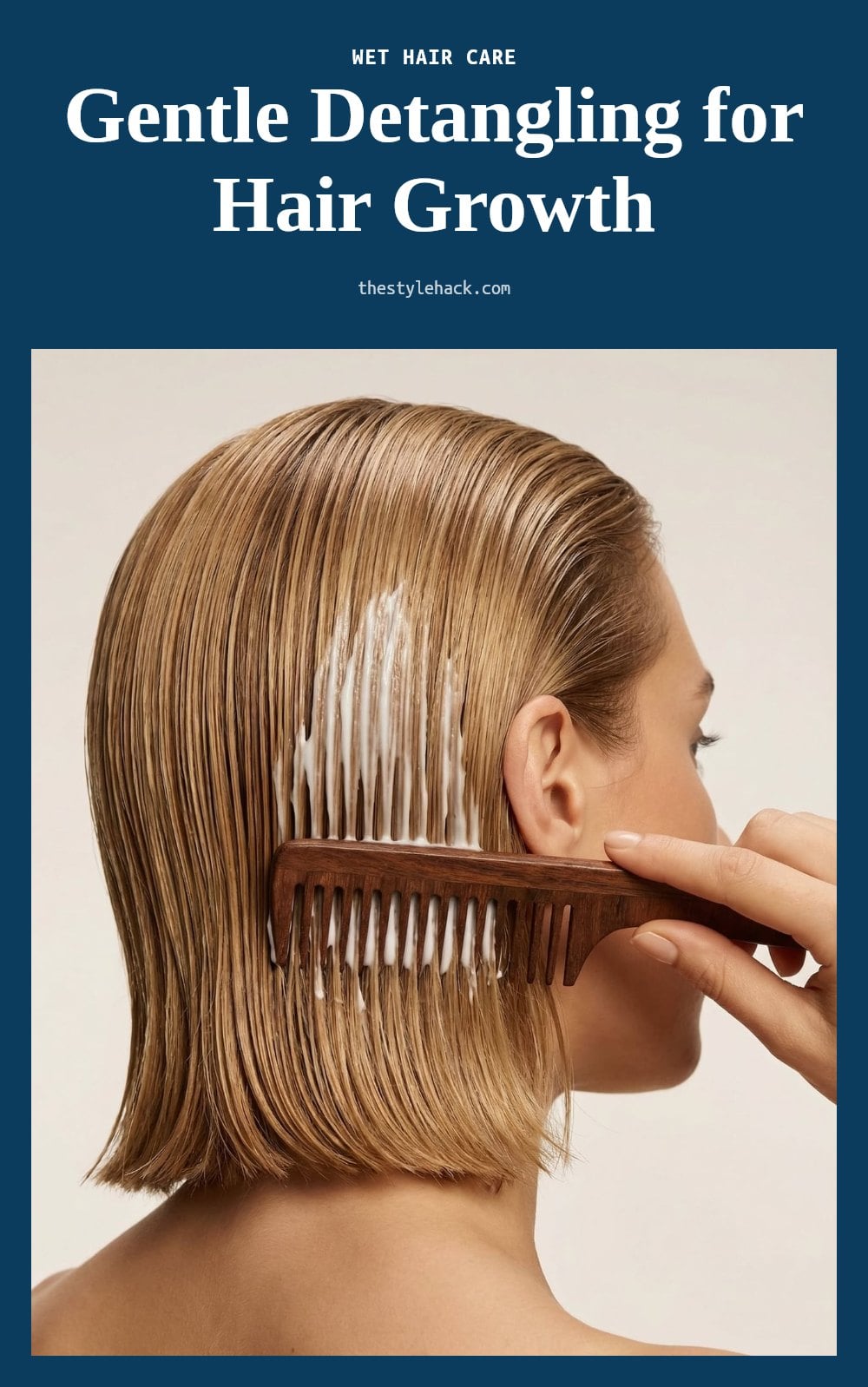
Wet hair is most vulnerable to breakage because water weakens the hydrogen bonds that give strands their strength. Aggressive brushing right after a shower can stretch and snap hair, especially if it’s fine or color-treated.
Always use a wide-tooth comb, starting from the ends and working your way up. This prevents tangles from bunching into knots that pull at the roots. Hold the section above the knot with your other hand for extra control.
Avoid aggressive brushing or tugging. If you hit a snag, pause and gently work it free with your fingers before continuing.
07. 6. Trim Split Ends Regularly
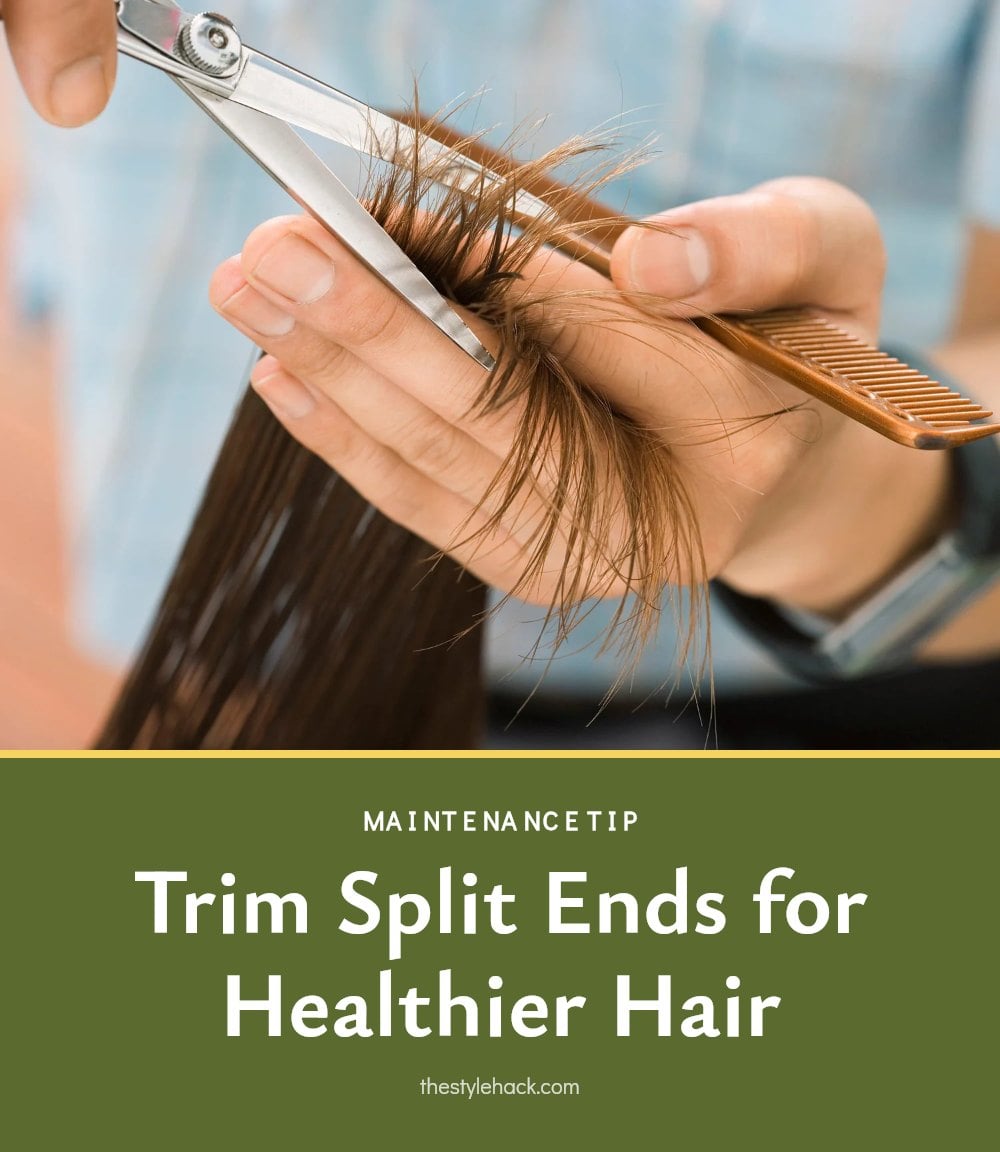
Trimming doesn’t make hair grow faster, but it prevents split ends from traveling up the hair shaft. Once a split forms, it can continue to fracture higher, forcing you to cut off more length later. Regular trims keep the ends sealed and strong.
This allows your hair to retain its length and look healthier, since damaged ends make the whole style appear frayed and thin. A clean hemline also reflects light better, giving the illusion of thicker hair.
Tip: Aim for a trim every 10-12 weeks, or when you notice split ends. If you’re growing your hair out, ask for just a dusting to remove the damaged tips.
08. 7. Manage Your Stress Levels
High stress can lead to temporary hair loss known as telogen effluvium, where a large number of follicles shift into the resting phase at once. This often shows up as shedding two to three months after a stressful event, so the connection isn’t always obvious.
Incorporate stress-reducing activities like meditation, yoga, or spending time in nature. Even 10 minutes of deep breathing daily can lower cortisol levels, which may help protect your hair cycle.
Prioritizing mental well-being supports overall hair health, since stress also affects nutrient absorption and sleep quality. If you notice sudden or patchy hair loss, consult a dermatologist to rule out other causes.
09. 8. Use Essential Oils Carefully
Rosemary and peppermint oils are often used anecdotally for scalp stimulation, and some preliminary research suggests they may support hair growth. Always dilute essential oils with a carrier oil like jojoba or coconut oil before applying them to your scalp, since undiluted oils can irritate skin.
Do a patch test first: apply a small amount of the diluted mixture to your inner arm and wait 24 hours to check for redness or itching. If your skin reacts, skip that oil. For application, massage a few drops into your scalp, leave it on for 15 to 20 minutes, then rinse.
10. 9. Adopt Protective Hairstyles
Braids, twists, and loose buns reduce how much you handle your hair and shield it from wind, sun, and friction against clothing. Less manipulation means fewer opportunities for strands to snag and snap, so the length you grow actually stays on your head.
Tip: Keep the style comfortable. If your scalp aches or your hairline feels tight, the style is too tight and can cause tension breakage around the edges. Choose soft fabric scrunchies over elastic bands, and vary the placement of your part to avoid stressing the same spots.
Good to know: Give your hair a break from tight styles and let it loose sometimes, especially overnight, so your scalp and follicles get a rest from constant pulling.
11. 10. Sleep on a Silk or Satin Pillowcase
Swapping your cotton pillowcase for a silk or satin one is a simple switch that pays off overnight. Cotton fibers create friction that roughens the hair cuticle, leading to breakage and tangles as you toss and turn. Silk and satin, by contrast, are smooth and slippery, so your strands glide across the surface instead of snagging.
Less friction means fewer split ends and less frizz, helping your hair retain both length and smoothness. It also reduces the need for aggressive morning detangling. Tip: Look for a charmeuse or mulberry silk pillowcase, or a high-quality satin one, to get the full benefit.
12. 11. Maintain a Healthy Wash Routine
Washing your hair is a balancing act. Over-washing strips the natural oils that keep strands moisturized, leaving hair dry and prone to breakage. Under-washing allows product buildup and excess sebum to accumulate on the scalp, which can clog follicles and slow growth.
Most hair types do well with 2-3 washes per week, but adjust based on how your scalp feels and how much product you use. If your hair gets greasy quickly, a gentle co-wash (conditioner-only wash) on off days can help. If your scalp feels tight or itchy after washing, you’re likely washing too often.
Tip: Focus shampoo on the scalp and conditioner on the ends. This keeps roots clean without drying out the lengths.
13. When to Consult a Professional
If you notice sudden or significant hair loss, patchy bald spots, or excessive shedding that lasts more than a few weeks, it’s worth getting checked out. These can sometimes point to an underlying medical condition, such as a thyroid issue, hormonal imbalance, or autoimmune disorder. A dermatologist or doctor can run tests to identify the cause and recommend appropriate treatments, which may include topical solutions, prescription medications, or addressing a nutritional deficiency. Don’t wait months to see if it resolves on its own, early intervention often leads to better outcomes. Your primary care physician is a good first stop if you’re unsure where to begin.
14. Frequently Asked Questions
15. How long does it take to see results from natural hair growth methods?
Noticeable changes typically take three to six months of consistent effort. Hair grows about half an inch per month, so you’ll need patience. Results also depend on your genetics, overall health, and how well you stick with the routine.
16. Can stress really affect hair growth?
Yes, high stress can trigger a condition called telogen effluvium, where many hair follicles shift into the resting phase at once. This often appears as shedding two to three months after a stressful event. Managing stress through relaxation techniques or exercise can help protect your hair.
17. Is it true that trimming hair makes it grow faster?
No, trimming does not speed up hair growth. It prevents split ends from traveling up the hair shaft, which reduces breakage and helps you retain length. Regular trims keep your ends healthy so the hair you grow stays on your head longer.
18. What are the best vitamins for hair growth?
B vitamins (especially biotin), vitamin C, vitamin D, and vitamin E are all important. Minerals like iron and zinc also play a key role. A balanced diet is the best source, but supplements can help if you have a deficiency. Consult a doctor before starting any new supplement.
19. Should I wash my hair every day for better growth?
Most people do not need to wash daily. Over-washing strips natural oils and can lead to dryness and breakage. Under-washing can cause product buildup and clog follicles. Aim for two to three times per week, adjusting based on your hair type and activity level.
20. Final Thoughts
Consistency is the real secret to natural hair growth. Pick two or three habits from this list, such as daily scalp massage and a protein-rich diet, and stick with them for at least three to six months before expecting visible changes. Remember that genetics play a major role, so be patient and kind to your hair along the way.
This article is for informational purposes only and does not constitute medical advice. Hair growth and health can be affected by underlying medical conditions. If you experience sudden or significant hair loss, patchy bald spots, or excessive shedding lasting more than a few weeks, consult a doctor or dermatologist.
More Blog ideas
- How to Heal Chapped Lips Overnight with Simple Steps
- Atomic Habits: 5 Lessons to Build Better Habits
- Hyaluronic Acid for Beginners
- How to Build a Gentle Skincare Routine for Sensitive Skin
- Beat Frizzy Hair: Easy Remedies for Smooth, Shiny Strands
- How to Increase Your Daily Drinking Water Intake
- Washing Hair Mistakes to Avoid and What to Do Instead
- Bleaching Hair Tips for Less Damage
- How to Make Your Body Mist Last Longer All Day
- How to Fix Your Skincare Routine
- Nervous System Regulation Tips
- Vagus Nerve Exercises for Stress Relief






