Natural Ways to Reduce Redness on Your Face
Learn natural remedies to reduce redness on your face. Discover gentle ingredients and simple tips to calm irritation and achieve clearer, more comfortable.

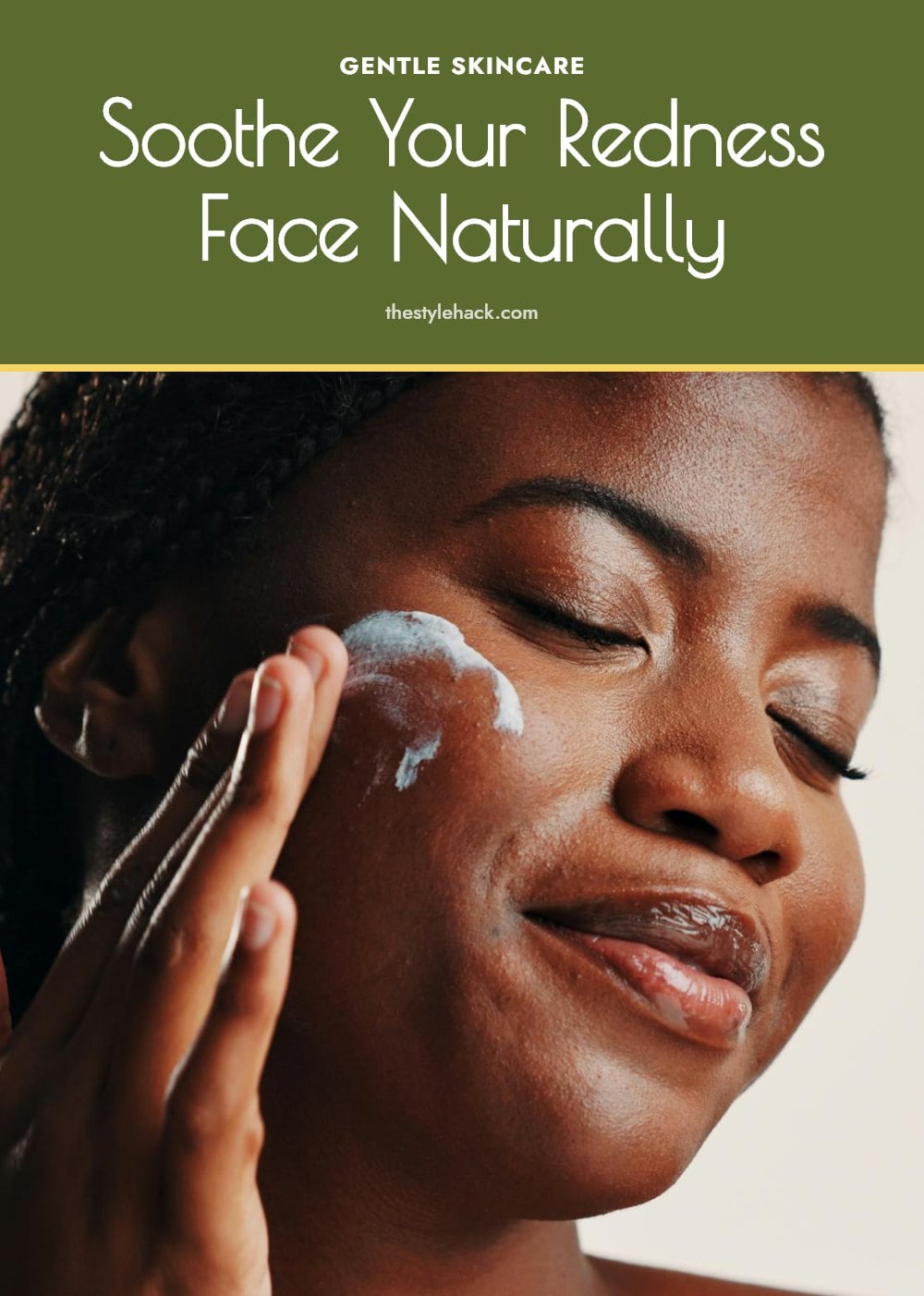
Facial redness can be frustrating, especially when you’re not sure what’s causing it. Whether it’s a temporary flush after a workout or a persistent issue that makes your skin feel sensitive, the right gentle approach can make a real difference. This article covers natural ways to calm redness at home, how to identify your triggers, and when it’s time to see a dermatologist.
Key Takeaways
- Cool compresses and aloe vera provide immediate soothing for facial redness.
- Always use a broad-spectrum sunscreen with SPF 30 or higher daily.
- Avoid harsh exfoliants and products with alcohol or strong fragrances.
- Consistent gentle care over several days to weeks is often needed for lasting results.
- Consult a dermatologist if redness persists or worsens after gentle home care.
1. How to Soothe Facial Redness Naturally
Facial redness can often be calmed with gentle, natural remedies like aloe vera, colloidal oatmeal, and cool compresses. The key is to reduce inflammation, protect your skin barrier, and identify your personal triggers. A consistent, gentle skincare routine is essential for lasting relief, and daily sun protection is non-negotiable.
2. Why Your Face Might Be Red
3. Why Your Face Might Be Red
Redness often signals inflammation or irritation in the skin. Common culprits include sun exposure, harsh products, allergic reactions, and underlying conditions like rosacea or eczema. A weakened skin barrier can make your skin more vulnerable to these triggers.
- Sun exposure: UV rays are a major trigger for redness and can worsen conditions like rosacea.
- Harsh products: Ingredients like alcohol, fragrances, and certain essential oils can irritate sensitive skin.
- Allergic reactions: Contact with an allergen can cause immediate or delayed redness.
- Underlying conditions: Rosacea, eczema, and acne often present with redness as a key symptom.
- Weakened barrier: When your skin’s protective layer is compromised, it becomes more reactive and prone to flushing.
4. Your At-Home Redness Relief Kit
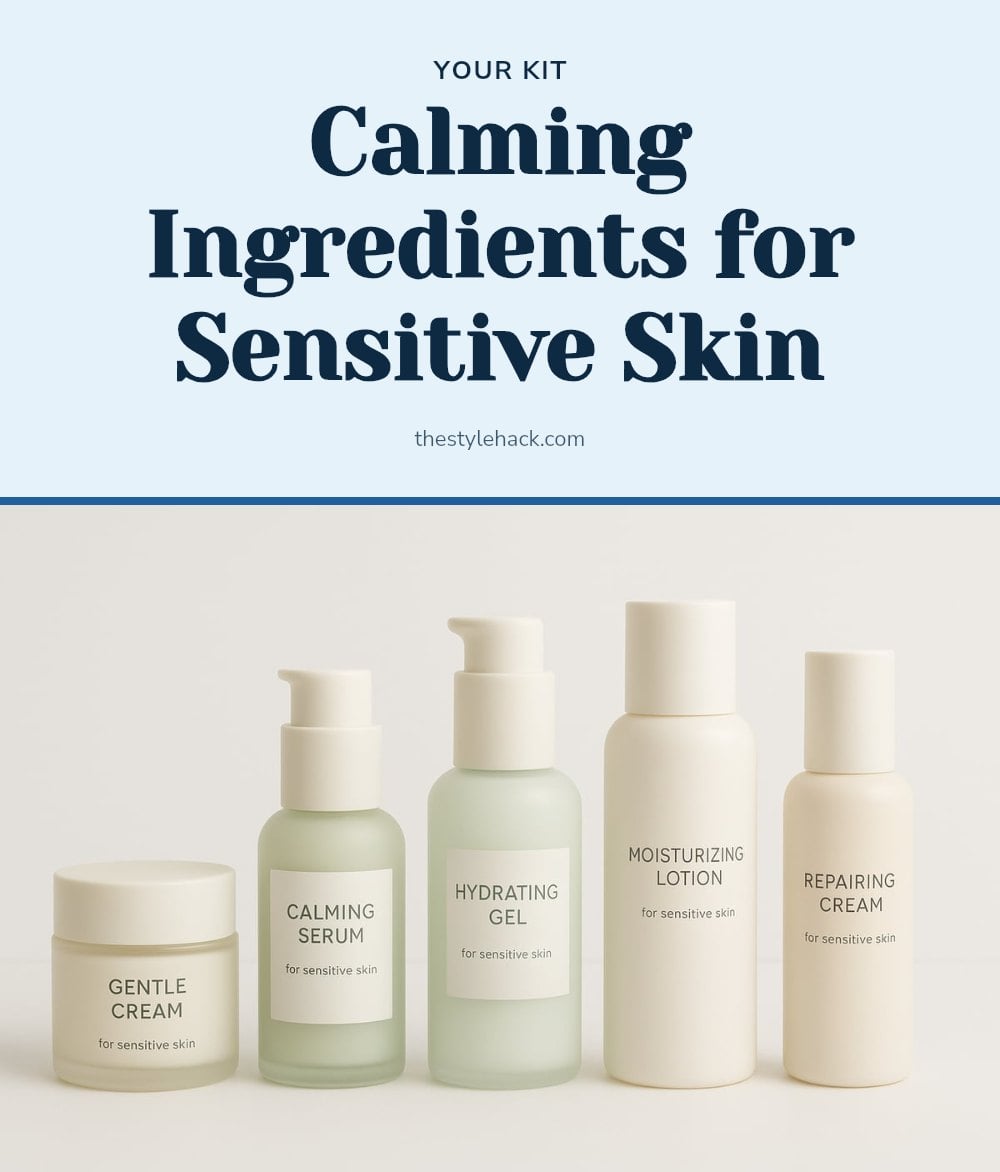
Stock your bathroom with these essentials for at-home redness relief.
- Gentle cleanser: Look for fragrance-free, sulfate-free formulas that won’t strip your skin.
- Moisturizer: A rich, calming cream supports the skin barrier and locks in hydration.
- Sunscreen: Broad-spectrum SPF 30+ is non-negotiable for daily protection.
- Pure aloe vera gel: Apply directly for immediate soothing.
- Colloidal oatmeal: Use in masks or baths for its anti-inflammatory properties.
- Green tea bags: Brew, cool, and use as compresses to reduce inflammation.
- Raw honey: Apply as a gentle, antibacterial mask.
5. Natural Ways to Calm Redness
6. Natural Ways to Calm Redness
I’ve found these five methods especially effective for calming redness at home.
Cool compresses: Apply a clean cloth soaked in cool water to your face for 5-10 minutes. The cool temperature constricts blood vessels, providing immediate relief. Tip: Add a couple of brewed and cooled green tea bags to the cloth for extra antioxidant benefits.
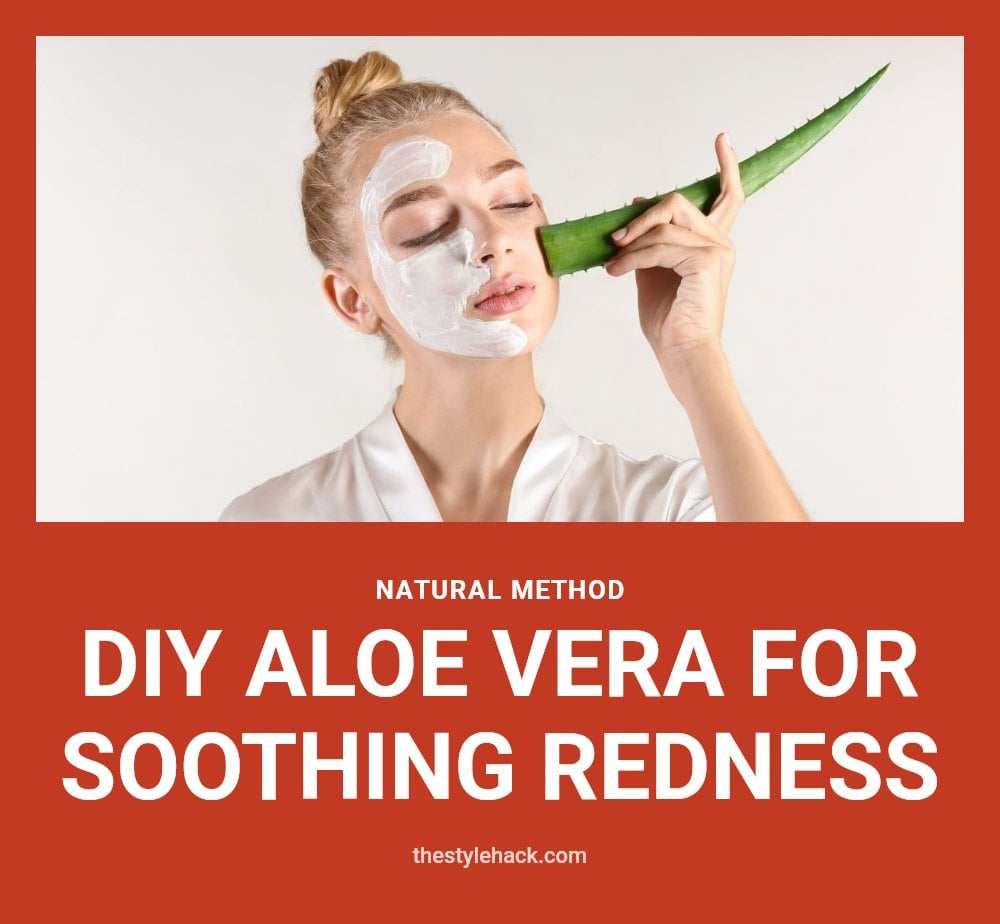
Aloe vera: Use pure aloe vera gel directly from the plant or a fragrance-free gel. Its anti-inflammatory properties soothe irritated skin. Apply a thin layer and leave it on as a leave-on treatment.
Colloidal oatmeal mask: Mix colloidal oatmeal with a little water to form a paste. Apply to your face and leave it on for 15 minutes. Oatmeal calms inflammation and protects the skin barrier. Caution: Avoid scrubbing; gently rinse with lukewarm water.
Green tea compresses: Steep two green tea bags in hot water, then refrigerate until cool. Place the bags over red areas for 5-10 minutes. The antioxidants in green tea may help reduce inflammation.
Honey mask: Apply a thin layer of raw, unpasteurized honey to clean skin. Leave it on for 15-20 minutes, then rinse with lukewarm water. Honey offers gentle antibacterial and anti-inflammatory benefits. My tip: I like to use this mask once a week when my skin feels particularly reactive.
7. Common Mistakes Making Redness Worse
When you’re dealing with redness, it’s easy to make things worse without realizing it. Here are the most common mistakes I see and why they backfire.
- Over-exfoliating: Harsh scrubs or strong chemical exfoliants strip your skin’s protective layer, leaving it raw and more prone to redness. If your skin feels tight or stings, you’ve gone too far.
- Ignoring sun protection: Sun exposure is a major redness trigger and can worsen conditions like rosacea. Skip SPF and you’re undoing all your calming efforts.
- Using hot water: Very hot water dilates blood vessels, which can cause flushing that lingers for hours. Stick to lukewarm when washing your face.
- Aggressive towel drying: Rubbing your face with a towel creates friction and irritation. Pat your skin dry gently instead.
- Frequent product switching: Sensitive skin needs time to heal and adapt. Constantly trying new products overwhelms it and can trigger more redness. Give each product at least a couple of weeks before judging it.
8. Preventing Future Redness Flare-Ups
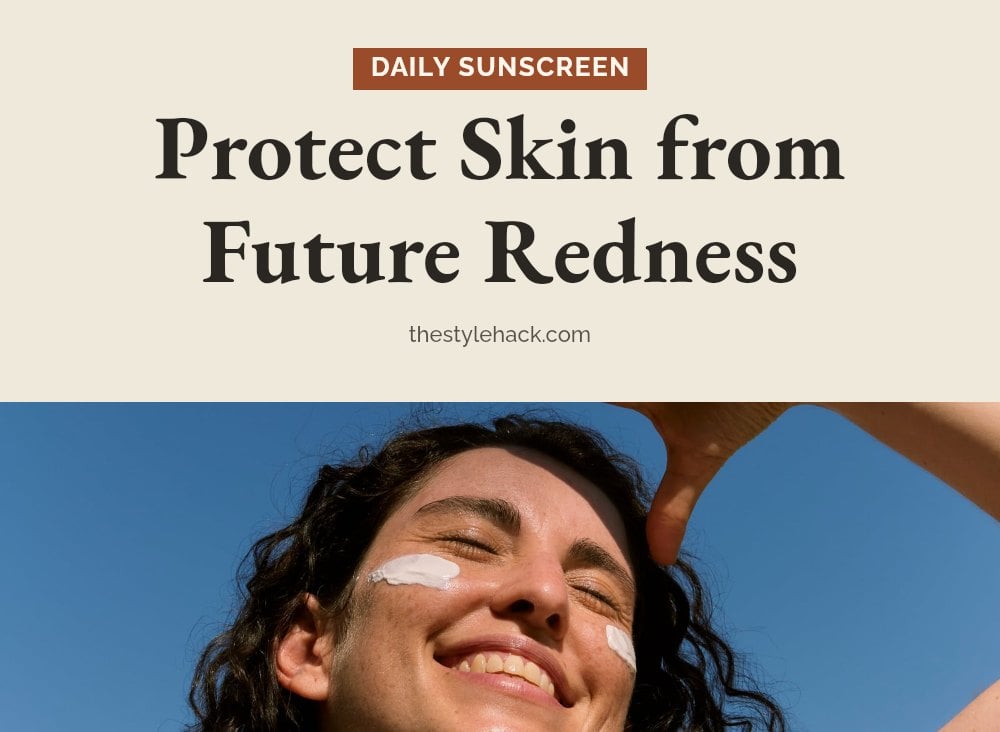
Preventing redness starts with knowing what sets it off. Keep a mental note of flare-ups and look for patterns, whether they follow a spicy meal, a cold wind, or a new serum. Once you spot a trigger, avoid it consistently. That single habit does more than any product.
Stick to a simple, steady routine. Use fragrance-free and alcohol-free cleansers and moisturizers, and give each product at least two weeks before judging it. Frequent switching keeps your skin in a state of reaction.
Sun protection is non-negotiable. Apply a broad-spectrum SPF 30+ every morning, even on cloudy days, because UV exposure is a major redness trigger. Reapply if you are outdoors for more than two hours.
Stress can also fan the flames. Build in short breaks for deep breathing or a walk, and prioritize sleep. Hydration matters too. A gentle moisturizer applied morning and night supports your skin barrier, making it more resilient to whatever comes its way.
9. When to Talk to a Dermatologist
Most redness can be managed at home, but some situations call for a dermatologist. If your redness is persistent, worsening, or doesn’t improve after a few weeks of gentle care, it’s worth getting a professional opinion to rule out conditions like rosacea, eczema, or an allergic reaction.
Seek immediate medical attention if redness comes with pain, swelling, pus, or fever, as these can signal an infection or a more serious reaction. Also, stop using any product that causes burning, stinging, or severe irritation, and see a doctor if the reaction spreads or doesn’t settle quickly.
My tip: Keep a simple log of your flare-ups, including products, foods, and weather. It helps your dermatologist spot patterns faster and saves you time during the appointment.
10. Frequently Asked Questions
11. Can diet affect facial redness?
Yes, certain foods can trigger redness in some people. Spicy foods, alcohol, and hot drinks are common culprits that may cause flushing. Keeping a food diary can help you identify your personal triggers. On the flip side, anti-inflammatory foods like leafy greens and fatty fish may support overall skin health.
12. Is redness a sign of sensitive skin?
Redness can be a sign of sensitive skin, but it’s not the only indicator. Sensitive skin often reacts easily to products or environmental factors, leading to stinging, burning, or redness. If your skin frequently turns red after using new products or being in the sun, you likely have a sensitive skin type.
13. How long does it take for natural remedies to reduce redness?
Some natural remedies like cool compresses can provide immediate, temporary relief. For a noticeable reduction in overall redness, consistent use over several days to weeks is usually necessary. The timeline depends on the cause of the redness and how well you avoid your triggers during that time.
14. What’s the difference between temporary and persistent redness?
Temporary redness is short-lived and often triggered by things like exercise, heat, or emotional stress. It typically fades within minutes to hours. Persistent redness sticks around for days or weeks and may indicate an underlying issue like rosacea, eczema, or a damaged skin barrier that requires more targeted care.
15. Can stress cause facial redness?
Yes, stress can trigger or worsen facial redness. When you’re stressed, your body releases hormones that can increase inflammation and make blood vessels dilate. For people with conditions like rosacea or sensitive skin, this can lead to visible flushing or flare-ups. Managing stress through relaxation techniques may help.
16. Are there foods that can reduce redness?
Some foods with anti-inflammatory properties may help calm redness from the inside out. Examples include foods rich in omega-3 fatty acids (like salmon and walnuts) and antioxidants (like berries and green tea). That said, dietary changes are not a cure-all and should complement a gentle skincare routine.
17. Final Thoughts
My main recommendation is to start with the simplest routine: a gentle cleanser, a calming moisturizer, and daily sunscreen. Stick with it for at least two weeks before trying anything new. Most redness responds well to patience and consistency, but if you don’t see improvement, a dermatologist can help rule out underlying conditions like rosacea or eczema.
This article is for informational purposes only and does not constitute medical or professional advice. Facial redness can have many causes, and what works for one person may not work for another. If your redness is persistent, painful, or accompanied by other symptoms, please consult a dermatologist or healthcare professional for a proper diagnosis and treatment plan.
More Blog ideas
- How to Heal Chapped Lips Overnight with Simple Steps
- Atomic Habits: 5 Lessons to Build Better Habits
- Hyaluronic Acid for Beginners
- How to Build a Gentle Skincare Routine for Sensitive Skin
- Beat Frizzy Hair: Easy Remedies for Smooth, Shiny Strands
- How to Increase Your Daily Drinking Water Intake
- Washing Hair Mistakes to Avoid and What to Do Instead
- Bleaching Hair Tips for Less Damage
- How to Make Your Body Mist Last Longer All Day
- How to Fix Your Skincare Routine
- Nervous System Regulation Tips
- Vagus Nerve Exercises for Stress Relief






