Natural Remedies for Bald Spots: Your Guide to Hair Regrowth
Discover effective natural remedies for bald spots, from essential oils to diet tips. Learn how to encourage hair regrowth and when to see a professional.

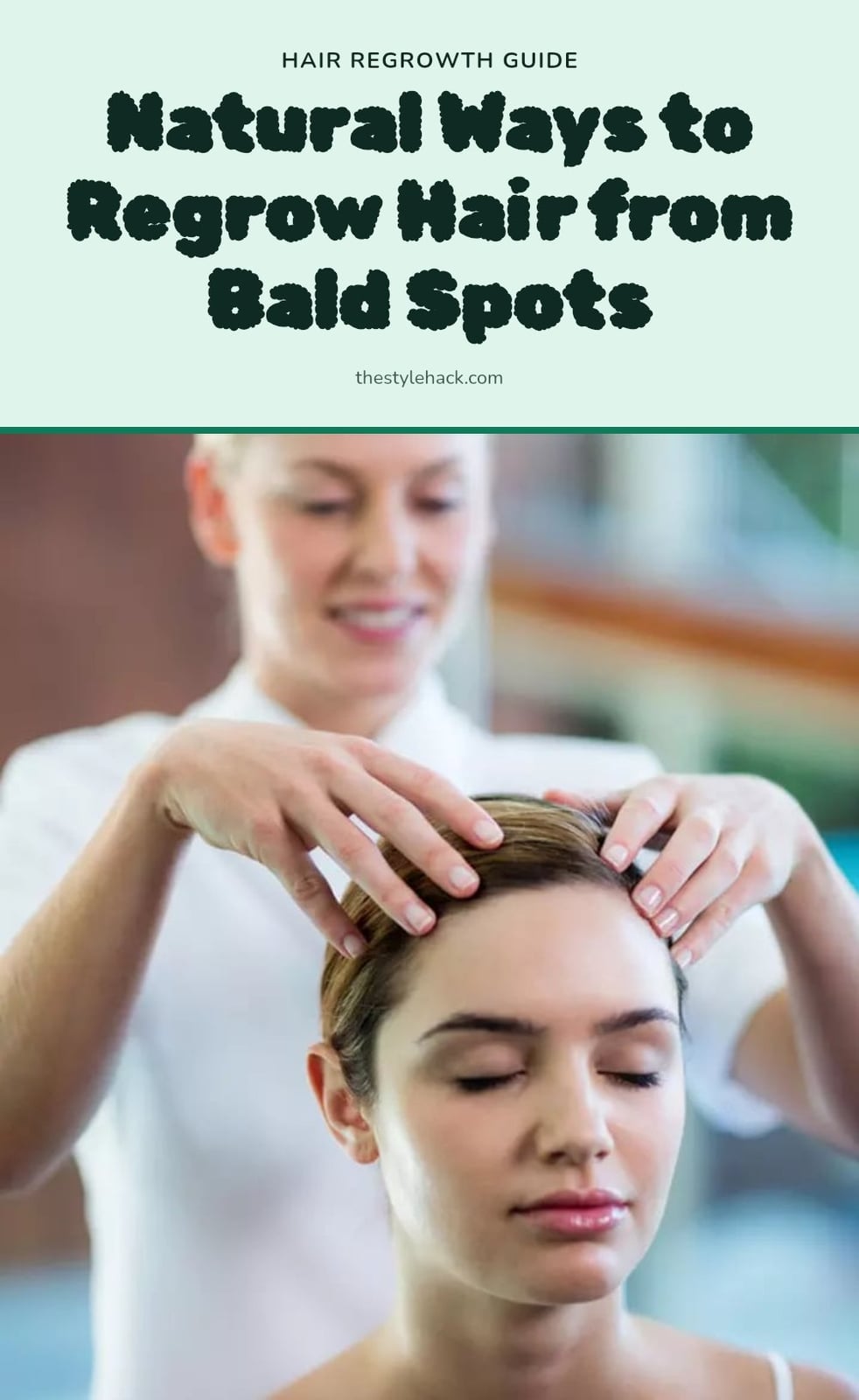
Dealing with bald spots can feel overwhelming, but you’re not alone. Whether your hair loss is from stress, styling habits, or something else, there are natural approaches that may support regrowth and improve the health of your scalp. While these remedies aren’t a cure for medical conditions, they can be a gentle, at-home starting point.
In this article, I’ll walk you through the most talked-about natural remedies, from scalp massage to essential oils, and share practical tips on how to use them safely and consistently. You’ll also learn when it’s time to see a professional.
Key Takeaways
- Massage your scalp daily for 5-10 minutes to boost circulation.
- Always dilute essential oils with a carrier oil before applying.
- Give any natural remedy at least 3-6 months of consistent use.
- Eat a balanced diet with biotin, iron, zinc, and vitamins A, C, D, E.
- See a doctor if bald spots appear suddenly or worsen rapidly.
1. Can Natural Remedies Help with Bald Spots?
Natural remedies can support hair health and may help stimulate regrowth in some cases, especially when hair loss is due to non-medical causes like stress or styling habits. However, they are not a cure for underlying medical conditions that cause bald spots, and results vary widely from person to person. Consistency is key, but if your bald spots persist, worsen, or appear suddenly, it’s essential to consult a healthcare professional to rule out conditions like alopecia areata or thyroid disorders.
2. 1. Scalp Massage for Circulation
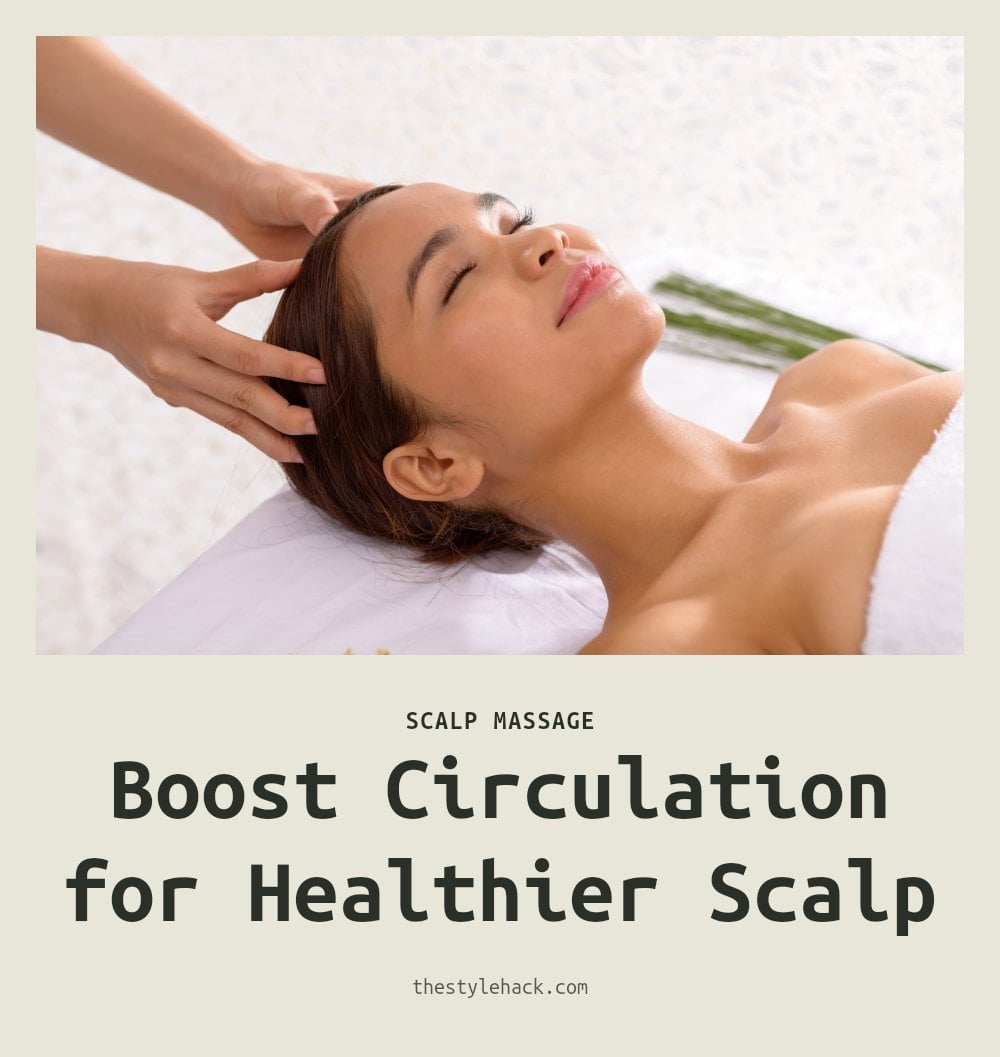
Gently massaging your scalp daily can increase blood circulation to hair follicles, which is believed to support hair growth. Use your fingertips in small, circular motions for 5-10 minutes each day.
- Relaxing ritual: Make it a calming habit before bed or during your shower to help reduce stress, which can also impact hair health.
- Consistency matters: Aim for daily massage to see potential benefits over time.
3. 2. Rosemary Essential Oil Treatment
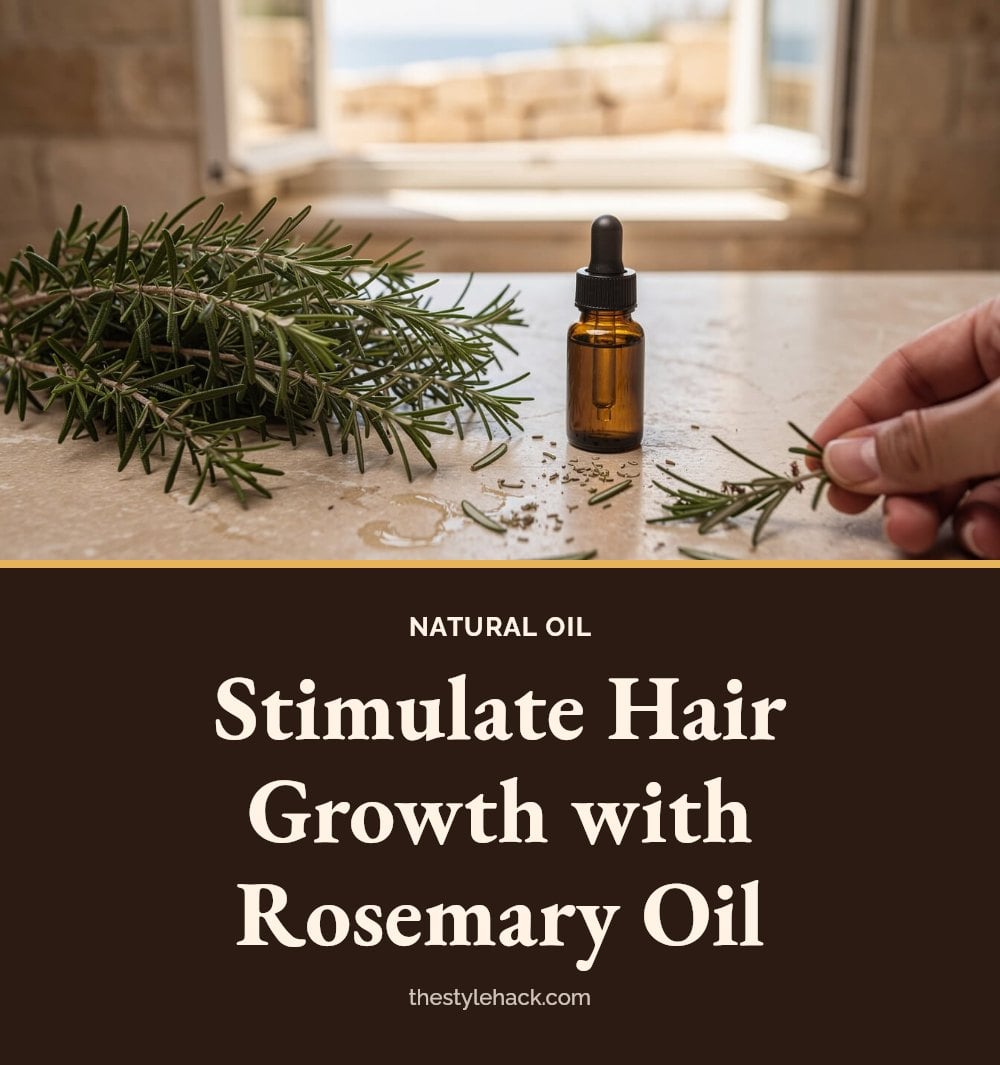
Rosemary essential oil is often cited for its potential to stimulate hair growth, similar to some conventional treatments. Always dilute it: mix 2-3 drops of rosemary oil with a tablespoon of a carrier oil like coconut or jojoba oil.
- Application: Massage the blend into bald spots and leave it on for at least 30 minutes before shampooing.
- Patch test first: Apply a small amount to your inner arm and wait 24 hours to check for any allergic reaction.
4. 3. Peppermint Essential Oil Boost

Peppermint essential oil is another popular choice, believed to increase circulation and promote hair growth. Like rosemary, it must be diluted: use 1-2 drops per tablespoon of carrier oil.
- Application: Apply the diluted oil to your scalp, focusing on bald areas, and rinse after 20-30 minutes.
- Caution: Always patch test before full application, as peppermint can cause irritation in sensitive individuals.
5. 4. Aloe Vera for Scalp Soothing
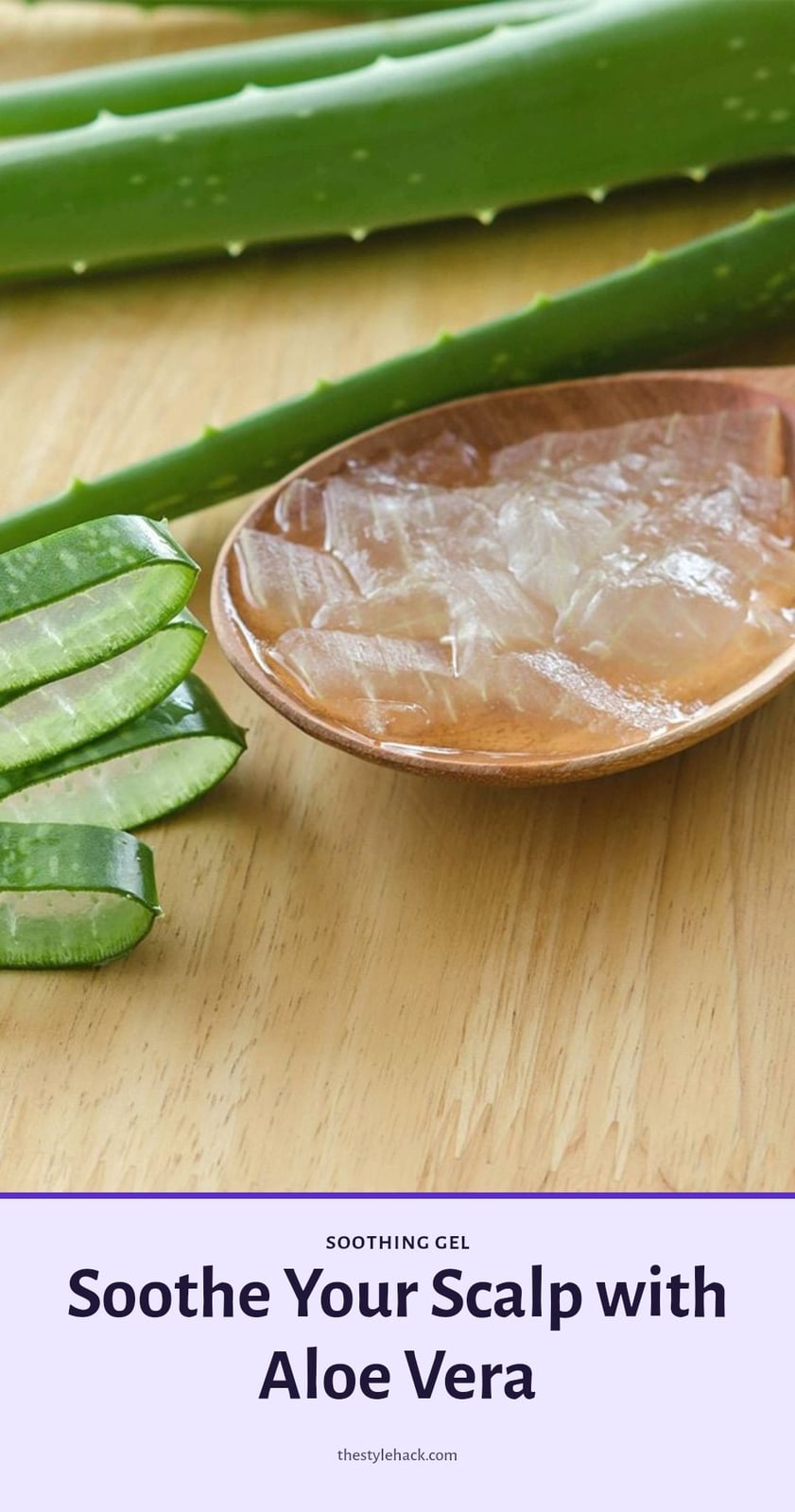
Apply pure aloe vera gel: Aloe vera is known for its soothing properties and may help reduce scalp inflammation, creating a healthier environment for hair growth. Use pure aloe vera gel directly on the bald spots and surrounding scalp.
Leave it on for at least an hour before rinsing, or you can leave it on overnight. The gel is gentle enough for daily use, which makes it a simple addition to your routine.
6. 5. Onion Juice for Sulfur Content
Extract onion juice: Some believe onion juice, rich in sulfur, can improve blood circulation to the scalp and boost collagen production for hair growth. Grate an onion and squeeze the pulp through a cloth to extract the juice.
Apply the juice directly to bald spots and leave it for 15-30 minutes. Shampoo thoroughly afterward to remove the strong smell. Use this treatment 2-3 times a week for best results.
7. 6. Green Tea Rinse for Antioxidants
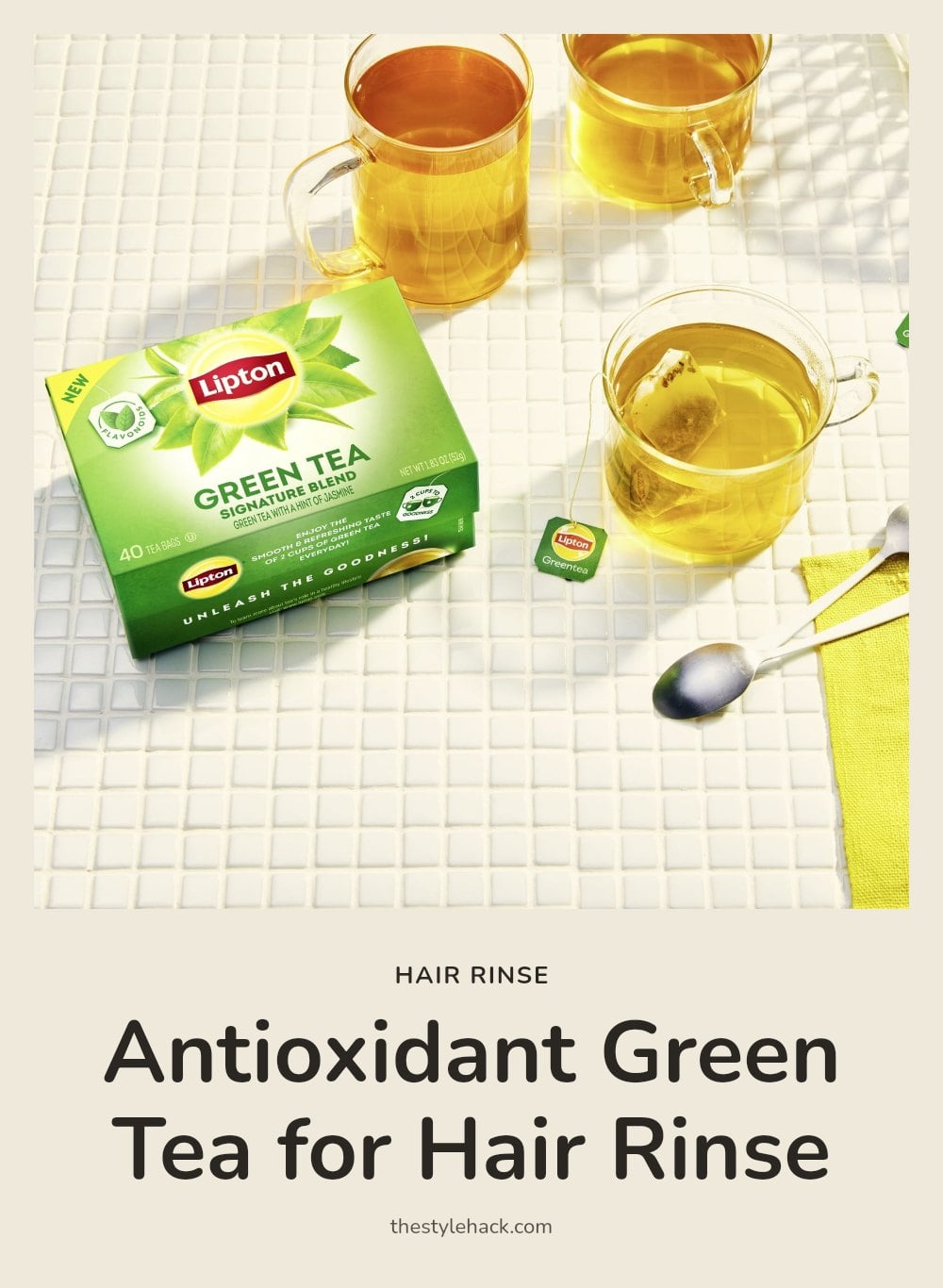
Brew green tea: Green tea is packed with antioxidants and may help reduce hair loss by potentially inhibiting DHT, a hormone linked to hair loss. Brew two green tea bags in a cup of hot water and let the tea cool completely.
After shampooing, pour the cooled tea over your scalp and massage it gently. Leave the rinse on for 10-15 minutes before a final rinse with water. Use this treatment a few times a week.
8. 7. Balanced Diet for Hair Health
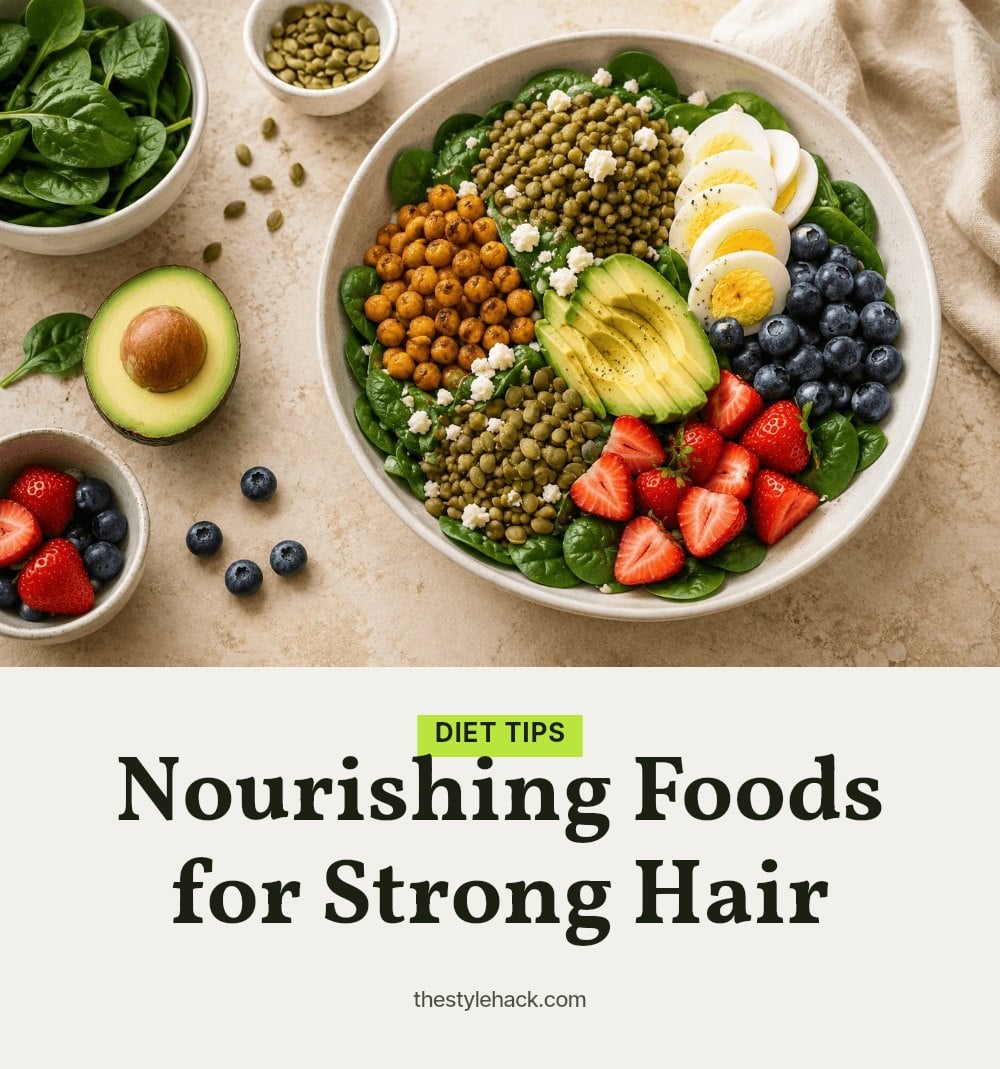
Eat for hair health: A balanced diet rich in vitamins and minerals is crucial for overall hair health, supporting existing follicles and new growth. Focus on biotin from eggs and nuts, iron from leafy greens, zinc from legumes, and vitamins A, C, D, and E from fruits, vegetables, and healthy fats.
My tip: Think of your hair as needing nourishment from the inside out. A varied diet gives your body the building blocks it needs for strong, healthy hair.
9. 8. Stress Management Techniques
Stress can significantly contribute to hair loss, particularly conditions like telogen effluvium, where hair sheds prematurely. Incorporate stress-reducing activities into your daily routine, such as yoga, meditation, deep breathing exercises, or spending time in nature. Addressing stress is a powerful, often overlooked, natural remedy for your whole body, including your hair.
10. 9. Apple Cider Vinegar Scalp Rinse
Apple cider vinegar (ACV) is sometimes used as a scalp rinse to balance pH and remove buildup, which can indirectly support hair health. Mix one part ACV with two parts water. After shampooing, pour over your scalp and let it sit for a few minutes before rinsing. Use once or twice a week.
Caution: Avoid getting it in your eyes, and always dilute it.
11. 10. Castor Oil for Thickening
Castor oil is a popular carrier oil, often used for its potential to moisturize the scalp and hair, and some believe it can help thicken hair. Massage a small amount of pure castor oil directly onto bald spots or thinning areas. Leave it on overnight (protect your pillow) and shampoo out in the morning. Use 2-3 times a week.
12. 11. Gentle Hair Care Practices
Harsh chemicals, excessive heat styling, and tight hairstyles can exacerbate hair loss and bald spots. Switch to mild, sulfate-free shampoos and conditioners. Air-dry your hair when possible, and avoid tight ponytails or braids. Treat your hair gently, especially when wet, to minimize breakage and stress on your follicles.
13. When to Consult a Professional
If your bald spots appear suddenly, expand rapidly, or come with pain, itching, scaling, or pus, see a doctor or dermatologist. Natural remedies are not a substitute for medical treatment for underlying conditions like alopecia areata, thyroid disorders, or fungal infections. A professional can determine the root cause of your hair loss and recommend appropriate medical treatments if needed.
14. Frequently Asked Questions
15. How long do natural remedies take to show results?
Most natural remedies take time, and you may need to apply them consistently for at least 3 to 6 months before seeing any noticeable change in hair growth or density. Hair grows slowly, so patience is key. If you don’t see improvement after several months, or if the spot worsens, consult a professional.
16. Can stress cause bald spots?
Yes, stress can contribute to hair loss, particularly a condition called telogen effluvium, where hair sheds prematurely. This type of hair loss often appears a few months after a stressful event. Managing stress through activities like yoga, meditation, or deep breathing can help reduce its impact on your hair.
17. Are there any side effects to natural hair remedies?
Some natural ingredients, especially essential oils, can cause skin irritation or allergic reactions in sensitive individuals. That’s why a patch test is essential before applying anything to your scalp. If you experience itching, redness, or burning, stop using the remedy immediately and wash the area. If symptoms persist, see a doctor.
18. What vitamins are good for hair growth?
Vitamins A, C, D, and E, along with minerals like biotin, iron, and zinc, are crucial for healthy hair. You can get these from a balanced diet that includes eggs, nuts, leafy greens, legumes, and fruits. A deficiency in any of these nutrients may contribute to hair thinning, so focus on eating a variety of nutrient-dense foods.
19. Is it normal to shed hair when starting a new remedy?
Some people notice extra shedding when they begin a new hair treatment, but this isn’t common for all remedies. It could be a reaction to the product or a sign of an underlying issue. If you see a sudden increase in hair loss, stop the remedy and talk to a dermatologist. Shedding that continues or worsens is not normal.
20. Final Thoughts
If you’re ready to try natural remedies, my tip is to pick one or two that fit your routine and stick with them for at least three months. Consistency matters more than trying everything at once. Start with daily scalp massage and a diluted rosemary oil treatment, and pair that with a nutrient-rich diet and stress management.
Expect to wait a few months before you notice any real change, and remember that results vary. If your bald spot is growing, painful, or doesn’t improve, don’t hesitate to see a dermatologist. Your hair health is worth the attention.
This article is for general information only and is not medical advice. Natural remedies may not work for everyone, and they are not a substitute for professional treatment. If you have persistent, sudden, or severe hair loss, or if you notice pain, scaling, or pus, please consult a doctor or dermatologist.
More Blog ideas
- How to Heal Chapped Lips Overnight with Simple Steps
- Atomic Habits: 5 Lessons to Build Better Habits
- Hyaluronic Acid for Beginners
- How to Build a Gentle Skincare Routine for Sensitive Skin
- Beat Frizzy Hair: Easy Remedies for Smooth, Shiny Strands
- How to Increase Your Daily Drinking Water Intake
- Washing Hair Mistakes to Avoid and What to Do Instead
- Bleaching Hair Tips for Less Damage
- How to Make Your Body Mist Last Longer All Day
- How to Fix Your Skincare Routine
- Nervous System Regulation Tips
- Vagus Nerve Exercises for Stress Relief






