Natural Remedies for Thicker, Fuller Hair
Discover natural remedies and lifestyle changes to achieve thicker, fuller hair. Learn effective techniques and common mistakes to avoid for healthier hair.

You want thicker, fuller hair, and you want to do it naturally. The truth is, while your genes set the stage for your hair’s thickness, you can absolutely improve its density and strength with the right routine. This article covers the most effective natural remedies, from scalp massage to dietary changes, to help you get the healthiest, fullest hair possible.
Key Takeaways
- Massage your scalp daily for 5-10 minutes to boost circulation to hair follicles.
- Always dilute essential oils like rosemary or peppermint with a carrier oil before applying.
- Eat a diet rich in protein, B vitamins, iron, and zinc to nourish hair from within.
- Minimize heat styling and always use a heat protectant to prevent breakage.
- Consult a doctor if you experience sudden or persistent hair loss to rule out underlying issues.
1. How to Get Thicker Hair Naturally
Achieving thicker hair naturally starts with a holistic approach: stimulating scalp health, nourishing follicles, and preventing breakage. While genetics do play a role, consistent use of natural remedies like scalp massage and essential oils can improve both hair density and strand thickness. Keep in mind that ‘thicker’ usually means increasing the volume and strength of your existing hair, not growing entirely new hair where follicles are no longer active.
2. 1. Massage Your Scalp Regularly

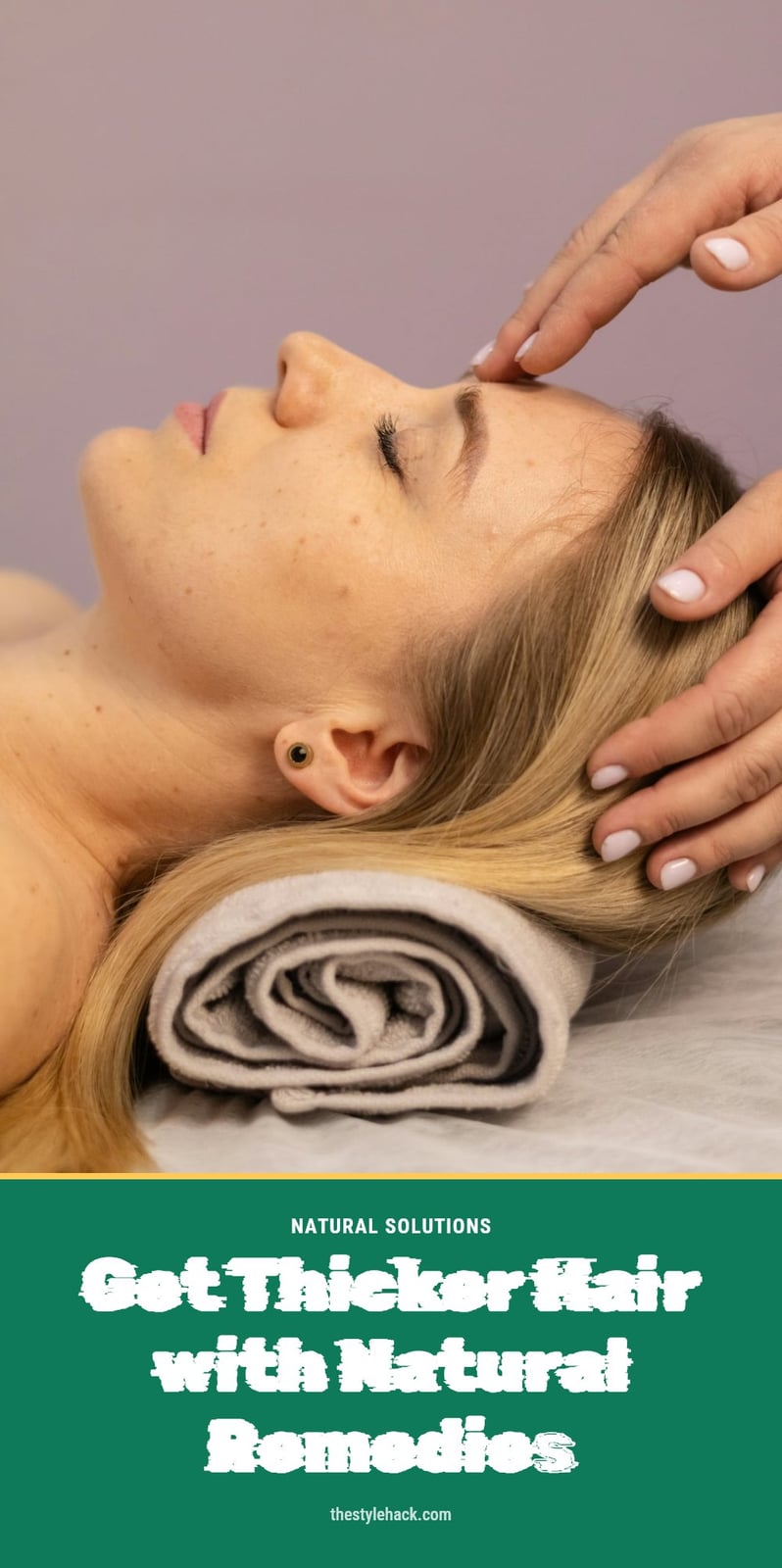
My tip: Gently massage your scalp for 5-10 minutes daily using your fingertips or a soft scalp massager. This action helps increase blood circulation to your hair follicles, which can support healthier hair growth and make your existing hair appear fuller. It’s a simple, relaxing habit that makes a big difference over time.
3. 2. Use Rosemary Essential Oil
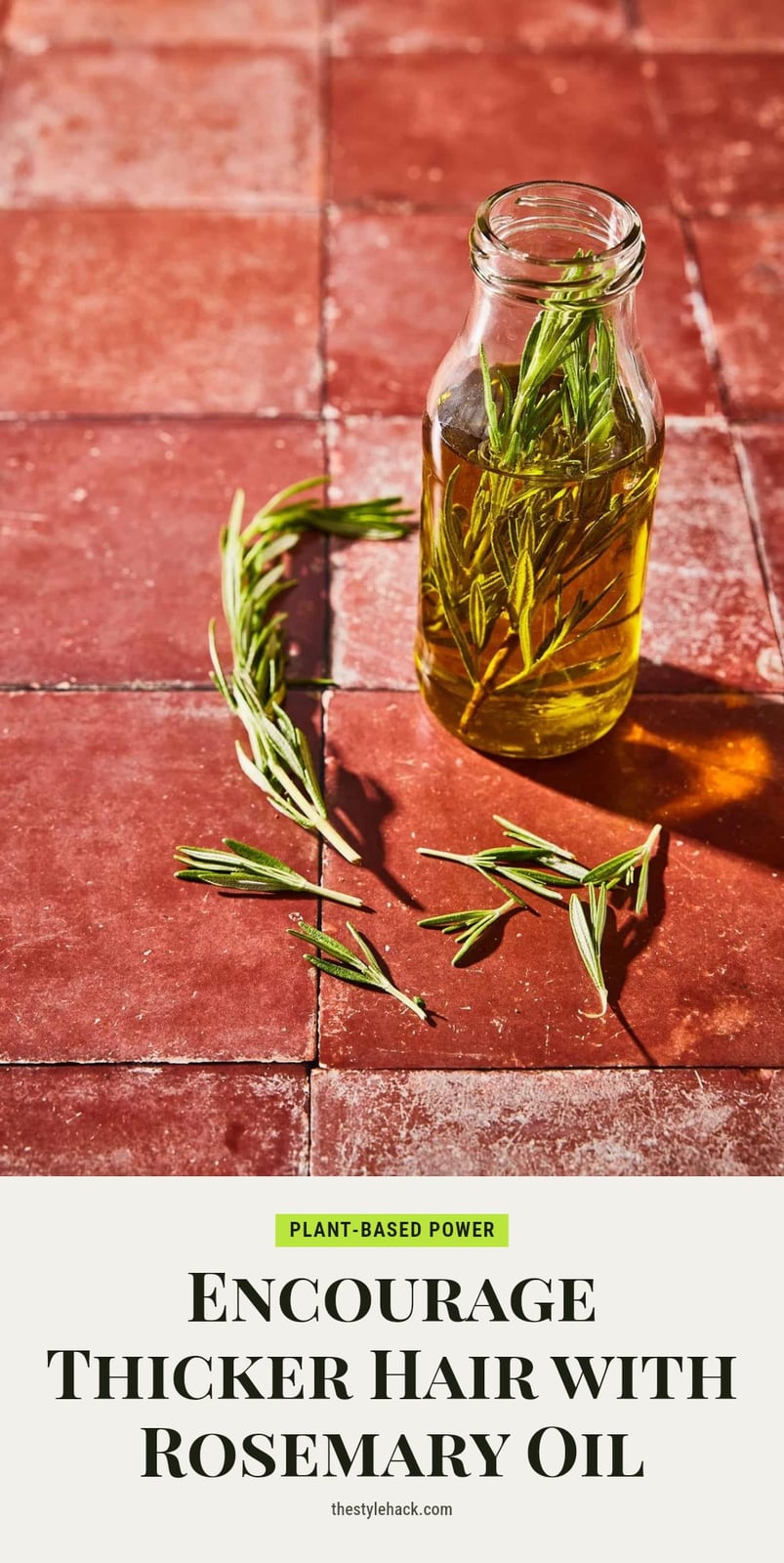
Rosemary oil has been studied for its potential to stimulate hair growth. My tip: always dilute it before use. Mix 2-3 drops of rosemary essential oil with a tablespoon of carrier oil like jojoba or coconut oil. Apply the mixture to your scalp and massage it in a few times a week. Leave it on for at least 30 minutes before shampooing.
- Why dilution matters: Undiluted essential oils can irritate your scalp or cause allergic reactions.
- Patch test first: Apply a small amount of the diluted oil behind your ear and wait 24 hours to check for redness or itching.
- Consistency is key: Use the treatment 2-3 times per week for several weeks to see potential results.
4. 3. Try Peppermint Essential Oil
Peppermint essential oil works similarly to rosemary, creating a noticeable tingling sensation on your scalp. That tingle signals increased blood circulation to the area, which can help awaken dormant follicles and encourage stronger hair growth. Tip: Always dilute 2-3 drops of peppermint oil with a full tablespoon of a carrier oil like jojoba or coconut before applying to your scalp. Never use it undiluted, as it can cause irritation.
5. 4. Incorporate Aloe Vera

Aloe vera is fantastic for scalp health, which is the foundation for thicker hair. Apply pure aloe vera gel directly to your scalp and hair, letting it sit for about 20-30 minutes before rinsing. It can soothe irritation and create a healthy environment for hair follicles.
6. 5. Nourish with a Balanced Diet

What you eat truly impacts your hair. A diet rich in protein, vitamins, and minerals is crucial. Focus on lean proteins, leafy greens, fruits, nuts, and seeds to provide your hair follicles with the nutrients they need. Think of it as feeding your hair from the inside out for optimal growth and strength.
7. 6. Protect Hair from Heat Damage
Excessive heat styling is a major culprit for hair breakage, making your hair appear thinner. My tip: Minimize the use of hot tools like flat irons and curling wands, and always use a heat protectant spray when you do. Air-drying your hair more often can significantly reduce damage and help maintain strand integrity.
8. 7. Manage Your Stress Levels

I’ve seen firsthand how stress can impact hair. High stress levels can contribute to hair thinning or loss. Incorporate stress-reducing activities like yoga, meditation, or spending time in nature into your routine. A calmer mind often leads to a healthier body, including your hair.
9. 8. Cleanse Gently and Regularly
Use a gentle, sulfate-free shampoo and conditioner to keep your scalp clean without stripping natural oils. Regular cleansing removes product buildup that can clog follicles, allowing your scalp to breathe and support healthy growth.
Find your balance: Over-washing dries out your scalp, while under-washing leads to buildup. Wash as often as your hair type needs, typically daily for normal hair to maintain a clean scalp environment.
10. 9. Avoid Tight Hairstyles
Tight ponytails, braids, and buns pull on your hair follicles, which can cause traction alopecia, a form of thinning along the hairline. Over time, this tension damages the follicle and leads to breakage.
Go loose: Choose styles like low, loose buns or soft braids that don’t strain your scalp. Give your hair a break from restrictive styles several days a week to prevent unnecessary stress.
11. 10. Consider Biotin Supplements
Biotin (Vitamin B7) is a popular supplement for strengthening hair strands. Many people take it hoping for thicker, stronger hair, but its effectiveness for those without a deficiency is debated.
Talk to a doctor first: Biotin can interact with other medications and may not be necessary for you. A professional can test for deficiencies and recommend the right approach for your health.
12. 11. Be Patient and Consistent
My biggest tip for anyone trying to thicken their hair naturally: consistency is key, and results take time. Hair grows slowly, so commit to your routine for several weeks to a few months before expecting visible change.
Stay the course: Don’t get discouraged if you don’t see immediate results. Natural methods rely on steady care, not quick fixes. Trust the process and keep going.
13. When to Consult a Professional
If you experience sudden, significant, or persistent hair loss, consult a doctor or dermatologist. Underlying medical conditions, hormonal imbalances, or nutrient deficiencies can cause thinning and require professional diagnosis. They can identify the root cause and recommend appropriate treatment. Self-diagnosing can delay effective care, so don’t hesitate to seek expert guidance.
14. Frequently Asked Questions
15. How long does it take to see results from natural hair thickening remedies?
Hair grows slowly, so results from natural remedies typically take several weeks to a few months of consistent use to become noticeable. Be patient and stick with your routine; you won’t see a dramatic change overnight.
16. Can stress cause hair to thin?
Yes, high stress levels can contribute to a temporary condition called telogen effluvium, where hair shifts into a shedding phase. Managing stress through activities like yoga or meditation can help reduce this type of hair thinning.
17. Are hair growth supplements effective for everyone?
Not necessarily. Supplements like biotin are popular, but they are most effective for people who have a deficiency. For those without a deficiency, the benefits are debated. It’s always a good idea to talk to a doctor before starting any supplement.
18. What foods are best for hair health?
A diet rich in protein, vitamins (especially B vitamins, C, D, and E), and minerals like iron and zinc is essential. Focus on lean proteins, leafy greens, fruits, nuts, and seeds to provide your hair follicles with the nutrients they need.
19. Is it possible to grow new hair where follicles are inactive?
No, natural remedies cannot grow new hair where follicles are no longer active. They work best to strengthen existing hair and improve its appearance. If you have areas of complete hair loss, a dermatologist can help determine the cause and discuss options.
20. Final Thoughts
My biggest recommendation is to start with one or two changes, like a daily scalp massage and swapping your shampoo for a sulfate-free option, and build from there. Realistic expectations are key: you’ll likely need to stick with your new routine for several weeks to a few months before you notice a visible difference. Stay consistent, and your hair will thank you for the care.
This article is for general informational purposes only and does not constitute medical advice. Hair thinning can be caused by underlying medical conditions, so if you experience sudden, significant, or persistent hair loss, please consult a doctor or dermatologist for a proper diagnosis and treatment plan.
More Blog ideas
- How to Heal Chapped Lips Overnight with Simple Steps
- Atomic Habits: 5 Lessons to Build Better Habits
- Hyaluronic Acid for Beginners
- How to Build a Gentle Skincare Routine for Sensitive Skin
- Beat Frizzy Hair: Easy Remedies for Smooth, Shiny Strands
- How to Increase Your Daily Drinking Water Intake
- Washing Hair Mistakes to Avoid and What to Do Instead
- Bleaching Hair Tips for Less Damage
- How to Make Your Body Mist Last Longer All Day
- How to Fix Your Skincare Routine
- Nervous System Regulation Tips
- Vagus Nerve Exercises for Stress Relief






