Natural Wavy Hair Routine: A Guide for 2A, 2C Hair
Unlock your best waves with this easy wavy hair routine! Learn how to wash, style, and dry 2A, 2B, or 2C hair for definition and frizz control.

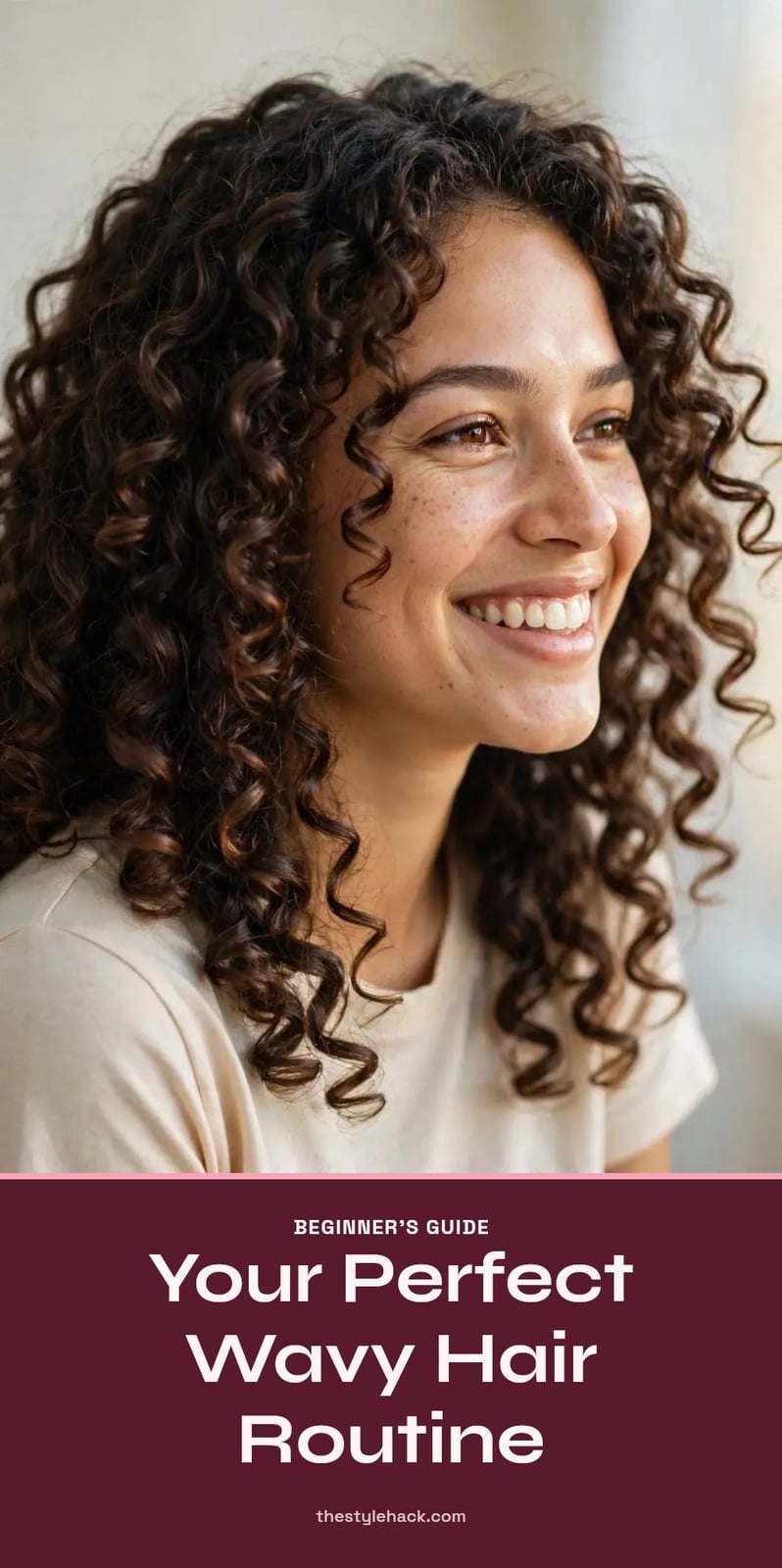
Struggling with frizzy, undefined waves? You’re not alone. Wavy hair has a mind of its own, but with the right routine, you can bring out your natural S-pattern and keep frizz at bay. This article walks you through a step-by-step styling method, essential products, and maintenance tips for 2A, 2B, and 2C hair. Get ready to embrace your waves with confidence.
Key Takeaways
- Use a sulfate-free shampoo and silicone-free conditioner to avoid stripping oils and buildup.
- Apply products to soaking wet hair and listen for a squishing sound to confirm saturation.
- Scrunch gently and hold sections to encourage wave formation without causing frizz.
- Diffuse on the lowest heat and air settings, moving the diffuser gently.
- Sleep on a satin or silk pillowcase to reduce friction and preserve waves overnight.
1. Your Go-To Wavy Hair Routine for Defined Waves
A wavy hair routine enhances your natural S-shaped pattern, whether you have 2A, 2B, or 2C hair. It focuses on specific washing, conditioning, styling, and drying techniques to minimize frizz, add volume, and maintain moisture without weighing your waves down. The key is using lightweight, sulfate-free, and silicone-free products that support your hair’s structure rather than stripping or coating it.
2. Essential Tools and Products for Wavy Hair
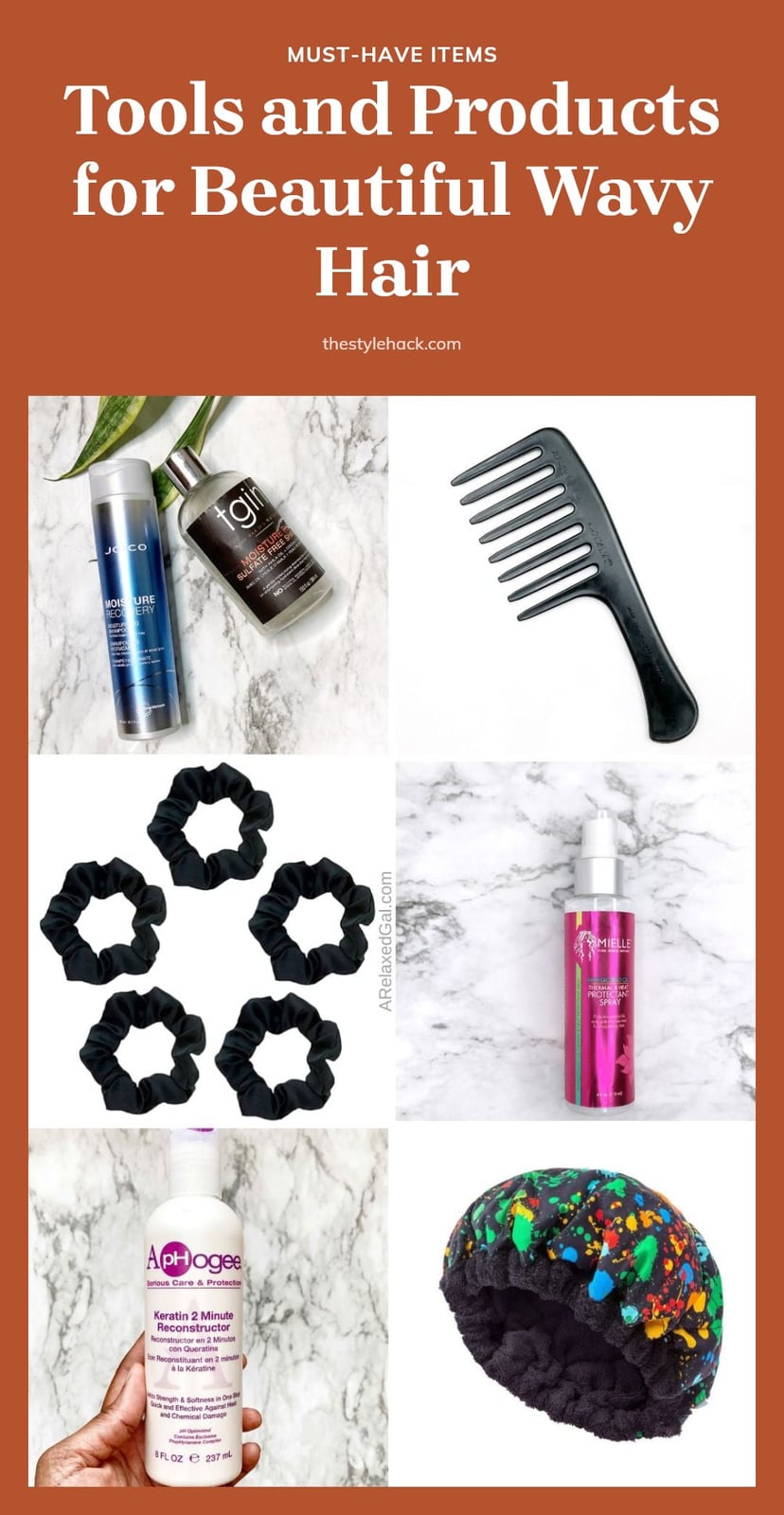
Start with a sulfate-free shampoo to cleanse without stripping natural oils. Follow with a silicone-free conditioner to moisturize without buildup. A leave-in conditioner adds extra moisture and helps with detangling. Use a curl cream or gel to define waves and provide hold. For drying, choose a microfiber towel or an old cotton t-shirt to gently blot your hair. A wide-tooth comb is essential for detangling wet hair. A diffuser attachment for your hair dryer reduces frizz. Protect your waves overnight with a satin or silk pillowcase or a bonnet.
3. Step-by-Step: My Frizz-Free Wavy Hair Styling Routine

Follow this method for defined waves with minimal frizz.
- Wet your hair thoroughly: Use a spray bottle to re-wet any sections that start to dry during styling. Listen for a squishing sound to confirm your hair is saturated enough for product absorption.
- Apply leave-in conditioner: Squish it into your hair to ensure absorption. This is especially helpful if your hair is dry, coarse, color-treated, or damaged.
- Distribute curl cream: Use a small amount and apply it evenly to avoid weighing down your waves.
- Brush hair while wet: With all products already applied, use a wide-tooth comb or your fingers to distribute them evenly from roots to ends. Only do this on thoroughly wet hair to prevent frizz.
- Scrunch and hold: Gently scrunch sections upward toward your scalp and hold for a few seconds. For more defined waves, you can finger-coil a section, then scrunch and hold.
- Apply gel or mousse: Use a lightweight gel or mousse all over your hair to hold the style. A spray gel can provide hold without crunchiness and maintain volume.
- Scrunch again: Work the gel or mousse in gently without causing frizz.
- Remove excess water: Use a cotton t-shirt towel to lightly scrunch your hair, absorbing extra water and speeding up drying.
- Diffuse on low: Use the lowest heat and air settings. Move the diffuser gently to avoid frizz. Avoid touching or over-scrunching your hair while it dries.
Prefer to watch? Hang walks through the whole method in this 4-minute video.
4. Understanding Your Wavy Hair Type
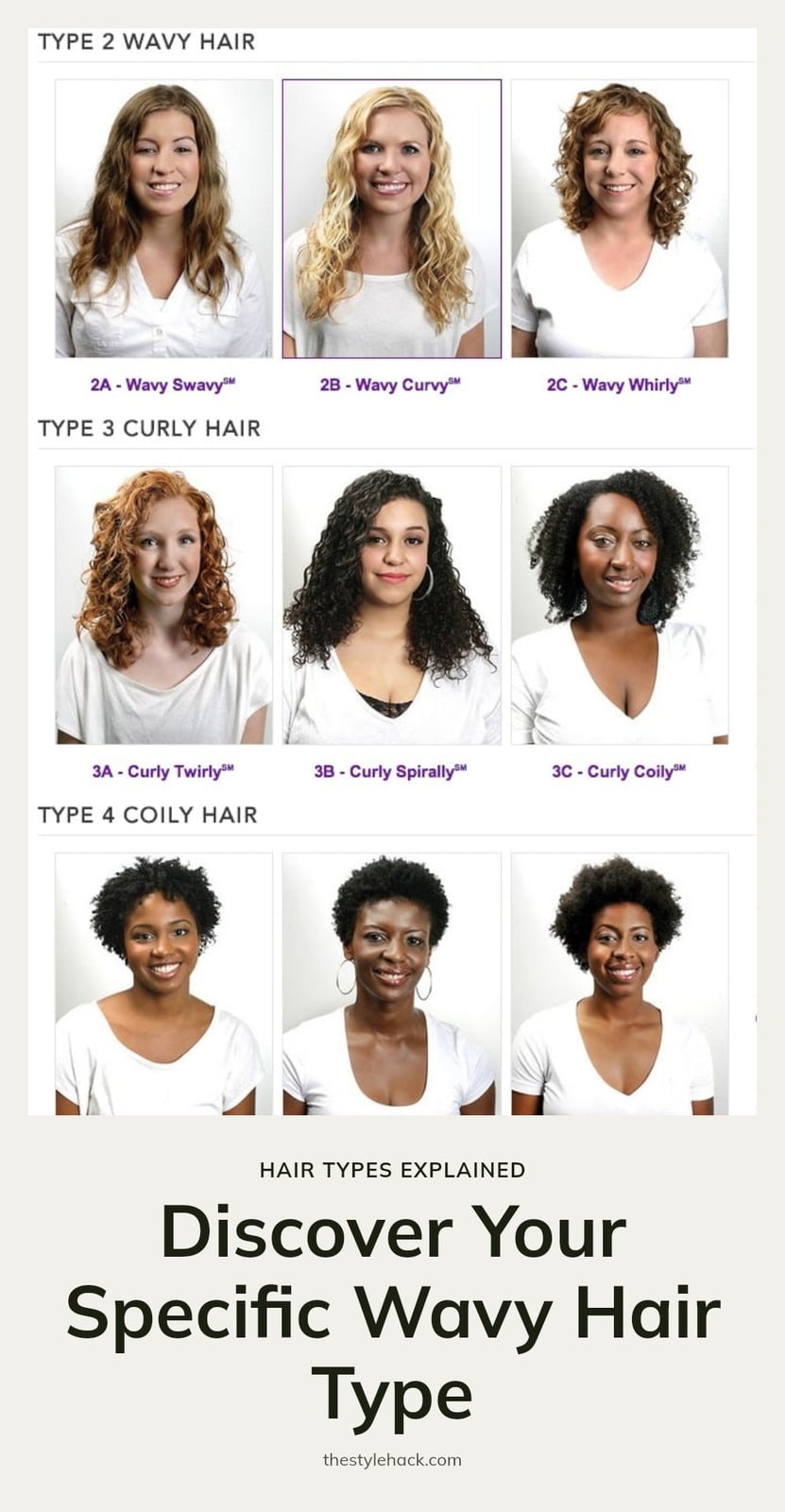
Wavy hair falls into three main types based on the wave pattern and texture. Knowing your type helps you choose the right products and techniques.
5. Type 2A
Fine hair with a loose, stretched-out S-shape. These waves can be easily straightened and are often more subtle.
6. Type 2B
Medium-textured hair with flatter roots and more defined S-shapes starting from the mid-shaft to the ends.
7. Type 2C
Thicker, coarser hair with well-defined S-patterns that start closer to the roots. These waves can border on curly.
Identifying your wave type helps you select the right products and techniques, such as using lightweight formulas for 2A and more moisturizing options for 2C.
8. Best Tips for Maintaining Wavy Hair
Detangle only when wet: Use a wide-tooth comb or your fingers on soaking wet, conditioned hair. Dry brushing breaks the S-pattern and causes frizz.
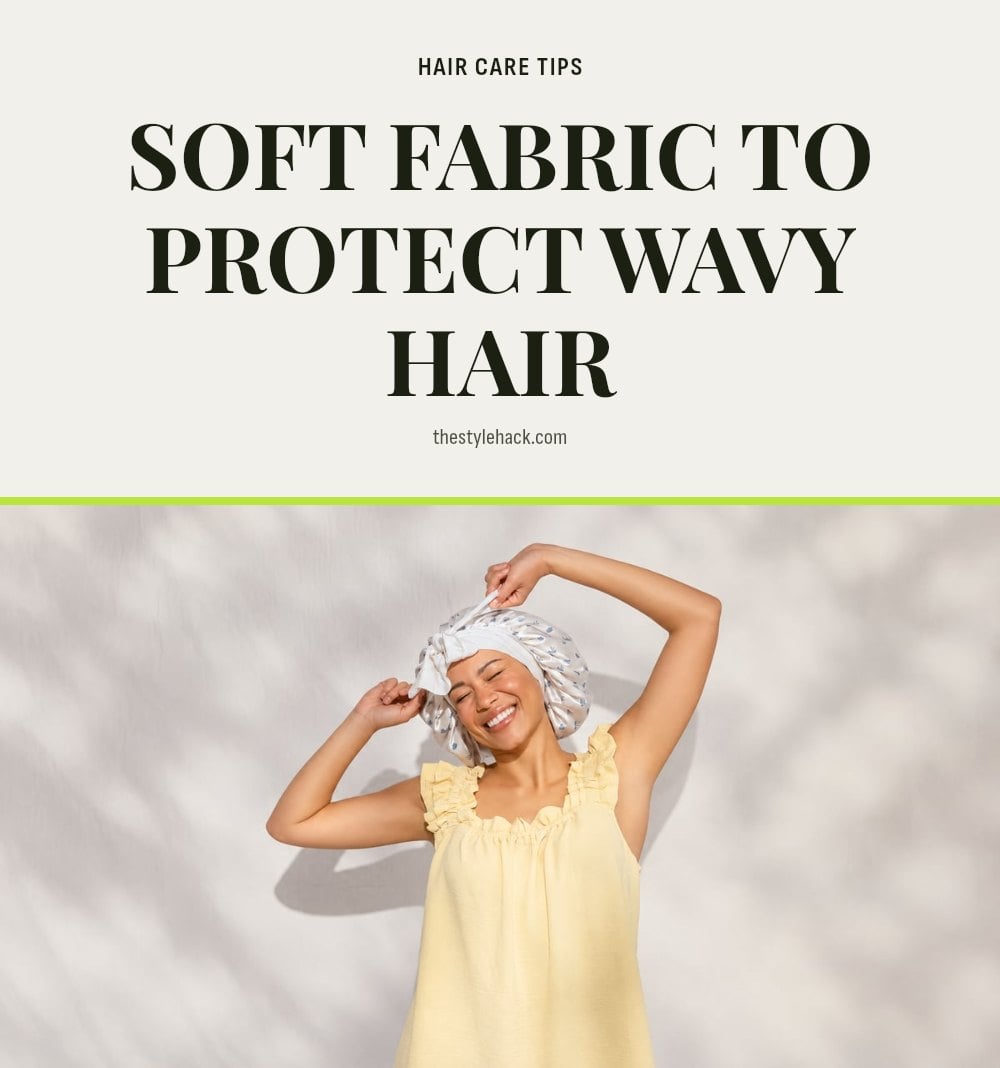
Protect waves overnight: Sleep on a satin or silk pillowcase, or wear a satin bonnet. This reduces friction, so you wake up with less frizz and more definition.
Deep condition weekly: A weekly deep conditioning treatment keeps your hair moisturized and healthy. Focus on the mid-lengths and ends.
Clarify once a month: Use a clarifying shampoo monthly to remove product buildup. Buildup can weigh down fine waves and block moisture.
Re-wet during styling: If your hair starts to dry while you apply products, use a spray bottle to re-wet it. Product absorption drops on dry hair.
Root clip for volume: For extra lift at the crown, clip sections of damp hair at the roots with hair clips. Let them air dry or diffuse as usual.
9. Common Wavy Hair Mistakes to Avoid
Brushing dry hair: This breaks up wave clumps and creates frizz. Always detangle when your hair is wet and has conditioner or leave-in on it.
Using heavy products: Thick creams or butters can flatten fine waves. Stick to lightweight gels, mousses, and curl creams labeled for wavy hair.
Rubbing with a terry towel: Vigorous rubbing lifts the cuticle and causes frizz. Gently blot or scrunch with a microfiber towel or a cotton t-shirt.
Over-washing: Washing daily strips natural oils, leaving waves dry and frizzy. Aim for 2-3 times a week, or as needed.
High heat diffusing: High heat damages the hair shaft and creates frizz. Always use the lowest heat and speed settings on your diffuser.
Styling on dry hair: Products sit on the surface instead of being absorbed, which can make hair look greasy. Apply everything to thoroughly wet hair.
10. Timeline for Results and Routine Frequency
You will see wave definition and reduced frizz immediately after your first styled wash. Consistent wave patterns and better hair health develop over several weeks of following the routine.
Wash frequency: Wash your hair 2-3 times per week. Adjust based on how oily your scalp gets and how much product you use.
Deep conditioning: Do a deep conditioning treatment once a week to maintain moisture.
Clarifying shampoo: Use a clarifying shampoo once a month to remove buildup from gels and creams.
Cost: Product prices vary, but you can build a basic routine using affordable sulfate-free shampoos, silicone-free conditioners, and a lightweight gel or mousse.
11. Frequently Asked Questions
12. How often should I wash my wavy hair?
Aim to wash your wavy hair 2-3 times per week, or as needed based on your scalp’s oiliness. Over-washing can strip natural oils, leading to dryness and frizz. If your scalp gets oily quickly, you might need to wash more often, but try to stretch it out gradually to let your hair adapt.
13. Can I air dry my wavy hair?
Yes, air drying is a great option for wavy hair, especially if you’re short on time or want to avoid heat. Just be aware that letting hair air dry for hours can sometimes lead to frizz. To minimize this, apply your styling products to wet hair, scrunch gently, and avoid touching it while it dries. If you’re in a hurry, use a diffuser on low heat and air settings.
14. What’s the best way to refresh wavy hair on non-wash days?
On days between washes, you can refresh your waves by lightly misting your hair with water until it’s damp, then scrunching in a small amount of leave-in conditioner or curl cream. Re-wetting helps reactivate the products and redefine your waves without starting over. Avoid brushing dry hair, as this will cause frizz.
15. How do I know my wavy hair type?
Wavy hair is generally categorized into types 2A, 2B, and 2C. Type 2A is fine with loose, barely-there S-waves. Type 2B has medium texture with more defined S-shapes starting mid-shaft. Type 2C is thicker with well-defined waves that start near the roots, sometimes bordering on curly. Observe your hair when it’s air-dried without products to see which pattern matches yours.
16. Final Thoughts
For the best results, follow the styling method consistently: wet hair thoroughly, apply leave-in, curl cream, and gel, then scrunch and diffuse on low. Expect to see immediate wave definition and frizz reduction after your first styled wash, with improved hair health over several weeks. Remember, wavy hair thrives with gentle handling and lightweight products, so adjust your routine based on how your hair responds. Stick with it, and your waves will thank you.
More Blog ideas
- How to Heal Chapped Lips Overnight with Simple Steps
- Atomic Habits: 5 Lessons to Build Better Habits
- Hyaluronic Acid for Beginners
- How to Build a Gentle Skincare Routine for Sensitive Skin
- Beat Frizzy Hair: Easy Remedies for Smooth, Shiny Strands
- How to Increase Your Daily Drinking Water Intake
- Washing Hair Mistakes to Avoid and What to Do Instead
- Bleaching Hair Tips for Less Damage
- How to Make Your Body Mist Last Longer All Day
- How to Fix Your Skincare Routine
- Nervous System Regulation Tips
- Vagus Nerve Exercises for Stress Relief






