How to Naturally Get Rid of Blackheads and Keep Them Away
Discover effective natural methods to remove blackheads and prevent them from returning. Learn gentle, safe skincare tips for clear, healthy skin.

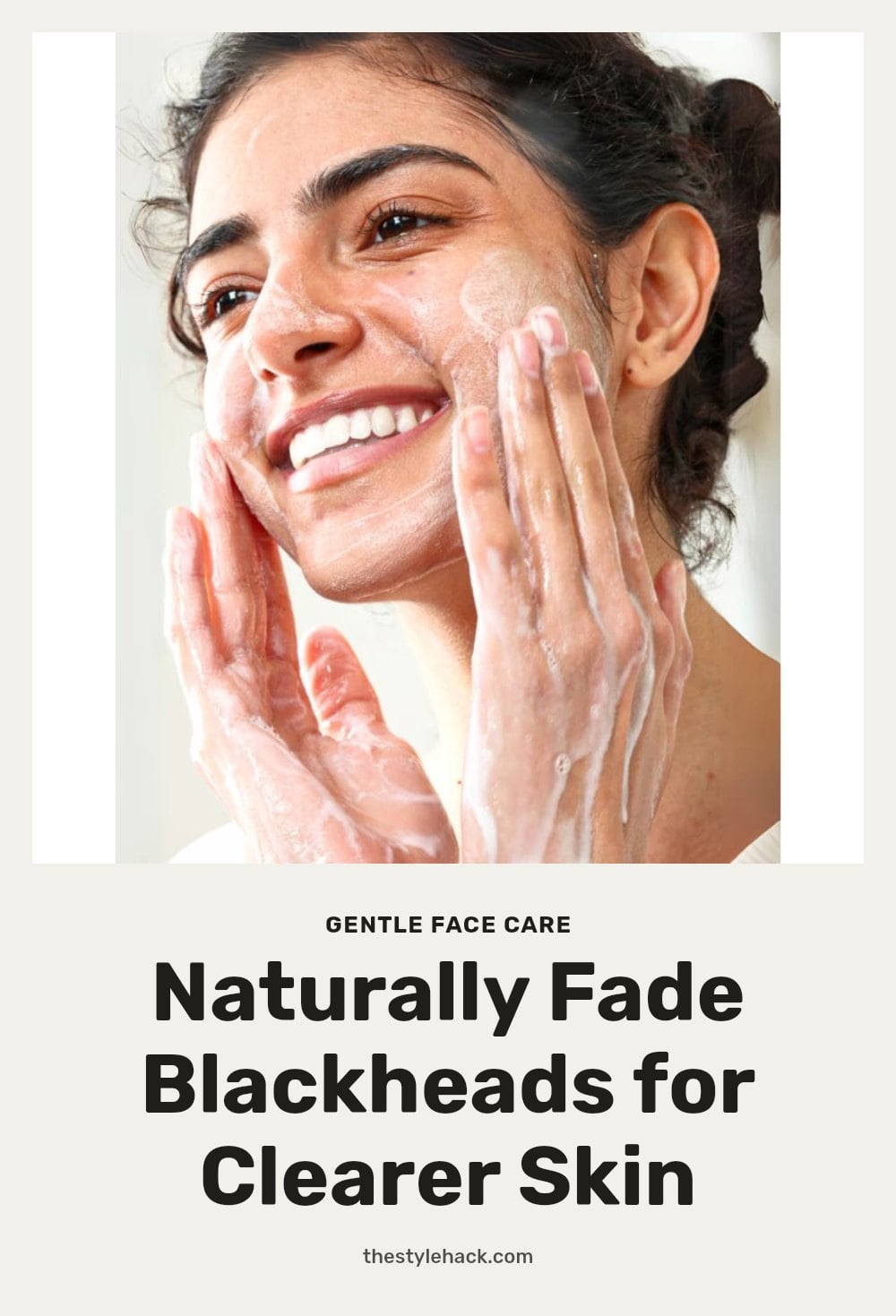
Blackheads can be stubborn, especially around your nose and chin, but you don’t need harsh chemicals to clear them up. This article covers what blackheads actually are, why they form, and the natural methods that can help reduce them while keeping your skin calm and balanced.
I’ll walk you through a simple routine using gentle exfoliation, clay masks, and daily habits that really make a difference. My tip: consistency beats intensity every time when it comes to natural skincare.
Key Takeaways
- Blackheads form when pores clog with oil and dead skin, not dirt.
- Salicylic acid exfoliates inside pores to clear blockages over time.
- Use a clay mask once or twice a week to absorb excess oil.
- Never pick or squeeze blackheads to avoid scarring and infection.
- Stick with your routine for a few weeks to see real improvement.
1. What Are Blackheads and Why Do They Form?
Blackheads are technically called open comedones, and they’re a type of acne lesion. They form when a hair follicle gets clogged with dead skin cells and sebum, the oil your skin naturally produces. Unlike whiteheads, the follicle stays open at the surface, which exposes the trapped material to air. That’s when oxidation happens, turning the contents dark. It’s not dirt, just melanin and oil reacting with oxygen. Common spots include the nose, chin, and forehead, what many call the T-zone.
2. Effective Natural Methods to Tackle Blackheads
3. Gentle exfoliation with salicylic acid
Salicylic acid is oil-soluble, so it can penetrate deep into pores to exfoliate from the inside out. This helps clear the dead skin cells and sebum that form blackheads. Start with a low concentration once a week and work up to 2-3 times weekly. Caution: Avoid using it with other strong exfoliants to prevent irritation.
4. Clay masks to absorb oil
Clay masks, especially those with bentonite or kaolin, work by absorbing excess oil and drawing out impurities from the pores. Apply a thin layer to clean skin, leave it on for 10-15 minutes, then rinse with warm water. Use once a week if your skin is dry, up to twice if it’s oily. My tip: Don’t let the mask dry completely, as it can pull moisture from your skin.
5. Warm steam to soften skin
Steaming helps soften the skin and loosen the material inside blackheads, making them easier to remove without squeezing. Fill a bowl with hot water, lean over it with a towel over your head for 5-10 minutes. Do this once a week before cleansing, not more often, to avoid over-softening the skin barrier.
6. Witch hazel as a natural astringent
Witch hazel can help tighten pores and reduce oil production after cleansing. Apply it with a cotton pad to the T-zone, avoiding the eye area. Look for an alcohol-free version to avoid over-drying. Use it daily after cleansing if your skin tolerates it.
7. Diluted tea tree oil for targeted care
Tea tree oil has antimicrobial and anti-inflammatory properties that may help with acne. Always dilute it with a carrier oil like jojoba or almond oil, using about 2-3 drops per tablespoon of carrier. Apply it directly to blackhead-prone spots with a cotton swab. Caution: Never use undiluted tea tree oil on your skin, as it can cause burns or irritation.
8. Your Skincare Arsenal for Blackhead Treatment
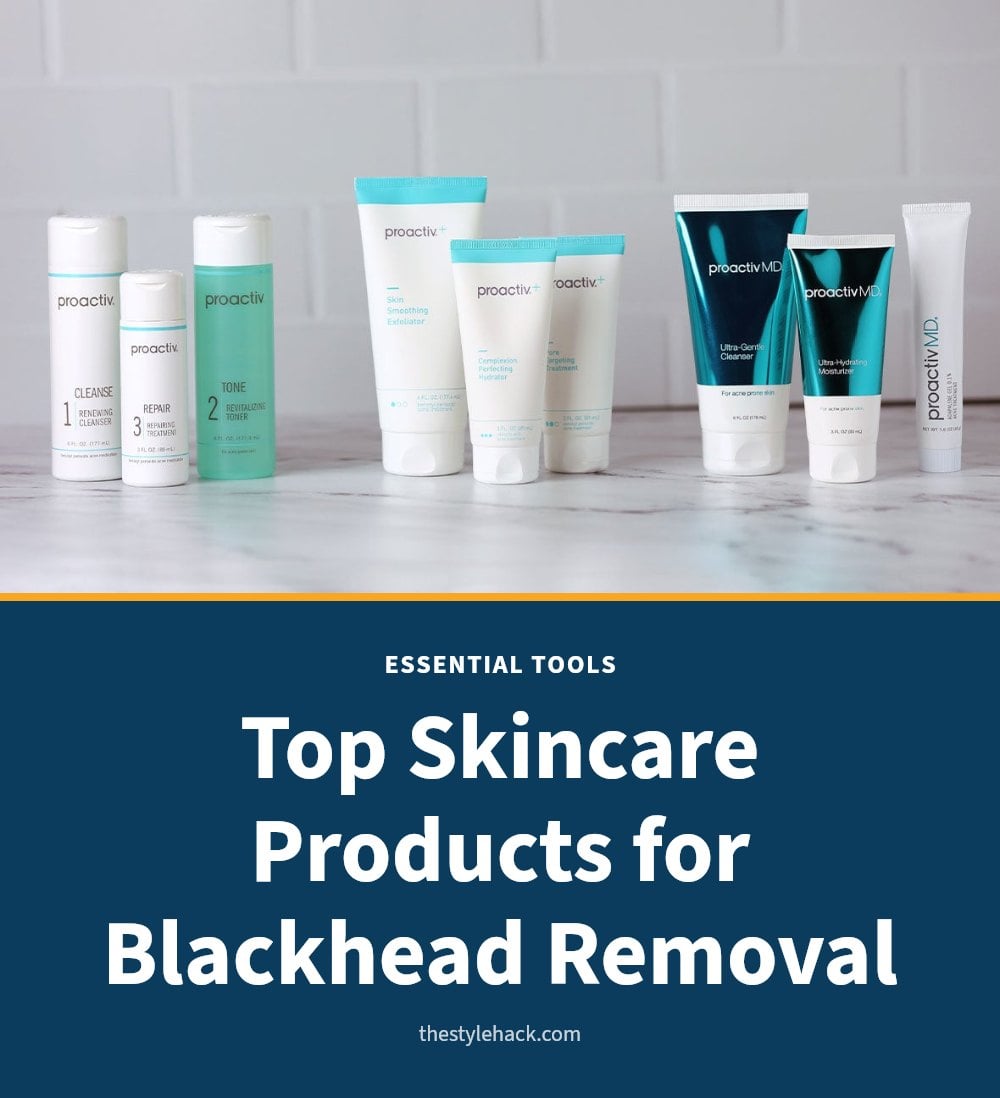
To keep blackheads under control, you need a few key products. A gentle facial cleanser is the foundation for daily use, something that removes dirt without stripping your skin. A salicylic acid product, either a toner or serum, provides chemical exfoliation that actually gets into pores. A clay mask (bentonite or kaolin) absorbs oil and draws out impurities when used weekly. Witch hazel works as a natural astringent to tighten pores and manage oil. For spot treatment, diluted tea tree oil in a carrier like jojoba oil offers antimicrobial help. Finally, a non-comedogenic moisturizer keeps your skin hydrated without clogging pores, which is crucial even for oily skin.
9. Your Daily and Weekly Blackhead-Fighting Routine
- Cleanse your face: Wash your face twice daily, morning and night, with a gentle cleanser. This removes surface oil, makeup, and debris before they can clog pores. Use lukewarm water and pat dry with a soft towel.
- Exfoliate 2-3 times a week: Apply a mild chemical exfoliant containing salicylic acid after cleansing on days you do not use a clay mask. Leave it on for the recommended time (usually 2-3 minutes) before rinsing or moving to the next step. Salicylic acid is oil-soluble, so it penetrates pores to exfoliate from within.
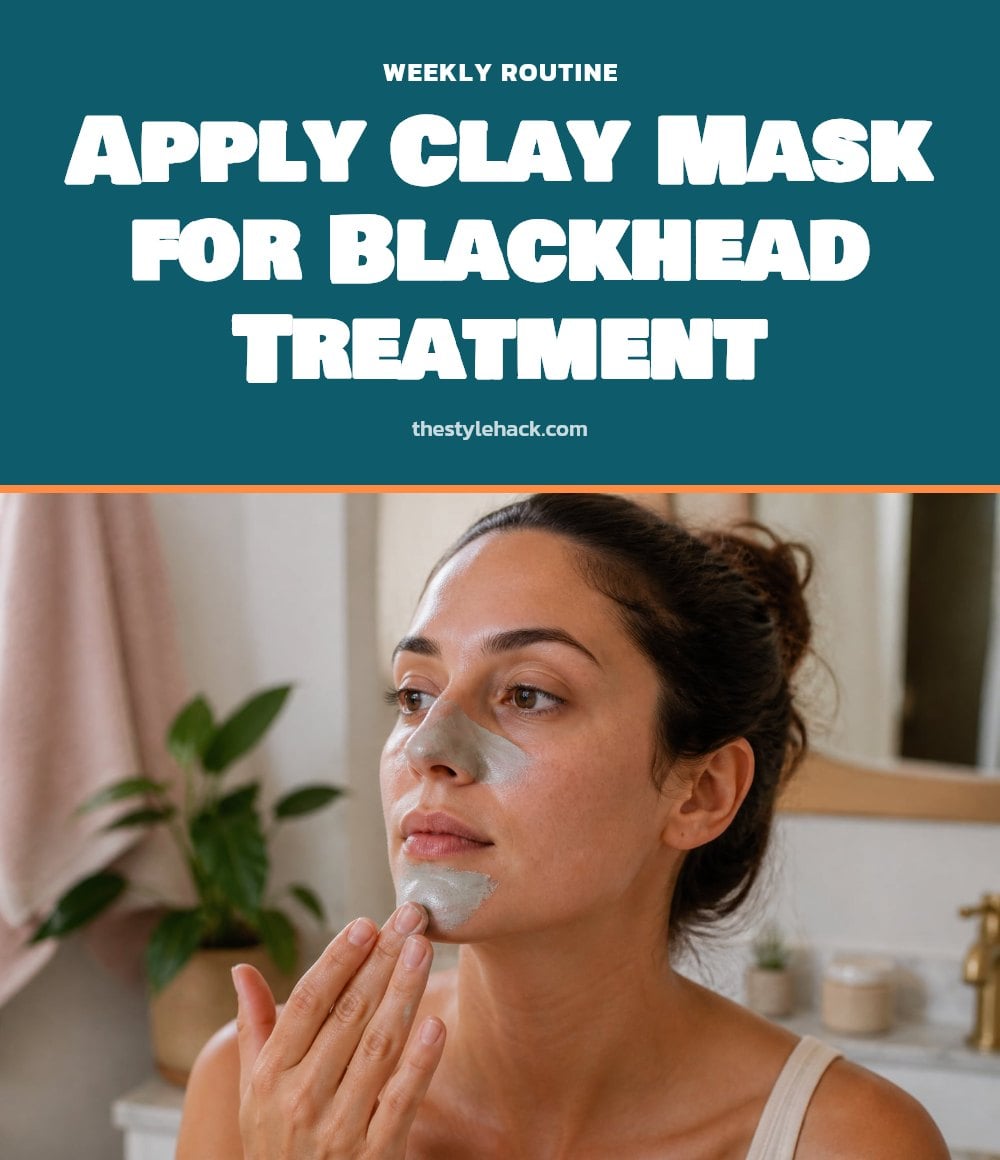
- Apply a clay mask 1-2 times a week: On a clean, dry face, spread a thin layer of clay mask over your T-zone or entire face. Leave it on for 10-15 minutes until it feels tight but not cracked. Rinse with warm water. My tip: Use a warm steamer or a bowl of hot water before the mask to soften pores and help the clay work deeper.
- Moisturize every time: Always finish with a non-comedogenic moisturizer. Even oily skin needs hydration to keep the skin barrier healthy and prevent overproduction of oil. Apply it while your skin is still slightly damp for better absorption.
10. Common Blackhead Mistakes to Avoid
Picking or squeezing: This is the most common mistake. Squeezing pushes trapped material deeper into the follicle, which can cause inflammation, infection, and permanent scarring. It also damages the pore lining, making it larger over time.
Over-scrubbing: Scrubbing your face hard with a rough scrub or brush irritates the skin and strips its protective barrier. Irritated skin produces more oil, which can actually lead to more blackheads.
Over-drying your skin: Using harsh, alcohol-based products to dry out oil may backfire. When the skin feels dry, it overcompensates by producing extra sebum, which can clog pores again.
Relying only on pore strips: Pore strips pull out the top of a blackhead but leave the follicle still clogged deeper down. They don’t address the buildup of dead skin and oil inside the pore, so blackheads return quickly.
11. Preventing Blackheads for Long-Term Clear Skin
Stopping blackheads before they form means changing a few daily habits. The goal is to keep pores clear without irritating your skin.
- Use non-comedogenic products: Check labels on your moisturizer, sunscreen, and makeup. Non-comedogenic means the product won’t clog your pores.
- Cleanse regularly: Wash your face twice a day to remove oil, sweat, and pollution that can settle into pores.
- Remove makeup before sleeping: Sleeping in makeup traps dead skin and oil against your face, a direct cause of clogged pores.
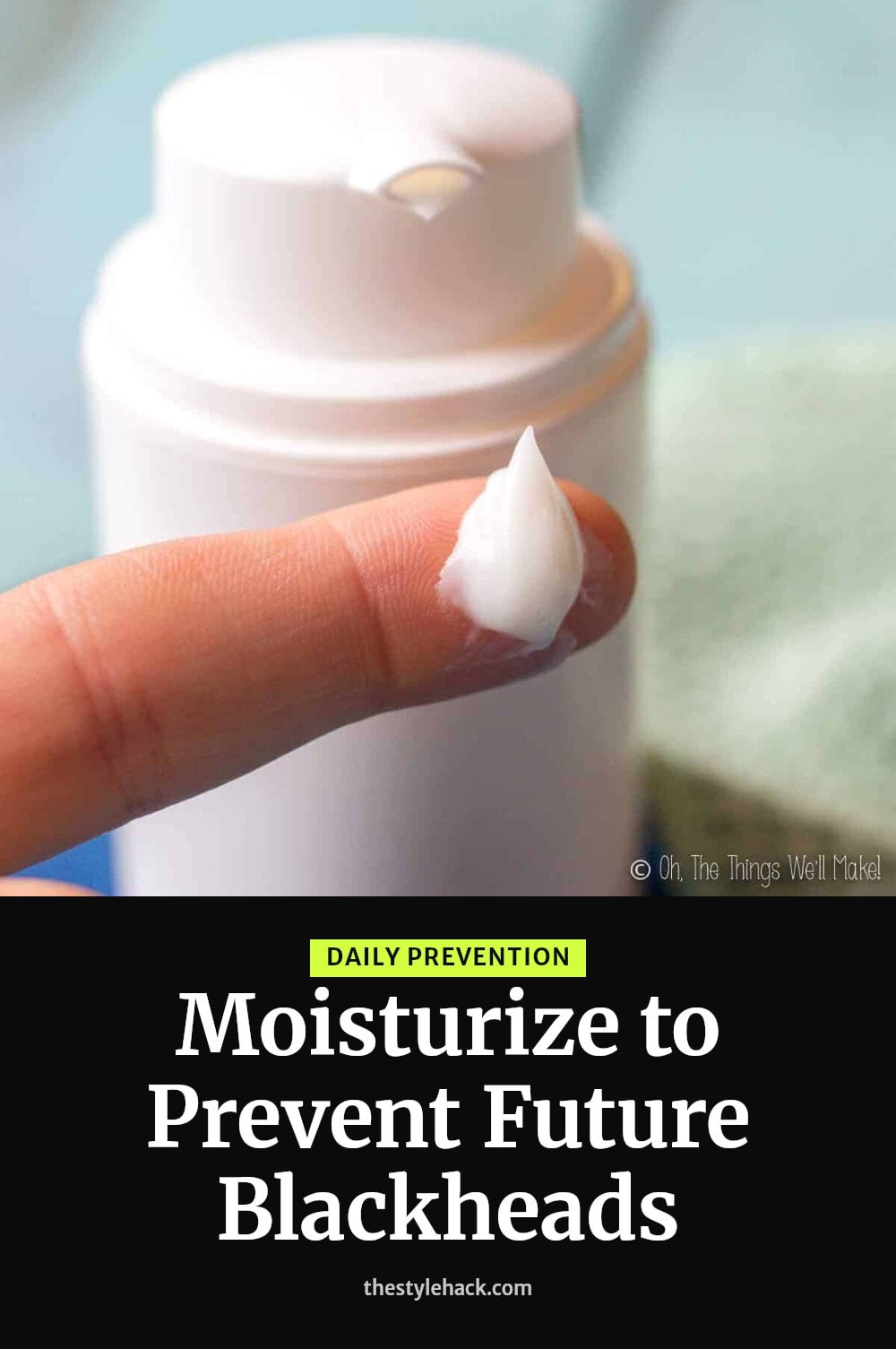
- Moisturize every day: A lightweight, oil-free moisturizer keeps your skin barrier healthy. A healthy barrier regulates oil production and prevents excess sebum from building up.
12. What to Expect: Timeline and Consistency
Natural treatments take time. Most people see noticeable improvement within a few weeks to a couple of months of consistent care. The pace depends on your skin type and how clogged your pores are.
- Consistency matters more than intensity: Using a gentle routine every day works better than aggressive treatments once a week.
- Plan for maintenance: Even after blackheads clear, you need to keep up your routine to stop new ones from forming.
- Natural methods are budget-friendly: Simple ingredients like clay, witch hazel, and salicylic acid cost less than professional treatments and are easy to stick with.
13. When to Consult a Professional Dermatologist
Home care works for most blackheads, but some cases need a dermatologist. Seek professional help if you experience any of the following.
- Severe or persistent blackheads: If blackheads cover large areas or don’t respond to your routine after a few months, a dermatologist can offer stronger options.
- Painful cysts or nodules: Blackheads accompanied by deep, painful bumps may indicate a more serious form of acne that requires prescription treatment.
- Professional extraction: A dermatologist can safely remove stubborn blackheads without damaging your skin, using sterile tools and techniques.
14. Frequently Asked Questions
15. Can blackheads be permanently cured?
Blackheads cannot be permanently cured because your skin naturally produces oil and sheds dead cells. However, with a consistent routine of cleansing, exfoliation, and non-comedogenic products, you can keep them under control long term. Ongoing maintenance is key to preventing new ones.
16. Is steaming good for blackheads?
Steaming can soften the skin and loosen pore blockages, which may make blackheads easier to remove. It does not directly open pores, but the warmth helps. Use steam once a week before cleansing, and avoid doing it too often to prevent irritation.
17. What foods should I avoid if I have blackheads?
The link between specific foods and blackheads is not firmly established, but some people find that high-glycemic foods and dairy may worsen acne for them. If you notice a pattern, try reducing these for a few weeks and see if your skin improves. A balanced diet supports overall skin health.
18. How often should I use a clay mask for blackheads?
Use a clay mask once or twice a week to absorb excess oil and draw out impurities. Overusing it can dry out your skin and trigger more oil production. Always follow with a non-comedogenic moisturizer to keep your skin barrier healthy.
19. Final Thoughts
For most blackheads, a consistent natural routine is all you need. Start with twice-daily cleansing, add a salicylic acid product two to three times a week, and use a clay mask weekly. Expect gradual improvement over a few weeks to a couple of months, not overnight.
If blackheads persist or become inflamed, a dermatologist can offer stronger options. Keep your routine simple and patient, and your skin will thank you.
This article is for general informational purposes only and does not constitute medical advice. Skincare routines affect individuals differently. If you have severe or persistent blackheads, painful cysts, or skin irritation, consult a dermatologist or healthcare professional for personalized guidance.
More Blog ideas
- How to Heal Chapped Lips Overnight with Simple Steps
- Atomic Habits: 5 Lessons to Build Better Habits
- Hyaluronic Acid for Beginners
- How to Build a Gentle Skincare Routine for Sensitive Skin
- Beat Frizzy Hair: Easy Remedies for Smooth, Shiny Strands
- How to Increase Your Daily Drinking Water Intake
- Washing Hair Mistakes to Avoid and What to Do Instead
- Bleaching Hair Tips for Less Damage
- How to Make Your Body Mist Last Longer All Day
- How to Fix Your Skincare Routine
- Nervous System Regulation Tips
- Vagus Nerve Exercises for Stress Relief