Niacinamide: Your Comprehensive Guide to This Skincare Superstar
Discover the benefits of niacinamide for your skin. Learn what it is, how it helps acne, redness, and pores, and how to incorporate it.

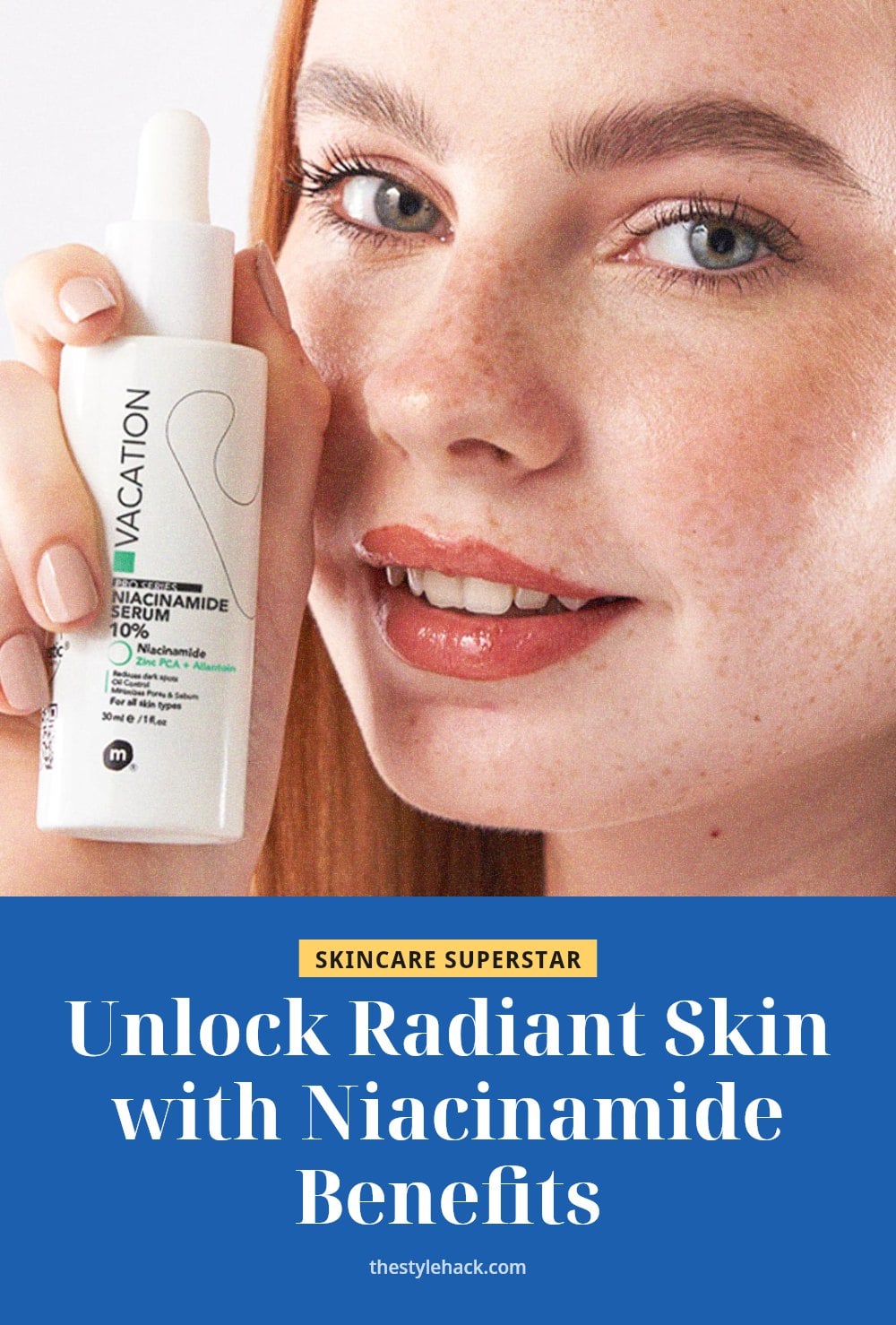
If you’re looking for a skincare ingredient that can tackle everything from redness to enlarged pores, niacinamide is worth a closer look. This form of vitamin B3 helps strengthen your skin’s barrier, calm inflammation, and regulate oil production. In this article, I’ll cover what niacinamide is, how it works, and how to add it to your routine without overcomplicating things.
Key Takeaways
- Niacinamide strengthens the skin barrier by boosting ceramide production.
- Start with a 2-5% concentration if you have sensitive skin.
- Visible improvements typically appear within 4 to 8 weeks of daily use.
- It can be used alongside retinoids, vitamin C, and AHAs/BHAs.
- Apply niacinamide to clean, dry skin for best absorption.
1. What is Niacinamide and How Does It Benefit Your Skin?
Niacinamide is a form of vitamin B3, also known as nicotinamide. It’s a versatile skincare ingredient that strengthens the skin barrier, reduces inflammation, and regulates oil production. This makes it a helpful option for addressing acne, redness, pore appearance, and hyperpigmentation. Many people find it works well across different skin types and concerns.
2. The Science Behind Niacinamide: How It Works
3. The Science Behind Niacinamide: How It Works
Niacinamide works in several ways to improve skin health. It boosts ceramide production, which strengthens the skin’s natural barrier and helps it retain moisture. Its anti-inflammatory properties calm redness and irritation, making it useful for sensitive or acne-prone skin.
By regulating sebum production, niacinamide helps control oiliness and can reduce breakouts. It also minimizes the appearance of pores by improving overall skin texture, though it does not physically shrink them. For discoloration, niacinamide reduces hyperpigmentation and dark spots by inhibiting melanosome transfer. Additionally, it acts as an antioxidant, protecting skin from environmental damage like pollution.
4. Choosing the Right Niacinamide Product for Your Skin

Choosing the Right Niacinamide Product for Your Skin
Niacinamide comes in several product forms. Serums are concentrated and deliver the ingredient directly to the skin. Moisturizers provide hydration alongside niacinamide, making them a good choice for a simplified routine. Toners prepare the skin and deliver a lighter dose of the ingredient.
Tip: If you have sensitive skin, start with a lower concentration, around 2-5%. This helps your skin build tolerance before moving to higher percentages. Common concentrations range from 2% to 10%.
5. Step-by-Step: Incorporating Niacinamide into Your Routine

- Cleanse your face: Start with a clean canvas. Wash your face with a gentle cleanser to remove dirt, oil, and makeup. Pat your skin dry with a clean towel.
- Apply niacinamide to dry skin: Niacinamide absorbs best when applied to clean, dry skin. If you use a toner, apply it first and let it dry completely before moving on.
- Layer from thinnest to thickest: Apply niacinamide serum before your moisturizer. If you use other water-based serums, apply them in order of consistency, from thinnest to thickest. This helps each product absorb properly.
- Use once or twice daily: Start with one application per day, either in the morning or evening. If your skin tolerates it well, you can increase to twice daily. Pay attention to how your skin feels.
- Be consistent: Visible improvements typically take 4 to 8 weeks of daily use. Stick with your routine and don’t skip days. Consistency matters more than concentration.
6. Expert Tips for Maximizing Niacinamide’s Benefits
Tip: If you have sensitive skin, start with a niacinamide product at 2-5% concentration. This helps your skin build tolerance without irritation. You can always move up to a higher percentage later.
Pro move: Pair niacinamide with a hydrating ingredient like hyaluronic acid. Apply the niacinamide first, then follow with your hyaluronic acid serum. The combination boosts moisture and calms the skin.
Good to know: Layer niacinamide under heavier creams or facial oils. This seals in both the active ingredient and hydration. Be patient with your routine, visible improvements usually take 4 to 8 weeks of daily use, with more significant changes after 12 weeks.
Caution: Always finish your morning routine with a broad-spectrum sunscreen. Niacinamide helps protect skin from environmental damage, but sunscreen is non-negotiable, especially when using any active ingredient.
7. Common Niacinamide Mistakes to Avoid
Even with a great ingredient, a few common mistakes can slow your progress. Here is what to avoid.
Expecting instant results: Niacinamide does not work overnight. It needs consistent daily use for several weeks to show visible changes. Stick with it.
Believing it shrinks pores: Niacinamide cannot physically shrink pore size. It minimizes their appearance by improving skin texture and regulating oil. That is a real difference.
Jumping to high concentrations: Starting with 10% niacinamide can cause redness and irritation, especially if your skin is sensitive. Begin with 2-5% and increase only if your skin tolerates it well.
Avoiding vitamin C: Older formulations of vitamin C (L-ascorbic acid) could destabilize niacinamide, but modern products are stable together. You can apply them at different times of day or use a well-formulated combination product.
8. What to Expect: Timeline for Results and Product Costs
Consistency is everything. With daily use, most people notice visible improvements in skin texture, oiliness, and redness within 4 to 8 weeks. More significant changes, such as reduced hyperpigmentation or firmer skin, often take 12 weeks or longer.
Niacinamide products are available at many price points. Drugstore options typically contain lower concentrations and fewer extra ingredients, while high-end formulations may include higher percentages and complementary actives. Cost varies by brand, concentration, and added ingredients like peptides or ceramides.
9. When to Consult a Dermatologist
Niacinamide is generally well-tolerated, but it is not right for everyone. See a dermatologist if you experience persistent or worsening redness, itching, or irritation after using the ingredient. Also seek professional advice if your skin concerns, such as acne, redness, or dark spots, do not improve after consistent use over several weeks.
If you have an underlying skin condition like rosacea or eczema, or if you are unsure how niacinamide fits with other treatments, a dermatologist can give you personalized guidance on concentrations and product choices.
10. Frequently Asked Questions
11. Can I use niacinamide every day?
Yes, most people can use niacinamide once or twice daily. Start with once a day to see how your skin reacts, then increase to twice daily if you don’t experience irritation. Consistency matters more than frequency.
12. Does niacinamide cause purging?
Niacinamide is not known to cause purging. Purging typically happens with ingredients that speed up cell turnover, like retinoids or AHAs. If you see new breakouts after starting niacinamide, it may be a sign of irritation rather than purging.
13. What percentage of niacinamide is best for beginners?
Beginners should start with a concentration between 2% and 5%. This range is effective yet gentle enough for most skin types. You can move up to 10% later if your skin tolerates it well and you want stronger results.
14. Can niacinamide be used with vitamin C?
Yes, modern formulations allow niacinamide and vitamin C to be used together. The old concern about them canceling each other out has been debunked. You can apply them in the same routine, but if your skin is sensitive, try using one in the morning and the other at night.
15. How long until I see results from niacinamide?
Most people notice visible improvements in skin texture, oiliness, and redness within 4 to 8 weeks of daily use. More significant changes, such as reduced dark spots or firmer skin, often take 12 weeks or longer. Consistency is key.
16. Final Thoughts
My tip: stick with a mid-range concentration around 5% and use it consistently once or twice a day. Realistic results take 4 to 8 weeks for noticeable changes in texture and oiliness, with bigger shifts in hyperpigmentation taking 12 weeks or longer. Niacinamide is a solid, low-risk addition to most routines, but don’t skip your sunscreen.
This article is for informational purposes only and does not constitute medical advice. Niacinamide affects individuals differently. If you experience persistent irritation, redness, or worsening skin concerns, consult a dermatologist or healthcare professional for personalized guidance.
More Blog ideas
- How to Heal Chapped Lips Overnight with Simple Steps
- Atomic Habits: 5 Lessons to Build Better Habits
- Hyaluronic Acid for Beginners
- How to Build a Gentle Skincare Routine for Sensitive Skin
- Beat Frizzy Hair: Easy Remedies for Smooth, Shiny Strands
- How to Increase Your Daily Drinking Water Intake
- Washing Hair Mistakes to Avoid and What to Do Instead
- Bleaching Hair Tips for Less Damage
- How to Make Your Body Mist Last Longer All Day
- How to Fix Your Skincare Routine
- Nervous System Regulation Tips
- Vagus Nerve Exercises for Stress Relief






