No-Equipment Bodyweight Workout for Beginners
Start your fitness journey with this beginner-friendly no-equipment bodyweight workout plan. Learn proper form and build strength at home.

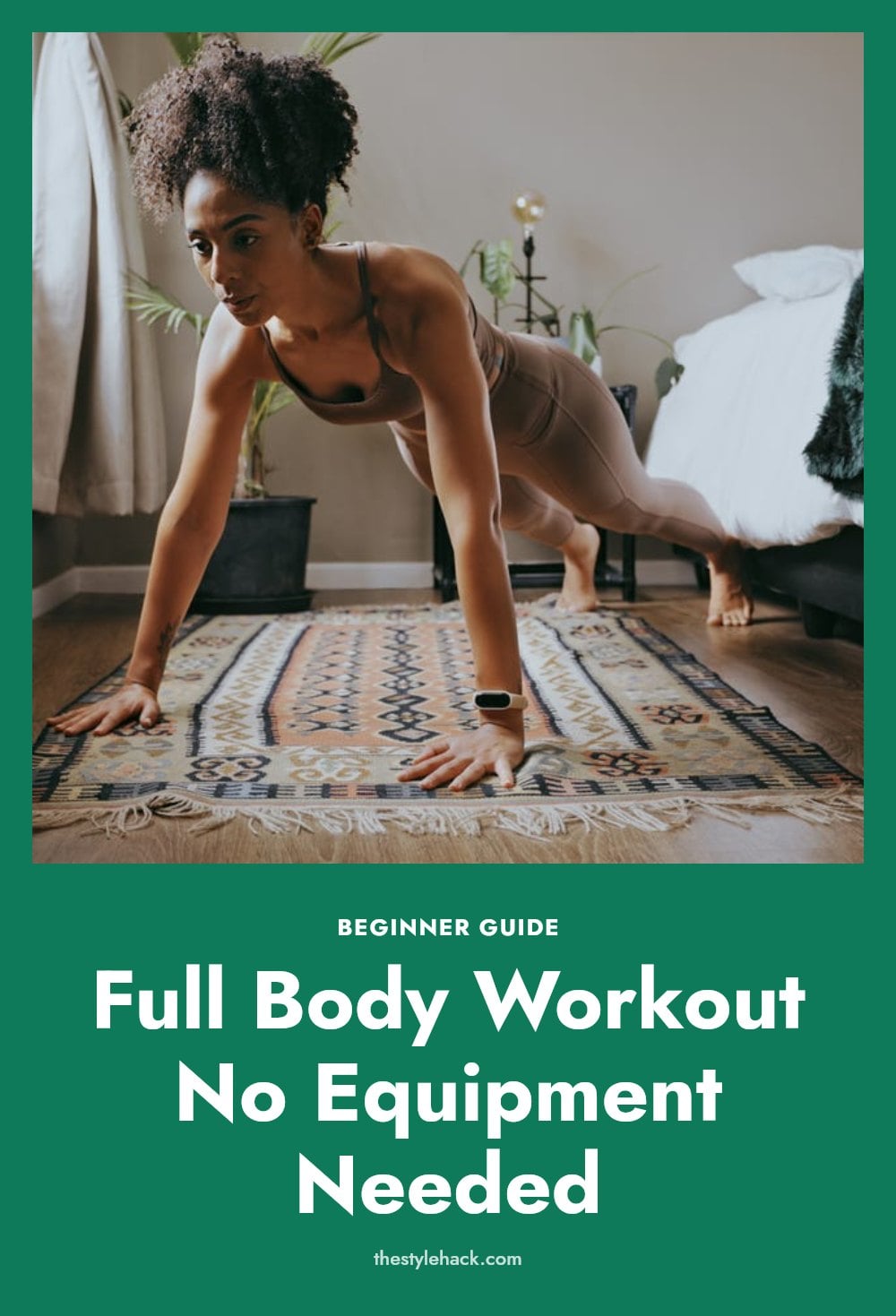
Starting a fitness routine without any equipment can feel like a big step, but bodyweight exercises are a proven, accessible way to build strength, improve cardiovascular health, and boost flexibility. You can do them in your living room, a hotel room, or a park, with no gear and no gym membership. This article walks you through a beginner-friendly full-body workout, a simple weekly schedule, and common mistakes to avoid, so you can start moving with confidence.
Key Takeaways
- Do bodyweight workouts 2-3 times per week on non-consecutive days.
- Always warm up for 5-10 minutes and cool down with stretches.
- Master proper form before increasing repetitions or intensity.
- Progress by adding reps, sets, or harder variations over time.
- Stop if you feel sharp pain, dizziness, or shortness of breath.
1. 1. Warm-Up: Arm Circles
Stand tall with feet shoulder-width apart and arms extended straight out to your sides. Make small forward circles for 30 seconds, then reverse direction for 30 seconds. Keep movements controlled and gradually increase the circle size.
- Time: 30 seconds each direction
- Form cue: Keep shoulders relaxed, not shrugged
- Make it easier or harder: Reduce circle size for easier, or slow down the movement for harder
2. 2. Squats
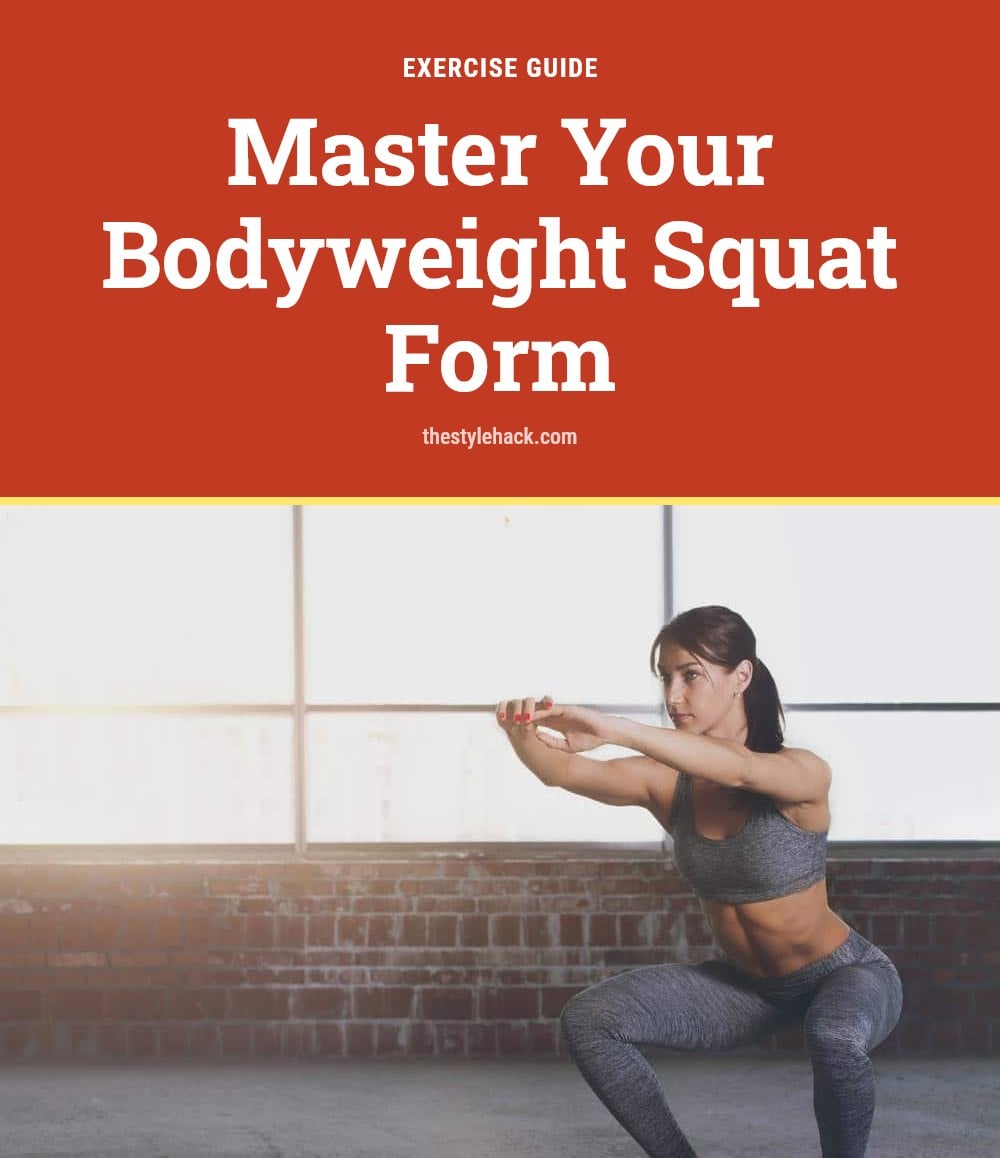
Stand with feet shoulder-width apart, toes slightly out. Keep your chest up and core engaged as you lower your hips as if sitting into a chair, aiming for thighs parallel to the floor. Push through your heels to return to standing.
- Sets and reps: 3 sets of 10-12 repetitions
- Form cue: Keep knees tracking over toes, not caving inward
- Make it easier or harder: Hold a wall for balance, or pulse at the bottom for a challenge
My tip: Keep your weight in your heels throughout the movement.
3. 3. Push-Ups (Knee or Full)
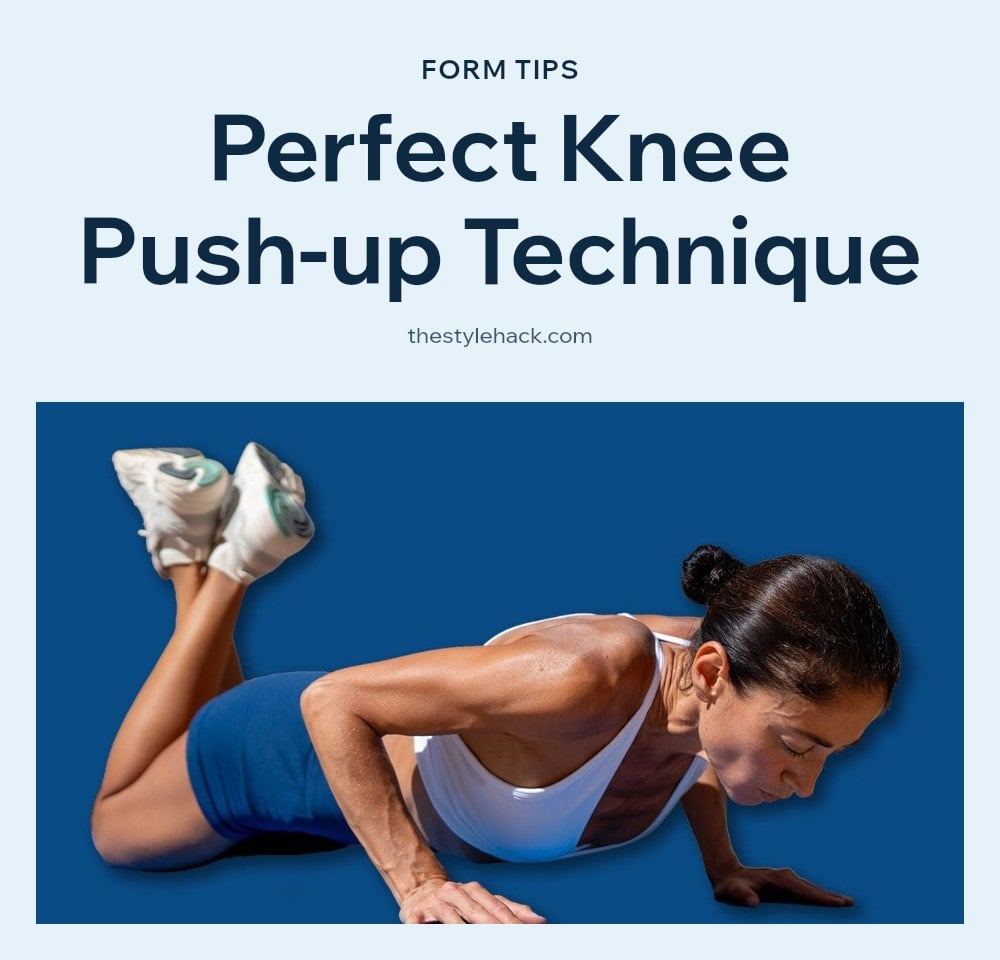
Start in a plank position with hands slightly wider than shoulder-width and your body in a straight line from head to heels. Lower your chest toward the floor, then push back up. For a knee push-up, drop to your knees while keeping your hips in line with your shoulders.
- Sets and reps: 3 sets of 8-10 repetitions
- Form cue: Keep elbows tucked at about a 45-degree angle to your body
- Make it easier or harder: Use a wall incline for easier, or elevate your feet for harder
My tip: Engage your core to prevent your hips from sagging.
4. 4. Lunges
Stand tall and step one foot forward, lowering your hips until both knees are bent at a 90-degree angle. Your front knee should be directly above your ankle, and your back knee hovers just above the floor. Push through your front heel to return to standing.
- Sets and reps: 3 sets of 8-10 repetitions per leg
- Form cue: Keep your torso upright and shoulders stacked over hips
- Make it easier or harder: Hold a wall for balance, or add a jump for a challenge
Tip: Keep your torso upright to protect your lower back.
5. 5. Plank
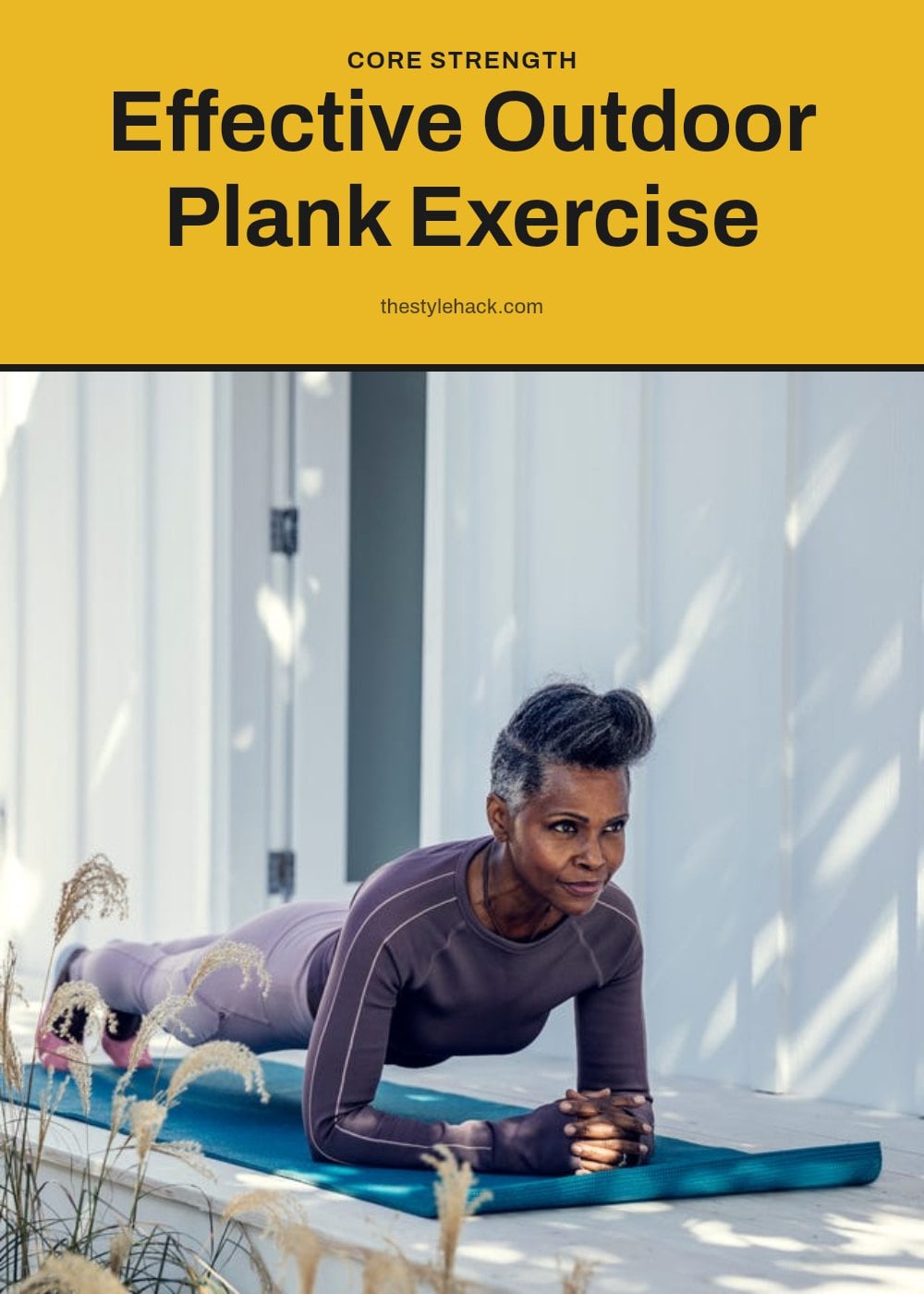
Start on your forearms and toes, keeping your body in a straight line from head to heels. Engage your core, glutes, and quads. Avoid letting your hips sag or rise too high.
- Time: Hold for 3 sets of 30-45 seconds.
- Form cue: Imagine pulling your belly button towards your spine.
- Make it easier or harder: Drop to your knees for an easier version, or lift one leg for a challenge.
6. 6. Glute Bridges
Lie on your back with knees bent, feet flat on the floor hip-width apart, arms by your sides. Lift your hips off the floor until your body forms a straight line from shoulders to knees. Squeeze your glutes at the top, then slowly lower.
- Sets and reps: 3 sets of 12-15 repetitions.
- Form cue: Don’t arch your lower back; keep your ribs down.
- Make it easier or harder: Perform single-leg bridges for a greater challenge.
7. 7. Bird-Dog
Start on all fours, hands under shoulders, knees under hips. Keep your back flat. Extend your right arm forward and left leg backward simultaneously, keeping your core stable. Return to start and repeat on the other side.
- Sets and reps: 3 sets of 10-12 repetitions per side.
- Form cue: Move slowly and with control; avoid rocking your hips.
- Make it easier or harder: Lift just the arm or just the leg for a simpler version.
8. 8. Cool-Down: Hamstring Stretch
Lie on your back, extend one leg straight up towards the ceiling. Gently pull your leg towards you with your hands behind your thigh or calf until you feel a stretch. Hold for 20-30 seconds, then switch legs.
- Time: Hold for 20-30 seconds per leg.
- Form cue: Keep your lower back pressed into the floor.
- Make it easier or harder: Use a towel around your foot to deepen the stretch.
9. Your Weekly No-Equipment Workout Schedule
Consistency is key for seeing results, so aim for 2-3 sessions per week on non-consecutive days. This schedule allows for adequate rest and recovery, which is just as important as the workout itself. Here is a simple weekly plan to follow:
| Day | Workout |
|---|---|
| Monday | Full-body routine (exercises 1-7) |
| Tuesday | Rest or light stretching |
| Wednesday | Full-body routine (exercises 1-7) |
| Thursday | Rest or light stretching |
| Friday | Full-body routine (exercises 1-7) |
| Saturday | Rest or gentle activity |
| Sunday | Rest |
Tip: On rest days, a short walk or gentle stretching can help with recovery without overtraining. Stick with the plan for at least four weeks to start seeing improvements in strength and endurance.
10. Common Mistakes to Avoid in Bodyweight Workouts
Sacrificing Form for Reps: It is tempting to push for more repetitions, but poor form can lead to injury and less effective workouts. Always prioritize correct technique over quantity.
Skipping Warm-Up and Cool-Down: Skipping these steps is a recipe for stiff muscles and potential injury. A proper warm-up prepares your body, and a cool-down aids recovery.
Ignoring Pain Signals: There is a difference between muscle fatigue and sharp pain. If you feel sharp pain, stop immediately. Listening to your body is essential for long-term fitness.
Not Progressively Challenging Yourself: Once exercises become easy, it is time to increase the challenge. This could mean more reps, slower movements, or trying harder variations to keep growing stronger. My tip: add one extra rep per set each week to track progress safely.
11. Frequently Asked Questions
12. How often should I do no-equipment workouts?
For beginners, aim for 2-3 sessions per week on non-consecutive days. This allows your muscles time to recover and grow, which is essential for progress. If you feel overly sore or fatigued, take an extra rest day.
13. Can I build muscle with just bodyweight exercises?
Yes, bodyweight exercises can build muscle, especially for beginners. They use your own weight as resistance, and you can increase the challenge over time by adding more repetitions, sets, or trying harder variations like single-leg squats or decline push-ups.
14. What if I can’t do a full push-up?
Start with knee push-ups, which are a common modification. Keep your hips in line with your body and lower your chest toward the floor. As you get stronger, gradually progress to full push-ups. The key is to maintain proper form, not to force a full push-up prematurely.
15. How do I make bodyweight exercises harder?
You can increase difficulty by adding more repetitions or sets, reducing rest time between sets, or performing more challenging variations. For example, try single-leg squats, decline push-ups, or add a pause at the bottom of each movement.
16. Is it okay to work out every day without equipment?
Working out every day is not recommended, especially for beginners. Your muscles need rest to recover and grow. Aim for 2-3 sessions per week, and on rest days, consider light walking or stretching. If you feel pain or excessive fatigue, take a break.
17. Final Thoughts
My tip: start with the schedule as written and focus on form over speed. Aim for 2-3 sessions per week, and you can expect to see initial improvements in strength and endurance within a few weeks of consistent effort. Listen to your body, take rest days, and remember that every workout counts. You’ve got this.
This article provides general fitness information and is not a substitute for professional medical advice. Before starting any new exercise program, especially if you have pre-existing health conditions, consult a healthcare provider. If you experience sharp pain, dizziness, or shortness of breath during exercise, stop immediately and seek medical attention.
More Blog ideas
- How to Heal Chapped Lips Overnight with Simple Steps
- Atomic Habits: 5 Lessons to Build Better Habits
- Hyaluronic Acid for Beginners
- How to Build a Gentle Skincare Routine for Sensitive Skin
- Beat Frizzy Hair: Easy Remedies for Smooth, Shiny Strands
- How to Increase Your Daily Drinking Water Intake
- Washing Hair Mistakes to Avoid and What to Do Instead
- Bleaching Hair Tips for Less Damage
- How to Make Your Body Mist Last Longer All Day
- How to Fix Your Skincare Routine
- Nervous System Regulation Tips
- Vagus Nerve Exercises for Stress Relief






