Overworking: 10 Signs You Need a Break and How to Slow Down
Are you overworking? Learn to recognize the 10 key signs you need a break and discover practical strategies to regain balance and prevent burnout.

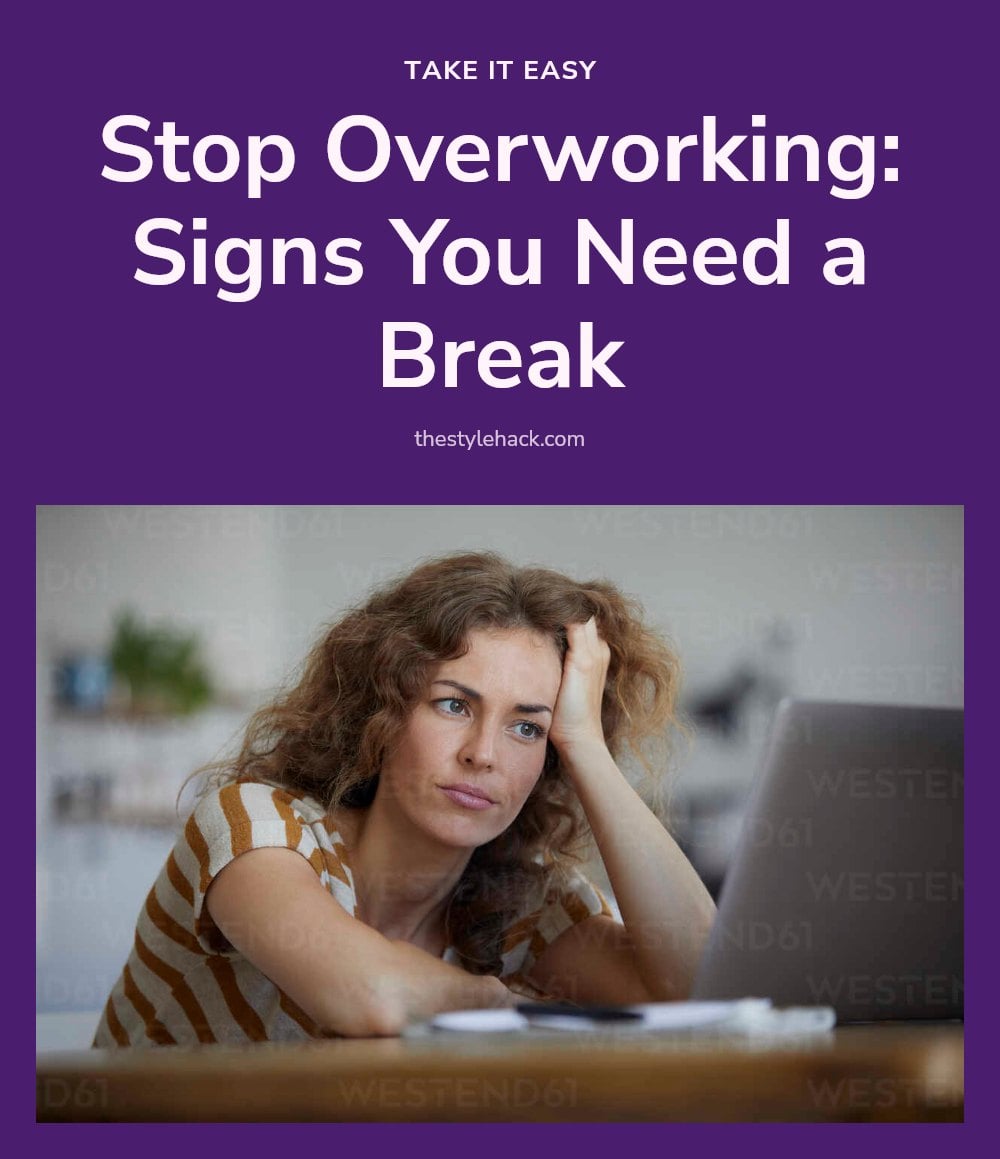
You know that feeling when you’re constantly busy, yet somehow never caught up? You might be wondering if you’re just working hard or if you’ve crossed into overworking territory. This article covers 10 clear signs that you need a break and offers practical steps to slow down and reclaim your balance.
Recognizing these signs early is the key to preventing burnout and building a healthier relationship with work. Let’s get into it.
Key Takeaways
- Recognize early signs like constant exhaustion, mood swings, and physical aches to prevent burnout.
- Schedule regular breaks, even 10-15 minutes, to give your brain and body recovery time.
- Set firm boundaries between work and personal life, and avoid checking emails outside work hours.
- Prioritize sleep (7-9 hours per night) and regular physical activity to manage stress.
- If persistent physical or mental health symptoms arise, consult a medical or mental health professional.
01. What Exactly Is Overworking?
Overworking goes beyond a busy schedule; it’s a state of excessive work that leaves you persistently stressed and exhausted. It often stems from external pressures, like demanding deadlines, or an internal drive to prove yourself. This pattern can quietly erode your well-being and productivity. Recognizing the signs early is crucial to prevent burnout and create a healthier work-life balance. The sooner you notice, the sooner you can adjust.
02. 1. You’re Constantly Exhausted
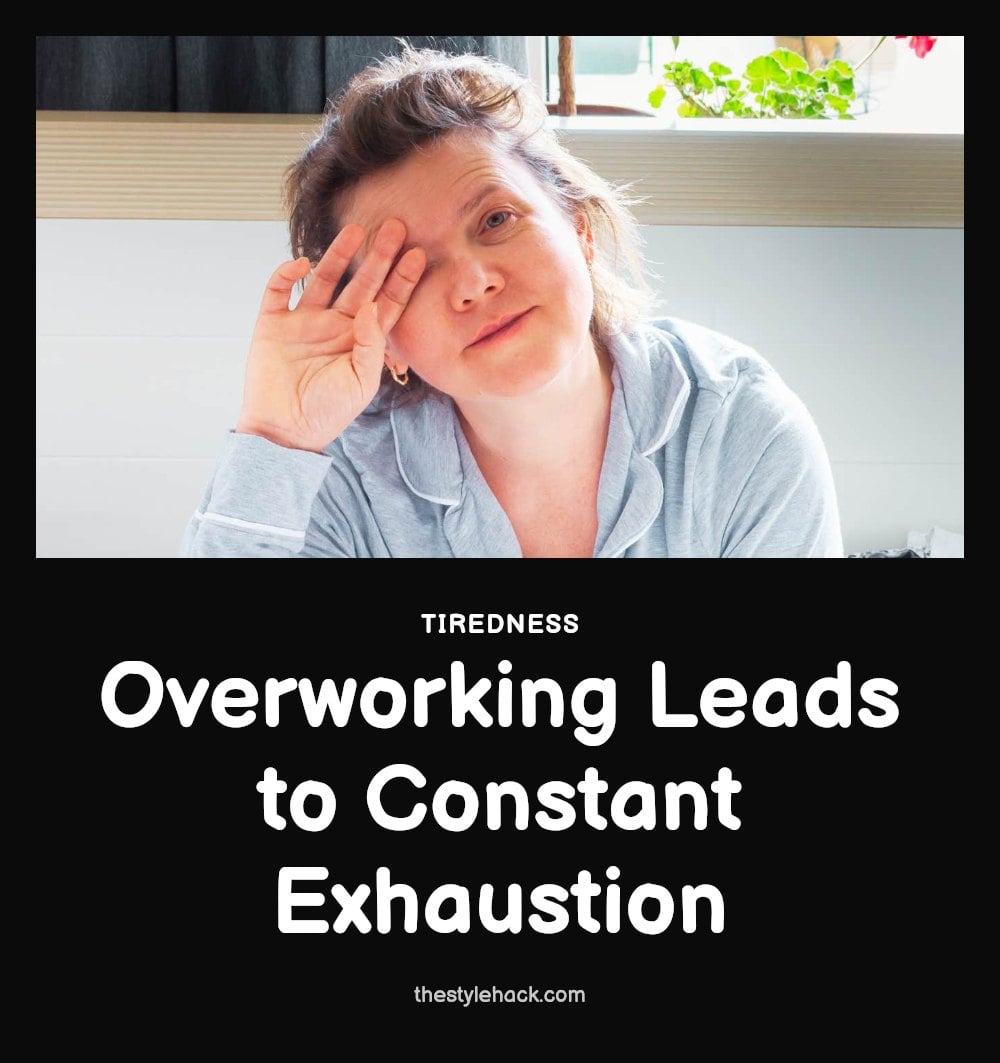
If you’re constantly tired even after a full night’s sleep, that’s a red flag. Overworking often disrupts sleep, with many adults getting less than the recommended 7 to 9 hours. This lack of rest fuels the cycle of exhaustion, making it harder to recover.
My tip: prioritize sleep by setting a consistent bedtime and creating a relaxing pre-sleep routine, like reading or gentle stretching. Your body needs that downtime to recharge.
03. 2. Your Mood Swings Are Wild
Feeling irritable or snapping at small things? Overworking can trigger mood swings and emotional dysregulation. Chronic stress, a common side effect of overwork, makes it harder to control your reactions.
My tip: pay attention to how you respond to minor stressors. If you’re getting angry more often than usual, it’s a sign to step back and evaluate your workload.
04. 3. Physical Aches and Pains Appear
Overworking can show up as physical symptoms: persistent headaches, muscle tension, and digestive issues. You might also notice you’re catching colds or the flu more often, since chronic stress can suppress your immune system.
My tip: don’t ignore these bodily signals. They’re your body’s way of telling you to slow down. If symptoms persist or worsen, consider consulting a healthcare professional.
05. 4. Concentration and Memory Decline
When your brain is constantly overloaded, concentration and memory are the first things to slip. You might find yourself reading the same email three times or forgetting why you walked into a room. This cognitive fog comes from chronic stress, which taxes your mental resources. My tip: If you’re struggling to stay on task or remember details, treat it as a clear signal that your brain needs a break, not more caffeine or a longer to-do list.
06. 5. You’re Skipping Social Life

When work consumes all your energy, social plans and hobbies are the first to go. You might cancel dinner with friends or skip a yoga class you used to love. This withdrawal isolates you and removes the activities that help you recharge. My tip: Make a conscious effort to reach out, even with a quick text or a 10-minute phone call. Small connections prevent full social isolation.
07. 6. Job Satisfaction Dips
Overworking can drain the satisfaction from your job. You may start feeling cynical or detached from work you once cared about. Paradoxically, this often comes with procrastination: you have too much to do, yet you can’t bring yourself to start anything. Tip: Pay attention to how you feel about your work over a few weeks. If the negativity is consistent, it’s worth examining what needs to change.
08. 7. Breaks Become Non-Existent

Skipping lunch breaks or working straight through the afternoon is a classic sign of overworking. Without these pauses, your brain and body never get the recovery time they need, which leads to more fatigue and less productivity. Good to know: Block 10 to 15 minutes in your calendar for a break, just like a meeting. Step away from your desk, eat without screens, or take a short walk.
09. 8. You Can’t ‘Switch Off’
If you check work emails in bed or think about deadlines during dinner, you’re not switching off. This constant mental engagement prevents true rest and recovery, keeping your stress cycle running 24/7.
Pro move: Create a clear end-of-work ritual. Close your laptop, change out of work clothes, and do one non-work activity, like a short walk or listening to music. This signals to your brain that the workday is over.
10. 9. Relying on Stimulants
Needing a third coffee by noon or reaching for energy drinks daily is a clear sign your body isn’t getting natural rest. While a single cup of coffee is fine for most, constant stimulant boosts mask fatigue instead of fixing it.
Quick tip: Focus on better sleep and stress management to reduce your reliance on caffeine. Try swapping one afternoon coffee for a short walk or a glass of water. If you experience chest pain or insomnia, consult a medical professional.
11. 10. You’re Always Overwhelmed
When even small tasks like replying to an email feel overwhelming, your workload has likely exceeded your capacity. This feeling can lead to paralysis, making it hard to start anything at all.
Tip: Break down large tasks into smaller, manageable steps. Instead of “finish report,” write “open document, write first paragraph, take a break.” Completing tiny steps reduces the feeling of being swamped and builds momentum.
12. Common Overworking Mistakes to Avoid
Believing more hours equal more productivity: Working longer doesn’t always mean working smarter. Focus on efficiency and effectiveness during your working hours instead.
Confusing busyness with effectiveness: Just because you’re busy doesn’t mean you’re achieving your most important goals. Prioritize tasks that truly move the needle.
Feeling guilty about breaks: Breaks are essential for mental and physical recovery. View them as a productivity tool, not a luxury.
Ignoring early warning signs: Don’t wait until you’re completely burnt out. Pay attention to the subtle cues your body and mind send you and take action early.
Not setting clear boundaries: It’s crucial to establish clear lines between work and personal life. Communicate your availability to colleagues and clients.
13. Frequently Asked Questions
14. How many hours is considered overworking?
There is no magic number of hours that defines overworking for everyone, as it depends on the individual, the type of work, and other life demands. However, consistently working more than 50-60 hours per week, or regularly sacrificing sleep (less than 7-9 hours) and personal time for work, is a common threshold where negative effects often appear. Pay more attention to how you feel than the clock.
15. Can overworking cause physical illness?
Yes, overworking can contribute to physical illness. The chronic stress it creates can suppress your immune system, making you more susceptible to frequent minor illnesses like colds and flu. It can also lead to persistent physical symptoms such as headaches, muscle tension, and digestive issues. If you experience severe symptoms like chest pain or chronic insomnia, consult a medical professional.
16. What is the difference between hard work and overworking?
Hard work is focused, purposeful effort that leaves you feeling accomplished and energized, with time for rest and personal life. Overworking is excessive work that leads to persistent exhaustion, reduced productivity, and a decline in your well-being. The key difference is sustainability: hard work can be maintained, while overworking erodes your health and happiness over time.
17. How do I tell my boss I’m overworked?
Approach the conversation with a solution-oriented mindset. Schedule a private meeting and be specific about your workload, using examples of tasks and their impact on your capacity. Frame it around productivity and quality: explain that your current load is affecting your ability to do your best work. Propose concrete solutions, like reprioritizing tasks, delegating, or adjusting deadlines, to show you’re proactive.
18. Final Thoughts
If you see yourself in several of these signs, it’s time to take action. Start with one small change: block a 10-minute break in your calendar or set a hard stop time for work emails. Realistic expectations matter here. Establishing healthier habits takes several weeks to months of consistent effort before you notice significant improvements in your well-being and energy levels. Your health and happiness are worth that investment.
This article is for general informational purposes only and does not constitute medical or professional advice. If you are experiencing persistent physical symptoms, severe anxiety, depression, or other serious health concerns, please consult a qualified medical doctor or mental health professional.
More Blog ideas
- How to Heal Chapped Lips Overnight with Simple Steps
- Atomic Habits: 5 Lessons to Build Better Habits
- Hyaluronic Acid for Beginners
- How to Build a Gentle Skincare Routine for Sensitive Skin
- Beat Frizzy Hair: Easy Remedies for Smooth, Shiny Strands
- How to Increase Your Daily Drinking Water Intake
- Washing Hair Mistakes to Avoid and What to Do Instead
- Bleaching Hair Tips for Less Damage
- How to Make Your Body Mist Last Longer All Day
- How to Fix Your Skincare Routine
- Nervous System Regulation Tips
- Vagus Nerve Exercises for Stress Relief






