11 Personal Hygiene Habits to Start Today for Better Well-Being
Discover 12 essential personal hygiene habits to easily integrate into your daily routine. Improve your health, confidence, and overall well-being today.

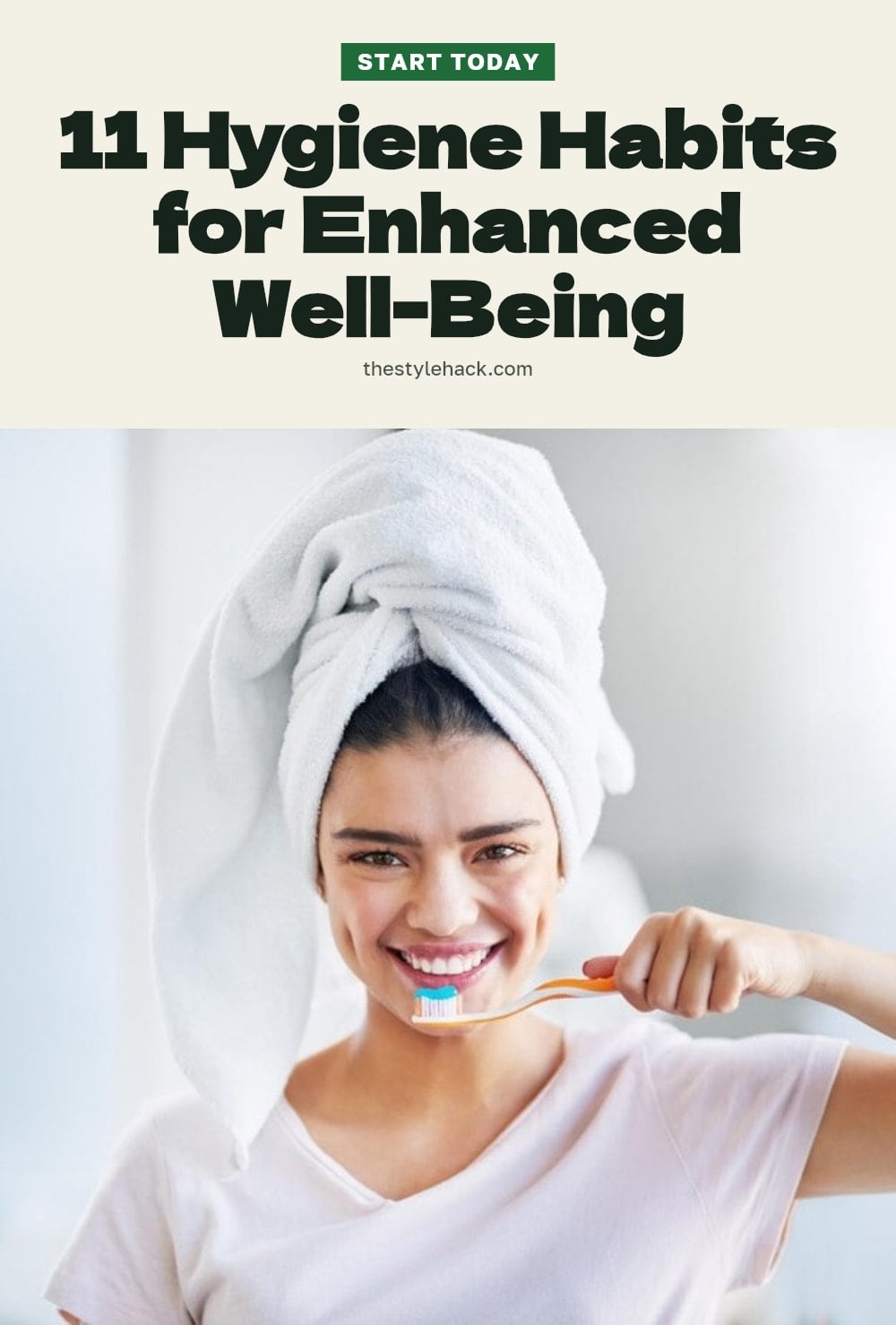
You already know that brushing your teeth and washing your hands matter, but turning those basics into a consistent routine can feel overwhelming. The good news is that small, daily habits make a big difference in how you feel, both physically and mentally. This article walks you through 11 practical hygiene habits you can start today, plus common mistakes to avoid and simple tips for staying fresh and healthy.
Key Takeaways
- Shower daily with soap and water to remove dirt, sweat, and dead skin cells.
- Wash your hands for at least 20 seconds with soap and water at key moments.
- Brush twice daily for two minutes and floss every day to prevent cavities.
- Change underwear and socks daily to prevent bacterial buildup and foot issues.
- Use a clean towel and avoid sharing personal items like razors and toothbrushes.
01. Why Personal Hygiene Matters for Your Daily Life
Personal hygiene is the set of daily habits you use to keep your body clean and healthy: bathing, handwashing, oral care, and more. These practices are your first line of defense against spreading germs and reducing your risk of illness. Beyond physical health, a consistent routine also boosts your comfort and confidence, supporting both your body and your social well-being.
02. 1. Shower or Bathe Daily

Showering or bathing daily with soap and water removes dirt, sweat, and dead skin cells that build up over the day. This simple habit is your main tool for preventing body odor and keeping your skin feeling fresh.
- Use warm water and a mild soap to avoid stripping natural oils.
- Focus on areas that produce more sweat, like underarms and feet.
03. 2. Wash Your Hands Frequently
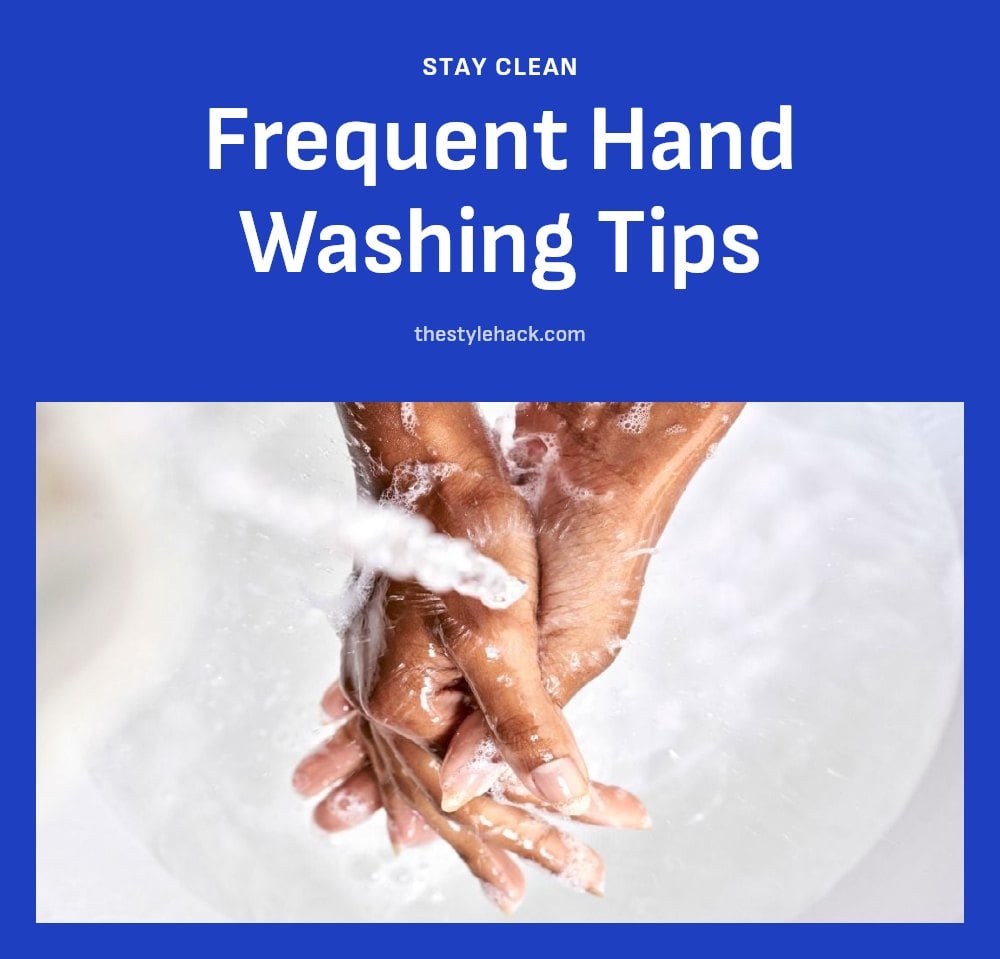
Washing your hands with soap and water for at least 20 seconds is one of the most effective ways to defend against germs. Make it a habit at key moments: after using the restroom, before eating, and after coughing, sneezing, or touching shared surfaces.
- Sing “Happy Birthday” twice to time the 20 seconds.
- Use a clean towel or air dryer to avoid recontamination.
04. 3. Brush and Floss Your Teeth Daily
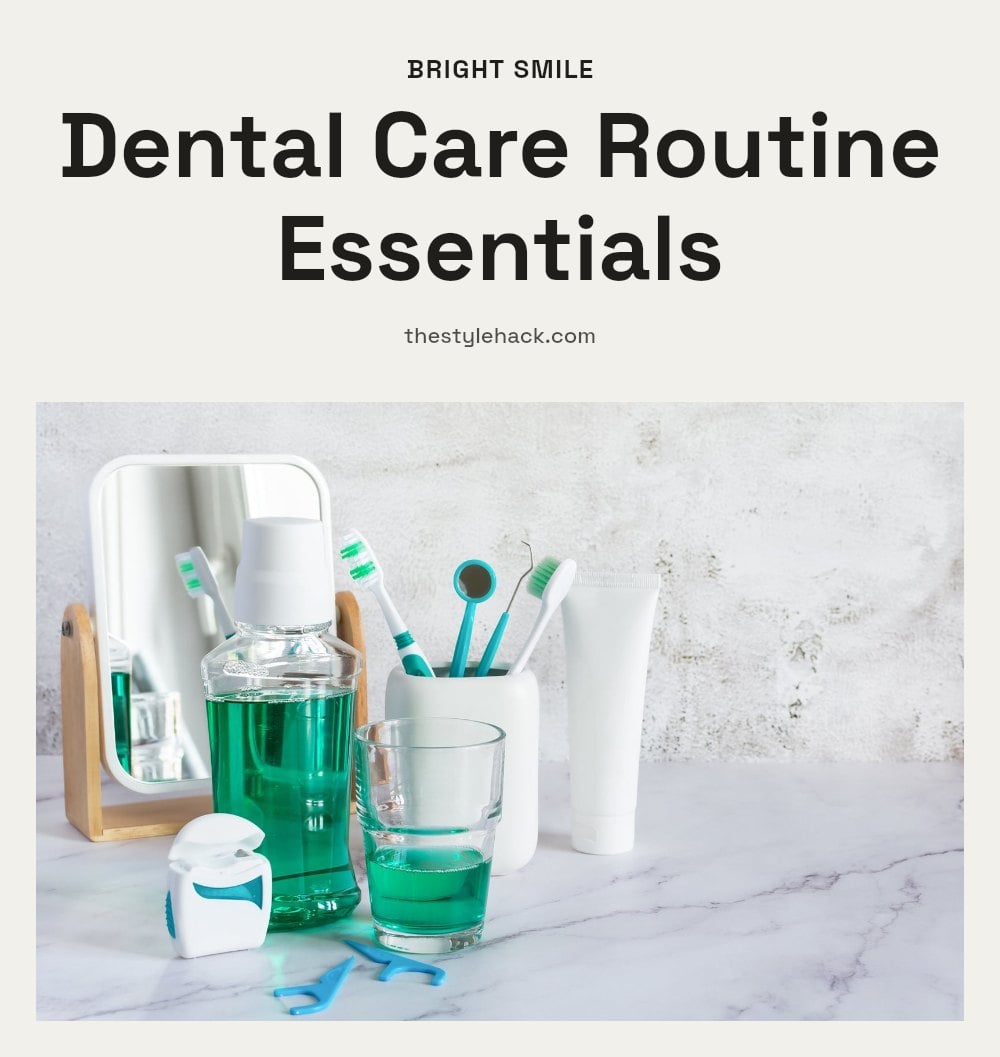
Brush your teeth twice a day for two minutes with fluoride toothpaste to prevent cavities and gum disease. Flossing daily is equally important. It removes food particles and plaque from between teeth and under the gumline, where your toothbrush can’t reach.
- Hold the brush at a 45-degree angle to the gumline for thorough cleaning.
- Use about 18 inches of floss so you have a clean section for each tooth.
05. 4. Use Deodorant or Antiperspirant
Applying deodorant or antiperspirant daily helps control body odor and manage sweat. My tip: find a formula that works for your body chemistry to stay fresh all day. Look for options labeled as aluminum-free if you have sensitive skin, and apply to clean, dry underarms for best results.
06. 5. Change Underwear and Socks Daily
Changing into clean underwear daily prevents bacterial buildup and keeps you feeling fresh. Similarly, clean socks every day help prevent foot odor and fungal infections, especially if you’re active. Tip: choose moisture-wicking fabrics for socks if you exercise or spend long hours on your feet.
07. 6. Wash Clothes Regularly

Washing clothes regularly, especially items worn close to the skin, removes dirt, sweat, and bacteria. This simple habit contributes significantly to overall personal cleanliness and comfort. Good to know: wash workout gear after each use to prevent bacteria from setting into the fabric.
08. 7. Keep Nails Trimmed and Clean
Trimming your fingernails and toenails regularly prevents dirt and germs from accumulating underneath them. Clean nails are not just aesthetic; they’re a barrier against germ transfer. Pro move: use a nail brush during handwashing to clean under nails without picking at them.
09. 8. Wash Your Hair as Needed

How often you wash your hair depends on your hair type and how active you are. For most people, washing every 1-3 days keeps the scalp and hair clean without stripping natural oils. My tip: if you have oily hair or exercise frequently, you might need to wash more often. Pay attention to how your scalp feels and adjust your routine from there.
10. 9. Use a Clean Towel
After bathing, always dry yourself with a clean towel. Reusing a damp towel can reintroduce bacteria to your freshly cleaned skin, which works against your shower efforts. Tip: swap towels at least twice a week, more often if they stay damp between uses.
11. 10. Maintain a Clean Living Space

Personal hygiene extends beyond your body to your surroundings. Cleaning and disinfecting frequently touched surfaces like doorknobs, light switches, and countertops can significantly reduce the spread of germs in your home. A tidy environment supports a healthy body and makes your daily routine feel more organized.
12. 11. Avoid Sharing Personal Items
Never share personal hygiene items like razors, toothbrushes, or towels. These items can transfer bacteria, viruses, and potential infections between individuals, even if they appear clean. Caution: Keep your own set of these items and store them separately to avoid accidental sharing. Swap towels with clean ones at least twice a week, and never share them with others.
13. Common Hygiene Mistakes to Avoid
Not Washing Hands Long Enough: Many people rush handwashing. Remember, 20 seconds with soap and water is key to effectively removing germs. Sing “Happy Birthday” twice to time it right.
Forgetting to Floss: Brushing alone isn’t enough. Flossing daily removes plaque and food particles that your toothbrush can’t reach, preventing gum disease. Keep floss next to your toothbrush as a reminder.
Reusing Dirty Towels or Clothing: This can reintroduce bacteria to your skin. Always use clean towels after bathing and change into fresh clothes daily, especially underwear and socks. Wash clothes regularly, and items worn close to the skin should be washed frequently to remove dirt, sweat, and bacteria. Hang towels to dry fully between uses.
Ignoring Personal Item Cleanliness: Don’t forget to clean items like makeup brushes, phone screens, and reusable water bottles regularly, as they can harbor germs. A quick weekly wipe-down keeps them sanitary.
14. Frequently Asked Questions
15. How often should I wash my hair?
It depends on your hair type and activity level. Most people do well washing every 1 to 3 days. If you have oily hair or exercise frequently, you may need to wash more often, while dry or curly hair might go longer between washes. Listen to your scalp and adjust as needed.
16. Can poor hygiene affect my mental health?
Yes, poor hygiene can affect your mental well-being. Many people feel more anxious or self-conscious when they neglect self-care, and a consistent routine can boost your mood and confidence. If you notice a persistent lack of motivation for hygiene, it might be worth discussing with a mental health professional.
17. What’s the best way to keep my feet fresh?
Wear clean socks daily, ideally made of moisture-wicking fabrics if you’re active. Wash your feet thoroughly during your shower and dry them completely, especially between toes. Trimming toenails regularly also helps prevent odor and fungal issues. If you notice persistent odor or irritation, consider seeing a doctor.
18. Is it bad to shower more than once a day?
Showering more than once a day is generally fine for most people, but it can dry out your skin if you use hot water or harsh soaps. If you shower twice, keep the second one quick and use lukewarm water. Moisturize afterward to maintain your skin’s natural barrier.
19. How can I make my hygiene routine more sustainable?
You can reduce waste by choosing reusable cotton rounds, bamboo toothbrushes, and bar soap instead of liquid soap in plastic bottles. Wash your towels and clothes in cold water and air dry when possible. Small swaps like these can lower your environmental impact without compromising cleanliness.
20. Final Thoughts
Pick one or two habits from this list and focus on them this week. For most people, a daily routine of showering, handwashing, and oral care provides a solid foundation. You may notice improvements in how you feel and how confident you are within a few days, but lasting results come from consistency over weeks. Start small, stay consistent, and your body will thank you.
This article is for general informational purposes only and is not a substitute for professional medical advice. If you have persistent skin issues, unusual odors, or other health concerns, please consult a healthcare professional. Always follow product instructions and talk to a doctor if you have questions about your hygiene routine.
More Blog ideas
- How to Heal Chapped Lips Overnight with Simple Steps
- Atomic Habits: 5 Lessons to Build Better Habits
- Hyaluronic Acid for Beginners
- How to Build a Gentle Skincare Routine for Sensitive Skin
- Beat Frizzy Hair: Easy Remedies for Smooth, Shiny Strands
- How to Increase Your Daily Drinking Water Intake
- Washing Hair Mistakes to Avoid and What to Do Instead
- Bleaching Hair Tips for Less Damage
- How to Make Your Body Mist Last Longer All Day
- How to Fix Your Skincare Routine
- Nervous System Regulation Tips
- Vagus Nerve Exercises for Stress Relief






