Pores: 9 Ways to Make Them Look Smaller Naturally
Learn 9 effective ways to minimize the appearance of pores and achieve a smoother complexion with a consistent skincare routine. Get expert tips.

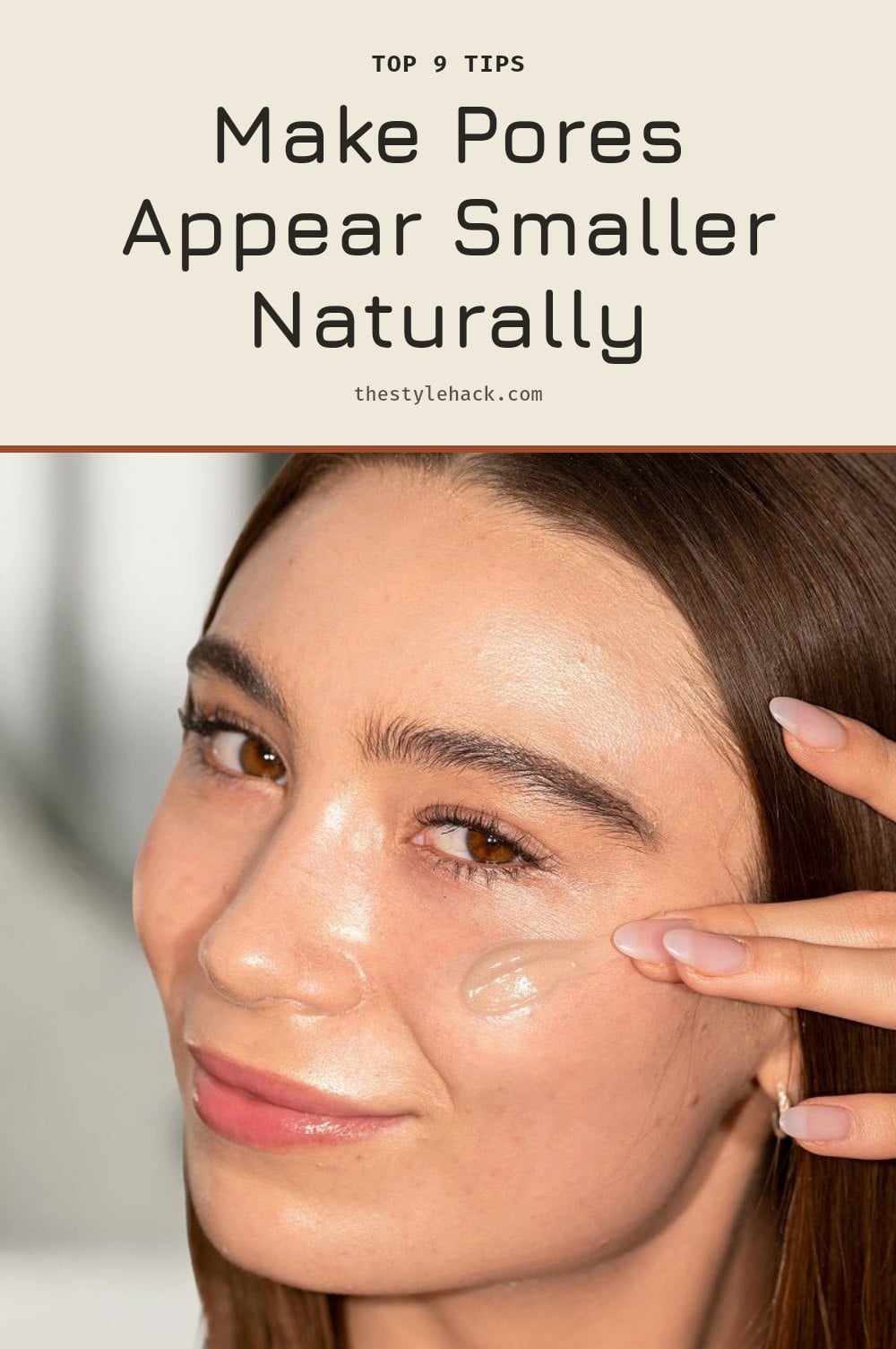
If you’ve ever looked in the mirror and wished your pores would just disappear, you’re not alone. The truth is, pore size is determined by genetics and can’t be permanently changed, but you can absolutely make them look smaller. This article covers nine natural, at-home strategies to minimize the appearance of pores, from cleansing and exfoliation to sun protection and hydration.
Key Takeaways
- Pore size is genetic and cannot be permanently altered, but appearance can be minimized.
- Cleanse twice daily with a gentle, non-comedogenic cleanser to prevent clogging.
- Exfoliate 2-3 times a week with salicylic acid (BHA) or glycolic acid (AHA).
- Use a broad-spectrum sunscreen with at least SPF 30 every day to protect collagen.
- Consistency is key; noticeable results typically take 4-8 weeks.
01. Can You Really Make Pores Smaller?
Pores are small openings in your skin that release sweat and sebum. Their actual size is set by genetics and cannot be permanently changed. But you can significantly minimize how visible they look. Excess oil, dead skin cells, sun damage, and loss of elasticity all make pores appear larger. A consistent routine with cleansing, exfoliation, and sun protection can make a big difference in their appearance.
02. 1. Cleanse Twice Daily Gently

Use a gentle, non-comedogenic cleanser morning and night to remove dirt, oil, and makeup. This regular cleansing prevents pore clogging, a major factor in making pores look larger.
- My tip: Avoid harsh scrubbing. It can irritate your skin and potentially trigger more oil production, which makes pores more noticeable.
03. 2. Exfoliate with AHAs or BHAs
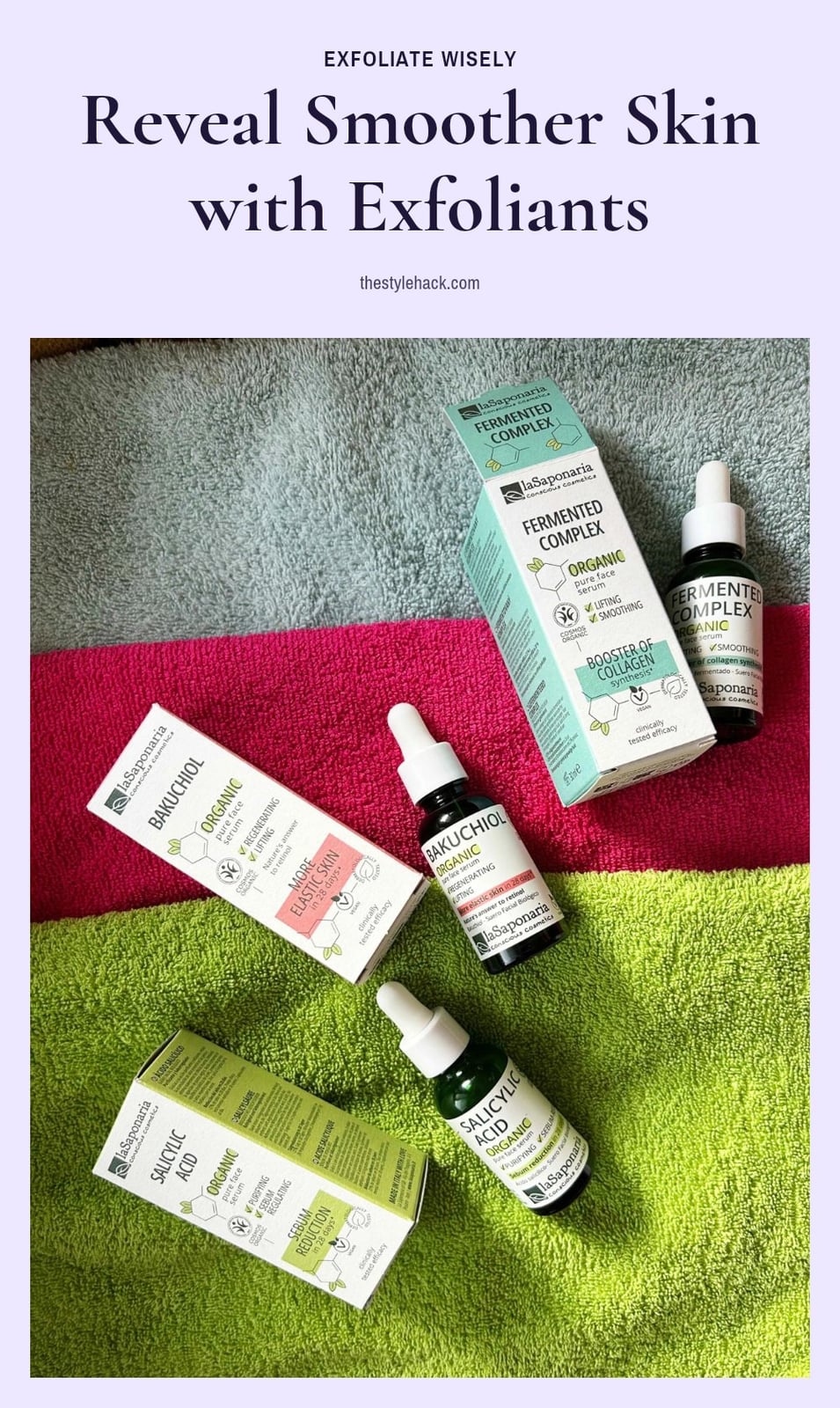
Incorporate chemical exfoliants like salicylic acid (BHA) or glycolic acid (AHA) 2-3 times a week. BHAs are oil-soluble, so they penetrate deep into pores to dissolve sebum and dead skin cells. This makes them ideal for oily and acne-prone skin. AHAs work on the skin’s surface to remove dead cells and improve texture.
- My tip: Start with a lower concentration and gradually increase frequency to avoid irritation.
04. 3. Embrace Retinoids for Renewal
Retinoids like retinol or prescription tretinoin normalize skin cell turnover, which prevents pores from getting clogged. They also stimulate collagen production, improving skin elasticity and making pores appear tighter over time.
- Tip: Start with a pea-sized amount a few nights a week and gradually increase as your skin tolerates it to avoid redness or peeling.
05. 4. Protect Your Skin from the Sun
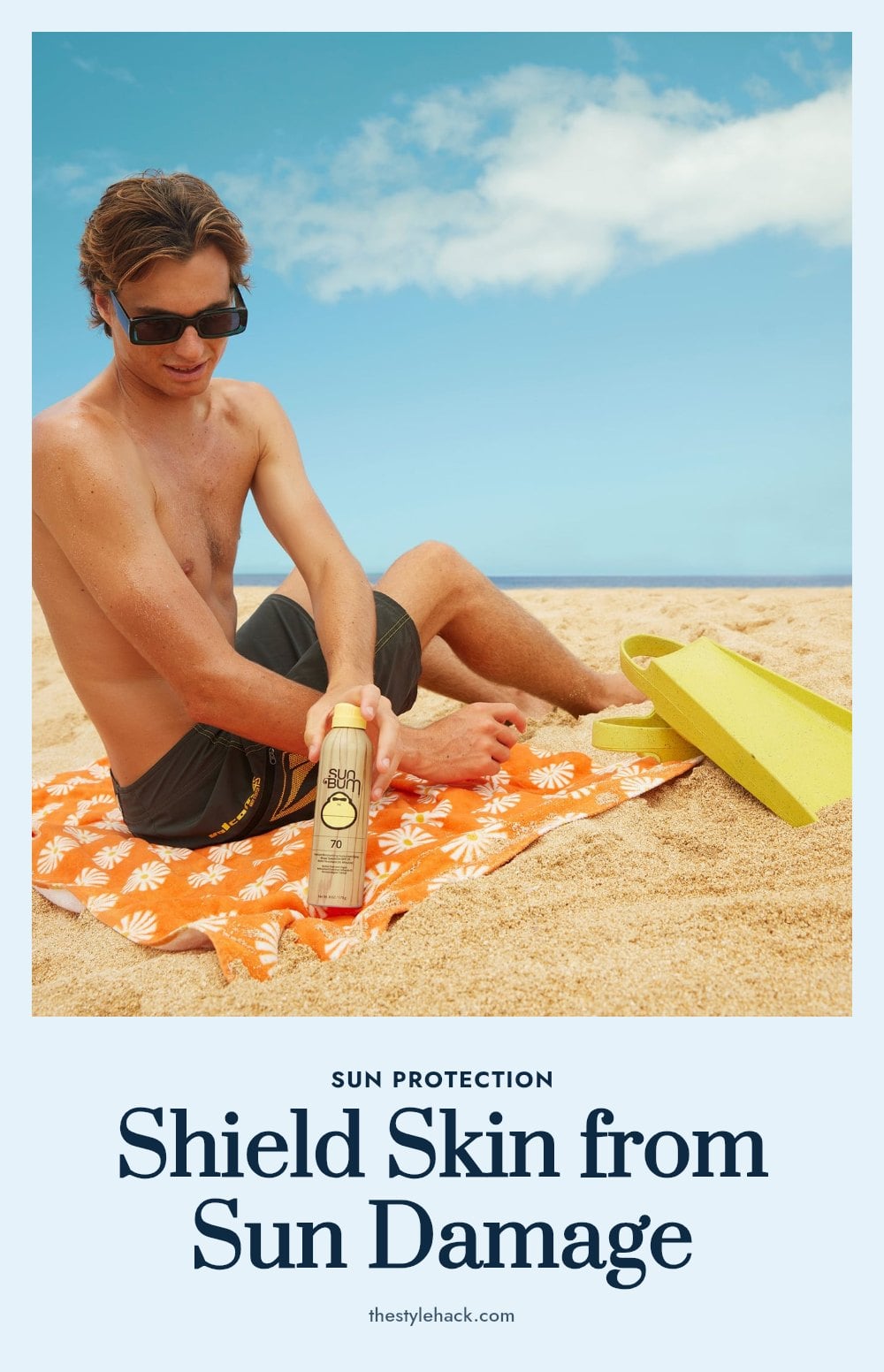
Daily use of a broad-spectrum sunscreen with at least SPF 30 is non-negotiable. Sun damage weakens the collagen and elastin that support your pores, making them appear stretched and larger over time.
Good to know: Make sunscreen the last step in your morning routine, every single day, rain or shine. This is especially important if you use exfoliating acids or retinoids, as they increase sun sensitivity.
06. 5. Moisturize, Even Oily Skin
Skipping moisturizer can actually make oily skin produce more oil to compensate, leading to more noticeable pores. Choose a lightweight, non-comedogenic moisturizer to keep your skin hydrated without clogging pores.
Pro move: Look for ingredients like hyaluronic acid for hydration without heaviness. A gel-based formula works well for oily skin types.
07. 6. Use Non-Comedogenic Products
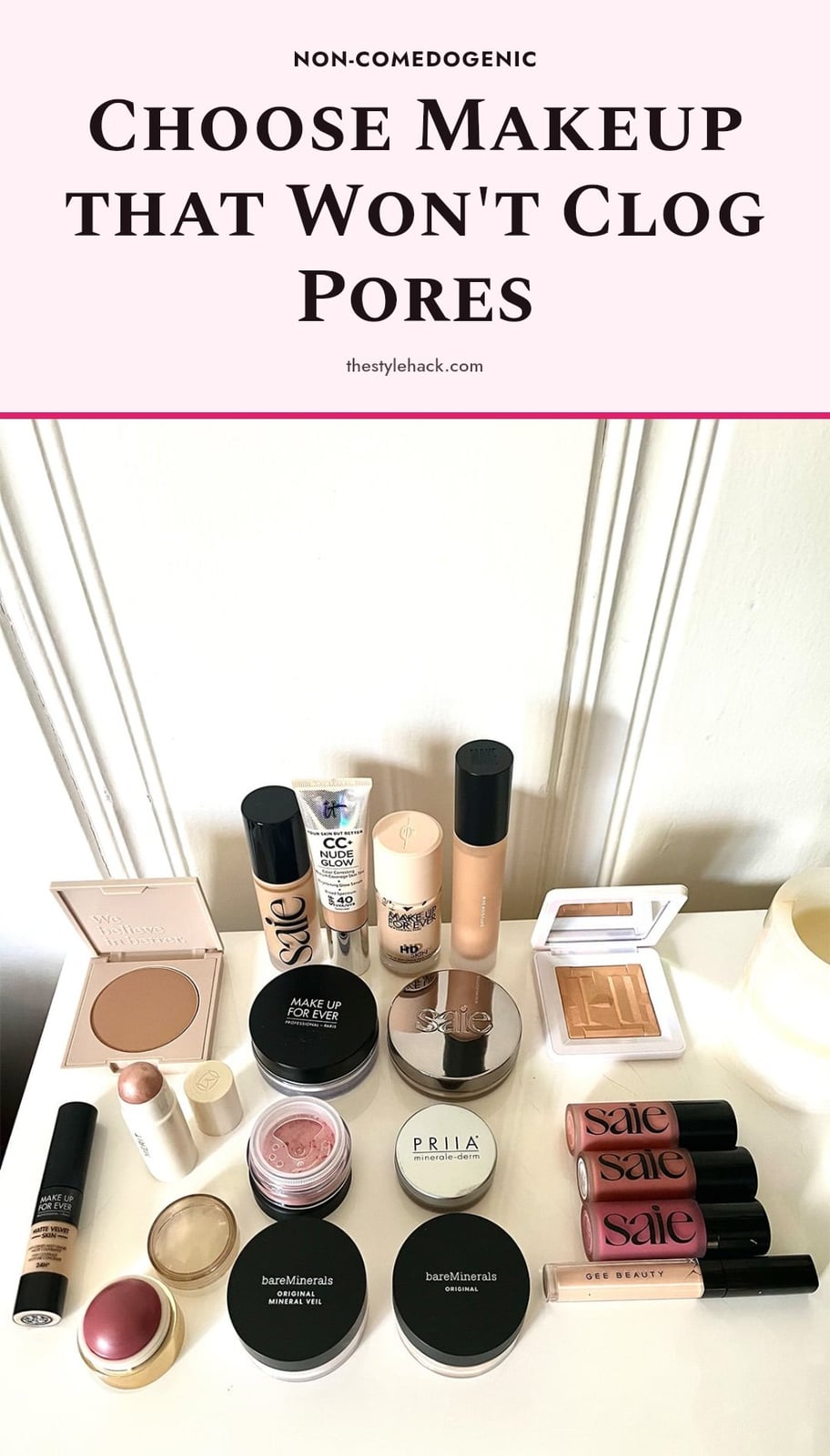
Always check labels for ‘non-comedogenic’ on all your skincare and makeup products. This ensures they are formulated not to clog pores, which is crucial for minimizing their appearance.
Quick tip: If a product doesn’t explicitly state it, research the ingredients for potential pore-cloggers. Ingredients like isopropyl myristate and certain silicones can be problematic for some people.
08. 7. Try Clay Masks Weekly
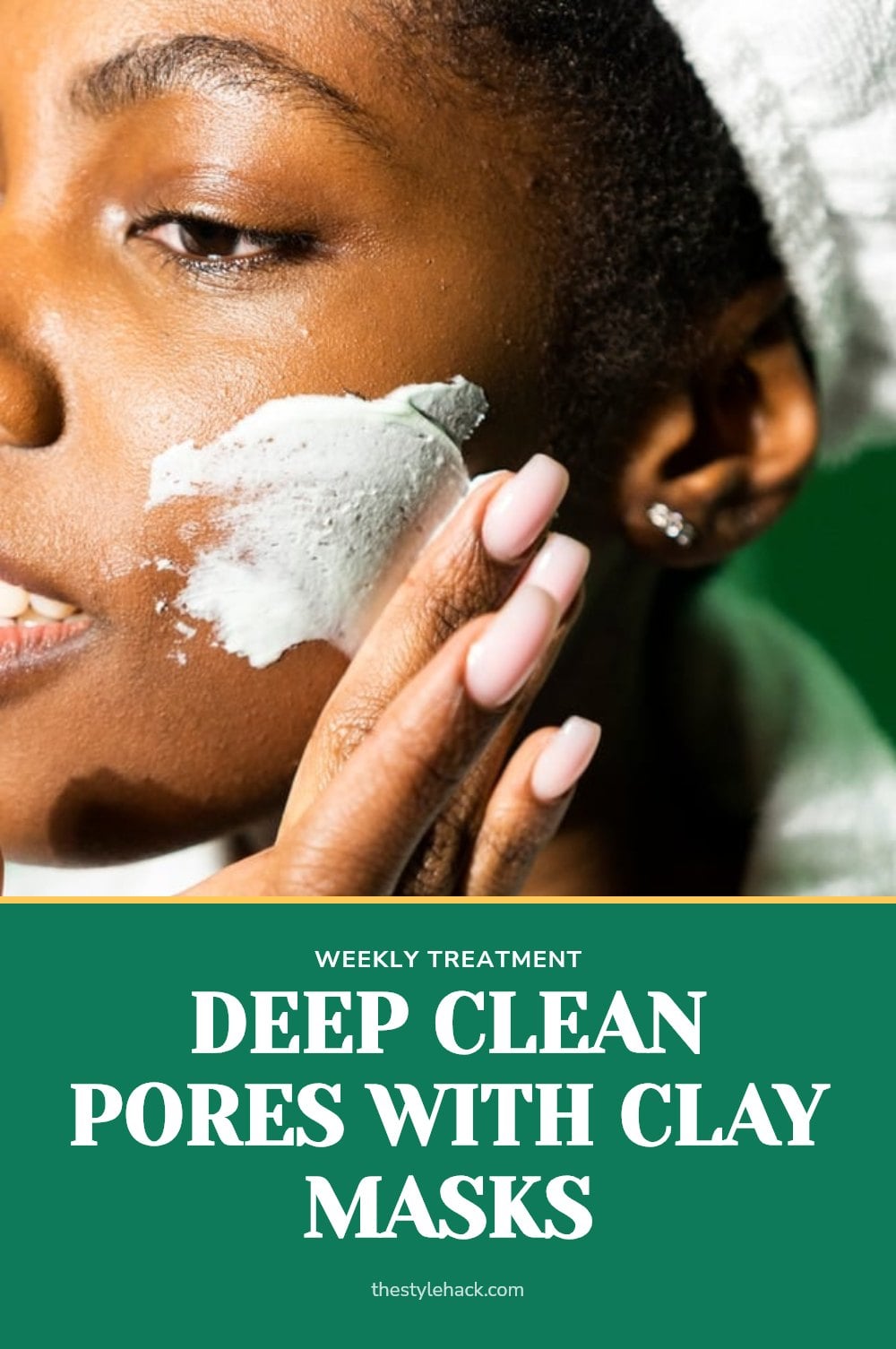
Clay masks are excellent for absorbing excess oil and drawing out impurities from pores. This temporary deep clean can make pores appear smaller and skin feel smoother.
Tip: Use a clay mask once a week, focusing on your T-zone if that’s where you experience the most oiliness. Leave it on for about 10-15 minutes, but don’t let it dry completely to avoid over-drying your skin.
09. 8. Stay Hydrated and Healthy
Drinking plenty of water supports overall skin health, which can indirectly contribute to a more even complexion. Hydration helps your skin maintain its natural barrier, and a well-hydrated skin surface reflects light more evenly, making pores less noticeable.
A healthy diet rich in antioxidants also helps protect skin from damage that can make pores more visible. Think of hydration and nutrition as foundational for your skin’s best appearance. My tip: pair your water intake with colorful fruits and vegetables to give your skin protective nutrients from the inside out.
10. 9. Avoid Picking and Squeezing
It’s tempting, I know, but picking or squeezing your pores can cause trauma to the skin. That trauma can lead to inflammation, infection, and even scarring, which makes pores look even larger and more damaged than before.
Your hands also transfer bacteria and dirt directly into the open pore, making the problem worse. My tip: if you absolutely feel the need for extraction, leave it to a professional esthetician who uses sterile tools and proper technique.
11. When to See a Dermatologist
See a dermatologist if you have persistent skin concerns like severe acne or very large, stubborn pores that don’t respond to over-the-counter treatments. Also make an appointment if you experience significant irritation, redness, or allergic reactions to skincare products.
A dermatologist can offer prescription-strength retinoids, in-office treatments like chemical peels, microdermabrasion, or laser therapy for more dramatic results. These options go beyond what you can do at home and are tailored to your specific skin type.
12. Frequently Asked Questions
13. Can pores actually open and close?
No, pores do not have muscles, so they cannot physically open or close like a valve. What you’re seeing when pores appear smaller is the result of temporary tightening from cold water or a clay mask, or a reduction in clogged oil and debris. The effect is temporary and not a true change in pore size.
14. How long does it take to see results from pore-minimizing routines?
With consistent use of a proper skincare routine, you can expect to see noticeable improvement in the appearance of your pores within 4 to 8 weeks. Continued use over several months can lead to further refinement. Patience and consistency are essential, as results are gradual.
15. Is it bad to have large pores?
Large pores are not a medical problem or a sign of unhealthy skin; they are simply a cosmetic concern. They are often more common in people with oily skin or those genetically predisposed. While they can be a sign of clogged pores or sun damage, having them is not harmful to your overall health.
16. Do pore strips really work to minimize pores?
Pore strips can temporarily remove the top layer of dead skin cells and sebum plugs from the surface of pores, making them appear cleaner and smaller for a short time. However, they do not permanently shrink pores and can be irritating if used too often. They are best used occasionally, not as a long-term solution.
17. Can diet affect pore size?
While diet alone won’t change your pore size, a healthy diet rich in antioxidants can support overall skin health and reduce inflammation. Staying hydrated by drinking plenty of water helps maintain your skin’s natural barrier, which can make pores less noticeable. There’s no direct evidence that specific foods shrink pores.
18. What is the best type of cleanser for large pores?
A gentle, non-comedogenic cleanser is the best choice for large pores. Look for a formula that is free of harsh sulfates and fragrances. If you have oily skin, a cleanser with salicylic acid can help keep pores clear, but avoid over-cleansing, which can strip the skin and trigger more oil production.
19. Final Thoughts
My tip for getting started: pick just one or two changes from the list, like adding a daily sunscreen and a weekly clay mask, and stick with them for a month. Realistic results take time, usually 4 to 8 weeks before you’ll notice a visible difference in how smooth your skin looks. The goal isn’t to erase your pores, it’s to make them less noticeable so you feel more confident in your own skin.
This article is for general informational purposes only and is not a substitute for professional medical or dermatological advice. Individual skin types and conditions vary. If you have persistent skin concerns, severe acne, or experience irritation from products, please consult a board-certified dermatologist or healthcare provider for personalized guidance.
More Blog ideas
- How to Heal Chapped Lips Overnight with Simple Steps
- Atomic Habits: 5 Lessons to Build Better Habits
- Hyaluronic Acid for Beginners
- How to Build a Gentle Skincare Routine for Sensitive Skin
- Beat Frizzy Hair: Easy Remedies for Smooth, Shiny Strands
- How to Increase Your Daily Drinking Water Intake
- Washing Hair Mistakes to Avoid and What to Do Instead
- Bleaching Hair Tips for Less Damage
- How to Make Your Body Mist Last Longer All Day
- How to Fix Your Skincare Routine
- Nervous System Regulation Tips
- Vagus Nerve Exercises for Stress Relief






