How to Prevent Wrinkles: Simple Habits for Smoother Skin
Learn how to prevent wrinkles and keep your skin looking youthful with easy-to-adopt daily habits and effective skincare strategies. Get started today!

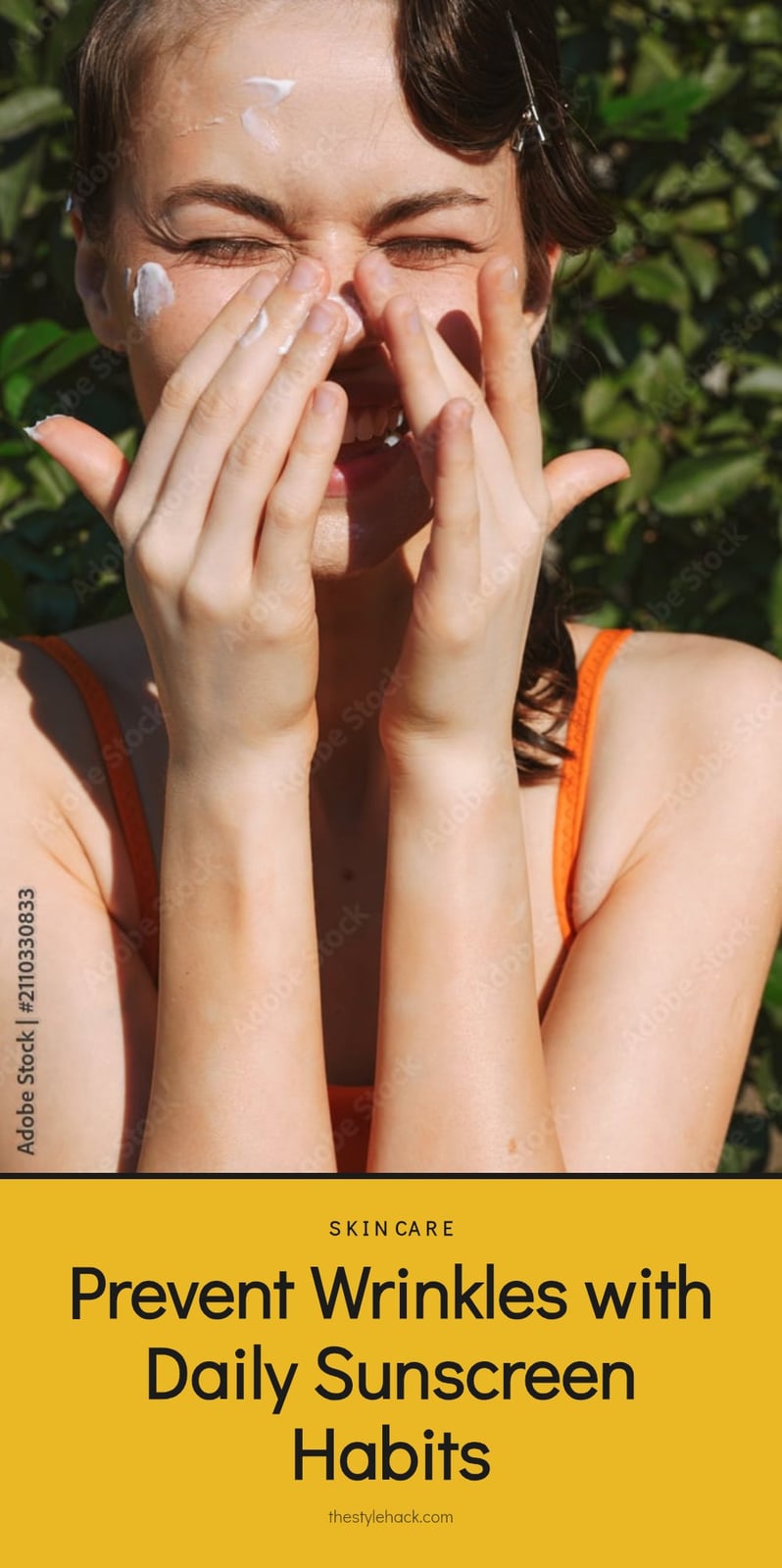
You might think wrinkles are just something you have to accept as you get older, but the truth is, you have a lot more control than you realize. The key isn’t about turning back the clock, it’s about protecting the skin you have right now. This article covers the simple, effective habits that can help prevent premature wrinkles and keep your skin looking smoother for longer.
From the single most important step you can take to the skincare ingredients that actually work, I’ll walk you through what really makes a difference. My tip: don’t wait until you see lines to start caring for your skin.
Key Takeaways
- Apply broad-spectrum sunscreen with SPF 30 or higher every single day, even when it’s cloudy.
- Incorporate a retinoid product into your evening routine, starting slowly to let your skin adjust.
- Use a gentle cleanser and moisturizer twice daily to keep your skin barrier healthy and hydrated.
- Eat a diet rich in antioxidants and stay well-hydrated to support your skin from the inside out.
- Get 7-9 hours of sleep per night and manage stress to reduce inflammation that can accelerate aging.
1. The Key to Preventing Wrinkles
Wrinkles are a natural part of aging, but you can minimize how soon and how much they show. The single most effective step is daily sun protection: UV rays are the top cause of premature lines. A consistent routine with the right products and healthy habits goes a long way, too. My tip: think of prevention as a long game, small daily choices add up over time.
2. Why Wrinkles Appear on Your Skin
Your skin’s firmness and bounce come from two proteins: collagen and elastin. As you age, your body naturally produces less of both, which leads to thinner, less elastic skin. That’s where wrinkles start.
3. What speeds up the process
- Sun exposure: UV radiation breaks down collagen and elastin, causing premature aging known as photoaging. This is the biggest external factor.
- Facial expressions: Repeated squinting, frowning, or smiling creates creases that eventually become permanent (static wrinkles).
- Smoking: It damages collagen and elastin directly, accelerating wrinkle formation significantly.
- Dehydration: While it doesn’t cause permanent wrinkles, dry skin makes existing lines look deeper and more noticeable.
4. Essential Skincare Products for Prevention

You don’t need a cabinet full of products, but a few key players make a real difference.
- Broad-spectrum sunscreen SPF 30+: Non-negotiable. It protects against UVA and UVB rays that cause photoaging.
- Gentle cleanser and moisturizer: Keep your skin barrier healthy and hydrated, the foundation of any routine.
- Retinoid product (retinol or retinaldehyde): Vitamin A derivatives that stimulate collagen production and reduce existing lines.
- Antioxidant serum (Vitamin C, E): Shields skin from free radical damage and brightens your complexion.
- Exfoliant (AHA/BHA): Smooths texture and helps other products absorb better.
5. Your Daily Routine for Wrinkle Prevention

Consistency matters more than perfection. Here’s a simple routine to follow.
- Cleanse and moisturize: Wash gently with a mild cleanser morning and night. Apply a moisturizer suited to your skin type to keep your barrier intact.
- Apply antioxidant serum (morning or evening): Use a Vitamin C serum under your moisturizer to fight free radicals from pollution and UV. It brightens complexion and shields skin from damage.
- Apply sunscreen (morning): Spread a broad-spectrum SPF 30+ over your face and neck. Do this every day, even indoors or when it’s cloudy, UV rays penetrate windows and clouds.
- Introduce a retinoid (evening): Start with a low concentration 2-3 nights per week, then gradually increase to every other night. Apply after cleansing, before moisturizer. Caution: Retinoids can cause dryness and peeling at first; back off if irritation occurs.
- Exfoliate weekly: Use an AHA or BHA product 1-2 times per week. If you are using retinoids, exfoliate on a separate night to avoid overloading skin. This removes dead cells and keeps skin smooth.
My tip: give each new product at least two weeks before adding another. Your skin needs time to adjust.
6. Lifestyle Habits to Support Youthful Skin

What you do outside your skincare routine matters just as much. Drinking enough water throughout the day helps maintain skin hydration and plumpness. A diet rich in antioxidants from fruits, vegetables, and healthy fats like avocados and nuts supports your skin from the inside. Prioritizing 7-9 hours of quality sleep each night gives your skin time to repair and regenerate. Managing stress through meditation or yoga can help reduce inflammation that accelerates aging. My tip: sleeping on your back prevents ‘sleep wrinkles’ from facial compression against the pillow, so your morning lines stay temporary.
7. Common Wrinkle Prevention Mistakes to Avoid
A few common missteps can undo your hard work. Skipping sunscreen on cloudy days or in winter is a big one: UV rays still reach your skin year-round. Over-exfoliating or layering too many active ingredients can irritate your skin and damage its barrier, so stick to a gentle, consistent routine. Expecting immediate results is another trap: visible improvements from retinoids typically take 3-6 months of regular use. Smoking and secondhand smoke severely damage collagen and elastin, so avoiding both is critical. Caution: aggressively rubbing or picking at your skin creates unnecessary friction and stress that can deepen lines over time.
8. When to Consult a Dermatologist
A dermatologist can help when your skin needs more than a store-bought product. If you experience persistent irritation, redness, or dryness from a new ingredient, a professional can guide you on alternatives. Any suspicious changes, like new moles or lesions, should be checked promptly. If you want prescription-strength retinoids or advanced treatments like injectables or lasers, a dermatologist can create a personalized plan. Important: if you are pregnant or breastfeeding, consult a doctor before using retinoids or certain active ingredients to ensure safety for you and your baby.
9. Timeline for Visible Results and Product Costs
Patience pays off with wrinkle prevention. Daily sunscreen use and healthy habits show their benefits gradually over months and years. Topical retinoids typically need 3-6 months of consistent application to visibly improve fine lines and texture. Product costs vary widely, but effective options exist at every price point. My tip: consistency matters far more than the price tag on a jar, so stick with what works for your skin.
10. Frequently Asked Questions
11. Can wrinkles be completely reversed once they appear?
No, wrinkles cannot be completely reversed. However, consistent use of effective ingredients like retinoids and sunscreen can significantly reduce their appearance by stimulating collagen production and preventing further damage. Some treatments, like certain professional procedures, may offer more dramatic improvement, but no product can fully erase a wrinkle.
12. Is it too late to start a wrinkle prevention routine?
It is never too late to start. While prevention is most effective when you begin early, adopting a good routine at any age can improve your skin’s texture, hydration, and overall health. Even if you already have wrinkles, you can slow down the formation of new ones and help your skin look its best.
13. Do natural remedies like coconut oil help with wrinkles?
Coconut oil can be a good moisturizer, which may temporarily plump the skin and make fine lines less noticeable. However, it has not been shown to prevent or reverse wrinkles in the same way that ingredients like retinoids or antioxidants do. For true wrinkle prevention, rely on proven ingredients and daily sunscreen.
14. How often should I use retinoids for best results?
Start by using a retinoid just once or twice a week to let your skin adjust. After a few weeks, you can gradually increase to every other night, and eventually to nightly use if your skin tolerates it. Consistency is more important than frequency, so find a schedule you can stick with without irritation.
15. Does drinking water really affect wrinkle formation?
Drinking enough water helps maintain your skin’s hydration and plumpness, which can make fine lines and wrinkles appear less noticeable. However, dehydration alone does not cause permanent wrinkles. While staying hydrated supports overall skin health, it is not a substitute for sun protection and a good skincare routine.
16. Final Thoughts
Preventing wrinkles doesn’t require a complicated routine or expensive products. The real secret is consistency with the basics: daily sunscreen, a gentle cleanser and moisturizer, and a targeted treatment like a retinoid. Pair that with healthy lifestyle habits like drinking enough water, eating antioxidant-rich foods, and getting good sleep.
Expect to see gradual, subtle improvements over months, not days. Topical retinoids, for example, typically need 3-6 months of regular use to show visible results. Start now, stick with it, and your future skin will thank you.
This article is for general informational purposes only and does not constitute medical or professional advice. Skincare affects everyone differently, and what works for one person may not work for another. If you have persistent skin concerns, irritation, or any suspicious changes, please consult a board-certified dermatologist or healthcare professional.
More Blog ideas
- How to Heal Chapped Lips Overnight with Simple Steps
- Atomic Habits: 5 Lessons to Build Better Habits
- Hyaluronic Acid for Beginners
- How to Build a Gentle Skincare Routine for Sensitive Skin
- Beat Frizzy Hair: Easy Remedies for Smooth, Shiny Strands
- How to Increase Your Daily Drinking Water Intake
- Washing Hair Mistakes to Avoid and What to Do Instead
- Bleaching Hair Tips for Less Damage
- How to Make Your Body Mist Last Longer All Day
- How to Fix Your Skincare Routine
- Nervous System Regulation Tips
- Vagus Nerve Exercises for Stress Relief






