11 Productivity Habits that Will Change Your Days
Transform your daily routine with 12 proven productivity habits. Learn to manage time, energy, and tasks effectively for a less overwhelmed, more fulfilling.

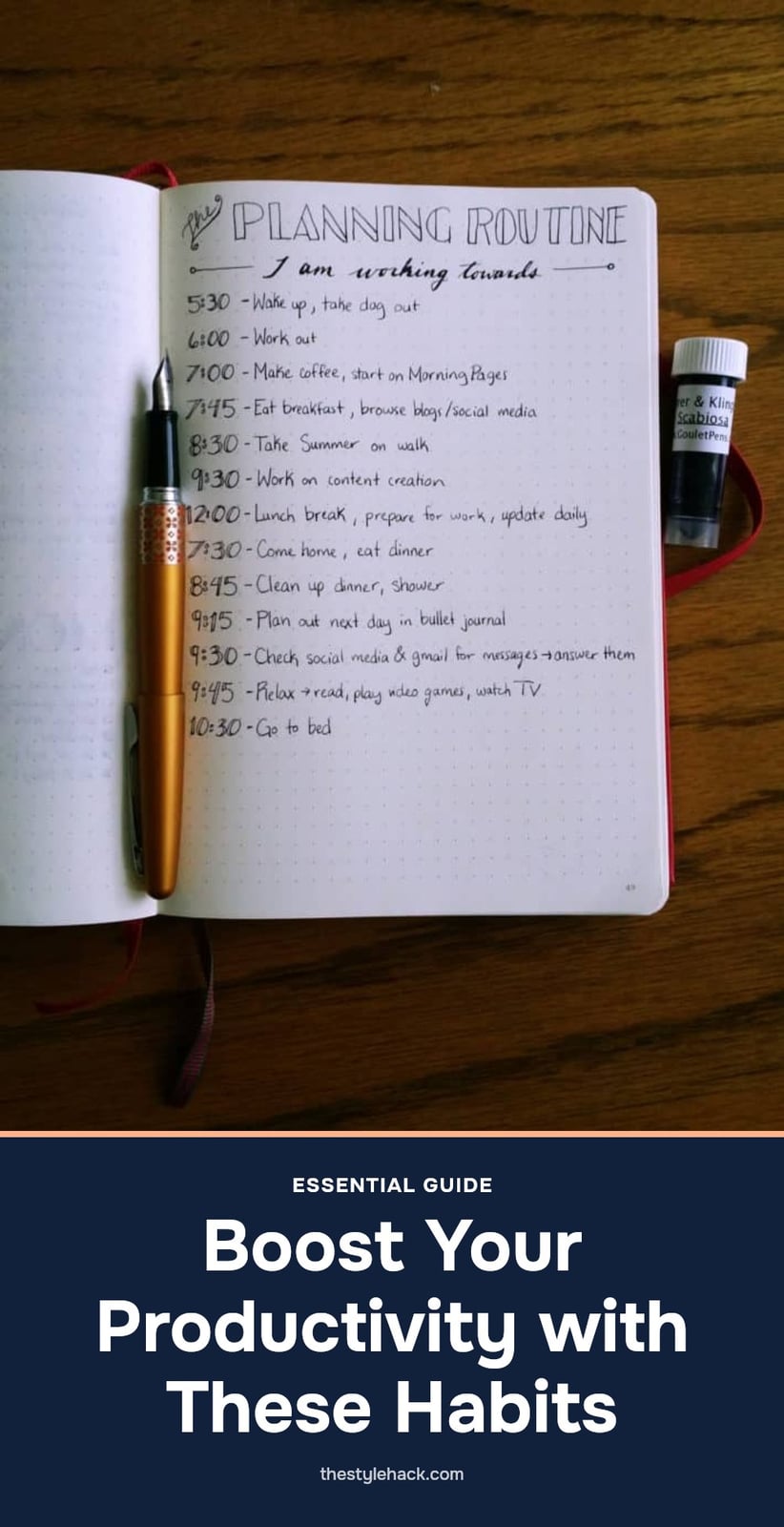
Feeling overwhelmed by your to-do list and wondering how to actually get things done without burning out? You’re not alone. True productivity isn’t about cramming more into your day; it’s about working smarter, not harder. In this article, I’ll walk you through 11 practical habits that can help you manage your time and energy more effectively, so you can feel more in control and accomplished.
Key Takeaways
- Schedule your most demanding tasks during your peak energy times for better focus.
- Use the Eisenhower Matrix to prioritize tasks by urgency and importance.
- Work in 25-minute Pomodoro intervals with short breaks to maintain concentration.
- Batch similar tasks together to reduce the mental cost of switching.
- Review your day and plan tomorrow’s top three tasks before finishing work.
01. What Does True Productivity Look Like?
True productivity isn’t about doing more, but doing the right things more effectively and sustainably. It involves understanding your energy cycles, setting clear priorities, and building consistent habits that support your goals. The goal is meaningful progress and feeling more in control, not burnout. When you align your actions with your natural rhythms and focus on what truly matters, you’ll achieve more with less stress.
02. 1. Identify Your Peak Energy Times

Identify the times of day when you feel most alert and focused. For some, that’s early morning; for others, it’s late afternoon. Schedule your most demanding tasks during these peak periods to maximize your cognitive performance.
- Track your energy levels for a week to spot patterns.
- During lower energy times, tackle less intensive tasks like answering emails or organizing your workspace.
- Delegate tasks that don’t require your unique skills when possible.
My tip: Use a simple journal to note your energy at different hours. Within a few days, you’ll see clear trends.
03. 2. Master the Art of Prioritization
Master prioritization by categorizing tasks using the Eisenhower Matrix, which divides them into four quadrants based on urgency and importance. Focus on high-impact activities that move your goals forward, not just urgent ones. This prevents you from spending hours on tasks that don’t contribute to your long-term objectives.
- List your tasks for the day.
- Sort them into urgent/important, not urgent/important, urgent/not important, and not urgent/not important.
- Do the important and urgent tasks first, then schedule the important but not urgent ones.
My tip: Tackle your ‘Eat the Frog’ task, the most challenging one, during your peak energy time. This ensures you handle the hardest work when your willpower and focus are at their highest, making the task feel less daunting and more manageable.
04. 3. Implement Time Blocking
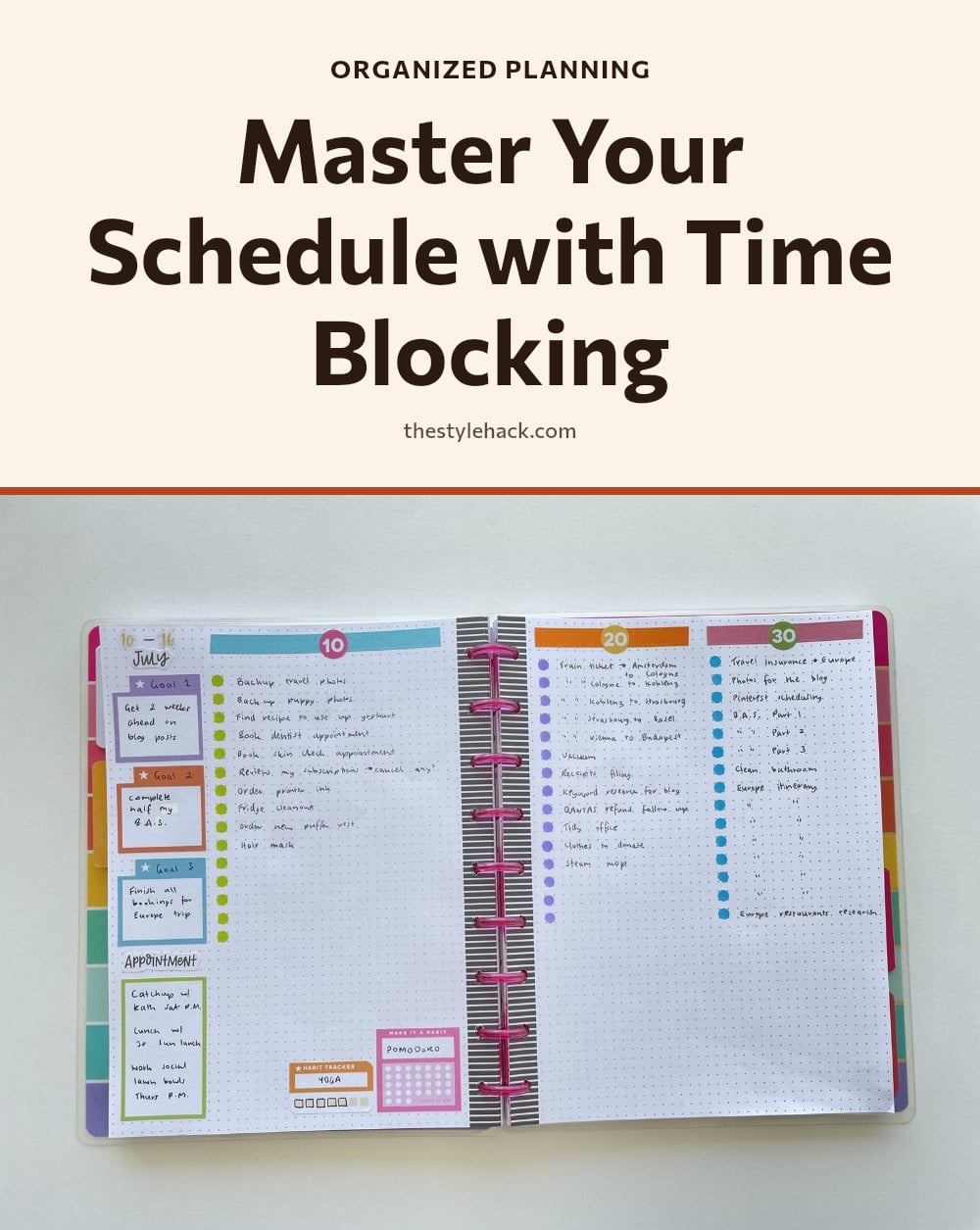
Time blocking means scheduling specific blocks of time for particular tasks or activities in your planner. Treat these blocks like appointments you can’t miss. This prevents context-switching and ensures dedicated focus for important work.
- Divide your day into chunks, each assigned to a specific task or type of work.
- Set a clear start and end time for each block.
- If an interruption occurs, reschedule the block rather than abandoning it.
For example, you might block 9:00 to 10:30 for deep work on a project, 10:30 to 11:00 for emails, and so on. This structure helps you stay on track and reduces the mental cost of switching between tasks.
05. 4. Embrace the Pomodoro Technique
Set a timer for 25 minutes and work on a single task without interruptions. When the timer rings, take a 5-minute break to stretch or grab water. After four cycles, reward yourself with a longer break of 15-30 minutes. This structure trains your brain to focus intensely for short bursts and prevents the mental fatigue that comes from long, unfocused sessions.
06. 5. Eliminate Distractions Ruthlessly
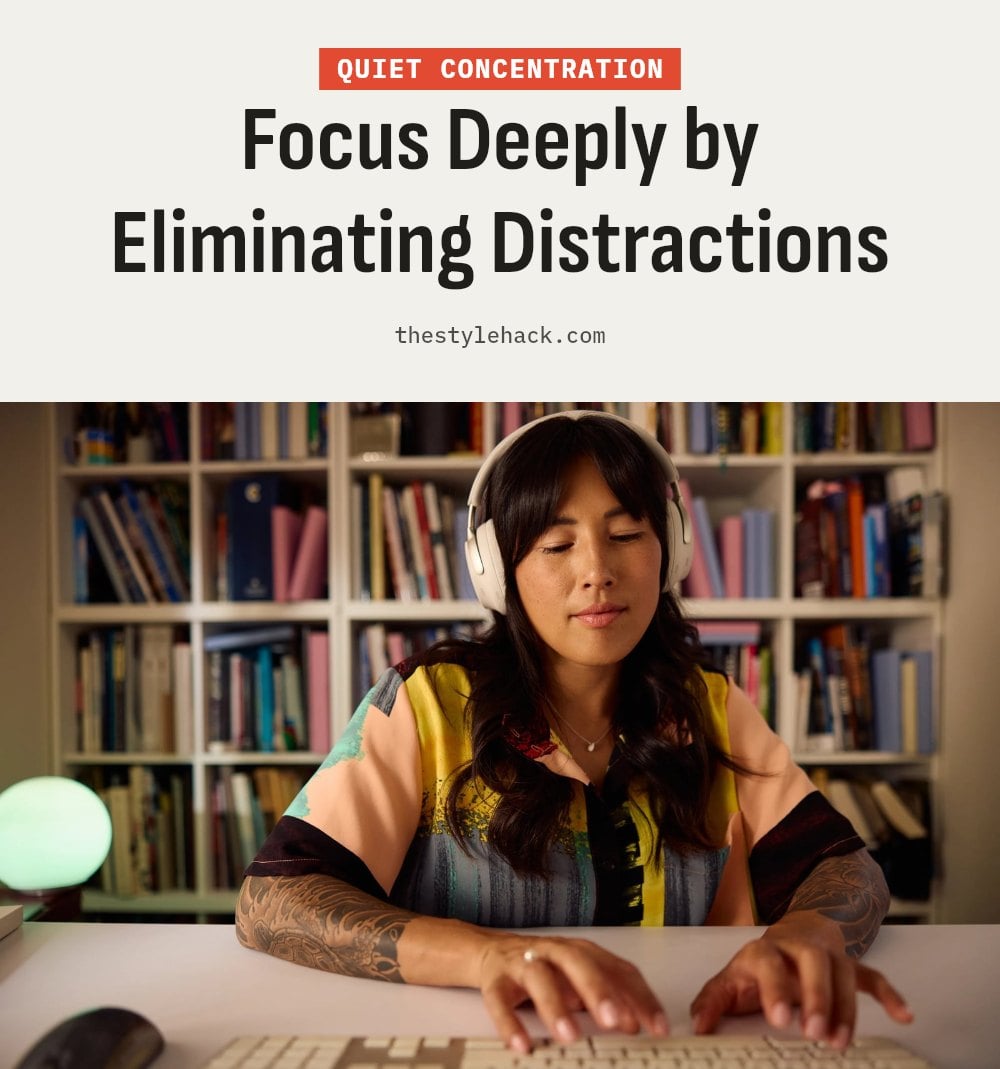
Turn off all notifications on your phone and computer before you start a work block. Close any browser tabs that aren’t needed for the task at hand. Keep your desk surface clear of everything except what you’re actively using.
Tip: If you work in a noisy coffee shop or shared space, noise-canceling headphones make a huge difference. They block out background chatter and signal to others that you’re focused.
07. 6. Batch Similar Tasks Together
Group similar tasks into one block of time: answer all emails, then make all calls, then run errands. This reduces the mental cost of switching between different types of work, so you stay focused longer.
My tip: batching is the method I rely on most for saving time. It also helps me stay in the right mindset for each type of task, which makes the work feel lighter.
08. 7. Apply the Two-Minute Rule
If a task will take less than two minutes, do it right away. Reply to that quick email, put away the dish on the counter, or file that one document. This rule prevents small tasks from piling up into an overwhelming list.
I keep a short mental checklist: if I can finish it in under two minutes, I don’t add it to my to-do list. I just do it.
09. 8. Establish a Morning Routine

A consistent morning routine sets the tone for the entire day. I start with a glass of water, then 10 minutes of stretching or journaling before I touch my phone. Avoiding emails and social media first thing protects your focus and keeps your priorities front and center.
Good to know: Keep your phone in another room for the first 30 minutes. This small change creates a calm, intentional start that prepares your mind for focused work.
10. 9. Take Regular, Short Breaks

Working for 25 minutes without a break drains your focus and creativity. I set a timer to remind me to step away from my screen every 25 minutes. Even a 5-minute walk around the room or a few neck rolls resets my energy.
Good to know: Short breaks improve concentration and prevent mental fatigue. Try stretching, grabbing a glass of water, or looking out the window. Your brain needs these pauses to stay sharp.
11. 10. Conduct an End-of-Day Review
Spending 10-15 minutes at the end of each workday reviewing what you accomplished and planning the next day can transform your morning. I write down my top three tasks for tomorrow and any notes on unfinished work. This simple habit helps me feel accomplished and cuts down decision fatigue when I sit down again.
Pro move: This habit helps me sleep better, knowing exactly what tomorrow holds. No more lying awake mentally replaying the day.
12. 11. Prioritize Self-Care and Sleep
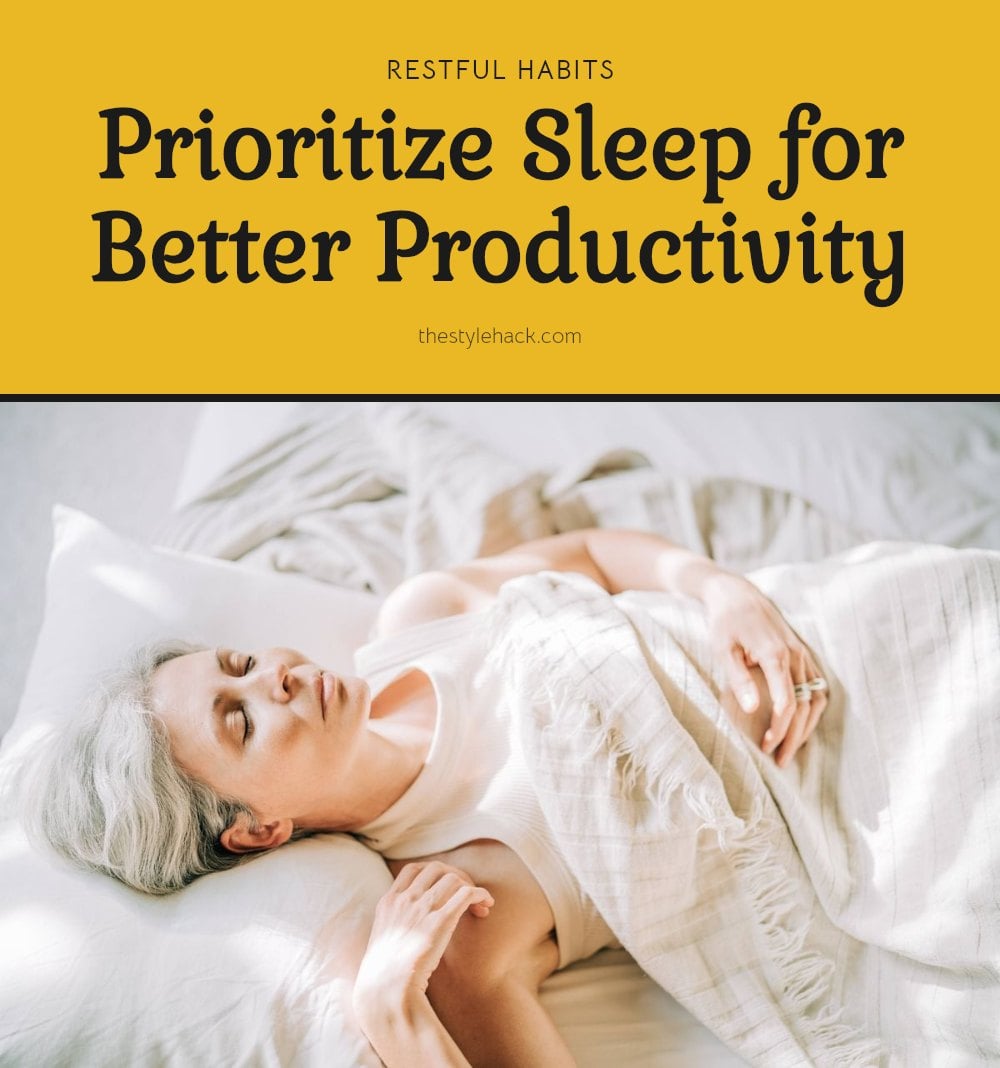
Rest and relaxation are not luxuries; they are non-negotiable for sustained productivity. I learned this the hard way after weeks of skipping sleep to finish projects, only to crash with zero energy. A consistent sleep schedule ensures your brain has time to recover and process information.
Caution: Neglecting self-care leads to burnout and decreased efficiency. Prioritize 7-8 hours of sleep, and treat relaxation like any other important appointment. Your future self will thank you.
13. Common Productivity Pitfalls to Avoid
Confusing busyness with accomplishment: Just because your calendar is full doesn’t mean you’re making real progress. Focus on meaningful output, not how many tasks you check off. Multitasking: It often decreases efficiency and increases errors. Stick to one task at a time and finish it before moving on. Not taking sufficient breaks: Skipping short breaks or taking overly long ones can lead to burnout and decreased focus. Regular, short breaks are essential for maintaining energy and clarity. Overscheduling: Leaving no room for unexpected tasks or breaks sets you up for failure and stress. Always buffer your day. Perfectionism: Don’t let the pursuit of perfect prevent you from completing tasks. Done is better than perfect.
14. Frequently Asked Questions
15. How long does it take to build a new productivity habit?
Consistent practice for at least 21 days can help solidify a new routine, though the exact time varies by person and complexity. You’ll likely notice improvements within a few weeks, but be patient and keep adjusting as you learn what works best for you.
16. Can I be productive without a strict schedule?
Yes, some people thrive with flexible routines. The key is to have clear priorities and a few non-negotiable blocks for important tasks. You can use time blocking loosely, like setting a morning block for deep work, without planning every minute.
17. What if I get distracted easily?
Start by eliminating external distractions: turn off notifications, close unnecessary tabs, and keep your workspace clean. Then, use techniques like the Pomodoro method to train your focus. If your mind wanders, gently bring it back to the task at hand.
18. Is multitasking ever a good idea?
In most cases, multitasking decreases efficiency and increases errors, so it’s best avoided for complex tasks. However, simple, automatic tasks like folding laundry while listening to a podcast can work fine. The key is to know when your full attention is needed.
19. How do I know if I’m being truly productive?
True productivity is about meaningful progress toward your goals, not just checking off tasks. Ask yourself if you’re working on high-impact activities and if you feel in control of your day. If you’re busy but not moving forward, it’s time to reassess your priorities.
20. Final Thoughts
Adopting even a few of these habits can make a noticeable difference in how you approach your days. My tip: start with one habit, like the two-minute rule or time blocking, and practice it consistently for at least three weeks. Expect to see gradual improvements in your focus and output, not overnight changes. Remember, productivity is a personal journey, so adjust these strategies to fit your life and watch your days transform.
More Blog ideas
- How to Heal Chapped Lips Overnight with Simple Steps
- Atomic Habits: 5 Lessons to Build Better Habits
- Hyaluronic Acid for Beginners
- How to Build a Gentle Skincare Routine for Sensitive Skin
- Beat Frizzy Hair: Easy Remedies for Smooth, Shiny Strands
- How to Increase Your Daily Drinking Water Intake
- Washing Hair Mistakes to Avoid and What to Do Instead
- Bleaching Hair Tips for Less Damage
- How to Make Your Body Mist Last Longer All Day
- How to Fix Your Skincare Routine
- Nervous System Regulation Tips
- Vagus Nerve Exercises for Stress Relief






