Retinol for Beginners: Your Complete Guide to Starting
Retinol for Beginners: Learn how to safely introduce this powerful ingredient into your skincare routine, minimize irritation, and achieve smoother, clearer.

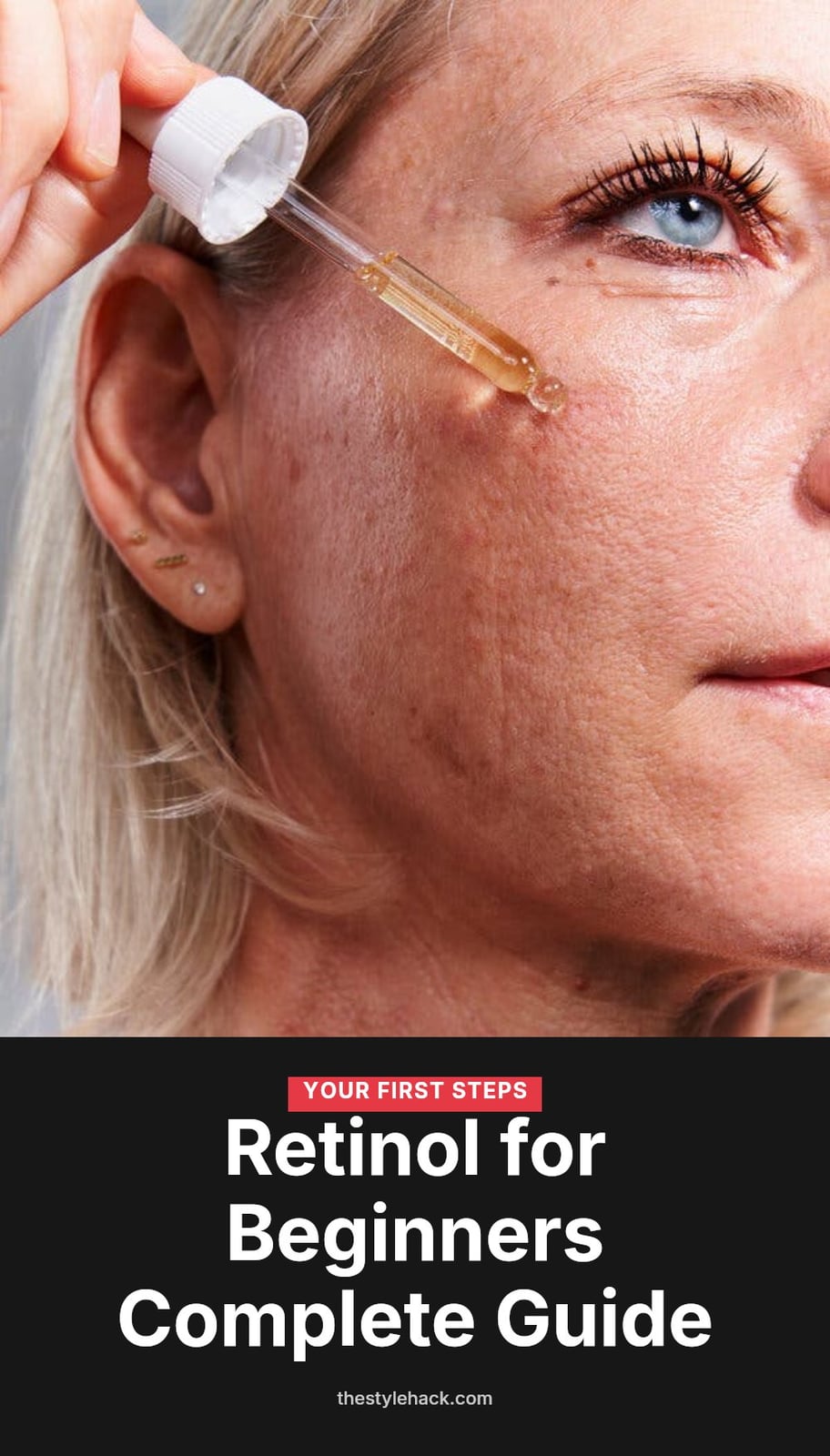
Starting retinol can feel overwhelming, but it doesn’t have to be. With the right approach, you can introduce this powerful vitamin A derivative into your routine safely and effectively. This article walks you through everything you need to know, from choosing the right concentration to building a routine that works for your skin.
Key Takeaways
- Start with a 0.25% or 0.3% retinol concentration.
- Apply retinol only at night on completely dry skin.
- Use it once or twice a week to begin, then adjust.
- Wear broad-spectrum SPF 30+ sunscreen every morning.
- Expect 4-12 weeks for adjustment, 3-6 months for visible results.
1. What is Retinol and Why Should You Use It?
Retinol is a derivative of vitamin A that speeds up cell turnover and stimulates collagen production. Over time, this can reduce the look of fine lines and wrinkles, even out skin texture and tone, and help manage acne. Because retinol is potent, beginners need to start with a low concentration, typically 0.25% or 0.3%, and use it gradually so the skin can adapt without becoming irritated.
2. Your Essential Retinol Starter Kit
Before you start, gather four essentials. A low-concentration retinol serum or cream (0.25% or 0.3%) gives you a gentle entry point. A mild, non-stripping cleanser preps your face without disrupting the barrier. A hydrating, fragrance-free moisturizer acts as a buffer and soothes any dryness. And a broad-spectrum SPF 30+ sunscreen is non-negotiable. You must wear it every morning to protect skin made more sensitive by retinol.
3. Step-by-Step: Introducing Retinol to Your Routine
- Cleanse and dry: Wash your face with a gentle cleanser, then pat it dry. Wait 15-20 minutes until your skin is completely dry, applying retinol to damp skin increases irritation.
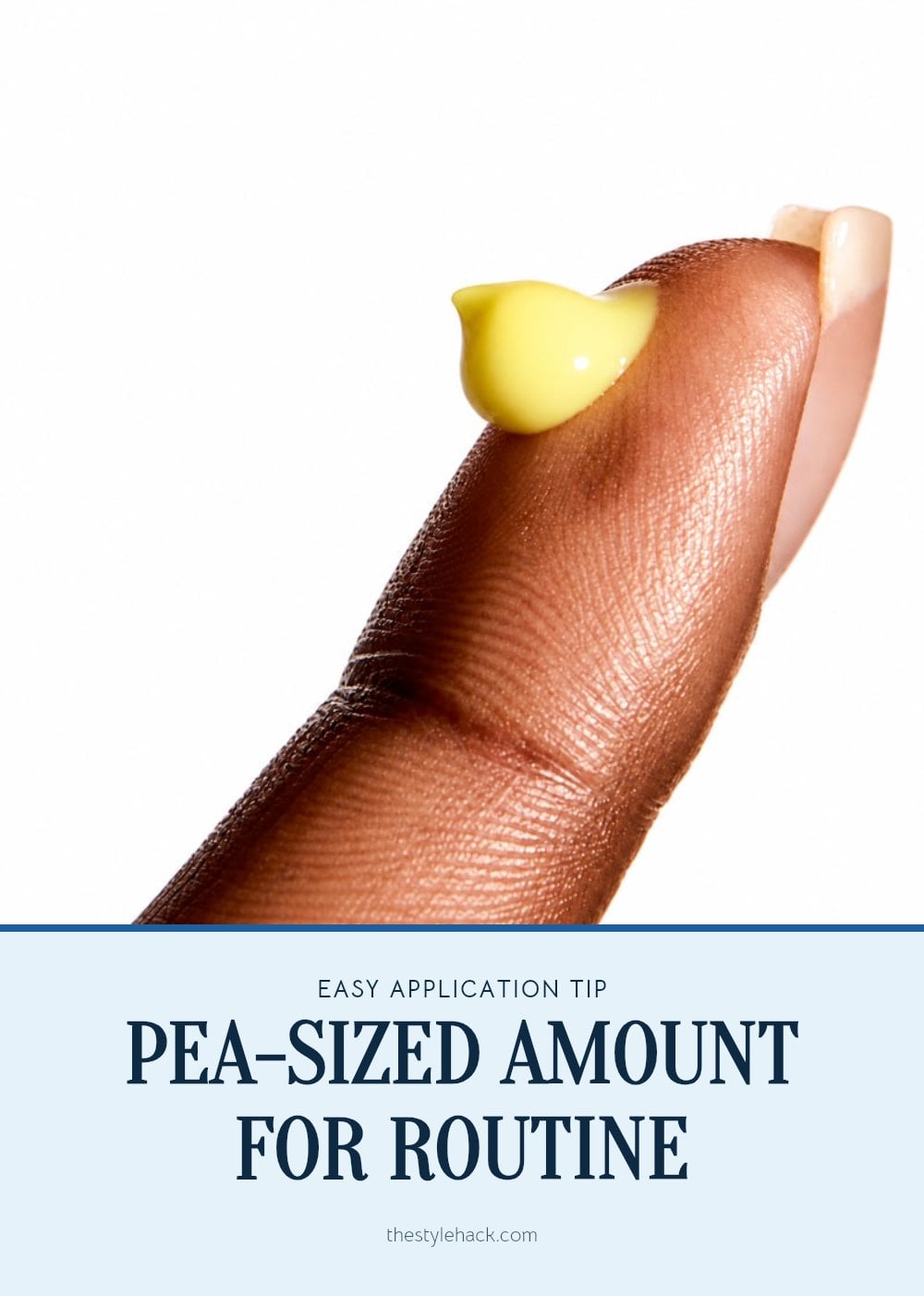
- Apply retinol: Squeeze a pea-sized amount of your low-concentration retinol onto a fingertip. Dot it across your forehead, cheeks, chin, and nose, then spread it evenly over your entire face, avoiding the delicate eye area and the corners of your mouth.
- Moisturize: Wait a few minutes for the retinol to absorb, then follow with a rich, fragrance-free moisturizer. This locks in hydration and helps reduce the chance of redness or peeling.
- Start slow: Use retinol only 1-2 times per week for the first few weeks. If your skin tolerates it well, increase to every other night, then gradually to nightly if desired.
- Use at night only: Retinol degrades in sunlight and increases sun sensitivity, so apply it only in your evening routine.
4. Tips for Minimizing Retinol Irritation

5. Sandwich method
Apply your moisturizer first, then retinol, then another layer of moisturizer. This buffers the retinol so it absorbs more slowly, which is especially helpful if your skin tends to get red or flaky.
6. Dry skin rule
Always apply retinol to completely dry skin. Damp skin lets the product penetrate faster and deeper, which raises the risk of irritation. Wait at least 15 minutes after cleansing.
7. Low and slow
Start with the lowest concentration you can find, 0.25% or 0.3%, and use it just once or twice a week. Increase frequency only when your skin shows no signs of irritation for several weeks.
8. Listen to your skin
If you notice significant redness, dryness, or peeling, cut back to once a week or take a few days off. Your skin will adapt over time; pushing through irritation only delays progress.
9. Common Retinol Mistakes to Avoid
One of the biggest mistakes is jumping in with a high concentration or using retinol every night from day one. That can overwhelm your skin and lead to redness, peeling, and irritation. Start with 0.25% or 0.3% and use it once or twice a week, then build up slowly.
Skipping sunscreen is another common error. Retinol increases sun sensitivity, so daily broad-spectrum SPF 30+ is non-negotiable, even on cloudy days. Without it, you risk sun damage that cancels out the benefits you are working toward.
Applying retinol to damp skin is a frequent misstep. Dampness speeds up absorption, which can irritate. Always wait until your face is completely dry before applying.
Combining retinol with other strong actives like AHAs or BHAs too soon can over-exfoliate. Give your skin a few weeks to adjust before layering in anything else.
Finally, expecting immediate results and quitting early means you never see the payoff. Visible changes typically take 3 to 6 months of consistent use, so stick with it.
10. What to Expect: Retinol Adaptation and Results Timeline
Your skin needs time to adapt to retinol, usually about 4 to 12 weeks. During this period, you may notice some dryness or flaking, which is normal as your skin builds tolerance. Stick with your routine even if it feels slow.
Visible changes, like softer texture and fewer fine lines, often show up after 3 to 6 months of consistent use. That means applying retinol regularly, not occasionally. Consistency matters more than strength or frequency.
My tip: Take a photo of your face in the same light every week. You will spot subtle improvements that you might miss day to day.
Do not expect overnight miracles. Retinol works gradually, and the payoff comes to those who keep going.
11. When to Consult a Dermatologist
If you notice severe irritation, burning, or signs of an allergic reaction like swelling or hives, stop using retinol right away and make an appointment with a dermatologist. Mild redness and flaking are common during the adjustment phase, but intense discomfort is not something to push through.
Retinol is not safe during pregnancy, while trying to conceive, or while breastfeeding, so check with your doctor before you start if any of these apply to you. The same goes for pre-existing skin conditions such as eczema, rosacea, or psoriasis, a professional can help you decide whether retinol is a good fit and how to introduce it safely.
12. Frequently Asked Questions
13. How long does it take to see results from retinol?
Most people notice visible improvements after 3 to 6 months of consistent use. The initial 4 to 12 weeks are for your skin to adjust, so don’t be discouraged if you don’t see changes right away. Stick with your routine and keep using sunscreen daily for the best outcome.
14. Can I use retinol every night?
It’s best not to start with nightly use. Begin with once or twice a week and let your skin adapt. After a few weeks, you can gradually increase frequency if your skin tolerates it well. Listen to your skin and reduce if you notice irritation.
15. What percentage of retinol should I start with?
For beginners, a low concentration like 0.25% or 0.3% is ideal. This provides a gentle entry point while still offering benefits. Starting higher can increase the risk of redness, peeling, and irritation, so it’s better to start low and build up over time.
16. Is it normal to purge when starting retinol?
Yes, some people experience a ‘purging’ phase where acne temporarily worsens before improving. This is a normal reaction as your skin adjusts. It usually subsides within a few weeks. If purging is severe or lasts longer, consider consulting a dermatologist.
17. When should I stop using retinol?
Stop using retinol if you are pregnant, trying to conceive, or breastfeeding, as it is not recommended in these situations. Also, discontinue use if you experience severe irritation, burning, or signs of an allergic reaction like swelling or hives, and consult a dermatologist.
18. Final Thoughts
My tip: Pick one day a week to start, and stick with that for two weeks before adding a second night. This gives your skin a gentle introduction without overwhelming it. Remember, consistency matters more than strength, so resist the urge to increase frequency too quickly. With patience and daily sunscreen, you can see smoother, more even skin in a few months. If irritation ever feels severe, take a break and talk to a dermatologist.
This article is for general informational purposes only and is not a substitute for professional medical advice. Always consult a dermatologist or healthcare provider before starting any new skincare product, especially if you have sensitive skin, a skin condition, or are pregnant or nursing. If you experience severe irritation or an allergic reaction, seek medical attention promptly.
More Blog ideas
- How to Heal Chapped Lips Overnight with Simple Steps
- Atomic Habits: 5 Lessons to Build Better Habits
- Hyaluronic Acid for Beginners
- How to Build a Gentle Skincare Routine for Sensitive Skin
- Beat Frizzy Hair: Easy Remedies for Smooth, Shiny Strands
- How to Increase Your Daily Drinking Water Intake
- Washing Hair Mistakes to Avoid and What to Do Instead
- Bleaching Hair Tips for Less Damage
- How to Make Your Body Mist Last Longer All Day
- How to Fix Your Skincare Routine
- Nervous System Regulation Tips
- Vagus Nerve Exercises for Stress Relief