How to Use Rice Water for Hair Growth and Shine
Learn how to prepare and use rice water for hair growth and shine. Discover simple methods, common mistakes to avoid, and expert tips for best results.


If you’ve been scrolling through natural hair care routines, you’ve probably seen rice water popping up everywhere. It’s that starchy liquid left after soaking or boiling rice, and it’s packed with ingredients like amino acids, vitamins, and inositol that many people swear by for stronger, shinier hair. This article covers what rice water can and can’t do for your hair, three ways to prepare it, step-by-step application tips, and what results you can realistically expect.
Key Takeaways
- Use rice water 1-2 times per week to avoid protein overload and stiff hair.
- Fermented rice water has a lower pH, closer to hair’s natural level, and may be more potent.
- Always rinse rice thoroughly before preparing the water to remove impurities.
- Perform a patch test on a small area of skin before full application.
- Results typically take several weeks to a few months of consistent use to become noticeable.
1. What is Rice Water and How Does it Help Hair?
Rice water is exactly what it sounds like: the starchy liquid left after soaking or boiling rice. It contains inositol, amino acids, vitamins, and minerals that many people believe benefit hair. Users often report smoother, shinier, and stronger strands, which may help reduce breakage. However, scientific research directly linking rice water to hair growth is limited. What we do have is centuries of traditional use, especially among the Yao women of Huangluo Village in China, known for their long, healthy hair. That history is compelling, but results can vary.
2. Gather Your Supplies for Making Rice Water
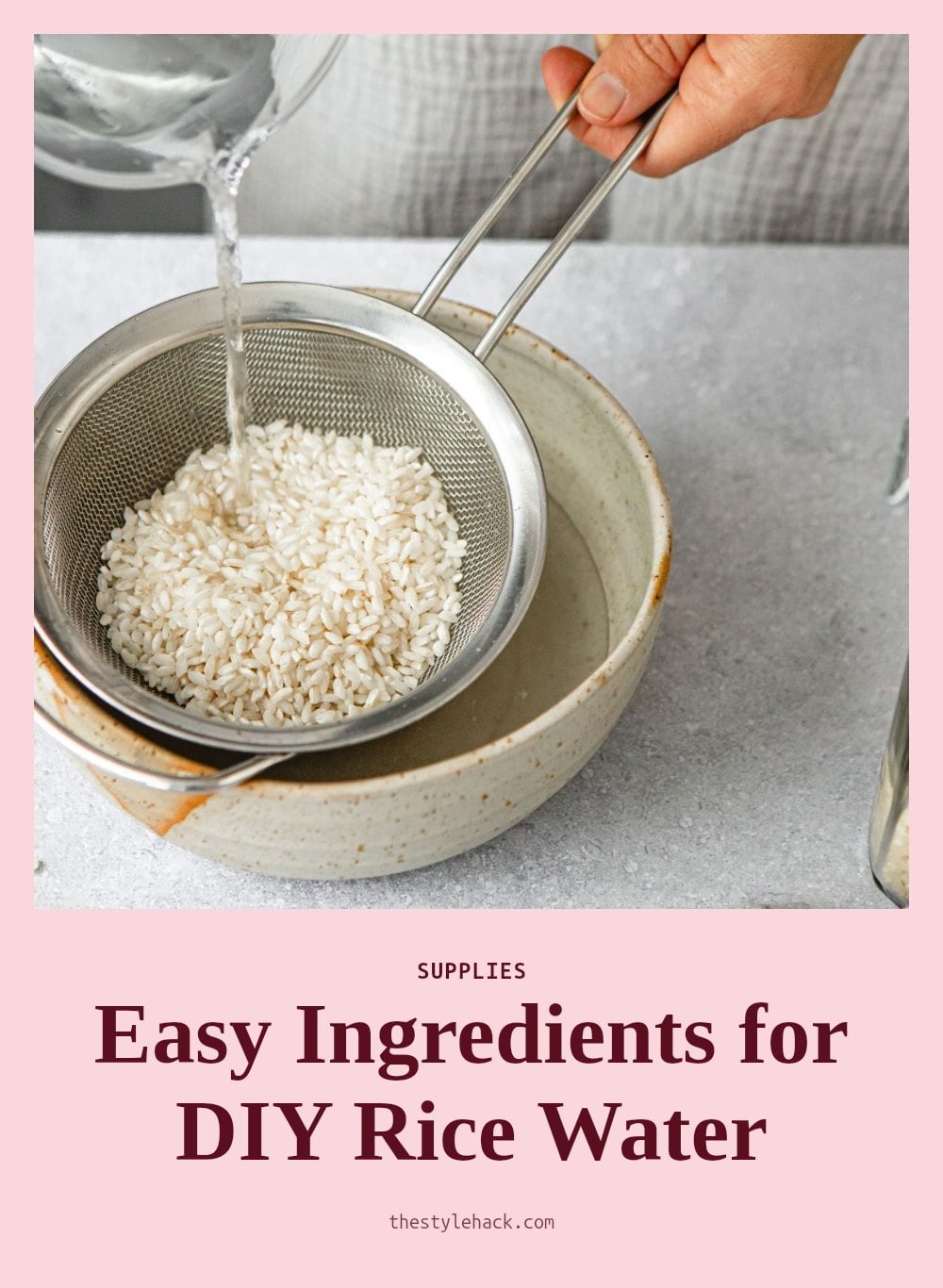
You likely have most of these items already. Choose organic white or brown rice to avoid pesticide residue. Use clean, filtered water for soaking or boiling. For application, a spray bottle or applicator bottle makes it easier to coat your scalp and strands evenly. Store the finished rice water in an airtight container in the fridge. Finally, grab a strainer or cheesecloth to filter out rice particles before use.
- Organic rice: white or brown, to minimize chemical exposure.
- Clean water: for soaking or boiling.
- Spray or applicator bottle: for even application.
- Airtight container: for safe storage up to one week.
- Strainer or cheesecloth: to remove rice debris.
3. Three Ways to Prepare Rice Water for Your Hair

There are three common ways to make rice water, each with its own strengths. Start with the method that fits your schedule, then adjust based on how your hair responds.
4. Soaking
This is the quickest and simplest. Rinse 1 cup of rice, then soak it in 2 to 3 cups of water for 30 minutes. Stir occasionally, then strain the liquid into your container. You can use it right away or store it in an airtight container in the refrigerator for up to a week.
5. Boiling
Boiling extracts more starch and minerals, giving you a more concentrated rice water. Use a 1:4 ratio of rice to water, bring to a boil, then simmer for 10 to 15 minutes. Strain and let it cool completely before applying. This version is stronger, so you may want to dilute it. Store any leftover boiled rice water in the fridge for up to a week.
6. Fermenting
Fermented rice water is believed to be more potent because the process lowers the pH to about 4.5 to 5.5, closer to your hair’s natural level, and creates beneficial compounds. Soak rice as above, then let the strained water sit at room temperature for 12 to 24 hours. The liquid will develop a slightly sour smell, which is normal. Tip: If the odor is strong or your hair feels stiff after use, dilute the fermented water with plain water before applying. Store fermented rice water in the refrigerator and use it within a week.
7. Step-by-Step: Applying Rice Water to Your Hair
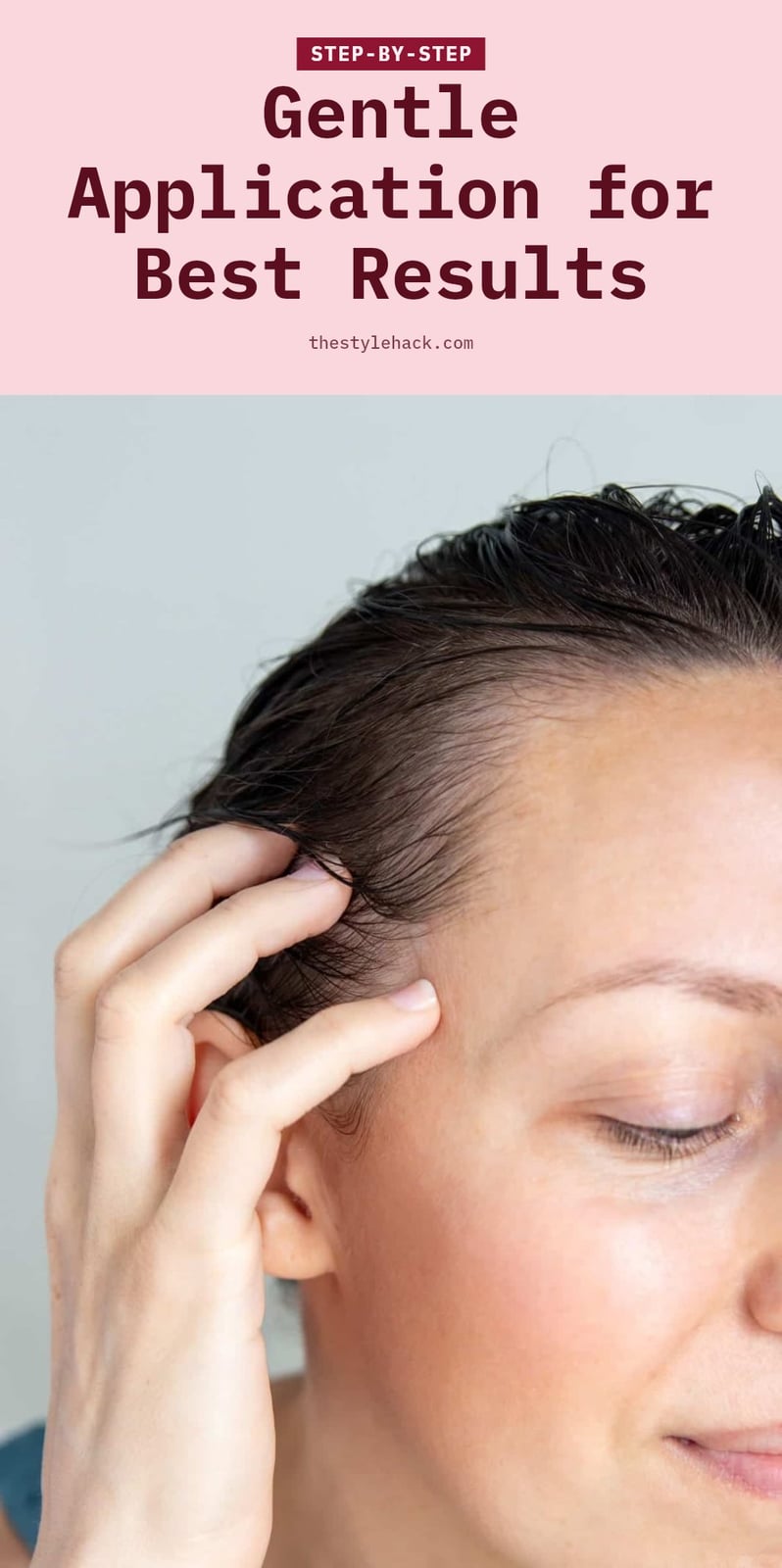
Applying rice water is straightforward, but a few details make the difference between a good rinse and a frustrating one.
- Rinse the rice: Before preparing rice water, rinse the rice thoroughly to remove dust and impurities. This prevents debris from ending up on your scalp.
- Patch test: Apply a small amount of rice water to a small area of skin, like behind your ear, and wait 24 hours. If you notice redness, itching, or irritation, skip the treatment.
- Apply to clean, damp hair: Shampoo as usual, then towel-dry your hair. Rice water adheres better to damp strands than dry ones. Do not condition before applying rice water.
- Massage gently: Pour or spray the rice water onto your scalp, then massage with your fingertips for 1 to 2 minutes. Work it through the lengths with your hands or a wide-tooth comb.
- Leave on 5 to 15 minutes: Start with 5 minutes if you have fine or low-porosity hair. Rinse thoroughly with lukewarm water. Caution: Do not leave it on overnight, especially when you are new to rice water.
- Follow with conditioner: Rice water can be drying, so apply a conditioner after rinsing, focusing on the ends. This helps maintain moisture balance.
8. Common Rice Water Mistakes and How to Avoid Them
Mistake: Using it too often. Rice water is rich in protein, and overuse can cause protein overload, leaving hair stiff, brittle, and prone to breakage. Stick to 1-2 applications per week, especially if you have fine or low-porosity hair.
Mistake: Skipping the rinse. Always rinse rice thoroughly before soaking or boiling. Unrinsed rice leaves dirt and starch residue that can weigh hair down and cause buildup.
Mistake: Leaving it on too long. Fine or low-porosity hair can quickly become stiff if rice water sits longer than 20 minutes. Start with 5-10 minutes and adjust based on how your hair feels.
Mistake: Expecting instant growth. Rice water is not a quick fix for baldness or rapid length. Results are subtle and cumulative, showing after weeks or months of consistent use.
Mistake: Using fermented rice water undiluted. Fermented rice water is more acidic and concentrated. If the smell is strong or your hair feels stiff after use, dilute it with plain water before applying.
Mistake: Using spoiled rice water. Rice water can spoil after a few days, even in the fridge. If it smells sour or off, discard it. Spoiled rice water can introduce bacteria to your scalp.
9. What to Expect: Timeline and Frequency of Use
Rice water results are not instant or dramatic. Most people notice subtle improvements in shine, smoothness, and strength after several weeks to a few months of regular use. Apply it 1-2 times per week for best results. Overdoing it can cause stiffness, so consistency matters more than frequency.
The cost is nearly zero. Rice and water are pantry staples, so you can make a fresh batch anytime without spending extra. That makes it one of the most affordable hair treatments you can try.
10. When to Consult a Professional About Hair Concerns
Rice water is generally safe, but stop using it and see a professional if you notice any of these signs:
- Persistent scalp irritation, itching, or redness after use.
- Hair that becomes excessively dry, stiff, or brittle, even after adjusting frequency and dilution.
- You have an underlying scalp condition such as eczema, psoriasis, or seborrheic dermatitis.
- You are experiencing significant hair loss or thinning that doesn’t improve.
- You suspect an allergic reaction, such as hives or swelling.
A dermatologist can help identify the cause and recommend a treatment plan that’s safe for your scalp and hair type.
11. Frequently Asked Questions
12. How often should I use rice water?
Most people do well with 1-2 applications per week. Using it more often can lead to protein overload, which makes hair stiff and brittle. If your hair feels dry or straw-like after use, cut back to once a week or dilute the rice water more.
13. Can rice water cause protein overload?
Yes, it can. Rice water is rich in protein, and using it too frequently or leaving it on too long may cause protein overload, leaving hair stiff, brittle, and prone to breakage. This is more common with fine or low-porosity hair. Stick to 1-2 uses per week and follow up with conditioner.
14. Is fermented rice water better than plain?
Many people find fermented rice water more effective because fermentation lowers its pH to around 4.5-5.5, which is similar to hair’s natural pH. It may also produce additional beneficial compounds. However, it has a stronger odor, so you may need to dilute it more. Start with plain rice water and experiment if you’re curious.
15. How long does rice water last?
Store prepared rice water in an airtight container in the refrigerator for up to a week. If it develops a foul smell or looks cloudy with mold, discard it, spoiled rice water can introduce bacteria to your scalp. For best results, make small batches and use them fresh.
16. Does rice water really make your hair grow faster?
There’s limited scientific research directly linking rice water to hair growth. Anecdotal reports and traditional use suggest it can strengthen hair and reduce breakage, which may help hair appear longer over time, but it’s not a proven growth stimulant. If you have significant hair loss, consult a dermatologist rather than relying on rice water alone.
17. Final Thoughts
For most people, rice water is a gentle, affordable addition to a hair care routine, but it’s not a miracle cure. Stick with 1-2 applications per week, adjust the method to your hair type, and be patient, improvements in shine and strength usually take a few months to show up. If you have persistent scalp issues or serious hair loss concerns, skip the DIY and see a dermatologist instead.
This article is for informational purposes only and does not constitute medical or professional advice. Results with rice water vary, and it is not a substitute for medical treatment of hair loss or scalp conditions. If you have persistent irritation, significant hair thinning, or an underlying scalp issue, please consult a dermatologist or healthcare professional.
More Blog ideas
- How to Heal Chapped Lips Overnight with Simple Steps
- Atomic Habits: 5 Lessons to Build Better Habits
- Hyaluronic Acid for Beginners
- How to Build a Gentle Skincare Routine for Sensitive Skin
- Beat Frizzy Hair: Easy Remedies for Smooth, Shiny Strands
- How to Increase Your Daily Drinking Water Intake
- Washing Hair Mistakes to Avoid and What to Do Instead
- Bleaching Hair Tips for Less Damage
- How to Make Your Body Mist Last Longer All Day
- How to Fix Your Skincare Routine
- Nervous System Regulation Tips
- Vagus Nerve Exercises for Stress Relief






