How to Get Rid of Pigmentation on Your Face
Learn how to get rid of pigmentation on your face with effective at-home and professional treatments. Discover key ingredients and prevention tips.


Dark spots and uneven skin tone can feel stubborn, especially when you’re not sure what’s causing them or which product will actually work. Whether it’s sun damage, melasma, or a leftover mark from a breakout, the path to a clearer complexion starts with understanding your skin and protecting it daily.
In this article, I’ll walk you through the most effective at-home ingredients, professional treatments worth considering, and the sun protection habits that make everything else work better. You’ll also learn what mistakes to avoid and when it’s time to see a dermatologist.
Key Takeaways
- Apply broad-spectrum SPF 30+ every morning, even on cloudy days, to prevent new spots.
- Consistent use of topical ingredients like vitamin C or retinoids can show results in 4 to 12 weeks.
- Don’t pick at acne or skin lesions, as this can trigger post-inflammatory hyperpigmentation.
- See a dermatologist if at-home products haven’t improved pigmentation after several months.
- Melasma can be challenging to treat and may recur, so ongoing sun protection is essential.
1. The Fastest Way to Tackle Facial Pigmentation
Pigmentation on your face, like dark spots or patches, happens when your skin overproduces melanin. The fastest way to tackle it isn’t a single miracle product, but a multi-pronged approach: consistent sun protection plus targeted topical treatments. For stubborn or widespread pigmentation, professional options like chemical peels or laser therapy can deliver more significant results. My tip: always consult a dermatologist first. An accurate diagnosis of your specific pigmentation type is the foundation of a personalized plan that actually works.
2. Why Pigmentation Appears on Your Skin
Pigmentation is simply the coloring of your skin, determined by melanin, a pigment produced by cells called melanocytes. Hyperpigmentation occurs when patches of skin become darker than the surrounding area due to excess melanin production.
3. Common Types and Their Triggers
- Sunspots (solar lentigines): Caused by prolonged sun exposure, these flat brown spots typically appear on sun-exposed areas like your face, hands, and chest.
- Melasma: Characterized by symmetrical, brownish patches on the face, often triggered by hormonal changes (pregnancy, birth control) combined with sun exposure.
- Post-inflammatory hyperpigmentation (PIH): Occurs after skin inflammation or injury, such as acne, eczema, or a cut, leaving a dark mark as the skin heals.
4. Effective At-Home Treatments for Pigmentation
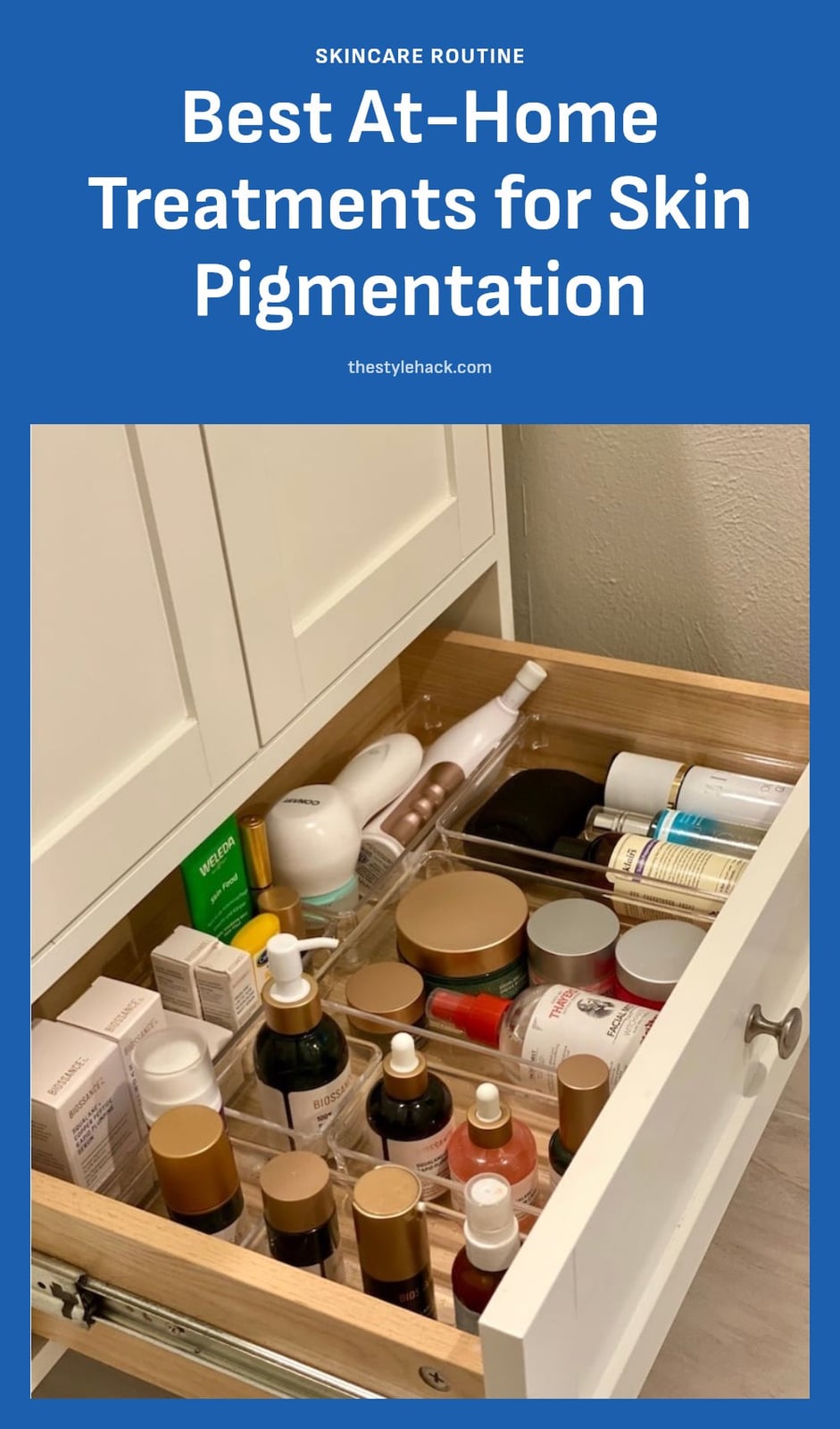
Several proven topical ingredients can lighten hyperpigmentation when used consistently. Here’s how they work and what to keep in mind.
5. Key Ingredients and How They Work
- Hydroquinone: This powerful lightening agent works by inhibiting melanin production. Use it under a dermatologist’s guidance, as it can cause irritation with prolonged use.
- Retinoids (retinol, tretinoin): They speed up cell turnover, helping shed pigmented skin cells. Start with a low concentration a few nights a week to avoid redness and flaking.
- Vitamin C: An antioxidant that brightens skin and inhibits melanin synthesis. Apply it in the morning under sunscreen for best results.
- Niacinamide: Reduces pigment transfer to skin cells and improves your skin barrier. It’s gentle and pairs well with other actives.
- Azelaic acid: Offers anti-inflammatory and pigment-reducing benefits, making it a good option for sensitive or acne-prone skin.
- AHAs (glycolic, lactic acid): Exfoliate the skin’s surface, promoting a more even tone. Use them 2-3 times a week to avoid over-exfoliation.
Caution: Introduce one new active at a time and patch test. Combining strong actives without professional guidance can worsen inflammation and PIH.
6. Professional Solutions for Stubborn Dark Spots

When at-home treatments aren’t enough, professional procedures can target stubborn dark spots more aggressively.
7. Professional Options
- Chemical peels: These use acids to exfoliate the top layers of skin, reducing the appearance of dark spots. They range from light to deep, and multiple sessions are often needed.
- Laser therapy: Q-switched or fractional lasers target melanin directly, breaking down pigment. This can be highly effective but typically requires 3-6 sessions spaced weeks apart.
- Microdermabrasion: A less invasive procedure that exfoliates the skin’s surface, helping with superficial pigmentation. It’s gentler but results may be subtler.
Professional treatments often yield faster and more dramatic results than at-home options, but they carry risks.
Caution: Burns, scarring, or worsened pigmentation can occur if the procedure is done incorrectly or on unsuitable skin types. Always choose a qualified and experienced professional, and discuss your full medical history beforehand.
8. Preventing New Pigmentation and Recurrence

Sun protection is the single most important step for preventing new pigmentation, and it’s non-negotiable if you want your current treatments to work. Apply a broad-spectrum sunscreen with SPF 30 or higher every morning, even on cloudy days or when you’re indoors near windows.
Reapply every two hours when you’re outdoors, and more often if you’re sweating or swimming. A wide-brimmed hat, sunglasses, and protective clothing add a physical barrier that sunscreen alone can’t match.
Another habit that matters: don’t pick at acne or skin lesions. Picking triggers inflammation, which can leave behind post-inflammatory hyperpigmentation that takes months to fade.
My tip: Keep a travel-size sunscreen in your bag and set a phone reminder for reapplication. Consistency in sun protection is what keeps spots from returning after they fade.
9. Common Pigmentation Treatment Mistakes to Avoid
Skipping Daily Sunscreen: This is the biggest mistake you can make. Without SPF 30+ every morning, even on cloudy days, UV exposure continues to trigger melanin production and darkens existing spots. Reapply every two hours outdoors or after sweating and swimming.
Expecting Instant Results: Skin cell turnover takes time. Most topical treatments need 4 to 12 weeks of consistent use before you notice a difference, and full results can take months. Patience is part of the protocol.
Over-Exfoliating or Irritating Skin: Layering strong actives like retinoids, AHAs, and vitamin C all at once can inflame skin and worsen post-inflammatory hyperpigmentation. Stick to one or two actives and introduce them slowly.
Self-Diagnosing: Sunspots, melasma, and PIH respond to different treatments. Treating them all the same way wastes time and money. A dermatologist can identify what you actually have.
Stopping Treatment Too Soon: Pigmentation, especially melasma, often returns when you quit. Keep using sunscreen and maintenance products even after spots fade, or they may come back.
10. When to Consult a Dermatologist for Pigmentation
If you are unsure what type of pigmentation you have, a dermatologist can give you an accurate diagnosis. That matters because sunspots, melasma, and post-inflammatory hyperpigmentation each respond to different treatments. See a professional when at-home products haven’t shown improvement after several months of consistent use, or if your pigmentation is widespread or stubborn, like melasma, which often needs prescription-strength options.
Caution: Stop using a new treatment and consult a doctor if you experience severe irritation, pain, or unexpected skin changes. If you are pregnant or breastfeeding, avoid ingredients like retinoids and hydroquinone, and ask your dermatologist for safe alternatives.
11. Treatment Timelines and Cost Considerations
For at-home topical treatments, expect initial results after 4 to 12 weeks of consistent use, with full results potentially taking several months. Professional treatments like chemical peels or laser therapy often show faster results, but they typically require 3 to 6 sessions spaced weeks apart.
Costs vary widely. At-home products range from affordable drugstore options to higher-end serums, generally $20 to $100 or more per product. Professional treatments are a bigger investment: chemical peels can run $100 to $500 per session, while laser treatments often cost $300 to $800 or more per session, and you may need multiple visits.
12. Frequently Asked Questions
13. How long does it take to see results from pigmentation treatment?
With consistent use of topical treatments, you may start to see lightening after 4 to 12 weeks, and full results can take several months. Professional treatments like chemical peels or lasers often show faster results, but they typically require multiple sessions. Patience and daily sun protection are essential throughout.
14. Can pigmentation come back after treatment?
Yes, pigmentation can return, especially if you stop protecting your skin from the sun or discontinue maintenance treatments. Melasma is particularly known for recurring, often triggered by hormonal changes or UV exposure. Continuing daily sunscreen use and following your dermatologist’s long-term plan can help keep spots from reappearing.
15. Is hydroquinone safe to use for pigmentation?
Hydroquinone is a powerful lightening agent, but it’s not for everyone. It can cause irritation, redness, or dryness, so it’s best used under a dermatologist’s guidance. Pregnant or breastfeeding individuals should avoid it, and it’s not meant for long-term use without professional supervision. Always patch test first.
16. What is the most effective ingredient for dark spots?
There isn’t one single best ingredient; it depends on your skin type and the type of pigmentation. Hydroquinone is very strong, but retinoids, vitamin C, niacinamide, and azelaic acid are also proven options. Many people see the best results by combining a few of these, but start slowly to avoid irritation.
17. Can I use natural remedies for pigmentation?
Some natural ingredients, like licorice extract or vitamin C from citrus, may have mild lightening effects, but they are not well-regulated and can cause irritation or allergic reactions. It’s safer to stick with clinically tested ingredients. If you prefer natural options, talk to a dermatologist about which are safe and effective.
18. Final Thoughts
My tip: pick one proven topical ingredient, like vitamin C or azelaic acid, and stick with it for at least 12 weeks while wearing sunscreen daily. That combination is your best shot at seeing real, lasting improvement. Remember, professional treatments like chemical peels or lasers can speed things up, but they usually require multiple sessions, so patience is key.
Realistically, pigmentation fades gradually, not overnight. Some types, especially melasma, may never completely disappear, but they can become much less noticeable with consistent care. If you’re unsure about your skin type or the best approach, a dermatologist can guide you safely.
This article is for general information only and is not medical advice. Everyone’s skin is different, and what works for one person may not work for another. If you have persistent or severe pigmentation, or if you’re pregnant or nursing, consult a dermatologist or healthcare professional before starting any new treatment.
More Blog ideas
- How to Heal Chapped Lips Overnight with Simple Steps
- Atomic Habits: 5 Lessons to Build Better Habits
- Hyaluronic Acid for Beginners
- How to Build a Gentle Skincare Routine for Sensitive Skin
- Beat Frizzy Hair: Easy Remedies for Smooth, Shiny Strands
- How to Increase Your Daily Drinking Water Intake
- Washing Hair Mistakes to Avoid and What to Do Instead
- Bleaching Hair Tips for Less Damage
- How to Make Your Body Mist Last Longer All Day
- How to Fix Your Skincare Routine
- Nervous System Regulation Tips
- Vagus Nerve Exercises for Stress Relief






