What Is Shea Butter and Why Is It So Good for You?
Explore the moisturizing power of shea butter for skin and hair. Learn how this natural ingredient hydrates, protects, and soothes for healthier beauty.


You’ve probably seen shea butter listed in your lotions and hair products, but what actually makes it so special? It’s a natural fat from the African shea tree, packed with fatty acids and vitamins that deeply moisturize and protect your skin and hair. This article breaks down how it works, how to use it right, and what to avoid so you can get the most out of this powerhouse ingredient.
Key Takeaways
- Choose unrefined, raw shea butter to get the full vitamin and antioxidant benefits.
- Warm a small amount between your palms before applying to skin or hair for easier absorption.
- Apply shea butter to damp skin after showering for better hydration.
- Use it as a deep conditioning hair mask once or twice a week for softer, stronger hair.
- Always patch test a small area first if you have sensitive skin or a nut allergy.
1. What is Shea Butter and Why Is It So Good for You?
Shea butter is a natural fat extracted from the nuts of the African shea tree, and it’s packed with fatty acids and vitamins A, E, and F. These nutrients make it a powerful moisturizer and emollient, ideal for hydrating and protecting both skin and hair. Its natural composition helps soothe irritation, leaving your skin softer and your hair more manageable.
2. The Science Behind Shea Butter’s Skin and Hair Benefits
3. The Science Behind the Benefits
Shea butter’s fatty acid profile, including oleic, stearic, linoleic, and palmitic acids, provides deep moisturization by reinforcing the skin’s natural barrier. These fatty acids lock in moisture and keep hair strands supple.
Vitamins A, E, and F act as antioxidants, shielding skin and hair from environmental damage like pollution and UV rays. This protection helps prevent premature aging and keeps hair looking vibrant.
One of the best features of shea butter is that it melts at body temperature, allowing for easy absorption without clogging pores. It’s considered non-comedogenic for most skin types, making it a safe choice for daily use.
4. Essential Shea Butter Products to Have on Hand
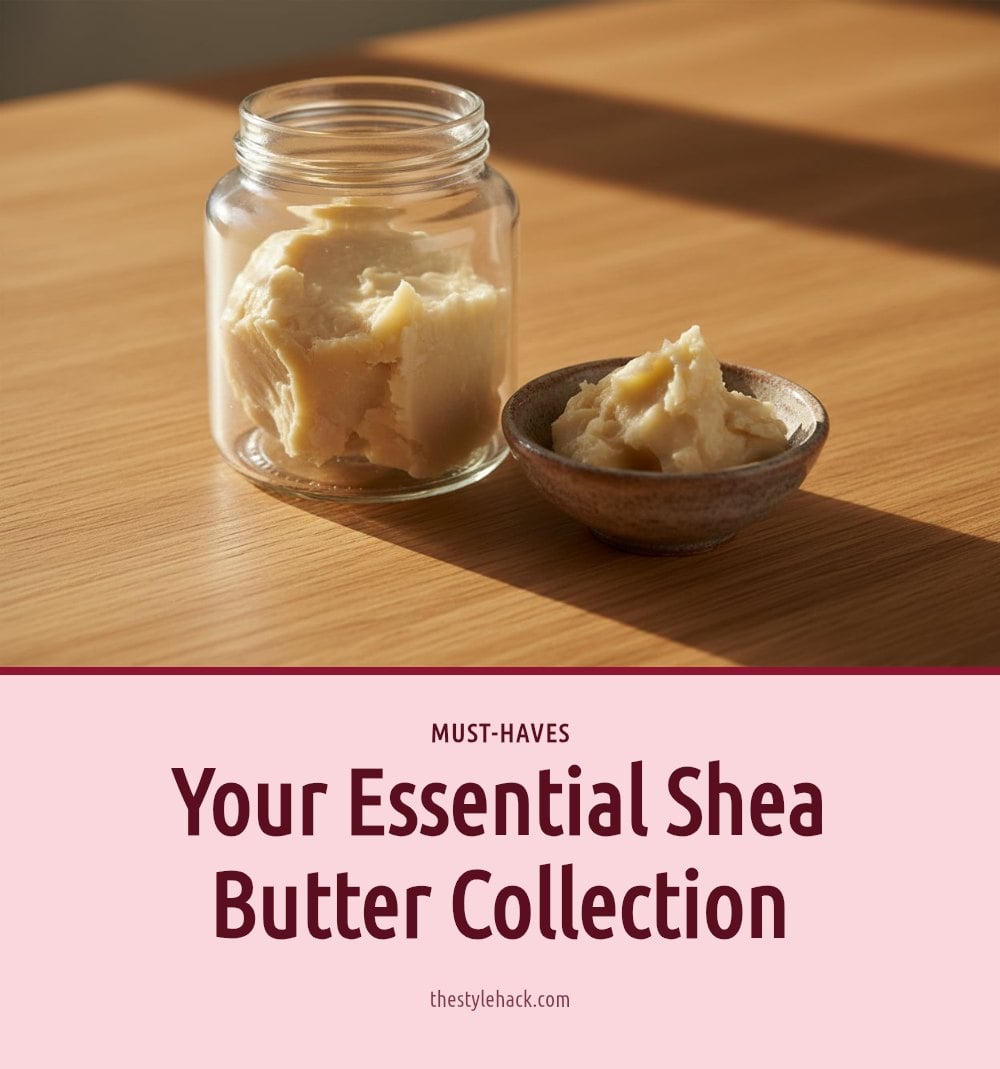
To get the most out of shea butter, start with the right products:
- Unrefined shea butter: Best for maximum nutrient benefits, as it retains all natural vitamins and minerals.
- Refined shea butter: A good option if you’re sensitive to the natural scent or prefer a smoother, less greasy texture.
- Glass jar for storage: Keeps shea butter fresh and clean, preventing contamination and preserving its quality.
5. How to Use Shea Butter for Glowing Skin and Healthy Hair
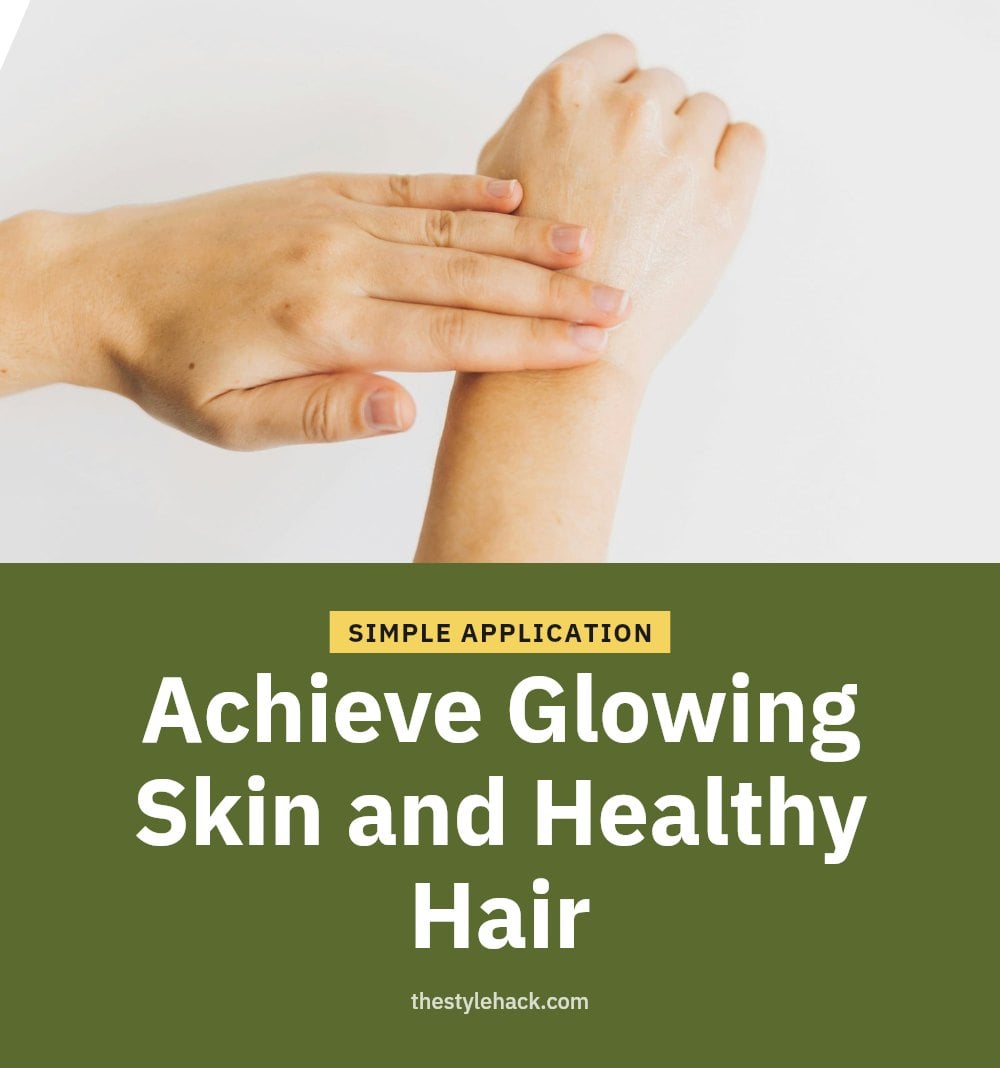
Using shea butter is simple once you know the right techniques. Here’s how to apply it for glowing skin and healthy hair:
- Warm it up: Scoop a small amount and rub it between your palms for a few seconds. This softens the butter and makes it easier to spread evenly.
- Apply to damp skin: After showering, pat your skin dry but leave it slightly damp. Massage the shea butter in gentle circles, focusing on dry areas like elbows and knees. Damp skin absorbs it more effectively.
- Deep condition your hair: Once or twice a week, warm a generous amount and work it through clean, damp hair from mid-length to ends. Leave it on for 20-30 minutes, then rinse thoroughly and shampoo as usual.
- Treat chapped lips: Rub a tiny bit onto your lips for instant relief. The fatty acids help heal cracks and keep lips soft.
6. Beyond Moisturizing: Other Ways Shea Butter Can Help
Beyond simple hydration, consistent shea butter use may help reduce the appearance of stretch marks and scars over time. Its fatty acids and vitamins support skin regeneration and elasticity. The anti-inflammatory properties in shea butter can also calm minor irritations like razor burn or dry patches, making it a gentle option for sensitive areas. Shea butter offers a mild level of natural sun protection, roughly SPF 6, but this is not enough for daily defense. Always layer a dedicated SPF product underneath for proper sun safety.
7. Common Shea Butter Mistakes and How to Avoid Them
Mistake: Believing all shea butter is the same. Refined shea butter has fewer beneficial compounds. Always choose unrefined, raw shea butter to get the full vitamin and antioxidant profile.
Mistake: Applying too much at once. A pea-sized amount is enough for your face; a dime-sized amount covers your arms. Too much leaves a greasy layer that doesn’t absorb well.
Mistake: Expecting immediate, dramatic results. While skin softness appears in a few days, fading stretch marks or scars takes weeks to months of daily application.
Mistake: Not checking for purity. Some products contain fillers, fragrance, or preservatives. Read the label and look for 100% shea butter with no additives.
8. Top Tips for Getting the Most Out of Your Shea Butter
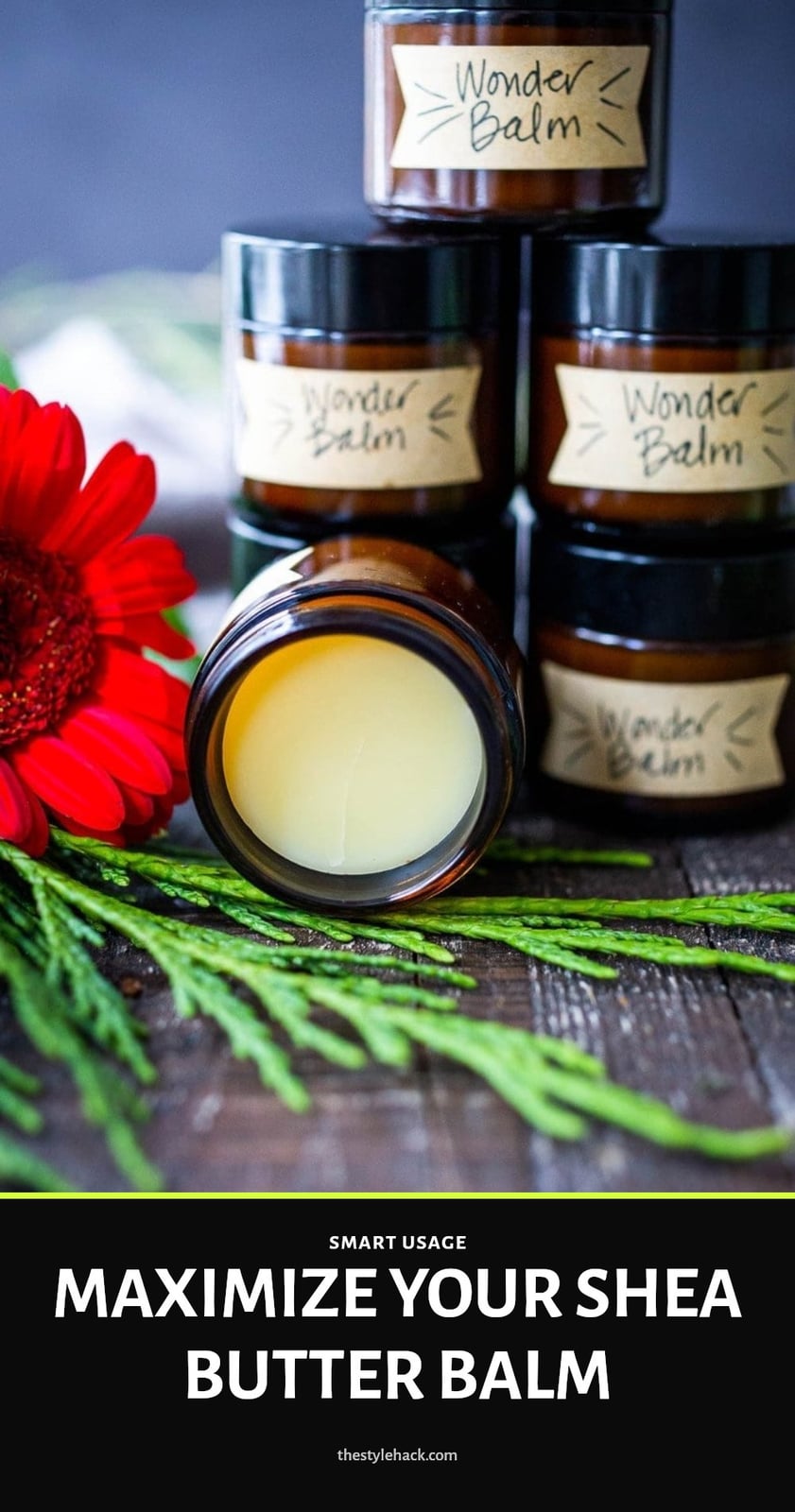
Patch test first: Apply a small amount to your inner arm and wait 24 hours. This is especially important if you have sensitive skin or a nut allergy. While reactions are rare, it’s better to check.
Store properly: Keep shea butter in a cool, dark place in an airtight glass jar. Heat and light can degrade its nutrients over time.
Combine with essential oils: Melt a tablespoon of shea butter and stir in 2-3 drops of lavender or tea tree oil for added benefits and a natural scent.
DIY beauty recipes: Use shea butter as a base for homemade lotions, lip balms, or hair masks. Mix with coconut oil for a body butter or with beeswax for a solid balm.
9. When to Expect Results and What to Consider for Cost
Skin hydration and softness: You’ll notice improvement within a few days of consistent use. Apply it daily after showering for the best results.
Hair condition and skin concerns (stretch marks, scars): These take longer. Expect to see changes after several weeks to months of regular application.
Cost: Unrefined shea butter is generally more expensive than refined because it undergoes less processing. However, a little goes a long way, so a small jar can last several months.
10. When to Consult a Professional About Skin or Hair Concerns
If you notice persistent irritation, redness, or itching after using shea butter, stop using it and see a dermatologist. For serious skin conditions like eczema or psoriasis, talk to your doctor before adding any new product to your routine. Even though allergic reactions to shea butter are rare, check with your physician first if you have a known nut allergy.
11. Frequently Asked Questions
12. Is shea butter good for acne-prone skin?
Shea butter is considered non-comedogenic for most skin types, meaning it’s unlikely to clog pores. However, if you have very oily or acne-prone skin, start with a patch test and use a small amount to see how your skin reacts.
13. Can shea butter be used on all hair types?
Yes, shea butter works well on all hair types, from straight to coily. It helps soften and strengthen hair while reducing breakage. Just warm it in your hands first so it spreads evenly, and focus on the ends if you have fine hair.
14. How often should I use shea butter?
For daily skin hydration, apply it after every shower. For a deep conditioning hair treatment, once or twice a week is enough. Using it more often won’t speed up results and can leave your hair feeling heavy.
15. Does shea butter expire?
Yes, shea butter can go bad. Unrefined shea butter typically lasts 1 to 2 years if stored in a cool, dark place. If it develops a rancid smell or changes color, it’s time to replace it.
16. What is the difference between refined and unrefined shea butter?
Unrefined shea butter is raw and retains all its natural vitamins, minerals, and a nutty scent. Refined shea butter has been processed to remove the scent and color, but this also strips away many beneficial compounds. For maximum benefits, choose unrefined.
17. Final Thoughts
For everyday hydration, stick with unrefined shea butter and use it consistently on damp skin after your shower. You’ll notice softer, smoother skin within a few days, though improvements for hair or scars will take several weeks to months of regular use. My tip: keep a small jar in your bathroom and another in your bag for quick lip or cuticle care.
This article is for general informational purposes only and does not constitute medical or professional advice. Always consult a dermatologist or healthcare provider before adding new products to your routine, especially if you have a nut allergy, sensitive skin, or a persistent skin condition.
More Blog ideas
- How to Heal Chapped Lips Overnight with Simple Steps
- Atomic Habits: 5 Lessons to Build Better Habits
- Hyaluronic Acid for Beginners
- How to Build a Gentle Skincare Routine for Sensitive Skin
- Beat Frizzy Hair: Easy Remedies for Smooth, Shiny Strands
- How to Increase Your Daily Drinking Water Intake
- Washing Hair Mistakes to Avoid and What to Do Instead
- Bleaching Hair Tips for Less Damage
- How to Make Your Body Mist Last Longer All Day
- How to Fix Your Skincare Routine
- Nervous System Regulation Tips
- Vagus Nerve Exercises for Stress Relief