How to Do Slugging for Glowing Skin
Learn how to do slugging effectively with petroleum jelly for deeply hydrated, glowing skin. This guide covers steps, tips, and common mistakes.

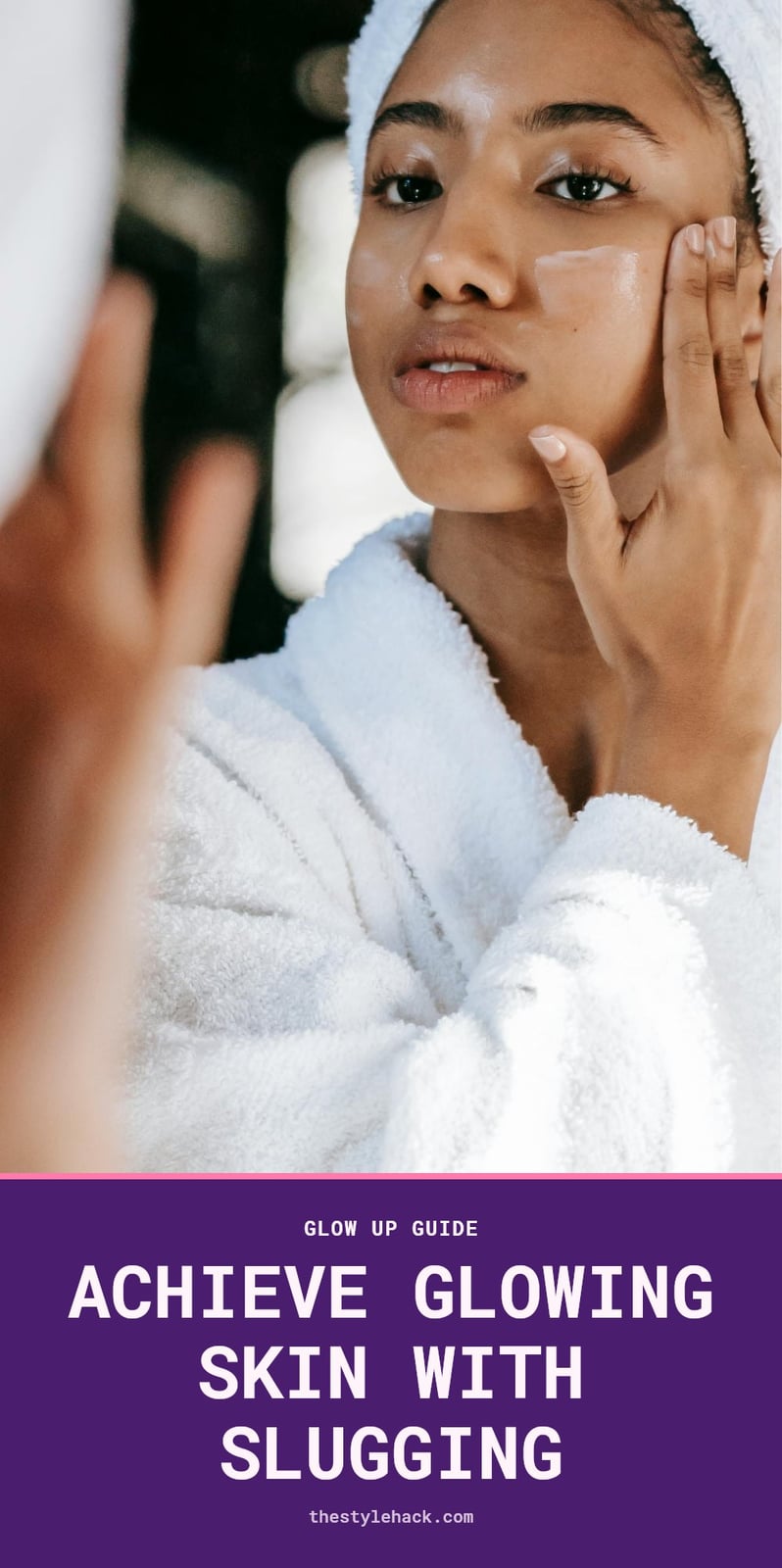
You’ve probably heard about slugging all over social media, and you’re wondering if it’s worth the hype. The answer is yes, if you’re dealing with dry, dehydrated, or irritated skin. This article breaks down exactly how to do it, what you need, and common mistakes to skip, so you can wake up to noticeably softer, plumper skin.
Key Takeaways
- Apply a pea-sized amount of petroleum jelly as the final step in your nighttime routine.
- Always cleanse your face first to avoid trapping bacteria under the occlusive layer.
- Do not slug over strong active ingredients like retinoids or AHAs to prevent irritation.
- Start with 2-3 times per week, especially if you have dry or compromised skin.
- Use a hydrating serum and moisturizer before the occlusive for best results.
1. What is Slugging and Why Does It Work?
Slugging is a skincare technique where you apply an occlusive, usually petroleum jelly, as the final step in your nighttime routine. This heavy layer creates a physical barrier on your skin’s surface, preventing water from evaporating and locking in all the moisture from your serums and moisturizers. The result is significantly more hydrated, plump skin, especially if you have dry or compromised skin barriers. It’s a simple, affordable hack that can transform your skin’s hydration levels overnight.
2. Your Slugging Essentials
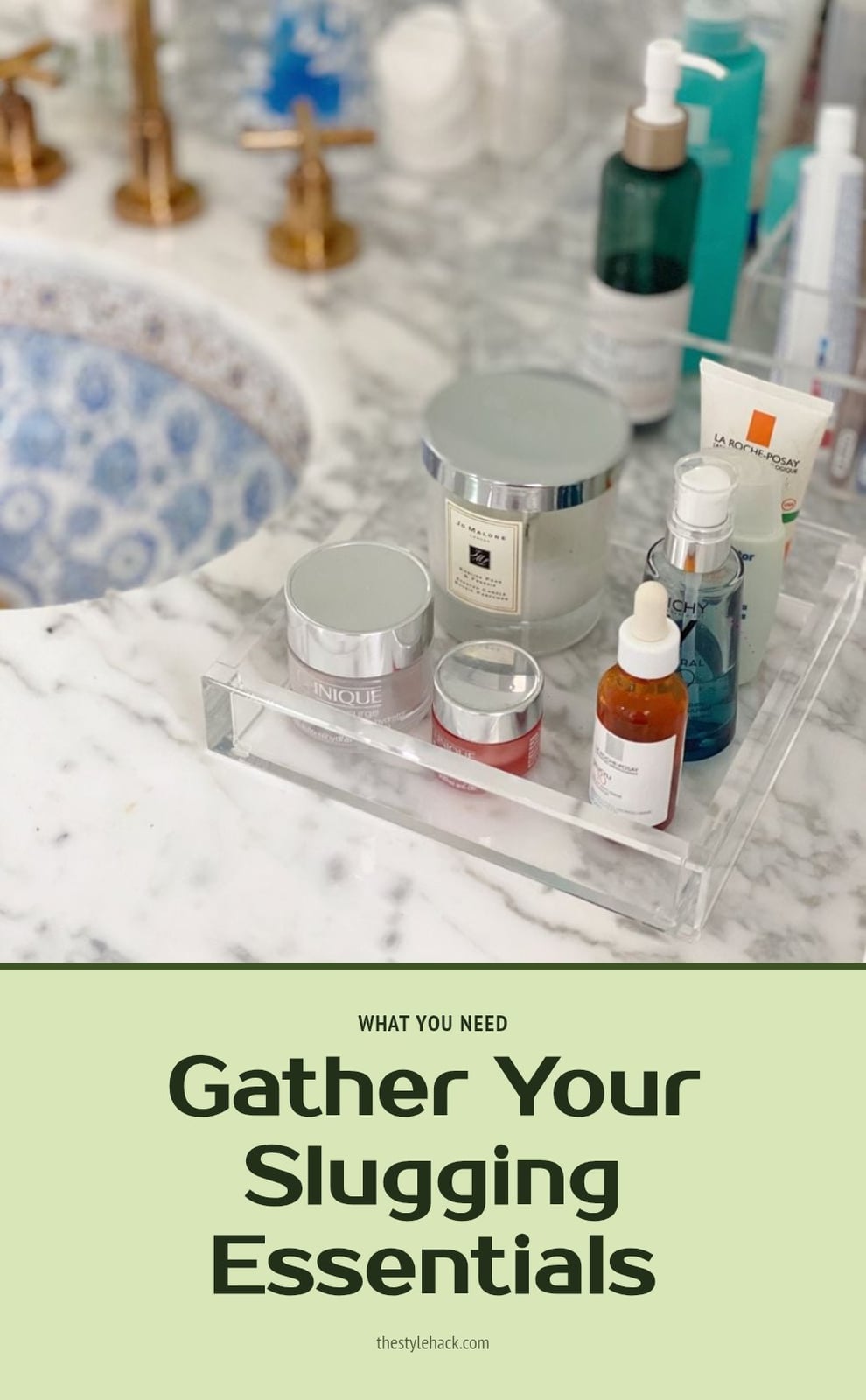
Before you start slugging, gather these four essentials:
- Gentle facial cleanser: A mild cleanser that removes dirt and impurities without stripping your skin’s natural oils.
- Hydrating serum: A serum with ingredients like hyaluronic acid to draw moisture into your skin.
- Moisturizer: Your regular moisturizer to provide a base layer of hydration before the occlusive.
- Petroleum jelly or thick balm: The occlusive layer that seals everything in and prevents water loss.
You likely already have most of these in your routine. The key is choosing a fragrance-free, non-comedogenic occlusive to minimize the risk of irritation.
3. Step-by-Step: How to Slug Your Skin for Maximum Hydration
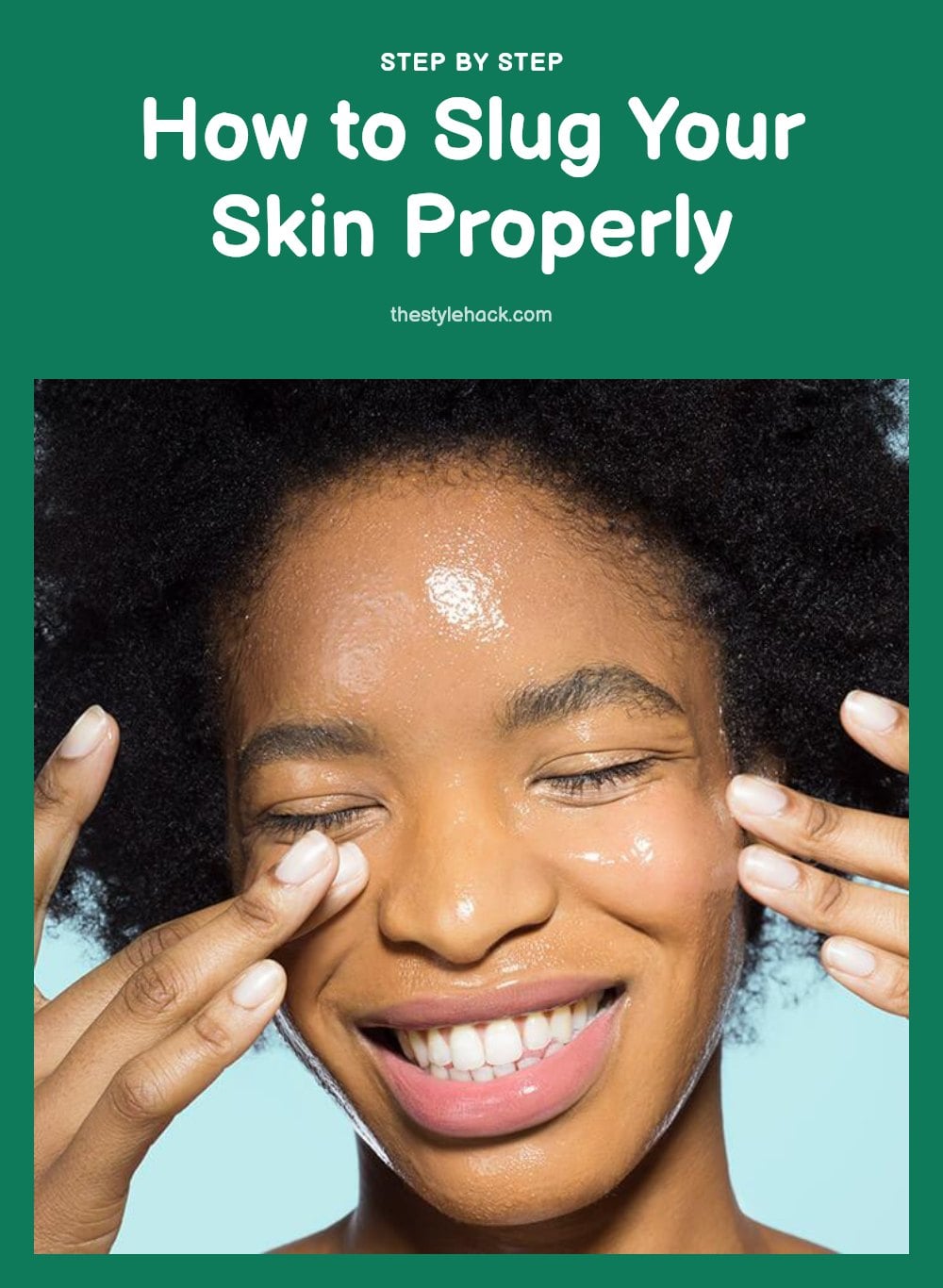
Follow these steps in order for the best results:
- Cleanse your face: Start with a clean face. Use your gentle cleanser to remove makeup, sunscreen, and impurities. This step is non-negotiable: slugging over dirty skin can trap bacteria and cause breakouts.
- Apply a hydrating serum: While your skin is still slightly damp, apply a thin layer of your hydrating serum. This helps draw moisture into the skin, which the occlusive will then lock in.
- Follow with moisturizer: Apply a thin layer of your regular moisturizer. This provides the initial hydration that the occlusive will seal in. Let it absorb for a minute or two.
- Seal with petroleum jelly: Take a pea-sized amount of petroleum jelly and warm it between your fingertips. Gently pat it over your entire face, avoiding the eye area. A thin layer is all you need; a thick layer feels greasy and can transfer to your pillowcase.
Do this as the very last step in your nighttime routine. In the morning, wash your face thoroughly to remove the occlusive layer.
Here is the method in action: Doctorly demonstrates it in about 15 minutes. The how-to part starts at 3:42.
4. Beyond the Face: Smart Ways to Use Occlusives
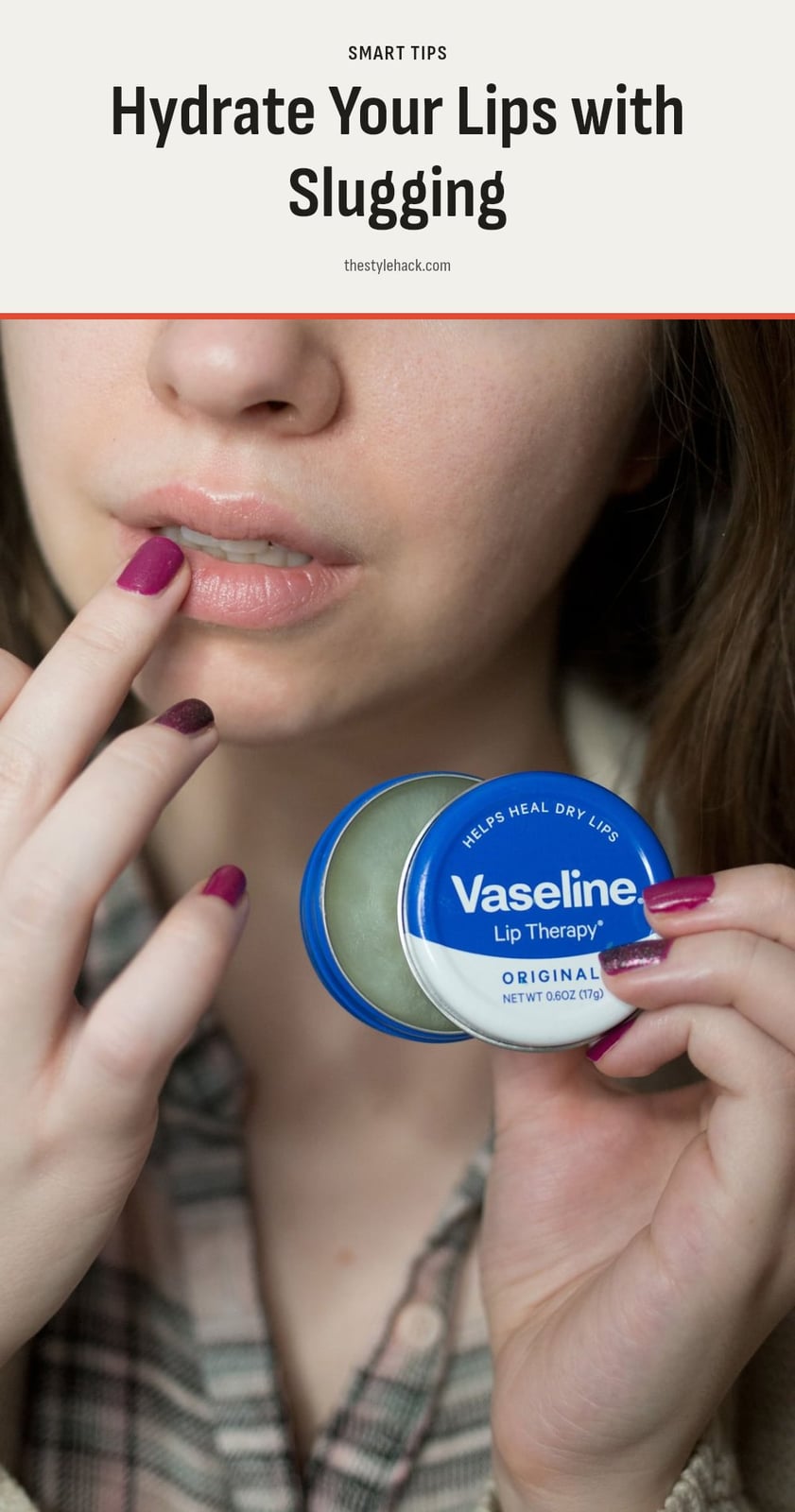
Petroleum jelly is versatile beyond facial slugging. Here are smart ways to use it:
- Protect sensitive areas: Apply a thin layer around your eyes, mouth, or hairline before using strong chemical exfoliants or hair dye. This creates a barrier that prevents irritation.
- Boost thick skin treatments: On areas like your feet, apply occlusives over urea or gentle exfoliating acids to enhance their effectiveness by increasing penetration.
- Make fragrance last longer: Dab a small amount of petroleum jelly on your pulse points before spraying perfume. It helps the scent cling to your skin and last longer.
- Help wounds heal: For clean, minor wounds, apply petroleum jelly to keep the area moist and promote healing. Do this for 2 to 3 weeks, then switch to silicone-based products to minimize scarring.
- Treat chapped lips: Use it alone or over your favorite lip moisturizer to seal in hydration and soothe dry lips.
5. Common Slugging Mistakes to Avoid
Slugging over dirty skin: Always cleanse your face thoroughly before applying any occlusive. Trapping bacteria, makeup, or sunscreen under the petroleum jelly can lead to breakouts and irritation.
Using too much product: A pea-sized amount is enough for your entire face. A thick layer feels uncomfortable, transfers to your pillowcase, and doesn’t improve results.
Applying over strong actives: Avoid slugging over retinoids, AHAs, or BHAs. The occlusive barrier increases their penetration, which can cause redness, peeling, and stinging.
Expecting quick fixes: Slugging works by supporting your skin barrier over time. Consistent use 2-3 times a week delivers visible hydration and plumpness, not overnight miracles.
Not cleansing properly afterwards: Wash your face in the morning to remove the occlusive layer. Skipping this step can leave residue that clogs pores and interferes with your daytime routine.
6. Who Benefits Most from Slugging?
7. Who Benefits Most from Slugging?
Slugging is especially helpful if you have dry, dehydrated, or compromised skin barriers. The occlusive layer locks in moisture and prevents water loss, which soothes irritation and supports barrier repair. People with flaky patches, tightness, or sensitivity often see improvement after a few nights.
If you have oily skin that is prone to congestion or breakouts, approach slugging with caution. The heavy barrier can trap excess sebum and worsen clogged pores. Test on a small area first or skip it altogether if your skin reacts poorly.
8. When to Consult a Dermatologist
Consult a dermatologist if you have acne-prone skin. Slugging can exacerbate breakouts for some individuals, so professional guidance helps you decide if it is safe for your skin type.
Discontinue use if you notice increased breakouts, redness, or irritation. These signs indicate that the occlusive layer is not working well with your skin.
Avoid applying petroleum jelly to open wounds or infections without medical advice. While it can aid healing on clean wounds, improper use may trap bacteria and delay recovery.
9. Frequently Asked Questions
10. How often should I slug?
Start with 2-3 times per week, especially if you have dry or dehydrated skin. If your skin is very dry or you live in a dry climate, you may gradually increase frequency, but always monitor how your skin reacts. Overdoing it can feel heavy or lead to congestion.
11. Can slugging cause acne?
Yes, it can for some people. If you have acne-prone skin, the occlusive layer can trap bacteria and oil, worsening breakouts. Always cleanse thoroughly before applying and consider consulting a dermatologist if you’re prone to acne. Discontinue use if you notice increased pimples or redness.
12. What if I have oily skin?
Slugging is generally not recommended for oily skin that is prone to congestion. The heavy occlusive can feel greasy and may clog pores. If you still want to try it, limit it to once a week on dry areas only, and stop if you see any breakouts or irritation.
13. Is slugging only for the face?
No, you can use occlusives on other areas too. A thin layer of petroleum jelly can protect sensitive skin around the eyes or mouth during chemical treatments, or boost the effectiveness of treatments on thick skin like your feet. It also works as a lip balm or to make perfume last longer.
14. How long does it take to see results from slugging?
You can often notice increased hydration and softness after just a few nights of consistent use, typically 2-3 times per week. For more significant barrier repair and plumpness, give it a week or two. Results depend on your skin’s starting condition and how consistently you follow the routine.
15. Final Thoughts
For the best results, stick with slugging 2-3 nights a week and always layer it over a clean, hydrated face. You can expect to see increased hydration and softness after a few consistent nights, but don’t expect overnight miracles. My tip: keep it simple with a pea-sized layer and focus on the basics, cleanser, serum, moisturizer, then occlusive, for glowing, healthy skin.
This article is for general informational purposes only and does not constitute medical or dermatological advice. Individual skin reactions vary, and slugging may not be suitable for all skin types. If you have a persistent skin concern, acne, or a compromised barrier, consult a dermatologist or healthcare professional before starting any new routine.
More Blog ideas
- How to Heal Chapped Lips Overnight with Simple Steps
- Atomic Habits: 5 Lessons to Build Better Habits
- Hyaluronic Acid for Beginners
- How to Build a Gentle Skincare Routine for Sensitive Skin
- Beat Frizzy Hair: Easy Remedies for Smooth, Shiny Strands
- How to Increase Your Daily Drinking Water Intake
- Washing Hair Mistakes to Avoid and What to Do Instead
- Bleaching Hair Tips for Less Damage
- How to Make Your Body Mist Last Longer All Day
- How to Fix Your Skincare Routine
- Nervous System Regulation Tips
- Vagus Nerve Exercises for Stress Relief






