How to Smooth Textured Skin for a Radiant Complexion
Discover how to smooth textured skin with expert tips and effective skincare routines. Achieve a radiant, even complexion with our comprehensive guide.

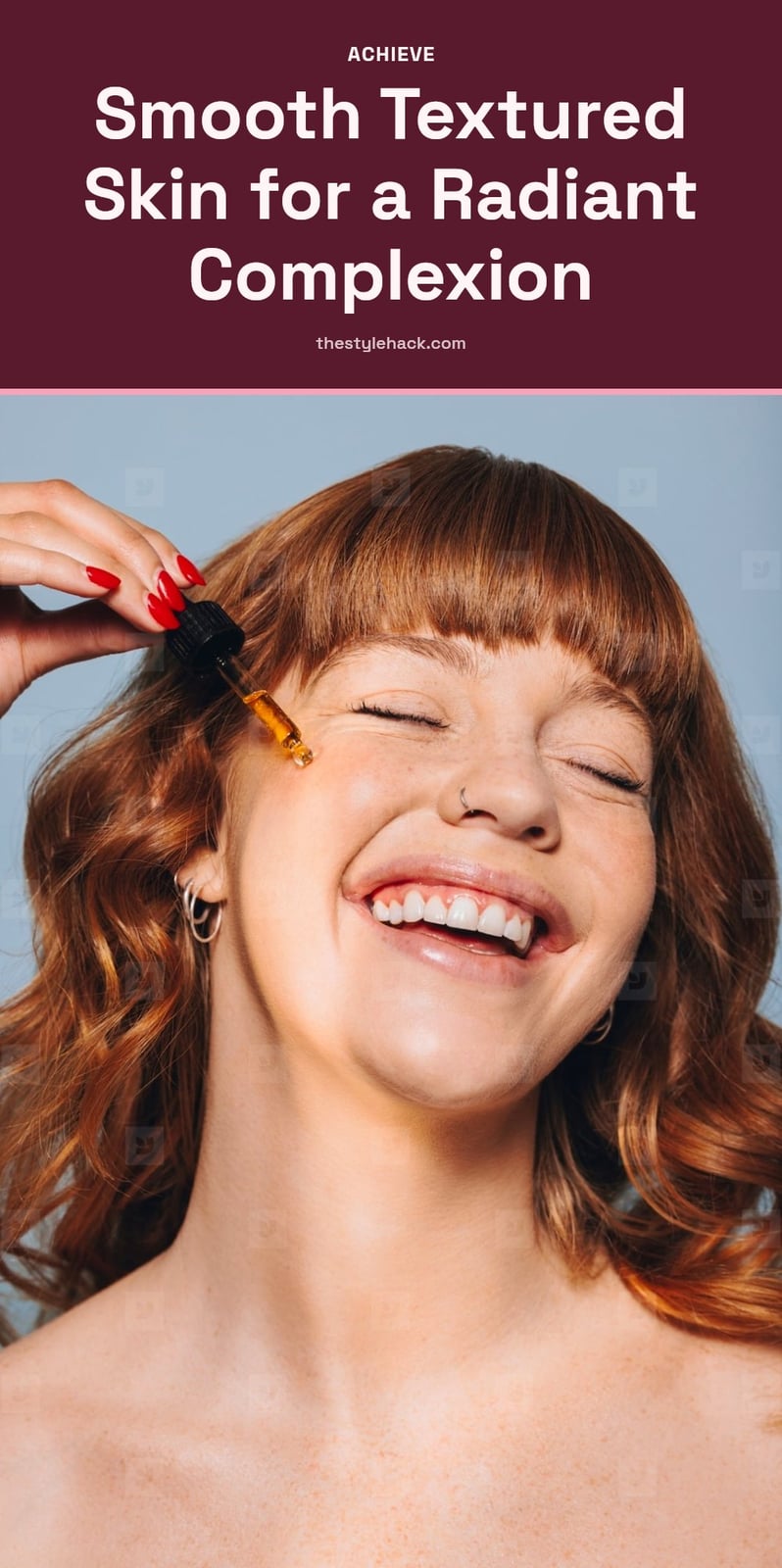
You know that feeling when your skin looks dull or feels bumpy no matter what you do? That’s textured skin, and it’s something many of us deal with. It can show up as rough patches, tiny bumps, or just an uneven look, often from dead skin buildup or sun damage. In this article, I’ll walk you through the real causes and the simple, effective steps that have helped me smooth things out for a more radiant complexion.
Key Takeaways
- Exfoliate 2-3 times a week with gentle chemical exfoliants like AHAs or BHAs.
- Apply broad-spectrum sunscreen with SPF 30 or higher every morning without fail.
- Moisturize twice daily to maintain your skin barrier and reduce texture appearance.
- Start retinoids slowly (2-3 times a week) and increase gradually to avoid irritation.
- Be patient: visible improvements typically take 4-12 weeks of consistent care.
1. What is Textured Skin and How Can You Improve It?
Textured skin is an uneven surface on your face or body, showing up as bumps, rough patches, or a dull look. It usually comes from a buildup of dead skin cells, sun damage, or dehydration. The good news is that gentle exfoliation, consistent hydration, and daily sun protection can help you get smoother, more radiant skin over time.
2. Why Your Skin Feels Rough or Uneven
3. Why Your Skin Feels Rough or Uneven
Several factors can make your skin feel less smooth. The most common causes are:
- Dead skin cell buildup: When dead cells don’t shed properly, they create a rough or bumpy surface.
- Sun damage: UV exposure breaks down collagen and elastin, leading to fine lines, wrinkles, and an uneven texture.
- Dehydration: Lack of moisture makes skin look duller and emphasizes any existing roughness or bumps.
Common types of textured skin include rough patches, small bumps like milia or keratosis pilaris, and enlarged pores. Underlying conditions such as eczema, psoriasis, or acne can also cause irregularities. If you suspect a medical issue, it’s best to check with a dermatologist.
4. Effective Methods to Smooth Your Skin’s Texture
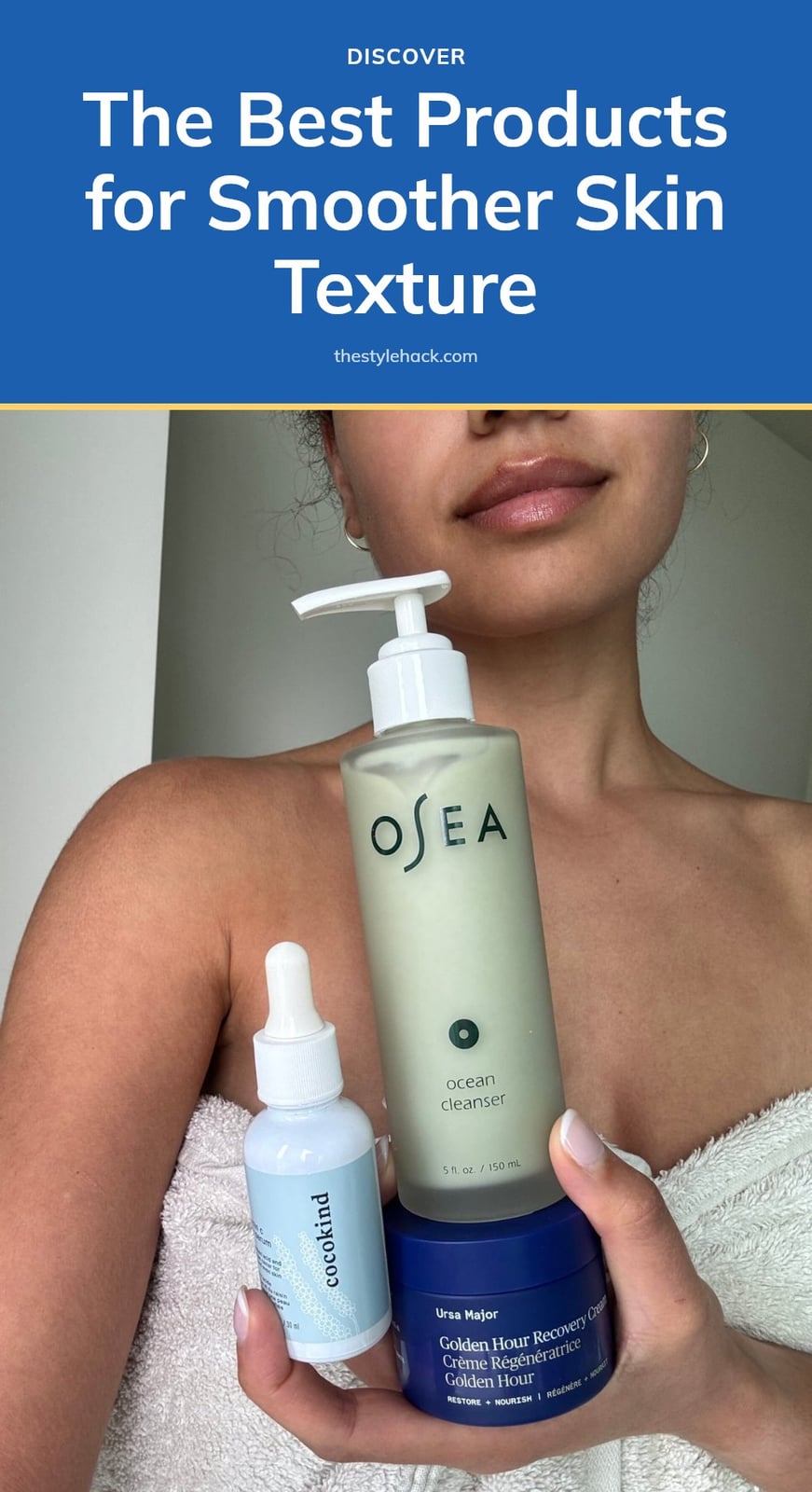
5. Effective Methods to Smooth Your Skin’s Texture
Improving texture takes a targeted routine. Here are the most effective approaches:
- Exfoliation: Chemical exfoliants are your best bet. Alpha hydroxy acids (AHAs) like glycolic and lactic acid work on the skin’s surface to loosen dead cells. Beta hydroxy acids (BHAs) like salicylic acid penetrate pores to exfoliate from within. Tip: Use chemical exfoliants 2-3 times a week, not every day.
- Gentle physical exfoliation: A soft washcloth or a mild scrub with fine particles can help, but avoid harsh scrubs with large, irregular pieces that cause micro-tears.
- Retinoids: Retinol or prescription retinoids boost cell turnover and improve texture over time. Start with a low concentration 2-3 times a week to let your skin adjust.
- Moisturizing: A consistent moisturizer with ceramides, hyaluronic acid, or glycerin maintains your skin barrier and keeps skin supple, reducing the look of texture.
- Vitamin C serum: Using a vitamin C serum in the morning can enhance radiance and even out tone, which helps mask uneven texture.
Caution: Avoid combining retinoids and chemical exfoliants in the same routine unless directed by a dermatologist. Layer them on different nights to prevent irritation.
6. Common Mistakes When Treating Textured Skin
It’s easy to overdo it when you want smoother skin fast. Avoid these common missteps:
- Using too many active ingredients at once: Layering AHAs, BHAs, retinoids, and vitamin C can cause irritation and sensitivity. Stick to one or two actives per routine.
- Skipping sunscreen: Sun damage undermines all your other efforts. Without daily SPF 30+, you won’t maintain improvements.
- Over-exfoliating: Scrubbing too often or with harsh physical scrubs damages your skin barrier, leading to redness and worse texture.
- Expecting instant results: Skin turnover takes time. Consistency over weeks to months is what delivers real change.
- Ignoring underlying conditions: If your texture persists despite a good routine, see a dermatologist. Eczema, psoriasis, or acne may need professional treatment.
7. Daily Habits for a Smoother, Healthier Complexion

Start with a simple routine. Cleanse your face twice daily to remove dirt, oil, and makeup that can clog pores and worsen texture. Drink plenty of water throughout the day to keep your skin hydrated from within.
Always patch test new products, especially active ingredients like AHAs or retinoids, on a small area of skin before full application. Discontinue use of any product that causes excessive redness, burning, itching, or severe dryness.
8. Preventing Future Skin Texture Issues
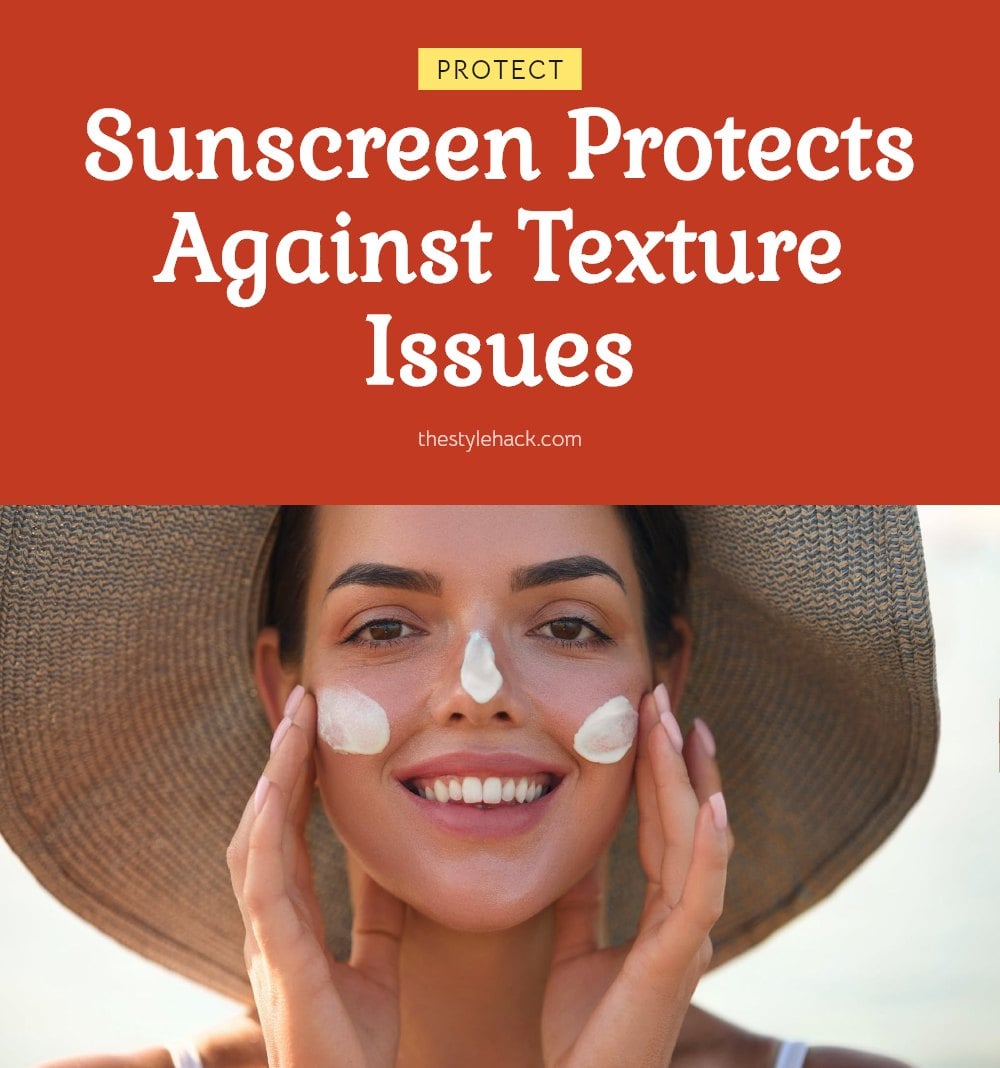
Preventing texture issues starts with daily protection. Apply a broad-spectrum sunscreen with SPF 30 or higher every morning to prevent sun damage that leads to fine lines and unevenness. Moisturize twice daily with a hydrating cream or lotion suitable for your skin type to maintain barrier function.
Avoid picking or squeezing blemishes, which can cause inflammation, scarring, and worsened texture. Regularly but gently exfoliate 2-3 times a week using chemical exfoliants like AHAs or BHAs, or a soft physical scrub.
9. What to Expect: Timeline for Smoother Skin
Visible improvements in skin texture can typically be seen within 4-12 weeks of consistent use of the right products. More significant changes often take several months. Consistency is key; don’t expect instant results.
Costs vary widely based on product choices, from affordable drugstore options to high-end formulations. Choose what fits your budget and stick with it.
10. When to Consult a Dermatologist for Textured Skin
Consult a dermatologist if your textured skin is persistent, severe, or painful. Seek professional advice if it’s accompanied by other concerning symptoms like redness, itching, or flaking. A dermatologist can help diagnose underlying conditions such as eczema or psoriasis and may provide prescription-strength treatments if needed.
11. Frequently Asked Questions
12. Can textured skin be completely cured?
For most people, textured skin can be significantly improved but may not be completely cured. Factors like genetics, aging, and sun damage mean some texture is natural. With a consistent routine of exfoliation, hydration, and sun protection, you can achieve a much smoother, more even complexion.
13. Is textured skin a sign of aging?
It can be, but not always. Sun damage and collagen breakdown over time do contribute to texture changes like fine lines and enlarged pores. However, textured skin is also common in younger people due to dead skin buildup, dehydration, or conditions like keratosis pilaris. A good routine helps at any age.
14. Can diet affect skin texture?
Diet may play a role. Staying hydrated by drinking plenty of water can help your skin appear plumper and less dull. Some people find that a diet high in sugar or dairy can trigger breakouts or inflammation, which can worsen texture. A balanced diet with plenty of fruits and vegetables is a good bet for overall skin health.
15. What’s the difference between physical and chemical exfoliation?
Physical exfoliation uses a scrub or tool to manually remove dead skin cells. Chemical exfoliation uses acids like AHAs or BHAs to dissolve the bonds holding dead cells together. Chemical exfoliants are generally gentler and more even, while harsh physical scrubs can cause micro-tears. My tip: stick to chemical exfoliants for most skin types.
16. What causes textured skin?
Textured skin is usually caused by a buildup of dead skin cells, sun damage, or dehydration. It can also result from conditions like acne, eczema, or keratosis pilaris. Enlarged pores and fine lines from aging contribute too. Identifying the main cause helps you choose the right treatment, whether that’s exfoliation, hydration, or a visit to a dermatologist.
17. Final Thoughts
My tip: pick one active ingredient to start with, like a gentle AHA or a low-concentration retinol, and stick with it for at least two months before adding anything new. Realistic expectations matter here, most people see noticeable smoothing within 4 to 12 weeks, but significant changes take several months of daily sunscreen and moisturizer. Stay consistent, and your skin will thank you.
This article is for general informational purposes only and is not a substitute for professional medical or dermatological advice. If you have persistent, severe, or painful skin texture issues, or if you have an underlying skin condition, please consult a qualified healthcare provider or dermatologist for a proper diagnosis and treatment plan.
More Blog ideas
- How to Heal Chapped Lips Overnight with Simple Steps
- Atomic Habits: 5 Lessons to Build Better Habits
- Hyaluronic Acid for Beginners
- How to Build a Gentle Skincare Routine for Sensitive Skin
- Beat Frizzy Hair: Easy Remedies for Smooth, Shiny Strands
- How to Increase Your Daily Drinking Water Intake
- Washing Hair Mistakes to Avoid and What to Do Instead
- Bleaching Hair Tips for Less Damage
- How to Make Your Body Mist Last Longer All Day
- How to Fix Your Skincare Routine
- Nervous System Regulation Tips
- Vagus Nerve Exercises for Stress Relief






