Soreness After a Workout: 8 Ways to Recover Faster
Learn 8 effective strategies to quickly alleviate post-workout soreness (DOMS) and support muscle recovery, so you can get back to your routine faster.


You crushed your workout yesterday, and now your muscles are letting you know about it. That familiar ache, often called delayed onset muscle soreness (DOMS), is a normal sign your body is adapting and getting stronger. This article covers eight practical ways to help you recover faster and get back to moving comfortably.
Key Takeaways
- Engage in light active recovery like walking or cycling to boost blood flow and reduce stiffness.
- Consume 20-30 grams of protein post-workout to support muscle repair and rebuilding.
- Stay well-hydrated and aim for 7-9 hours of sleep each night for optimal recovery.
- Use foam rolling, gentle stretching, or cold/heat therapy to alleviate muscle tightness and discomfort.
- Gradually increase workout intensity to allow your muscles to adapt and prevent severe soreness.
01. What is Post-Workout Soreness (DOMS)?
That sore, tender feeling you get a day after a tough workout is called Delayed Onset Muscle Soreness (DOMS). It’s a completely normal response to challenging your muscles, especially when you try a new exercise or ramp up the intensity. The cause is microscopic tears in your muscle fibers and the resulting inflammatory response, not the lactic acid you might have heard about. DOMS usually shows up 12 to 24 hours after exercise, peaks between 24 and 72 hours, and fades within 3 to 5 days.
02. 1. Engage in Light Active Recovery
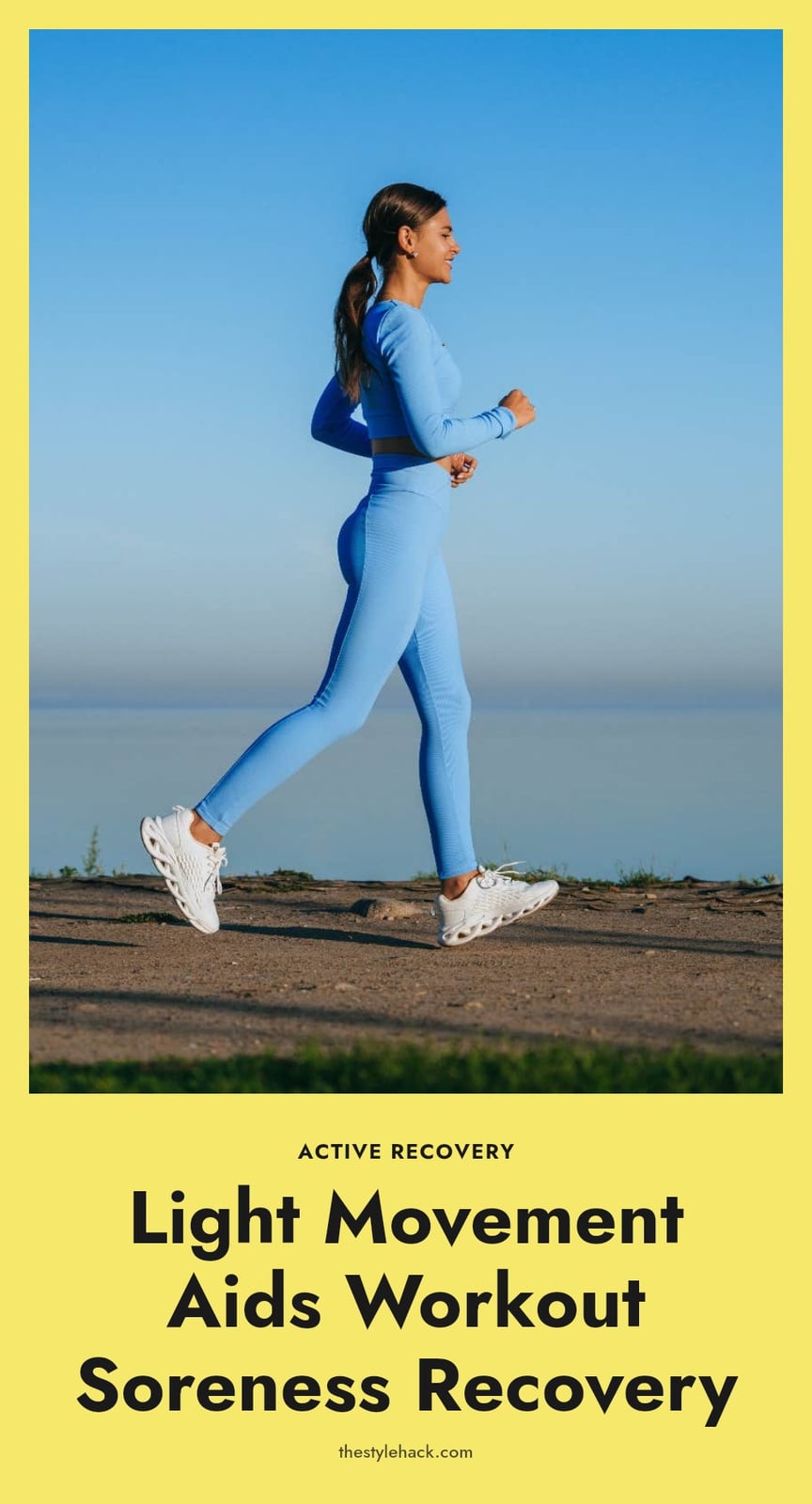
Lying still might feel like the right move, but gentle movement actually helps. Light active recovery, like a 20-30 minute walk or easy cycling, increases blood flow to your muscles. That extra circulation helps flush out metabolic waste and delivers fresh nutrients to support repair.
- Time: 20-30 minutes of low-intensity movement the day after your workout.
- Form cue: Keep the pace conversational; you should be able to talk without huffing.
- Make it easier or harder: Shorten to 10-15 minutes if you’re very sore, or add a gentle incline on the treadmill for a bit more challenge.
03. 2. Prioritize Protein Intake

Your muscles need building blocks to repair those microscopic tears, and protein provides the essential amino acids. Getting enough protein after your workout supports muscle rebuilding and can help you feel stronger for your next session.
- Time: Aim for 20-30 grams of protein in your post-workout meal.
- Form cue: Include a protein source at every meal throughout the day, not just right after exercise.
- Make it easier or harder: A smoothie with protein powder is quick if you’re not hungry for a full meal; adjust portion sizes based on your body weight and activity level.
04. 3. Stay Well-Hydrated
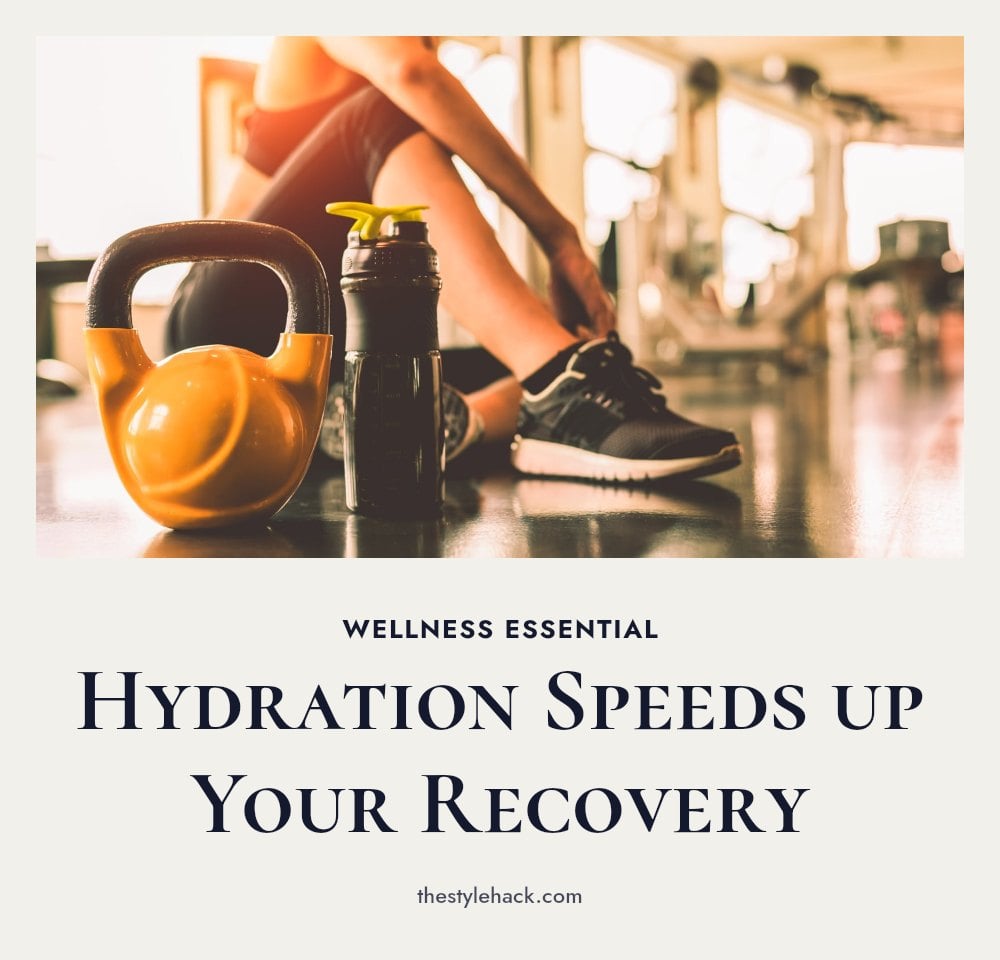
Water plays a key role in nearly every bodily function, including muscle recovery and nutrient transport. When you’re dehydrated, muscle stiffness can feel worse and your body’s repair processes slow down. Keep a water bottle with you and sip regularly, especially after workouts.
- Time: Sip water throughout the day; aim to drink at least 16-20 ounces within an hour after exercise.
- Form cue: Check your urine color; pale yellow usually means you’re well-hydrated.
- Make it easier or harder: Add a pinch of salt or an electrolyte tablet to your water after a very sweaty session, or simply increase your plain water intake if you’re not sweating heavily.
05. 4. Get Sufficient Sleep

Sleep is when your body does its most important repair and rebuilding work. During deep sleep, growth hormone is released, which is vital for muscle tissue repair. Aim for 7-9 hours of quality sleep each night to give your muscles the time they need to recover fully.
- Time: 7-9 hours per night consistently.
- Form cue: Keep your bedroom cool, dark, and quiet for better sleep quality.
- Make it easier or harder: Establish a relaxing pre-sleep routine, like reading or gentle stretching, to signal your body it’s time to rest.
06. 5. Try Foam Rolling or Gentle Stretching
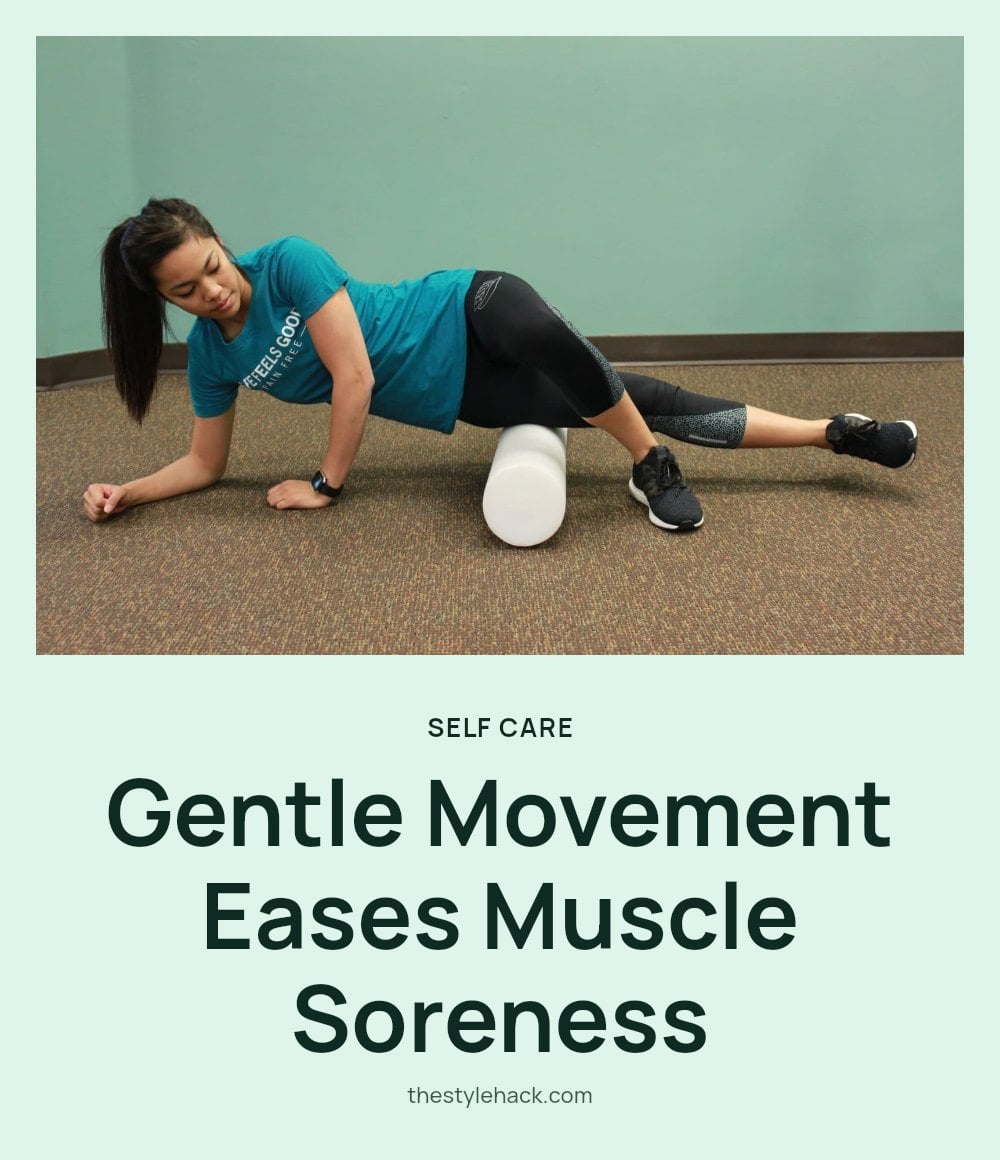
Foam rolling or self-myofascial release can help improve blood flow, break up muscle knots, and reduce tightness. Gentle stretching can also improve flexibility and temporarily alleviate stiffness, though its direct impact on DOMS is debated. My tip: Focus on areas that feel particularly tight, moving slowly and breathing deeply.
- Time: 30-60 seconds per muscle group, rolling slowly.
- Form cue: Roll away from the face so the curl opens up, and avoid rolling directly over joints or bones.
- Make it easier or harder: Use a softer foam roller for less pressure, or a massage ball for more targeted release.
07. 6. Use Cold or Heat Therapy
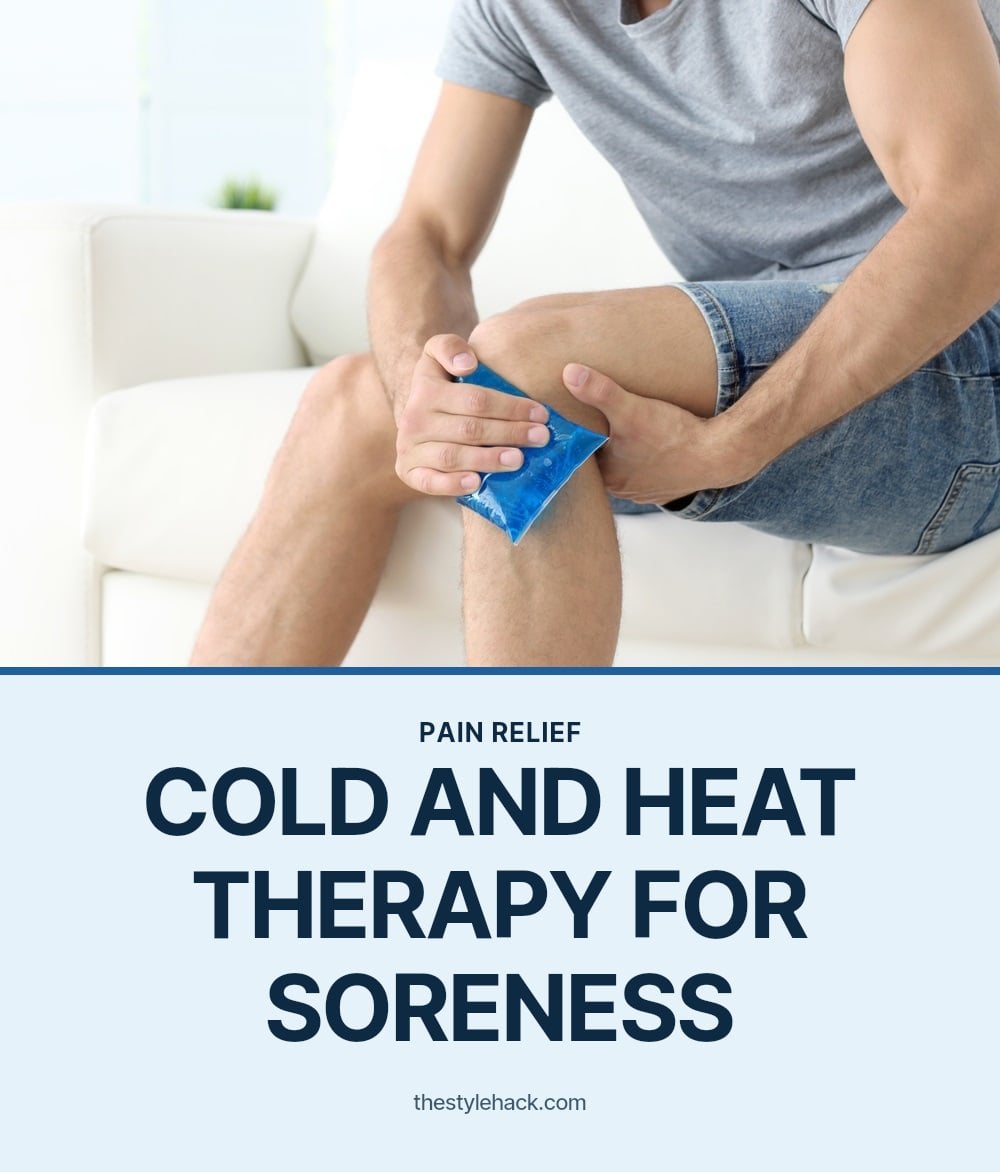
Cold therapy, like an ice pack or a cold shower, may help reduce inflammation and numb pain associated with DOMS. Warm baths or showers can help relax muscles and increase blood flow, providing temporary relief from stiffness. Experiment to see which works best for your body; some find alternating hot and cold beneficial.
- Time: 15-20 minutes for cold therapy, 20-30 minutes for heat.
- Form cue: Apply cold within the first 48 hours, then switch to heat for relaxation.
- Make it easier or harder: Use a towel between your skin and an ice pack to prevent frostbite, or add Epsom salts to a warm bath for extra muscle relaxation.
08. 7. Consider a Massage
Massage can help improve blood flow to sore muscles, reduce muscle tightness, and promote relaxation. Whether it’s a professional massage or self-massage with a ball, the pressure can help release tension. My tip: Focus on gentle, broad strokes rather than deep, painful pressure when muscles are acutely sore.
- Time: 5-10 minutes per major muscle group.
- Form cue: Use long, slow strokes in the direction of the muscle fibers, not across them.
- Make it easier or harder: Use a tennis or lacrosse ball for deeper pressure, or your hands for lighter touch.
09. 8. Gradually Increase Workout Intensity
One of the best ways to prevent severe soreness is to gradually increase the intensity and duration of your workouts. Allow your muscles time to adapt to new stresses, especially when starting a new routine or exercise. This progressive overload helps build resilience and reduces the shock to your system.
- Sets and reps: Add no more than 5-10% more weight or one extra set per exercise each week.
- Form cue: Focus on controlled, slow movements on both the lift and the lowering phase.
- Make it easier or harder: Start with bodyweight only, then add resistance bands before using weights.
10. Common Soreness Mistakes to Avoid
Believing lactic acid causes DOMS: The reality is, it’s microscopic muscle damage and inflammation, not lactic acid buildup. Lactic acid clears within an hour of exercise, while DOMS peaks a day or two later.
Avoiding all movement: Complete rest can sometimes worsen stiffness. Light active recovery is often more beneficial for reducing soreness.
Ignoring severe or persistent pain: While soreness is normal, sharp, localized, or debilitating pain that lasts more than a few days could be an injury and needs attention.
Not consuming enough protein or hydrating: These are fundamental for muscle repair and recovery, don’t overlook them.
11. When to Consult a Healthcare Professional
While DOMS is normal, certain symptoms warrant a call to your doctor. If soreness is severe, debilitating, or lasts longer than 5-7 days without improvement, seek advice. Also see a professional if you experience sharp pain, swelling, numbness, or tingling, which could indicate an injury. In rare cases, extreme muscle damage can lead to rhabdomyolysis. If you notice dark urine, severe muscle weakness, or extreme swelling, seek immediate medical attention.
12. Frequently Asked Questions
13. How long does muscle soreness typically last?
DOMS usually sets in 12 to 24 hours after exercise, peaks between 24 and 72 hours, and typically resolves within 3 to 5 days. If soreness lasts longer than 5 to 7 days or is severe, consult a healthcare professional.
14. Is it okay to work out when I’m sore?
Light activity, such as walking or easy cycling, can help relieve soreness by increasing blood flow. However, avoid intense workouts targeting the same muscle groups until soreness subsides. If you feel sharp or joint pain, stop and rest.
15. What’s the difference between soreness and injury pain?
Normal soreness feels like a dull ache or tenderness in the muscle and improves with gentle movement. Injury pain is often sharp, localized to a joint, or accompanied by swelling, numbness, or tingling. Seek medical attention if you experience these symptoms.
16. Can certain foods help reduce muscle soreness?
Adequate protein intake is key for muscle repair, but overall nutrition matters. Eating a balanced diet with enough calories, carbohydrates for energy, and anti-inflammatory foods like fruits and vegetables may support recovery. Stay hydrated as well.
17. Does stretching prevent soreness?
Stretching can improve flexibility and may temporarily reduce stiffness, but its direct impact on preventing DOMS is debated. Dynamic stretching before exercise and static stretching afterward are still beneficial for overall muscle health and range of motion.
18. Final Thoughts
To speed up recovery from DOMS, prioritize light movement, protein intake, hydration, and quality sleep. Remember, soreness usually peaks within 24 to 72 hours and resolves on its own within a few days. Listen to your body, use gentle recovery techniques, and give yourself time to heal before your next workout.
This article is for general informational purposes only and does not constitute medical advice. If you experience severe, persistent, or worsening pain, or suspect an injury, please consult a healthcare professional or a qualified fitness specialist for personalized guidance.
More Blog ideas
- How to Heal Chapped Lips Overnight with Simple Steps
- Atomic Habits: 5 Lessons to Build Better Habits
- Hyaluronic Acid for Beginners
- How to Build a Gentle Skincare Routine for Sensitive Skin
- Beat Frizzy Hair: Easy Remedies for Smooth, Shiny Strands
- How to Increase Your Daily Drinking Water Intake
- Washing Hair Mistakes to Avoid and What to Do Instead
- Bleaching Hair Tips for Less Damage
- How to Make Your Body Mist Last Longer All Day
- How to Fix Your Skincare Routine
- Nervous System Regulation Tips
- Vagus Nerve Exercises for Stress Relief






