Squats for Glutes: 10 Variations to Try at Home
Boost your glute strength and shape at home with 10 effective squat variations. Learn proper form, common mistakes, and how to maximize results.

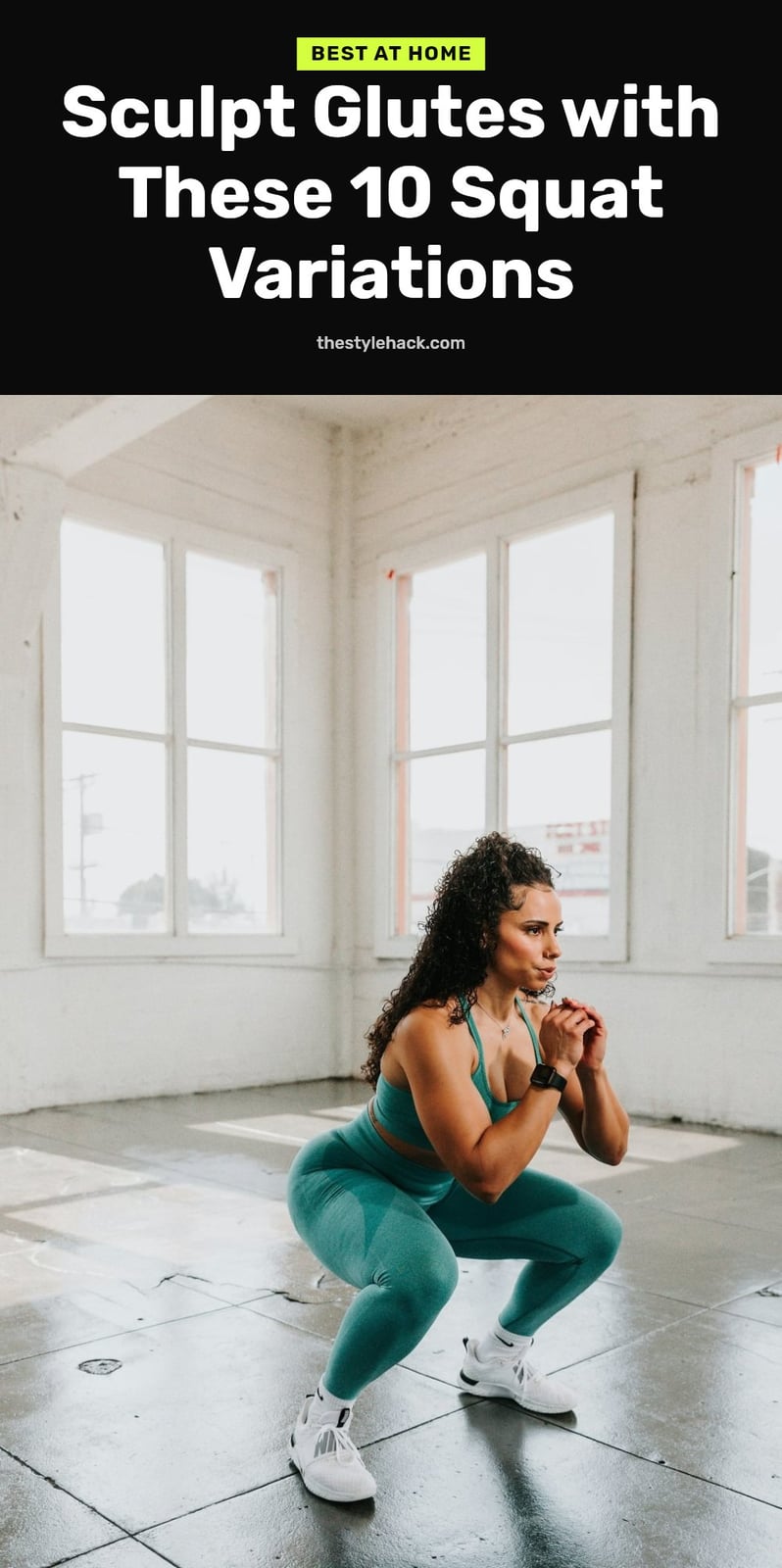
If you are looking to strengthen and shape your glutes at home, squats are one of the most effective moves you can do. This compound exercise targets your gluteus maximus, quads, and hamstrings all at once, and with a few simple variations, you can keep challenging your muscles without needing a gym. In this article, I cover 10 squat variations you can try at home, plus key tips on form, common mistakes, and how to get the most out of each rep.
Key Takeaways
- Aim for thighs at least parallel to the floor for effective glute activation.
- Wider stances with toes turned out emphasize the glutes and inner thighs more.
- Add resistance bands or dumbbells once you master bodyweight form.
- Focus on squeezing your glutes at the top of each squat to boost engagement.
- Perform 2-3 squat workouts per week for noticeable strength gains within 4-6 weeks.
01. Why Squats Are Your Glutes’ Best Friend
Squats are a fundamental compound exercise that targets the gluteus maximus, quadriceps, and hamstrings all at once. Because the gluteus maximus is the largest muscle in your body, working it regularly builds lower body strength, balance, and mobility. By changing your foot placement or adding a weight, you can emphasize different parts of your glutes and keep your workouts varied. Proper form is the key to getting the most out of every rep and avoiding injury, especially when you are training at home without a trainer watching.
02. Essential Gear for Your Squat Workout
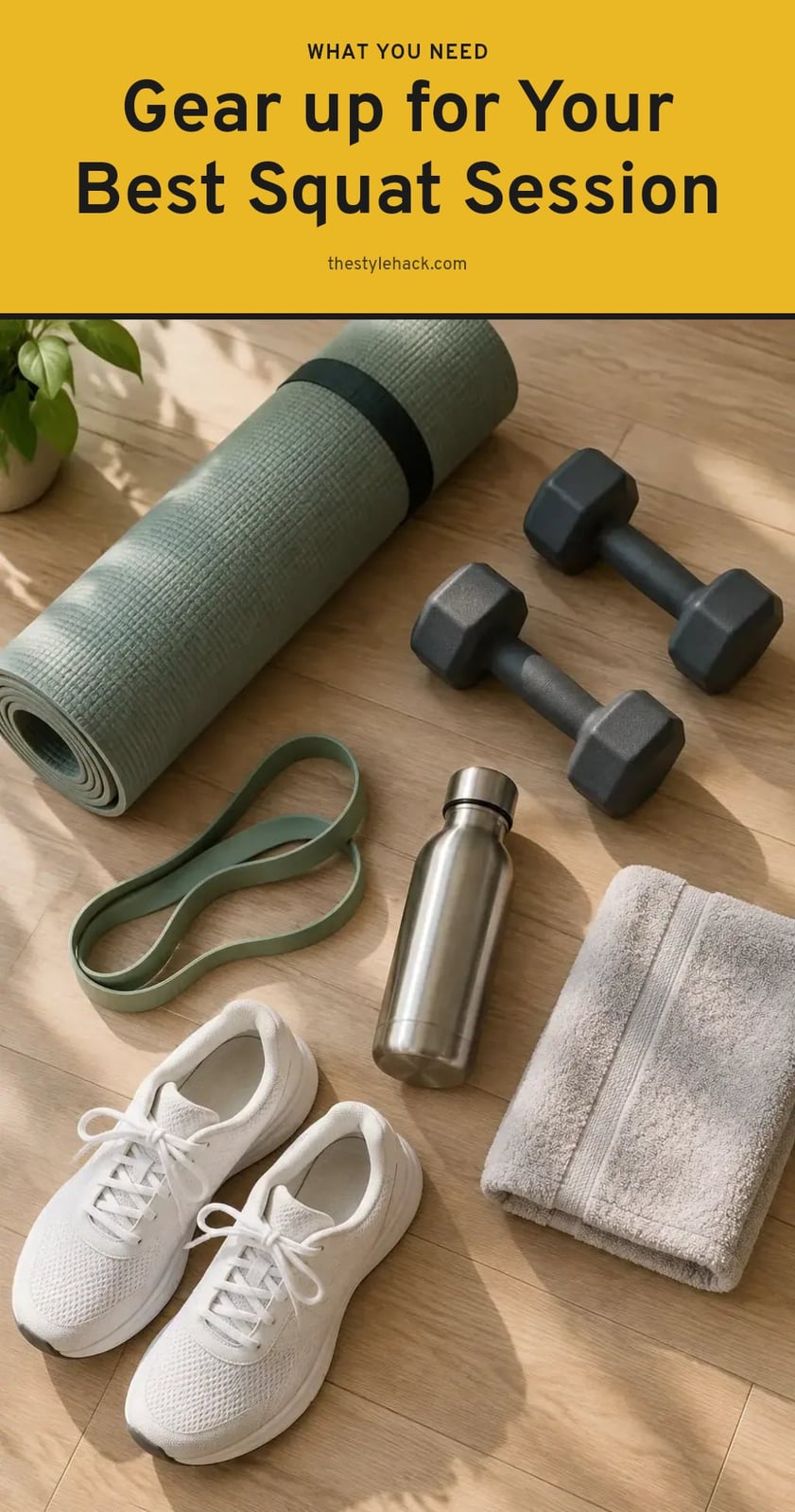
You do not need much to start squatting at home. Here is what helps:
- Comfortable athletic clothing: Choose fabrics that let you move through a full range of motion without restriction.
- Supportive athletic shoes: Look for shoes with good grip and stability so your feet stay planted.
- Resistance bands (optional): A band placed above your knees adds a challenge and cues your glutes to work harder.
- Dumbbells or kettlebells (optional): Hold one at your chest or by your sides to increase resistance once your bodyweight form is solid.
- Yoga mat (optional): Use one for comfort if you are squatting on a hard floor.
03. Mastering the Perfect Bodyweight Squat
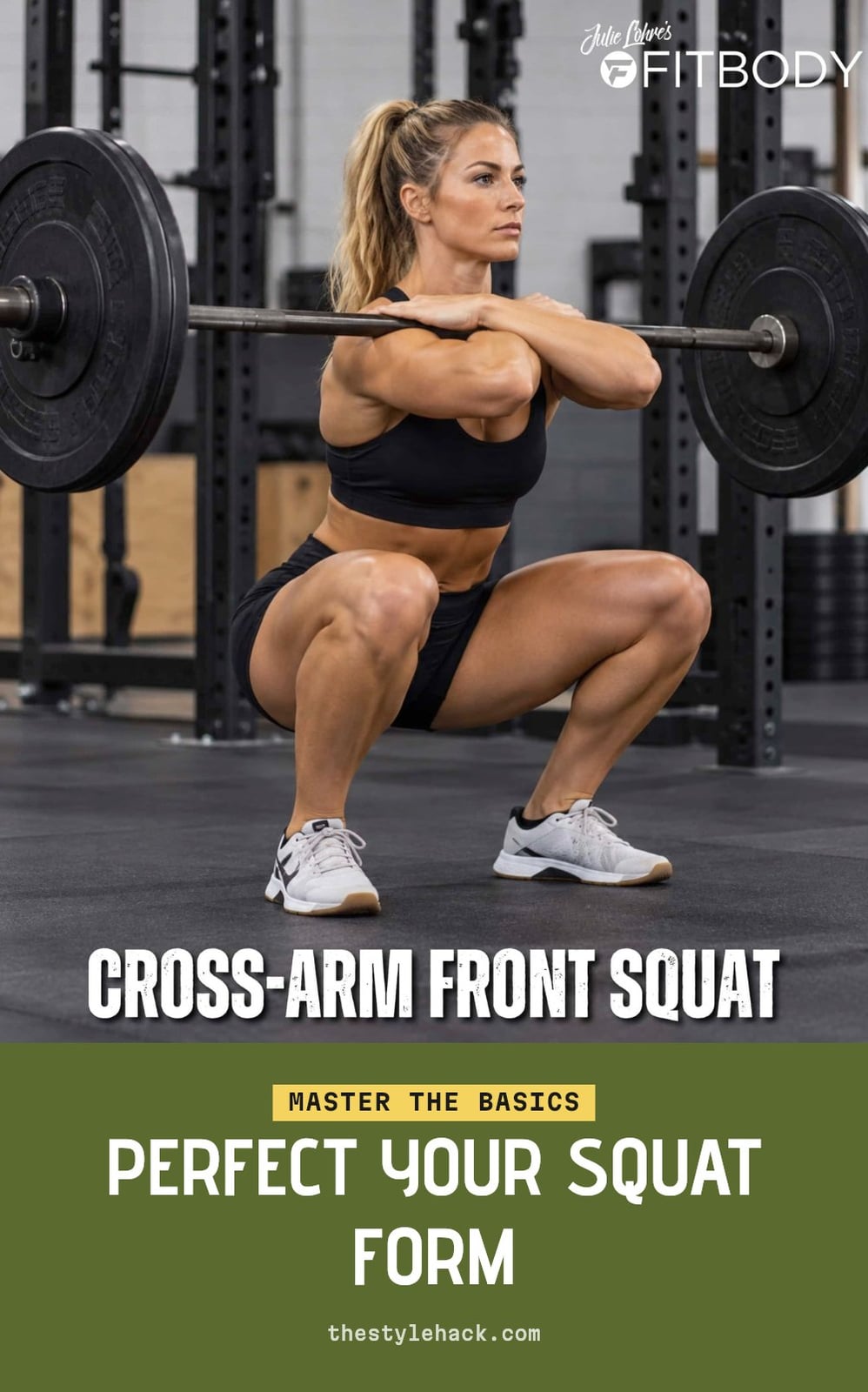
- Warm up: Do dynamic stretches like leg swings or hip circles for 5 minutes to prepare your joints and muscles.
- Set your stance: Stand with feet shoulder-width apart, chest up, shoulders back, and gaze forward.
- Initiate the movement: Push your hips back as if you are sitting in a chair, keeping your weight in your heels.
- Lower yourself: Descend until your thighs are at least parallel to the floor, or deeper if comfortable, while keeping your knees tracking over your toes.
- Engage your core: Brace your abdominal muscles throughout the entire squat to stabilize your spine.
- Drive up: Push through your heels to stand back up, squeezing your glutes at the top. Control the motion on the way down and up.
04. 1. Sumo Squat for Outer Glutes
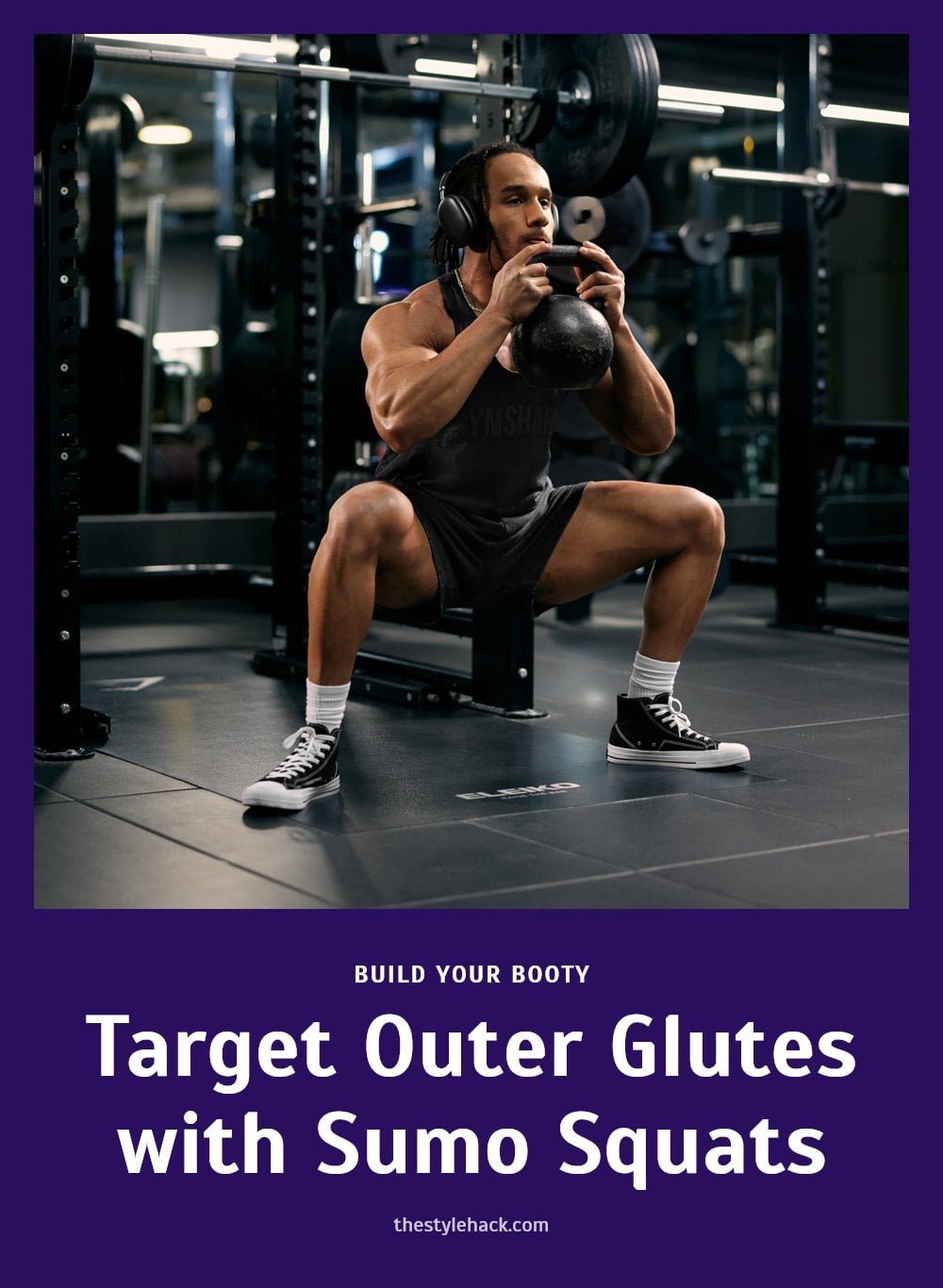
To target your outer glutes and inner thighs, try the sumo squat. Stand with your feet wider than shoulder-width apart and your toes pointed outward. Keeping your chest up and your knees tracking over your toes, descend into a squat as low as you comfortably can. This wider stance shifts more work to your gluteus maximus and adductors compared to a standard squat. You can perform it with just your bodyweight or hold a dumbbell or kettlebell vertically against your chest for extra resistance.
05. 2. Goblet Squat for Glute Engagement
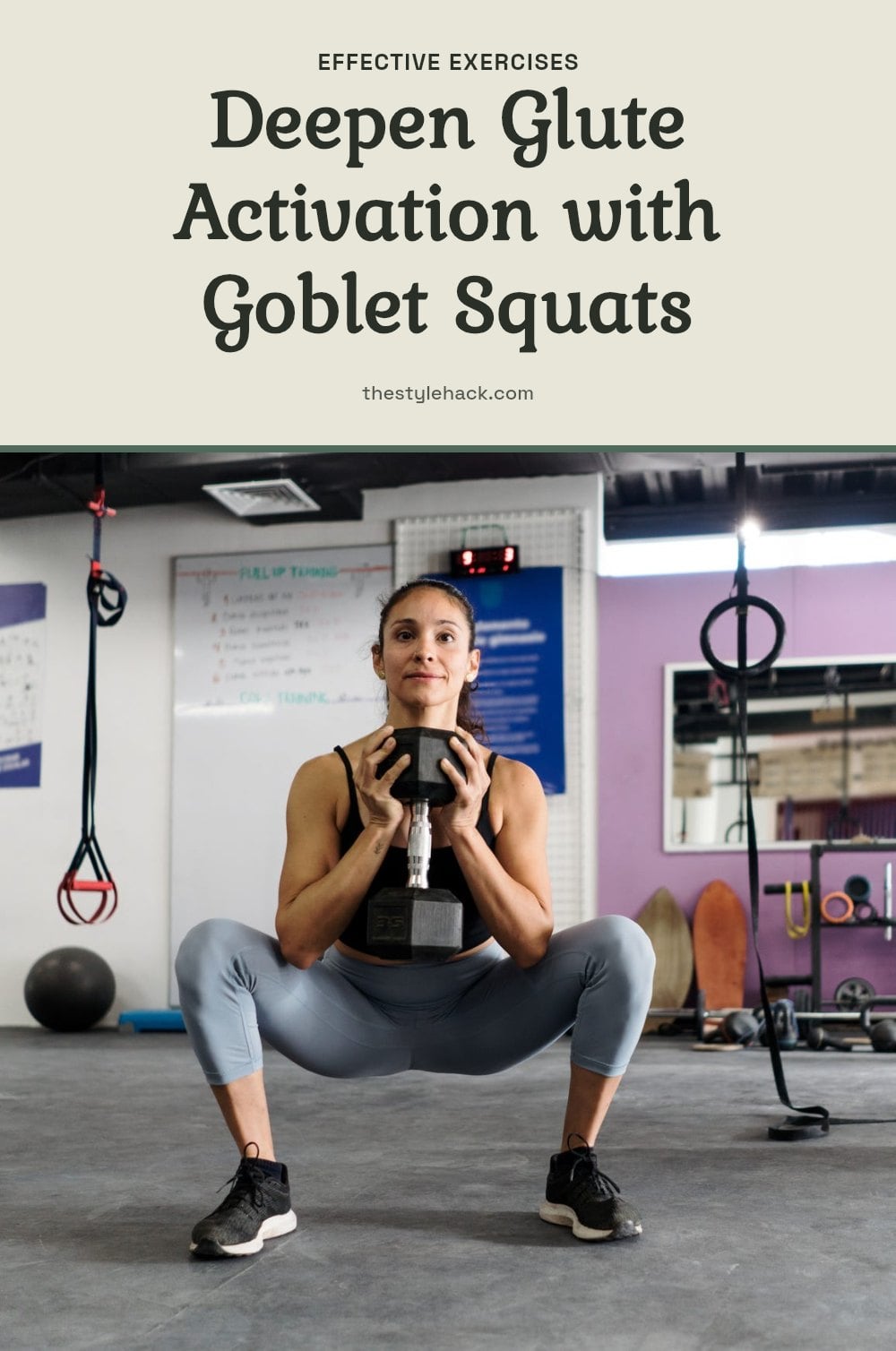
Hold a dumbbell or kettlebell vertically against your chest, cupping the top with both hands. Stand with feet shoulder-width apart and toes slightly turned out. As you squat, keep your elbows inside your knees and your chest lifted. This position naturally encourages an upright torso and helps you reach greater depth, which can enhance glute activation.
06. Other Glute-Focused Squat Variations
Once you have the basic squat down, try these variations to keep challenging your glutes:
- Resistance Band Squat: Place a band just above your knees. Push your knees outward against the band as you squat to increase glute activation.
- Pause Squat: Hold at the bottom of the squat for 2-3 seconds. This increases time under tension and forces your glutes to work harder.
- Split Squat: Stand with one foot forward and the other back. Lower your back knee toward the floor. This unilateral move improves balance and targets each glute individually.
- Bulgarian Split Squat: Rest the top of your back foot on a bench or chair. The elevated position creates a deeper stretch and greater glute challenge.
- Pistol Squat (Assisted): Hold a TRX strap or a sturdy door frame for support as you lower onto one leg. This advanced move builds single-leg strength and control.
- Box Squat: Squat down until you lightly tap a box or bench behind you. This ensures consistent depth and reinforces proper form.
- Jump Squat: Explosively jump up from the squat position, landing softly with bent knees. This builds power and adds a cardio element.
07. Common Squat Mistakes to Avoid
Even small form errors can reduce results or lead to discomfort. Here are the most common ones to watch for:
- Not Going Deep Enough: Stopping above parallel limits glute activation. Aim for thighs at least parallel to the floor, or deeper if comfortable.
- Rounding Your Back: This puts stress on your spine. Keep your chest up and core braced throughout.
- Knees Caving Inward: Collapsing knees strains the joint. Actively push your knees outward so they track over your toes.
- Lifting Heels Off the Ground: This reduces stability and shifts load to your toes. Keep your weight in your heels.
- Using Momentum: Rushing the movement takes tension off your muscles. Control both the descent and ascent.
- Ignoring Core Engagement: A loose core compromises your entire form. Brace your abs as if preparing for a light punch.
08. Pro Tips for Maximizing Your Glute Gains
Small adjustments can make a big difference in how your glutes respond. Try these:
- Mind-Muscle Connection: Focus on squeezing your glutes as you push up. Thinking about the muscle you are working can increase activation.
- Vary Your Foot Placement: A wider stance with toes turned out emphasizes the glutes and inner thighs more than a narrow stance.
- Add Resistance Gradually: Master bodyweight form first, then add resistance bands or light weights to keep progressing.
- Warm-Up and Cool-Down: Start with dynamic stretches like leg swings. Finish with static stretches for your hips and hamstrings to improve mobility and recovery.
09. When to Consult a Professional
Stop immediately if you feel sharp pain in your knees, back, or hips during any squat. Consult a healthcare professional or physical therapist before starting if you have pre-existing joint issues or injuries. If you struggle with form or are not seeing results after several weeks, seek guidance from a certified personal trainer. They can assess your movement pattern and provide personalized cues to keep you safe and progressing.
10. Frequently Asked Questions
11. How often should I do squats for glute growth?
Aim for 2-3 squat-focused workouts per week. This frequency allows enough recovery for muscle growth while providing consistent stimulus. You may notice strength improvements within 4-6 weeks and visible changes in glute definition over several months.
12. Can squats make my thighs bigger?
Squats work your quadriceps and hamstrings as well as your glutes, so some increase in thigh size is possible, especially as you build muscle. If your goal is to emphasize glute growth without adding much thigh bulk, focus on variations like sumo squats or goblet squats with a wider stance.
13. What’s the best depth for glute activation?
Going deep into a squat, where your hips descend below your knees, generally activates the glutes more intensely than partial squats. A common target is lowering until your thighs are at least parallel to the floor, or deeper if it feels comfortable and your form stays solid.
14. Do I need weights to get results from squats?
No, bodyweight squats are an excellent starting point and can still build strength, especially for beginners. Once you can perform them with good form, adding resistance like dumbbells or a resistance band can increase the challenge and help stimulate further muscle growth.
15. How can I tell if my glutes are engaged during squats?
Focus on squeezing your glutes as you push up from the squat. You should feel a contraction in your glute muscles, especially at the top of the movement. If you feel the work mostly in your quads, try a wider stance or think about driving through your heels.
16. Final Thoughts
For the best results, stick with 2-3 squat sessions per week and focus on proper form before adding weight. You can expect to see strength improvements within 4-6 weeks, with visible changes in glute definition over several months. Remember to listen to your body and stop if you feel sharp pain. Squats are a reliable, no-fuss way to build lower body strength right in your living room.
This article is for general informational purposes only and does not constitute medical or professional advice. Always consult a healthcare professional or physical therapist before starting a new exercise routine, especially if you have pre-existing joint issues or injuries. Stop immediately if you experience sharp pain.
More Blog ideas
- How to Heal Chapped Lips Overnight with Simple Steps
- Atomic Habits: 5 Lessons to Build Better Habits
- Hyaluronic Acid for Beginners
- How to Build a Gentle Skincare Routine for Sensitive Skin
- Beat Frizzy Hair: Easy Remedies for Smooth, Shiny Strands
- How to Increase Your Daily Drinking Water Intake
- Washing Hair Mistakes to Avoid and What to Do Instead
- Bleaching Hair Tips for Less Damage
- How to Make Your Body Mist Last Longer All Day
- How to Fix Your Skincare Routine
- Nervous System Regulation Tips
- Vagus Nerve Exercises for Stress Relief






