Sunburn Relief: 9 Home Remedies to Calm Hot, Red Skin
Discover 9 effective home remedies to quickly soothe sunburned skin, reduce inflammation, and promote healing for fast relief.

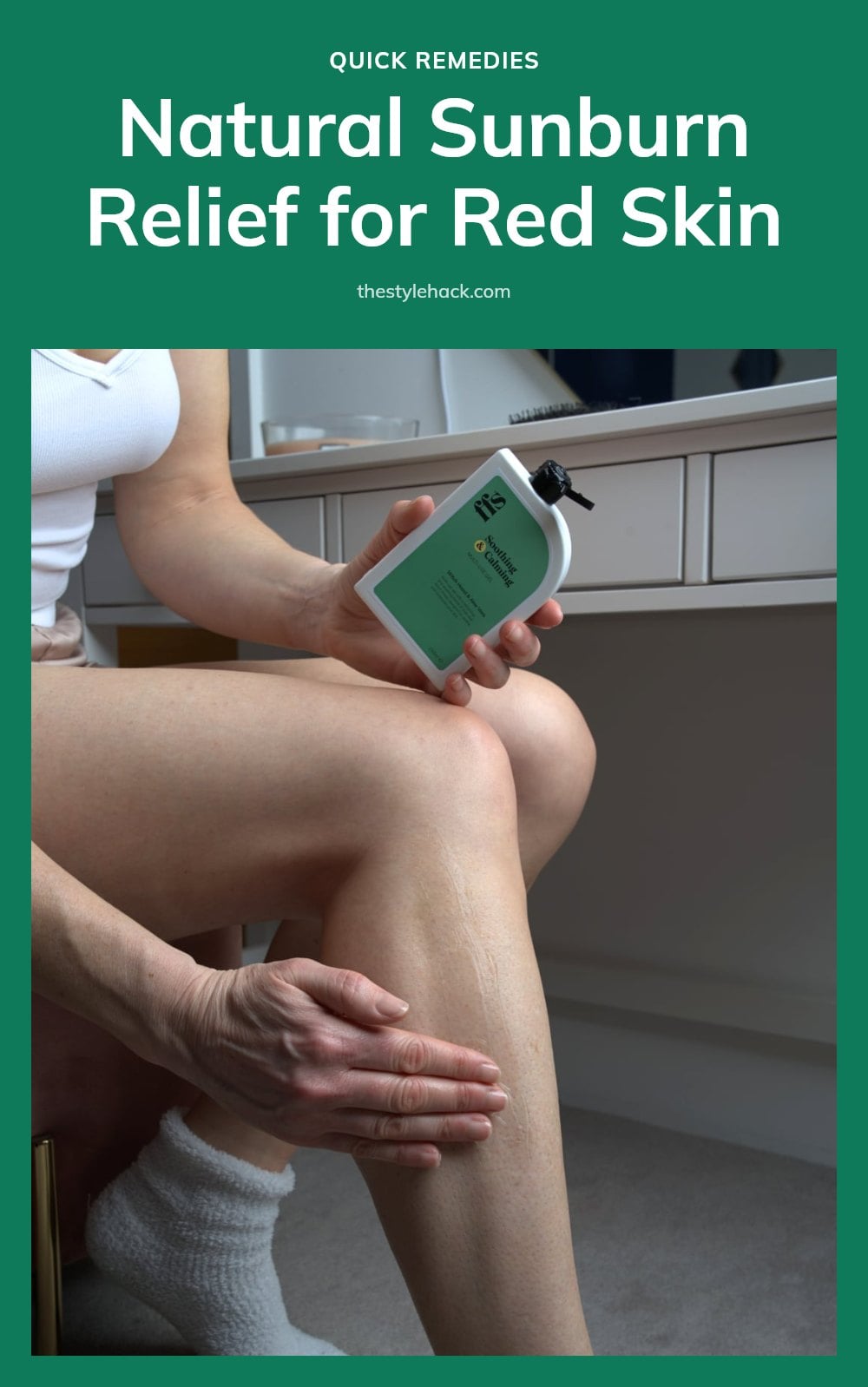
Sunburn can turn a fun day in the sun into hours of discomfort. The heat, redness, and tenderness are your skin’s way of telling you it’s been damaged by UV rays. While prevention is always best, once the burn happens, the goal is to calm your skin and support healing. This article covers nine practical home remedies to soothe hot, red skin, from cool compresses to aloe vera, plus what to avoid and when to see a doctor.
Key Takeaways
- Cool compresses or lukewarm baths reduce skin temperature and inflammation.
- Apply pure aloe vera gel or a fragrance-free moisturizer with hyaluronic acid or ceramides.
- Drink extra water to prevent dehydration from sunburn.
- Never pop blisters or pick peeling skin to avoid infection.
- Seek medical care for severe blistering, fever, or signs of infection.
01. Quick Answer: Soothing Sunburn at Home
For immediate sunburn relief, focus on cooling the skin, moisturizing, and reducing inflammation. Cool compresses or a lukewarm bath can lower skin temperature. Applying pure aloe vera gel or a gentle, fragrance-free moisturizer helps calm irritation and restore the skin barrier. Drink plenty of water to stay hydrated, and protect the burned area from further sun exposure until it fully heals.
02. 1. Take a Cool Bath or Shower
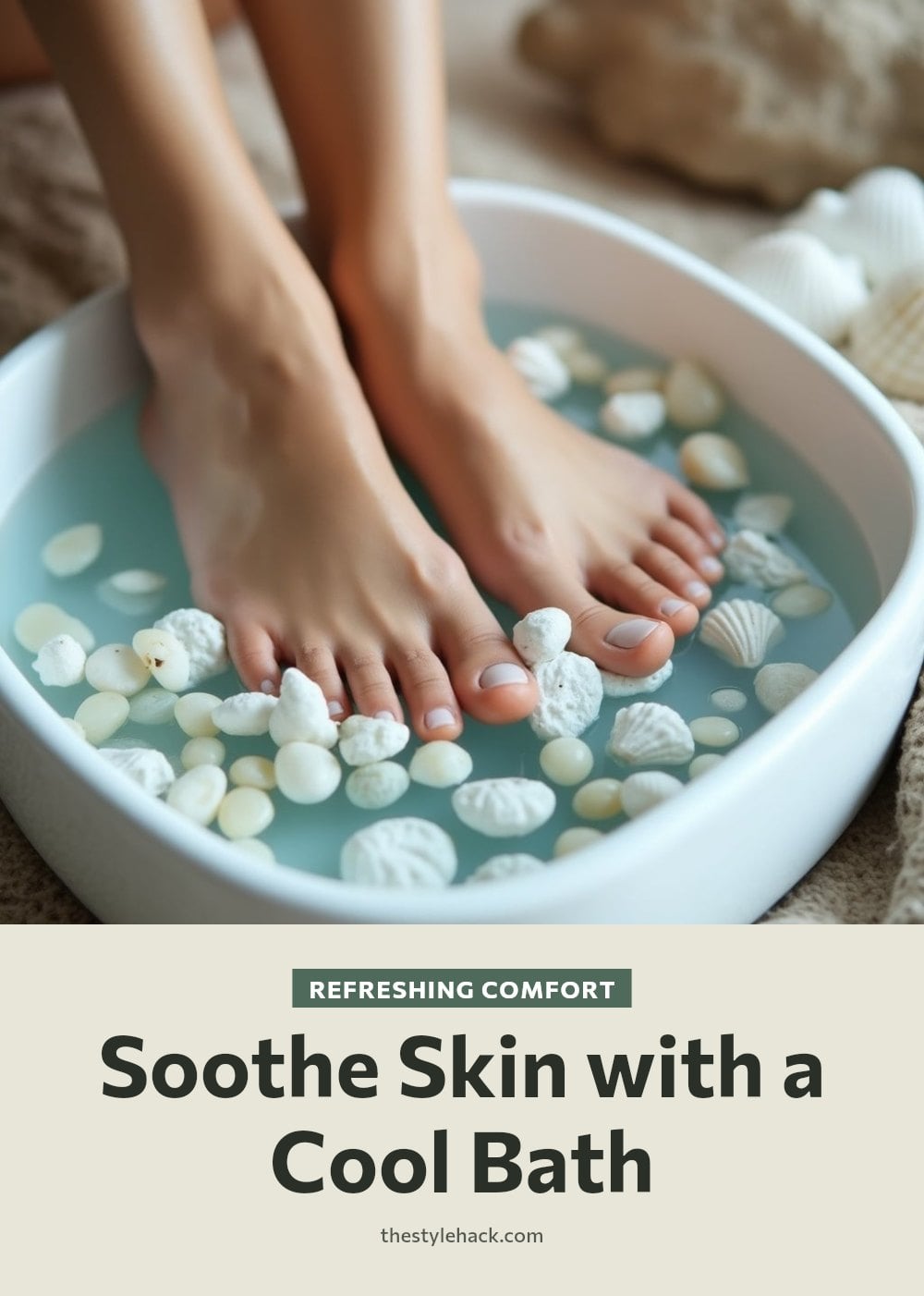
Cool water lowers your skin temperature and reduces inflammation, giving you fast relief from that burning sensation. Keep the water lukewarm, not cold, and avoid harsh soaps or scrubbing, which can aggravate the burn.
My tip: Add a cup of colloidal oatmeal to your bath. It can help soothe itchy, inflamed skin while you soak.
03. 2. Apply Aloe Vera Gel
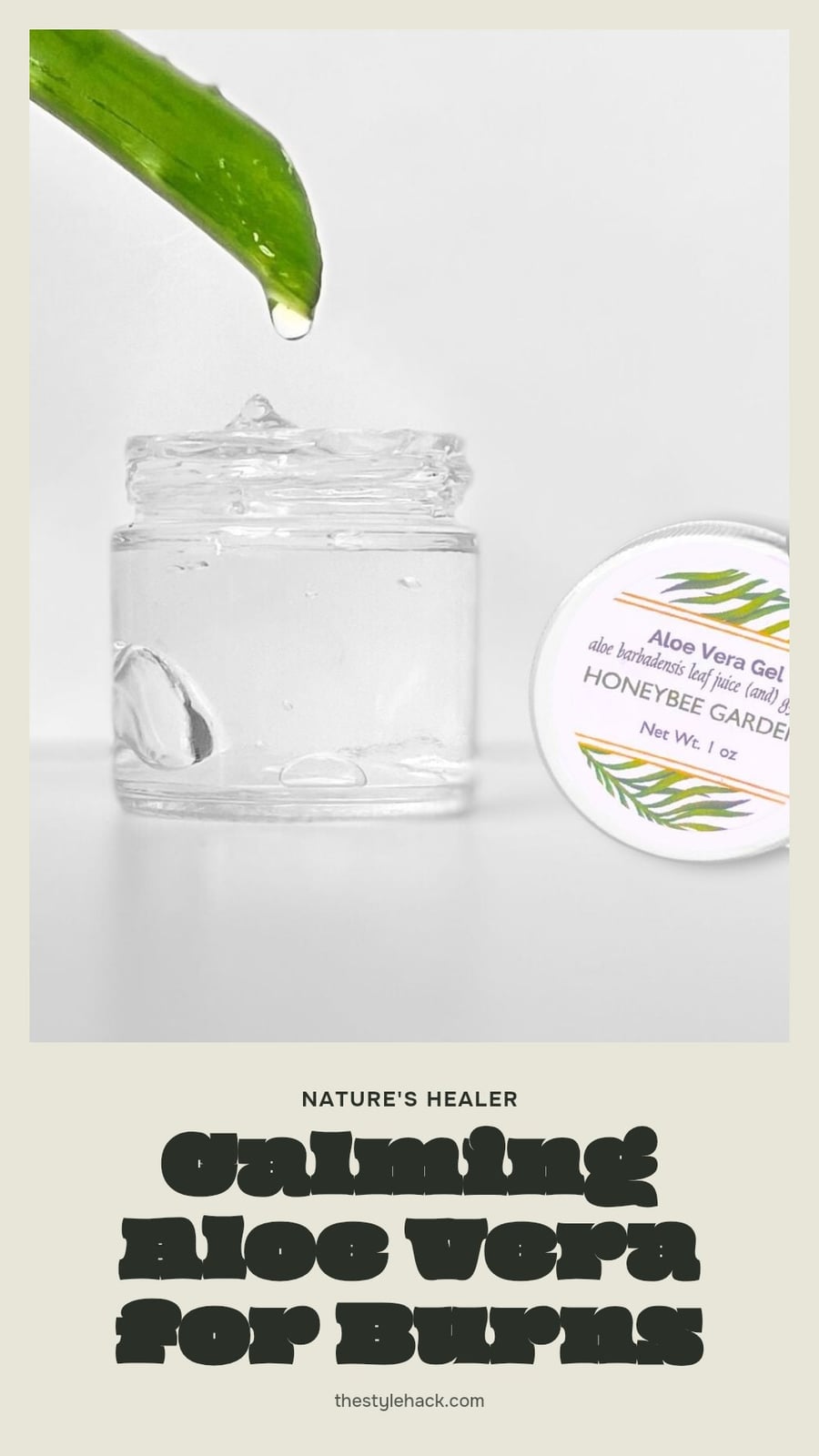
Aloe vera gel is a classic for a reason. Its soothing and anti-inflammatory properties calm irritated skin and help it heal.
My tip: Look for pure aloe vera gel without added alcohol, fragrances, or dyes, which can dry out or further irritate your skin. Keep the bottle in the refrigerator for an extra cooling sensation when you apply it.
04. 3. Moisturize Frequently
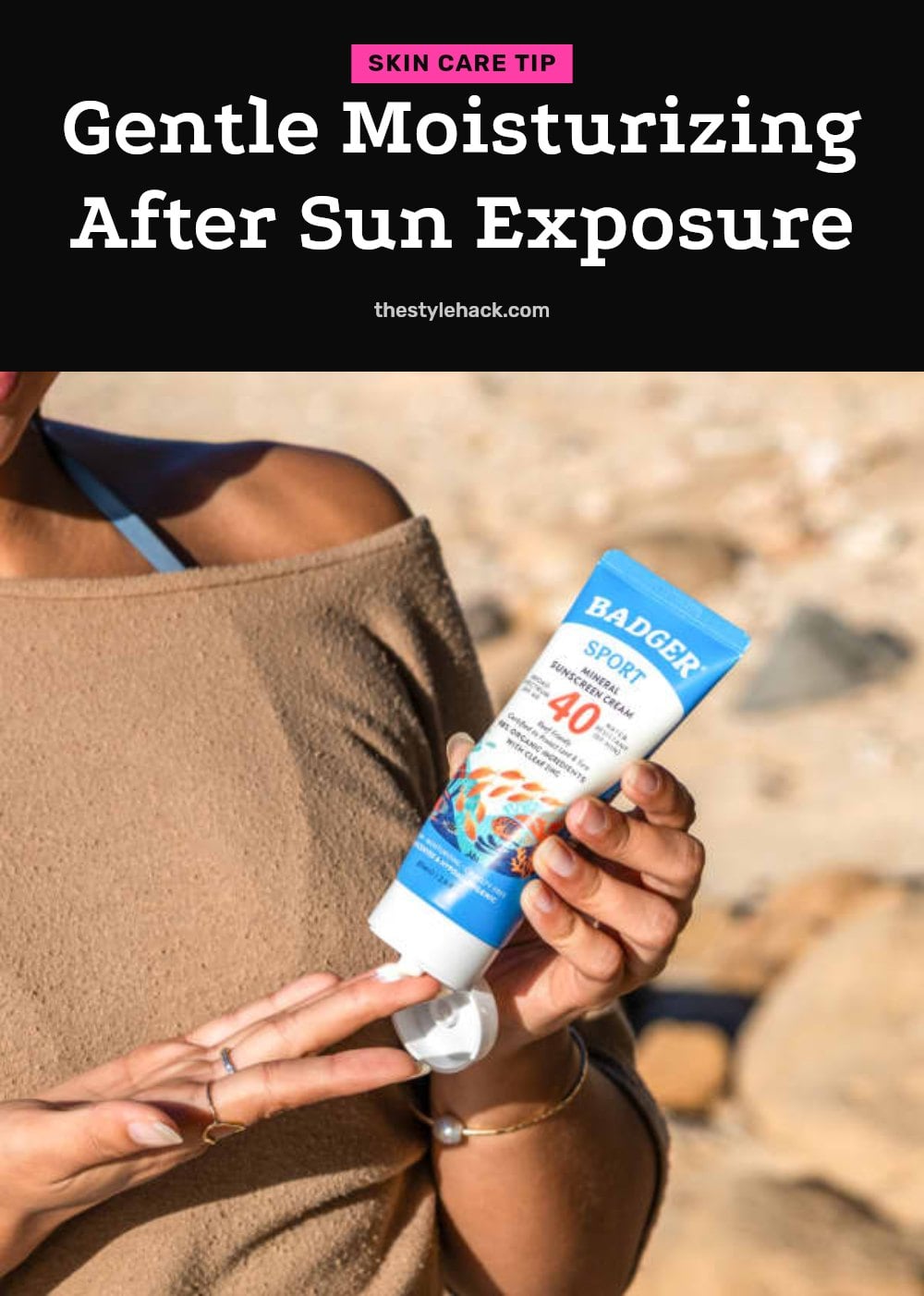
Sunburn dehydrates your skin, so applying a gentle, fragrance-free moisturizer is crucial for restoring the skin barrier. Look for ingredients like hyaluronic acid or ceramides, which replenish moisture and support healing.
Tip: Apply moisturizer to damp skin right after a cool shower. This locks in extra hydration and helps your skin recover faster.
05. 4. Stay Hydrated Internally
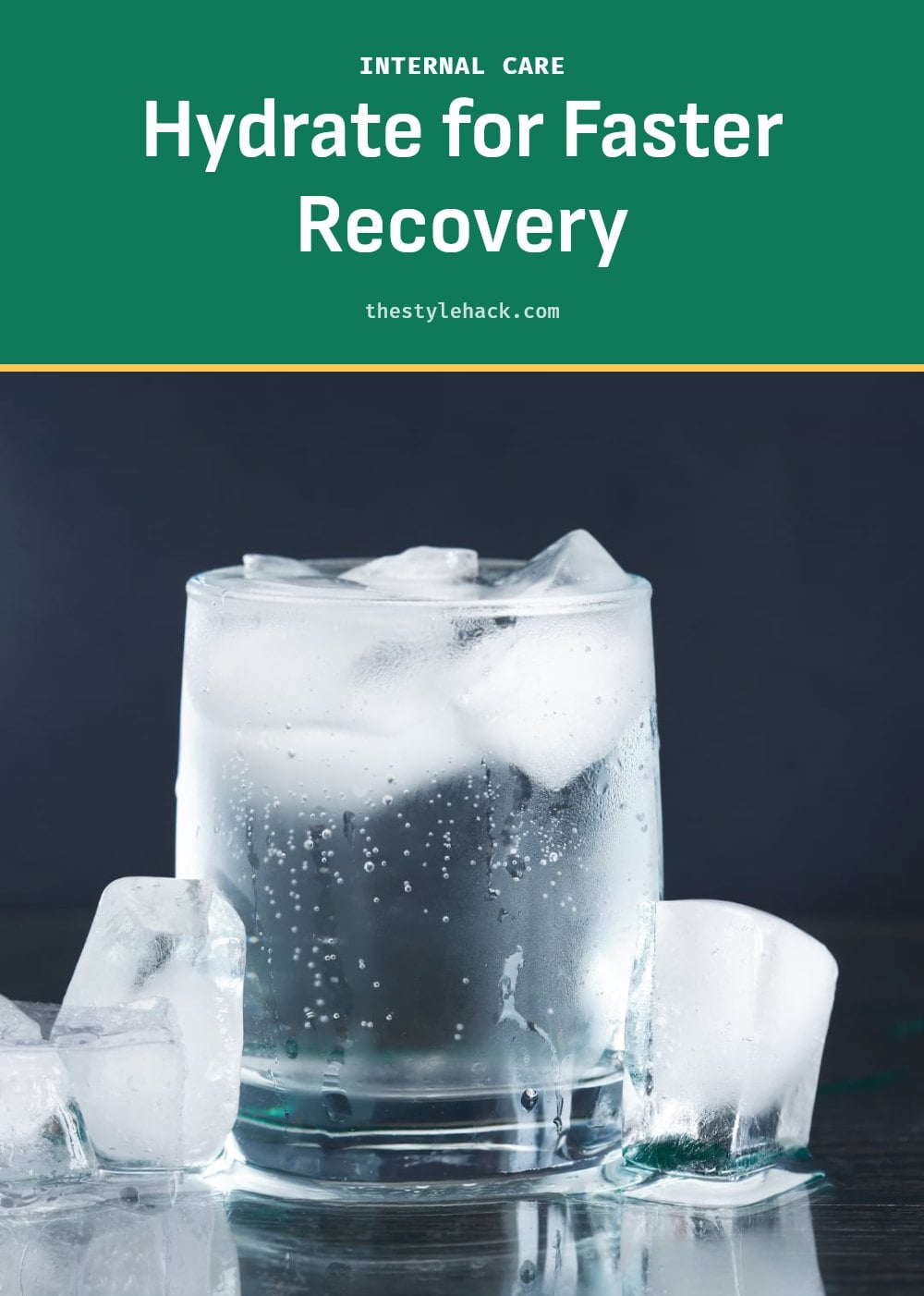
Drinking plenty of water is just as important as any external remedy. Sunburn draws fluid to your skin’s surface and away from the rest of your body, which can leave you dehydrated.
Keeping your body well-hydrated supports overall healing and helps your skin recover from the inside out. My tip: carry a water bottle with you and sip throughout the day, even if you don’t feel thirsty. Your urine color is a simple check, pale yellow means you’re on track.
06. 5. Wear Loose, Soft Clothing
Tight or rough clothing can rub against sunburned skin, causing further irritation and pain. Choose loose-fitting garments made from soft, breathable fabrics like cotton to minimize friction and let your skin breathe.
My tip: pick light colors that reflect sunlight, which can help keep you cooler if you must be outdoors. Avoid wool, denim, or anything with a scratchy seam until the burn heals.
07. 6. Try Cool Compresses
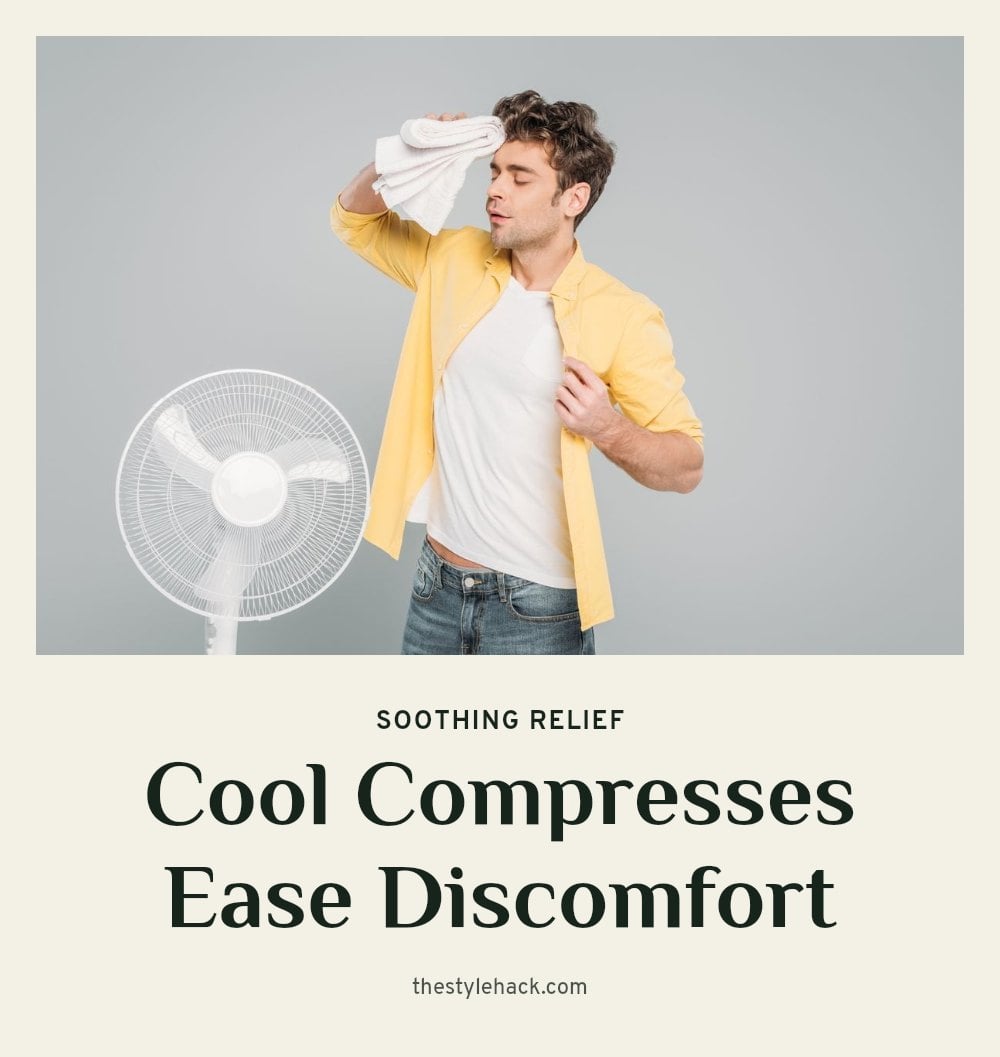
For localized sunburns, a cool compress provides targeted relief and reduces inflammation. Soak a soft cloth in cool water, not ice water, and gently apply it to the affected area for 10 to 15 minutes at a time.
My tip: try a compress soaked in witch hazel for its anti-inflammatory properties, but test a small area first. Avoid ice directly on the skin, as it can cause further damage.
08. 7. Consider Over-the-Counter Pain Relief
For discomfort and to help reduce inflammation, over-the-counter pain relievers like ibuprofen can be very effective. Always follow the dosage instructions on the package and consult a healthcare professional if you have any concerns.
My tip: taking an anti-inflammatory medication early can sometimes help manage the peak symptoms of sunburn, which usually hit 12 to 24 hours after exposure.
09. 8. Don’t Pick or Pop Blisters
Resist the urge to pick at peeling skin or pop blisters. Doing so can introduce bacteria, leading to infection and permanent scarring. Blisters are your body’s natural protective layer over the healing skin beneath, so let them be.
Good to know: If a blister breaks on its own, gently clean the area with mild soap and water, then cover it with a loose bandage to keep it clean and prevent infection. Avoid ointments on fresh breaks unless a doctor recommends them.
10. 9. Protect Healing Skin from Sun
While your sunburn heals, your skin is extra vulnerable to further UV damage. Avoid direct sun exposure on the affected areas completely. When you must go outside, wear protective clothing, seek shade, and apply broad-spectrum sunscreen with SPF 30 or higher to any exposed skin.
Tip: Even on cloudy days, UV rays penetrate through the clouds, so keep protecting the area daily until it has fully recovered, which can take a week or more.
11. When to See a Doctor for Sunburn
Most sunburns resolve at home, but certain symptoms require prompt medical attention. Seek immediate care if you have severe blistering over a large area of your body, fever, chills, severe pain, headache, confusion, or signs of infection such as pus, increasing redness, or swelling.
Always consult a doctor for sunburns on infants and young children. Their skin is thinner and more susceptible to complications, so professional guidance is the safest course.
12. Frequently Asked Questions
13. How long does sunburn pain last?
Sunburn pain typically peaks 12 to 24 hours after exposure and then gradually subsides over the next few days. Most people find that redness and discomfort start to ease within 3 to 5 days, though peeling may continue for a week or more. Using cool compresses and moisturizers can help manage the pain during this time.
14. Can I put ice directly on a sunburn?
No, you should never apply ice directly to sunburned skin. Ice can cause further damage to already sensitive tissue and may increase irritation. Instead, use a cool compress or take a lukewarm bath. Soak a soft cloth in cool water and apply it gently for 10 to 15 minutes at a time.
15. Why is my sunburn peeling?
Peeling is a normal part of the healing process after a sunburn. The damaged skin cells are shedding to make way for new, healthy skin. It usually begins a few days after the burn and can last up to a week or more. Resist the urge to peel or scratch, as this can lead to infection and scarring.
16. When should I worry about a sunburn?
You should seek medical attention if you experience severe blistering over a large area, fever, chills, severe pain, headache, confusion, or signs of infection such as pus, increasing redness, or swelling. These symptoms may indicate a more serious burn or an infection that requires professional care.
17. Does yogurt help sunburn?
Plain yogurt without added sugars or flavors may provide a cooling sensation and potentially reduce inflammation due to its probiotics. However, evidence is limited, and it’s not a substitute for proven remedies like aloe vera. If you try it, apply a thin layer and rinse off gently with cool water if it feels uncomfortable.
18. Can I shower with a sunburn?
Yes, you can shower with a sunburn, but keep the water lukewarm and avoid harsh soaps or scrubbing. A gentle shower can help clean the skin and remove dead cells without causing further irritation. After showering, pat your skin dry and apply a moisturizer to damp skin to lock in hydration.
19. Final Thoughts
For most sunburns, a combination of cooling, moisturizing, and hydrating will help you feel better within a few days. Start with a cool bath or compress, then apply aloe vera or a gentle moisturizer, and drink plenty of water. Expect redness and pain to peak within the first 24 hours and gradually subside over 3 to 5 days, with peeling possibly lasting a week or more. If you notice severe symptoms like large blisters, fever, or confusion, don’t wait to see a doctor. Your skin will thank you for the extra care.
This article is for general informational purposes only and is not a substitute for professional medical advice. Sunburn can vary in severity, and home remedies may not be suitable for everyone. If you have a persistent or serious skin issue, or if you experience severe symptoms like blistering, fever, or confusion, consult a doctor or dermatologist.
More Blog ideas
- How to Heal Chapped Lips Overnight with Simple Steps
- Atomic Habits: 5 Lessons to Build Better Habits
- Hyaluronic Acid for Beginners
- How to Build a Gentle Skincare Routine for Sensitive Skin
- Beat Frizzy Hair: Easy Remedies for Smooth, Shiny Strands
- How to Increase Your Daily Drinking Water Intake
- Washing Hair Mistakes to Avoid and What to Do Instead
- Bleaching Hair Tips for Less Damage
- How to Make Your Body Mist Last Longer All Day
- How to Fix Your Skincare Routine
- Nervous System Regulation Tips
- Vagus Nerve Exercises for Stress Relief






