Treadmill Workout for Weight Loss: 20-Minute Interval Plan
Discover an effective 20-minute treadmill interval workout designed for weight loss. Learn how to maximize calorie burn and improve fitness efficiently.

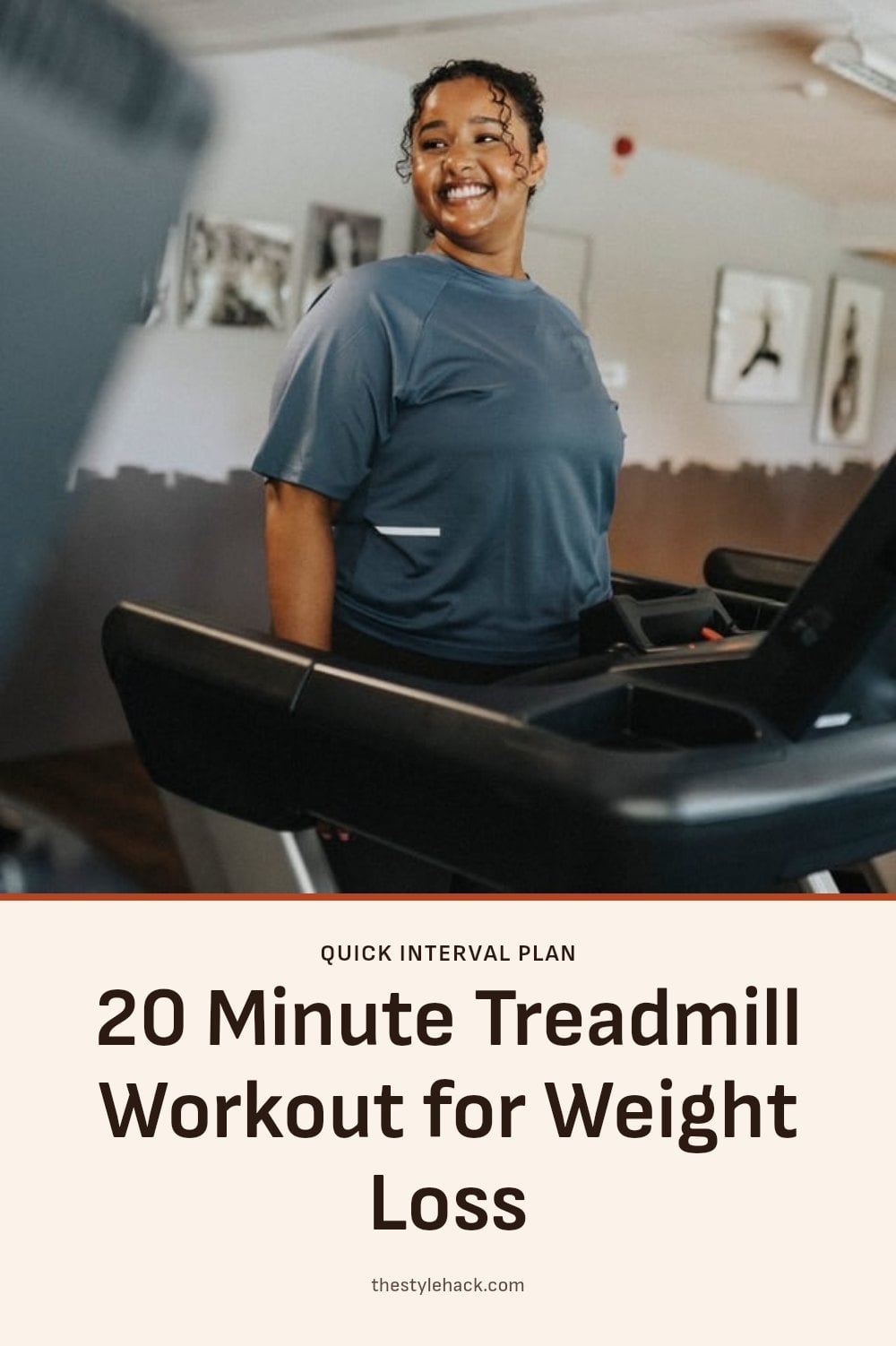
If you’re short on time but still want a treadmill workout that actually delivers on weight loss, a 20-minute interval plan is your answer. I’ve found that alternating between high-intensity bursts and recovery periods keeps my body guessing and burns more calories than a steady jog. This article breaks down a simple, repeatable routine you can do on any treadmill, plus tips on gear, safety, and how often to work out for real results.
Key Takeaways
- Interval training (HIIT) boosts calorie burn during and after your workout through the afterburn effect.
- Always start with a 5-minute warm-up at a moderate pace (RPE 3-4) to prevent injury.
- Complete three rounds of the four-interval sequence for a total of 18 minutes of interval work.
- Combine treadmill workouts with strength training and a balanced diet for the best weight loss results.
- Listen to your body and stop immediately if you feel sharp pain, dizziness, or chest discomfort.
1. Why a 20-Minute Treadmill Interval Workout is Effective for Weight Loss
Interval training, or HIIT, alternates short bursts of high-intensity effort with recovery periods. This structure boosts calorie burn during the workout and can increase your metabolic rate for hours afterward through the ‘afterburn effect’ (EPOC). A 20-minute interval plan is time-efficient, balancing challenge and recovery to maximize results for weight loss without requiring a long time commitment.
2. 1. Warm-Up Walk
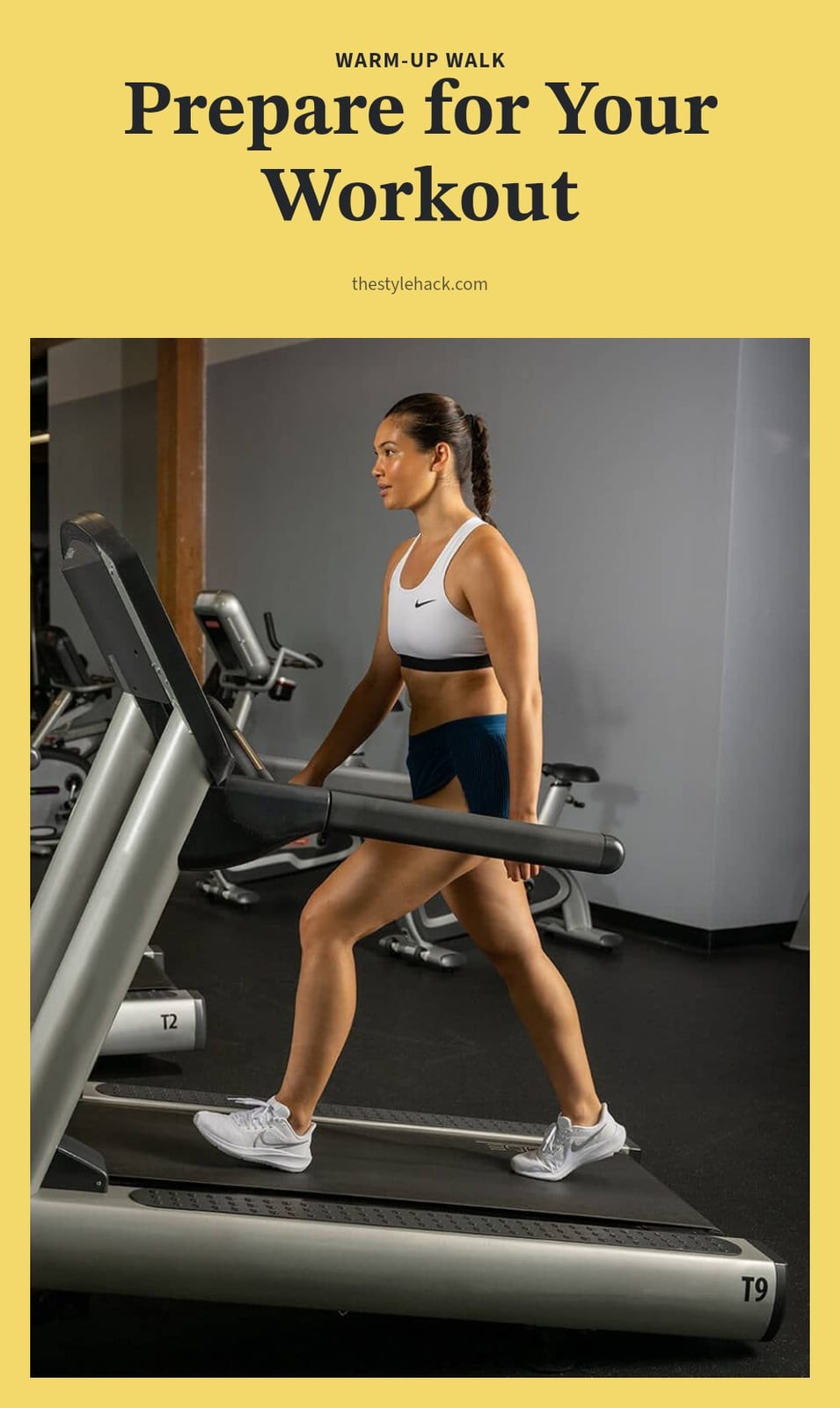
Start with a brisk walk to gradually increase your heart rate and blood flow to your muscles. Keep the pace moderate, at an RPE of 3-4, where you can hold a conversation easily. This 5-minute warm-up reduces injury risk and prepares your body for the higher intensity intervals ahead.
- Time: 5 minutes
- Form cue: Swing your arms naturally and stand tall, engaging your core lightly.
- Make it easier or harder: To warm up more gently, start at a slower speed and build up. To increase the challenge, add a slight incline (1-2%).
3. 2. High-Intensity Run (Interval 1)
Increase your speed to a challenging run that pushes your effort to an RPE of 7-8. At this intensity, you should be breathing hard and only able to speak in short sentences. Maintain this pace for 1 minute to maximize calorie burn and cardiovascular demand.
- Time: 1 minute
- Form cue: Keep your gaze forward, shoulders relaxed, and avoid gripping the handrails.
- Make it easier or harder: For a lower intensity, reduce speed slightly. To make it harder, increase the incline by 1-2% while maintaining the same speed.
4. 3. Recovery Walk (Interval 2)
Decrease your speed to a comfortable walking pace, aiming for an RPE of 3-4. This 2-minute recovery interval allows your heart rate to come down and your breathing to return to a conversational level. Focus on catching your breath and resetting for the next high-intensity effort.
- Time: 2 minutes
- Form cue: Walk naturally with your arms swinging, and avoid leaning on the handrails.
- Make it easier or harder: To recover more fully, walk at a slower speed. To keep the intensity slightly higher, maintain a brisk walking pace at the upper end of RPE 4.
5. 4. Incline Power Walk (Interval 3)
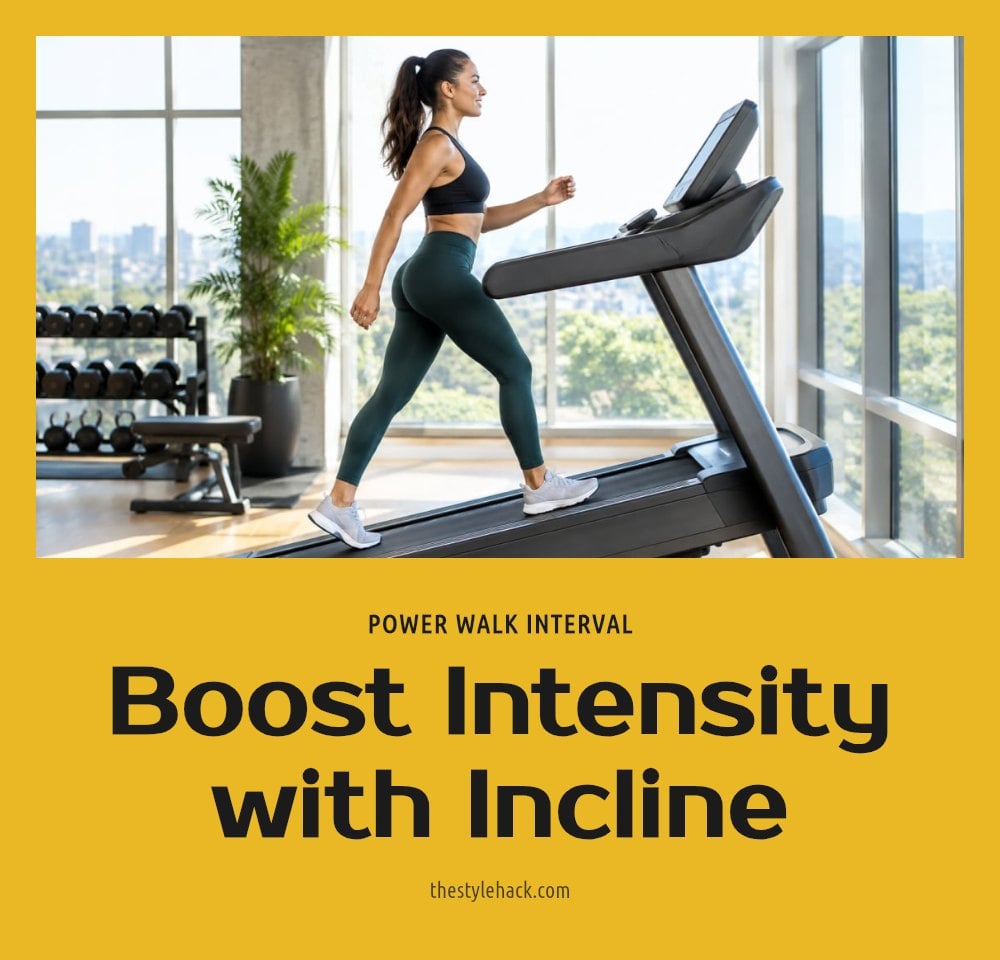
Raise the incline to a level that feels challenging, usually between 8% and 12%, while keeping your walking speed brisk. This targets your glutes, hamstrings, and calves without needing to run. You want an RPE of 6-7, where you feel the burn in your legs but can still manage a few words.
- Time: 1 minute
- Form cue: Take shorter, quicker steps and lean slightly forward from your ankles, not your waist
- Make it easier or harder: Lower the incline by 2-3% to reduce intensity, or increase it by 2% to challenge your glutes more
6. 5. Recovery Jog (Interval 4)
Reduce the incline back to flat or 1%, and slow to a light jog. This active recovery keeps your body moving while letting your heart rate drop. Aim for an RPE of 5-6, a pace where you can speak in full sentences without gasping.
- Time: 2 minutes
- Form cue: Land softly on your midfoot and keep your shoulders relaxed, not hunched
- Make it easier or harder: Walk instead of jog if you need more recovery, or increase speed by 0.3-0.5 mph for a more active recovery
7. 6. Repeat Intervals
Once you finish the Recovery Jog, start the interval cycle again from the High-Intensity Run. You will complete the entire four-interval sequence two more times, for a total of three rounds. This brings your interval work to 18 minutes, while the full workout, including warm-up and cool-down, is 28 minutes.
- Time: 18 minutes total (3 cycles x 6 minutes each)
- Form cue: Reset your posture at the start of each new cycle, stand tall and engage your core
- Make it easier or harder: Reduce to 2 cycles for a shorter workout, or add a fourth cycle for a longer challenge
8. 7. Cool-Down Walk
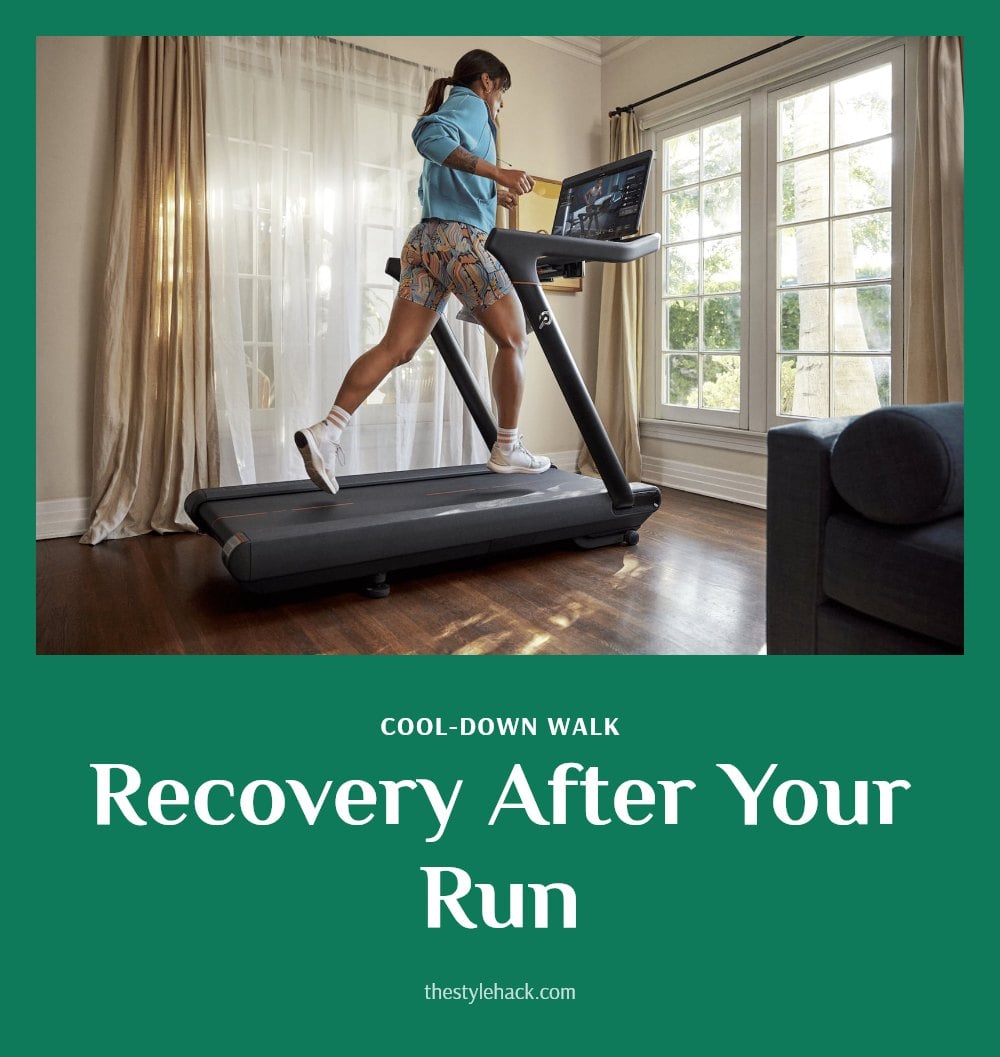
Slow your speed to a very gentle walk, around 2 mph or lower, and keep the incline at 0-1%. Let your breathing return to normal and focus on deep inhales and exhales. This gradual cooldown helps prevent blood from pooling in your legs and reduces muscle stiffness.
- Time: 5 minutes
- Form cue: Roll your shoulders back and down, and let your arms hang naturally at your sides
- Make it easier or harder: Add gentle hamstring or quad stretches in the last 2 minutes if you have space, or simply walk at a slower pace
9. Essential Gear for Your Treadmill Workout
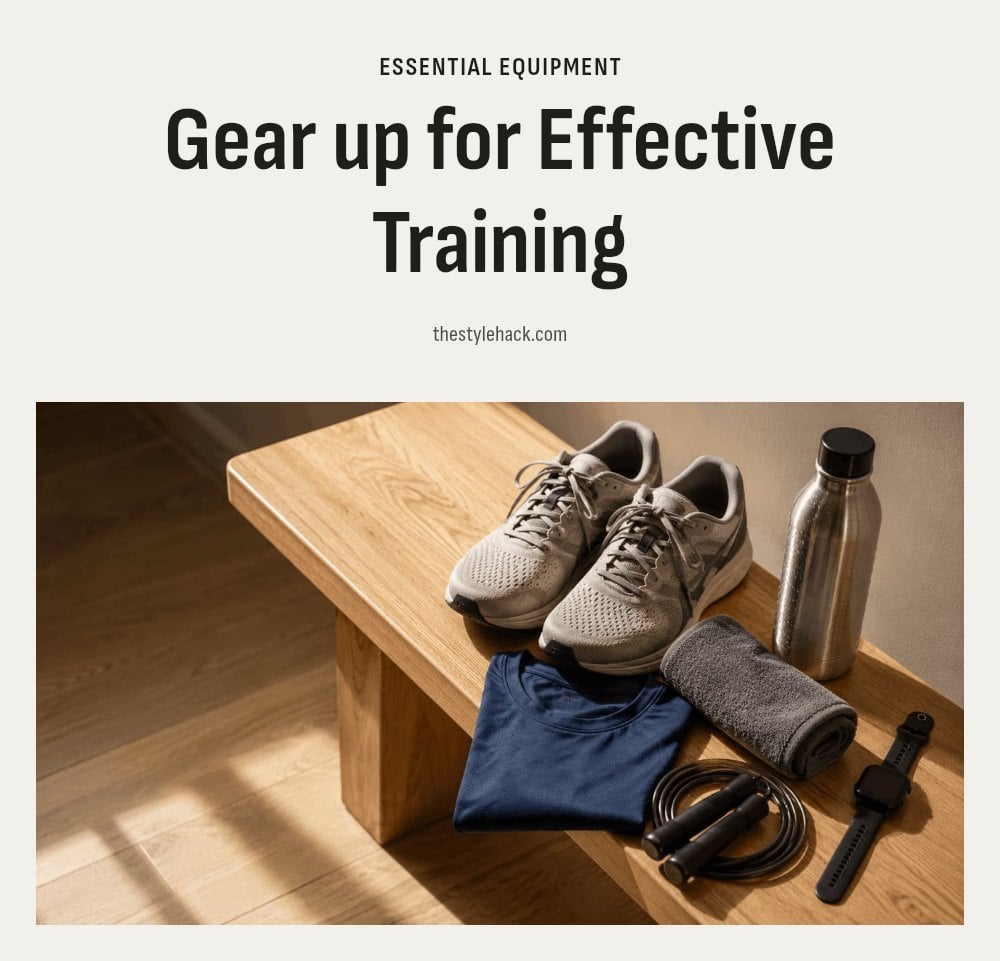
Treadmill: Any standard treadmill works for this workout. Key features are speed and incline controls. The safety clip must be attached to your clothing.
Athletic Shoes: Proper footwear is crucial for comfort and injury prevention. Choose shoes with good cushioning and support for running and walking.
Workout Clothing: Pick breathable fabrics that allow full range of motion. Avoid cotton if you sweat heavily, as it stays damp and can cause chafing.
Water Bottle: Staying hydrated is key before, during, and after exercise. Keep a bottle within reach so you can sip between intervals.
Towel (optional): Useful for wiping away sweat during your workout, especially during high-intensity intervals.
Fitness Tracker or Heart Rate Monitor (optional): Helps you gauge your intensity and track progress over time. Use the RPE scale if you don’t have one.
10. Weekly Treadmill Workout Schedule for Weight Loss
This plan is designed for consistent effort to see noticeable weight loss results over several weeks to a few months. Combine it with a balanced diet and strength training for best results. Remember to listen to your body and adjust intensity or take extra rest days as needed. This is a sample schedule; you can adjust it to fit the recommended 3-5 workouts per week.
| Day | Workout | Notes |
|---|---|---|
| Monday | 20-minute interval workout | Follow the sequence above |
| Tuesday | Rest or light stretching | Active recovery helps |
| Wednesday | 20-minute interval workout | Try increasing incline slightly |
| Thursday | Rest or strength training | Focus on core and legs |
| Friday | 20-minute interval workout | Maintain consistent effort |
| Saturday | 30-minute steady walk | Low intensity, RPE 3-4 |
| Sunday | Rest day | Hydrate and recover |
Consult a healthcare professional before starting any new exercise program, especially if you have underlying health conditions.
11. Frequently Asked Questions
12. How often should I do treadmill interval workouts for weight loss?
For weight loss, aim for 3-5 treadmill interval workouts per week, spaced out with rest days. This frequency, combined with a balanced diet and strength training, typically leads to noticeable results over several weeks to a few months. Listen to your body and take an extra rest day if you feel overly fatigued.
13. Can I do this workout if I’m a beginner?
Yes, but start with lower speeds and inclines, and focus on the recovery intervals. If you’re new to exercise, consider doing just one or two rounds of the interval cycle before building up to three. Always consult a doctor before starting a new exercise program, especially if you have health concerns.
14. What is the ‘afterburn effect’ and how does it help with weight loss?
The afterburn effect, or EPOC, means your body continues to burn calories at a higher rate for hours after a high-intensity workout. This happens because your body works to restore oxygen levels and repair muscle tissue. It’s one reason interval training can be so effective for weight loss.
15. Should I eat before or after my treadmill workout?
It’s generally fine to eat a light snack, like a banana or a small handful of nuts, about 30-60 minutes before your workout for energy. After your workout, eat a balanced meal with protein and carbs to aid recovery. Stay hydrated by drinking water before, during, and after exercise.
16. How can I make this 20-minute workout more challenging?
As you get fitter, you can increase the speed during the high-intensity runs or raise the incline during the power walks. You can also shorten the recovery intervals or add an extra round of the interval cycle. Just increase intensity or duration gradually to avoid injury.
17. Final Thoughts
For noticeable weight loss, aim to do this treadmill workout 3-5 times per week, and pair it with a healthy diet and strength training. Results typically become visible over several weeks to a few months, so consistency is key. My tip: stick with the plan, adjust intensity as you get fitter, and don’t skip the warm-up or cool-down.
This information is for general fitness purposes only and is not a substitute for professional medical advice. Consult a doctor before starting any new exercise program, especially if you have pre-existing health conditions. Stop immediately if you experience pain, dizziness, or shortness of breath.
More Blog ideas
- How to Heal Chapped Lips Overnight with Simple Steps
- Atomic Habits: 5 Lessons to Build Better Habits
- Hyaluronic Acid for Beginners
- How to Build a Gentle Skincare Routine for Sensitive Skin
- Beat Frizzy Hair: Easy Remedies for Smooth, Shiny Strands
- How to Increase Your Daily Drinking Water Intake
- Washing Hair Mistakes to Avoid and What to Do Instead
- Bleaching Hair Tips for Less Damage
- How to Make Your Body Mist Last Longer All Day
- How to Fix Your Skincare Routine
- Nervous System Regulation Tips
- Vagus Nerve Exercises for Stress Relief






