Types of Rest: How to Get the Rest Your Body Really Needs
Discover the seven types of rest beyond sleep and learn how to identify your deficiencies to genuinely recharge your body and mind.

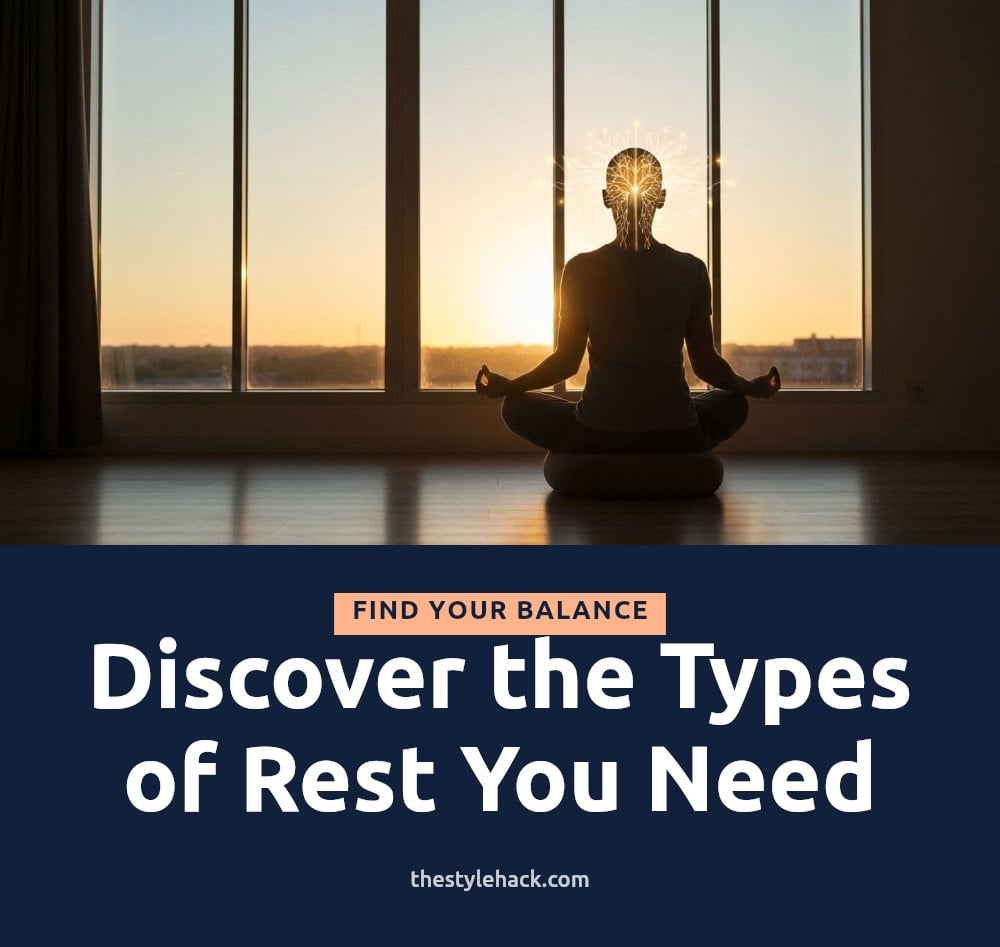
Have you ever slept eight hours and still woken up exhausted? You’re not alone. The problem isn’t that you need more sleep, it’s that you need the right kind of rest. This article breaks down the seven types of rest your body and mind truly need, how to spot which ones you’re missing, and simple ways to start recharging today.
Key Takeaways
- There are seven types of rest: physical, mental, emotional, social, sensory, creative, and spiritual.
- Chronic fatigue often comes from a deficit in one or more types of rest, not just lack of sleep.
- Schedule short, device-free breaks throughout your day for mental and sensory rest.
- Set clear boundaries in relationships to protect your emotional and social energy.
- If fatigue persists despite rest strategies, consult a healthcare professional.
1. What Are the Seven Types of Rest?
Rest is more than just sleep. It encompasses seven distinct types: physical, mental, emotional, social, sensory, creative, and spiritual. Each type addresses a different aspect of fatigue. Understanding them allows for a targeted approach to feeling truly recharged. Identifying which types of rest you’re lacking is the first step to overcoming chronic tiredness and burnout.
2. Why We Need More Than Just Sleep to Feel Rested
Chronic fatigue often stems from deficits in various types of rest, not solely a lack of sleep. Burnout is a state of physical and emotional exhaustion, reduced accomplishment, and loss of personal identity, often linked to unmet rest needs. A common mistake is confusing passive relaxation, like watching TV, with true restorative rest. That distinction can prevent genuine rejuvenation.
3. Why Sleep Alone Isn’t Enough
- Burnout connection: Burnout involves more than tiredness; it includes reduced accomplishment and identity loss, often tied to rest deficits.
- Relaxation vs. rest: Scrolling social media may feel relaxing but doesn’t provide restorative rest for your mind or emotions.
- Targeted approach: Different types of fatigue require different types of rest. Sleep addresses physical rest but not emotional or creative rest.
4. 1. Physical Rest: Rejuvenating Your Body
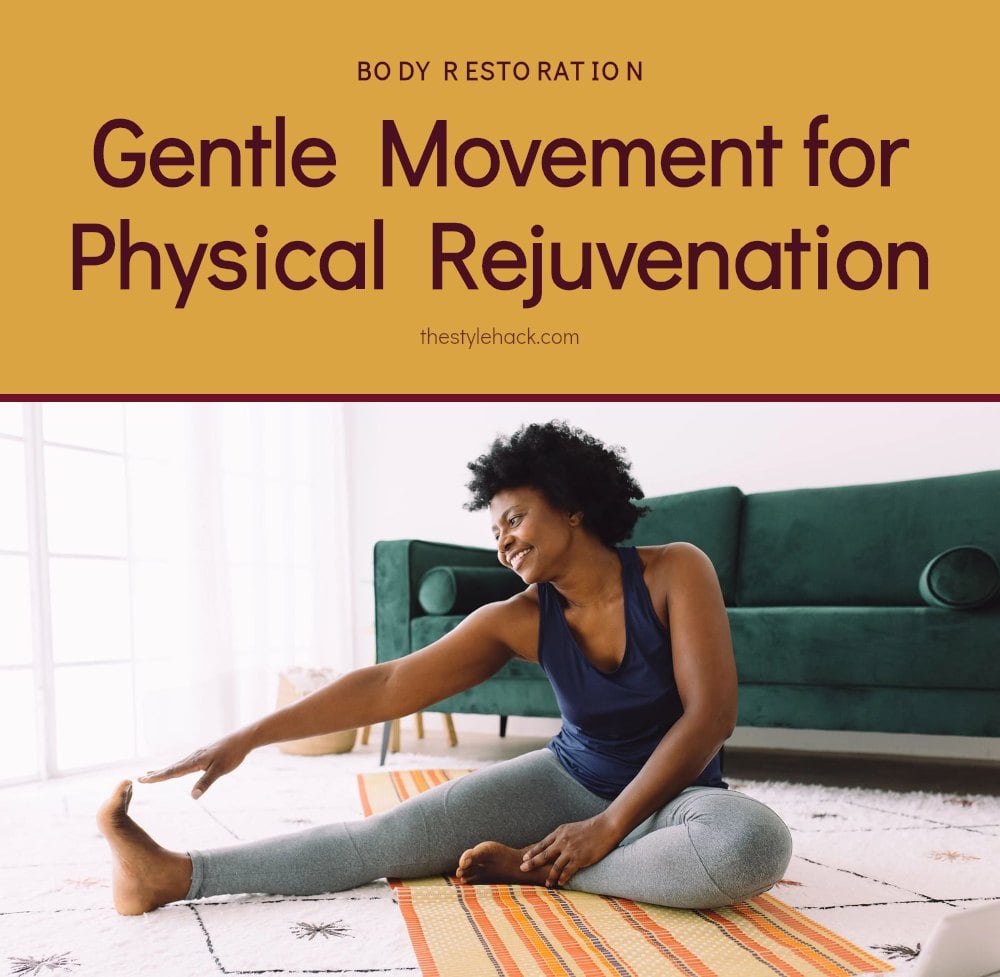
Physical rest includes both passive forms like sleep and active forms such as gentle yoga, stretching, or massage. Passive physical rest is crucial for cellular repair and hormone regulation. Active physical rest helps improve circulation and flexibility, easing muscle tension.
- Passive rest: Sleep and naps allow your body to repair and regulate hormones.
- Active rest: Gentle yoga, stretching, or a massage improve circulation and flexibility.
- My tip: If you feel physically drained but not sleepy, try 10 minutes of gentle stretching instead of lying down.
5. 2. Mental Rest: Quieting Your Busy Mind
Mental rest involves consciously quieting your thoughts, often through short breaks, meditation, or journaling. Regular short breaks throughout the day can be more effective for mental rest than waiting for a single long break. Journaling can help offload thoughts and reduce mental clutter.
- Short breaks: A 5-minute break every hour can reset your mental focus more effectively than one long break.
- Meditation: Even a few minutes of guided meditation can quiet racing thoughts.
- Journaling: Writing down worries or to-do lists clears mental clutter and reduces cognitive load.
6. 3. Emotional Rest: Processing Your Feelings Authentically
Emotional rest happens when you stop pretending everything is fine. I’ve found that the most draining thing isn’t the emotion itself. It’s the energy it takes to suppress it. Let yourself actually feel what you feel, whether that’s frustration, sadness, or anger. Tip: Practice saying no to requests that drain your emotional reserves. That small word protects your energy better than any nap can.
7. 4. Social Rest: Nurturing Uplifting Connections
Not all social time is restful. Some interactions leave you feeling lighter; others leave you exhausted. Social rest means recognizing the difference and choosing accordingly. My tip: After a coffee date or a phone call, check in with yourself. If you feel drained rather than energized, that connection may be costing you more than it gives. Protect your calendar from those interactions.
8. 5. Sensory Rest: Unplugging from Overstimulation
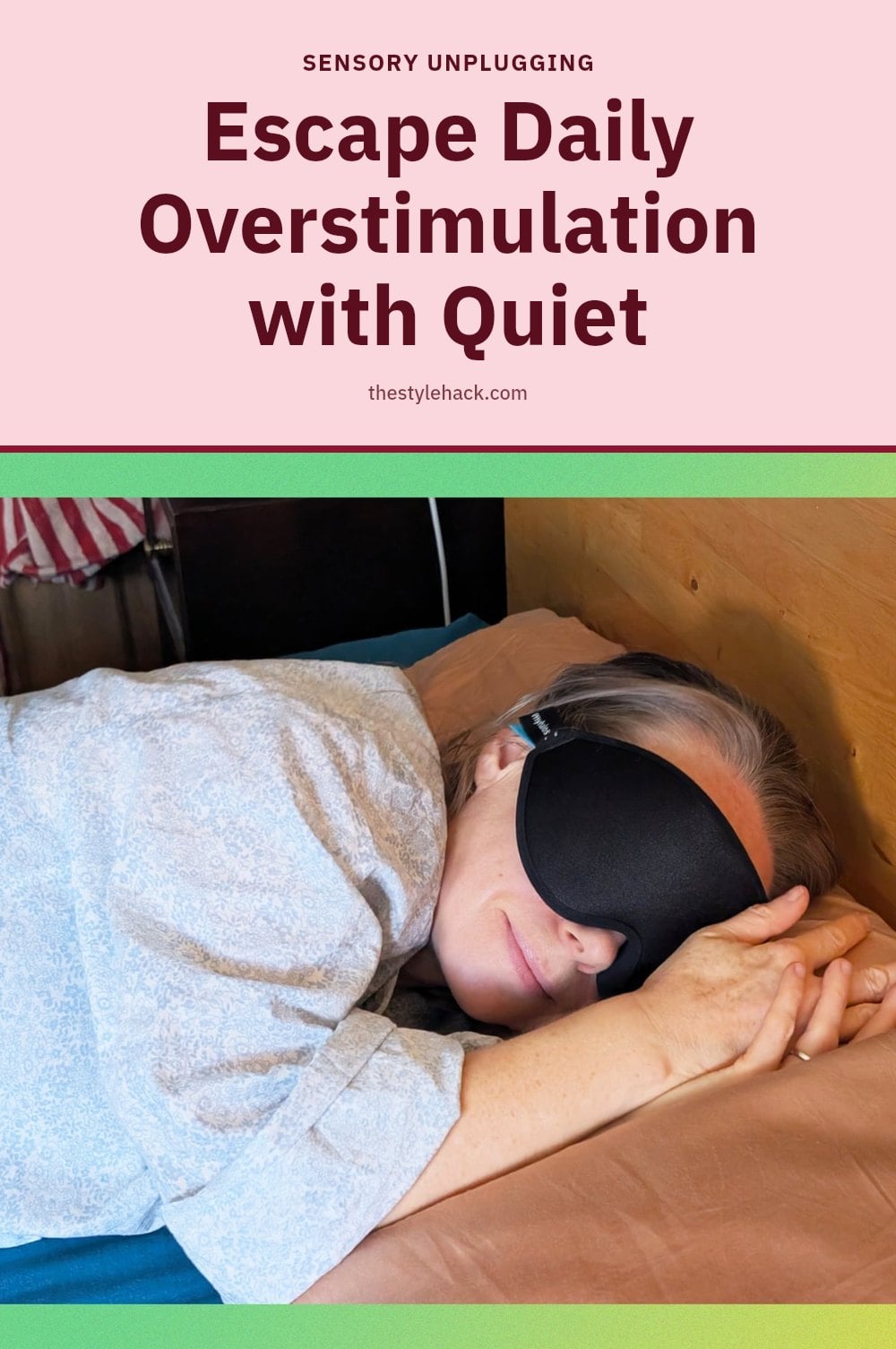
Sensory rest is about turning down the volume of the world. Bright lights, loud noises, notifications, and screens all bombard your nervous system. I usually start by putting my phone in another room for 30 minutes before bed. Caution: Even scrolling social media counts as sensory input. Real quiet means no screens, no music, no podcasts, just silence or soft ambient sound.
9. 6. Creative Rest: Embracing Beauty Without Pressure
Creative rest is not about making something. It’s about letting yourself soak in beauty without any pressure to produce. Look at a painting, listen to a piece of music you love, or walk through a garden without taking a photo. Tip: These activities may feel unproductive, but they refill your creative reserves. When you stop trying to create, creativity often returns on its own.
10. 7. Spiritual Rest: Connecting with Something Larger
Spiritual rest is about connecting with something larger than yourself. This could mean prayer, meditation, or simply spending time in nature. The goal is a sense of purpose, belonging, and inner peace. Time outdoors has been shown to reduce stress and improve mood, making it a practical way to support spiritual well-being. You don’t need a formal practice; even a quiet walk can help you feel more grounded.
11. Common Rest Mistakes to Avoid
Believing more sleep is the only solution: Many types of fatigue aren’t solved by sleep alone. Identify your specific rest deficits instead. Confusing relaxation with true rest: Watching TV or scrolling social media might feel relaxing, but they often don’t provide restorative rest. Your brain is still processing. Ignoring emotional and social boundaries: Constantly saying yes to others’ demands will lead to burnout. Prioritize your own needs. Being constantly ‘on’ digitally: Prevent sensory and mental rest by unplugging from devices and creating quiet time. Feeling guilty about taking time for yourself: Rest is productive and essential for your well-being, not a luxury or a sign of weakness.
12. Practical Tips for Integrating More Rest into Your Day
Identify your biggest rest deficits: Reflect on which types of rest you feel most deprived of and start there. Schedule intentional breaks: Even 5-10 minutes of quiet, device-free time can significantly boost mental and sensory rest. Practice setting boundaries: Start with small ‘no’s’ to protect your emotional and social energy. Create a calming evening routine: Wind down with activities like reading, gentle stretching, or a warm bath to prepare for physical rest. Embrace unstructured time: Allow yourself moments of simply being, observing beauty, or engaging in playful activities without a goal.
13. When to Seek Professional Help for Persistent Fatigue
If chronic fatigue persists despite implementing various rest strategies, consult a healthcare professional to rule out underlying medical conditions such as thyroid issues, anemia, or sleep disorders. If feelings of burnout are severe or accompanied by symptoms of depression or anxiety, seek professional mental health support. A doctor can help identify medical causes for fatigue and guide you toward appropriate treatment.
14. Frequently Asked Questions
15. How do I know which type of rest I need most?
Reflect on what drains you most. If your mind races at night, you likely need mental rest. If you feel irritable after socializing, social rest might be the deficit. Journaling about your energy levels after different activities can help pinpoint the type you’re missing.
16. Can I combine different types of rest?
Absolutely. A walk in nature can provide physical, sensory, and spiritual rest all at once. Listening to calming music while stretching combines sensory and physical rest. Combining types can be an efficient way to recharge when you’re short on time.
17. Is watching TV considered a form of rest?
Watching TV can feel relaxing, but it often doesn’t count as true restorative rest. Your brain is still processing sounds, images, and storylines, which can prevent mental and sensory rest. For deeper rest, try a screen-free activity like gentle stretching or quiet time outdoors.
18. How long does it take to feel the benefits of intentional rest?
Many people notice improvements in their energy and mood within days or weeks of consistent practice. However, the timeline varies based on how severe your rest deficit is. The key is to make rest a regular habit rather than a one-time fix.
19. What if I don’t have time for all seven types of rest?
You don’t need to do all seven every day. Focus on the one or two types you’re most deficient in. Even a five-minute break for mental rest or a short walk for sensory rest can make a meaningful difference. Small, consistent efforts add up.
20. Final Thoughts
Start by identifying which type of rest you feel most deprived of, and focus on just that one for a week. You might notice a shift in your energy within a few days. True rest isn’t a luxury, it’s a daily practice that keeps you from running on empty.
This article is for general informational purposes only and does not constitute medical or professional advice. If chronic fatigue persists despite rest strategies, or if you experience symptoms of depression or anxiety, please consult a healthcare or mental health professional.
More Blog ideas
- How to Heal Chapped Lips Overnight with Simple Steps
- Atomic Habits: 5 Lessons to Build Better Habits
- Hyaluronic Acid for Beginners
- How to Build a Gentle Skincare Routine for Sensitive Skin
- Beat Frizzy Hair: Easy Remedies for Smooth, Shiny Strands
- How to Increase Your Daily Drinking Water Intake
- Washing Hair Mistakes to Avoid and What to Do Instead
- Bleaching Hair Tips for Less Damage
- How to Make Your Body Mist Last Longer All Day
- How to Fix Your Skincare Routine
- Nervous System Regulation Tips
- Vagus Nerve Exercises for Stress Relief






