The Best Waist Workout for Women: Strengthen Your Core
Discover the best waist workout for women to strengthen your core, improve posture, and achieve a more defined silhouette. Learn effective exercises.

If you’re looking to strengthen your core and create a more defined waistline, you’ve come to the right place. The key isn’t about endless crunches or quick fixes; it’s about building a strong foundation that supports your body and improves your posture. This article breaks down the most effective waist workout for women, covering everything from the best exercises to the importance of diet and cardio for overall fat loss.
We’ll walk you through a step-by-step routine that targets all the core muscles, explain how to structure your weekly schedule, and share essential tips for seeing real results. You’ll learn why spot reduction isn’t possible and how a holistic approach is the only way to achieve a slimmer, stronger waist.
Key Takeaways
- Spot reduction is a myth; combine core work with cardio and a balanced diet for fat loss.
- Strengthen the transverse abdominis with planks and stomach vacuums for a natural corset effect.
- Include 2-3 waist workout sessions per week, with rest days in between.
- Focus on proper form over reps to prevent injury and maximize effectiveness.
- Expect noticeable changes in core strength within weeks, but fat loss takes longer.
1. What is the Best Waist Workout for Women?
A waist workout focuses on strengthening the core muscles, the rectus abdominis, obliques, and transverse abdominis, to improve posture and create a more defined silhouette. Spot reduction of fat is not possible, so a comprehensive approach combining targeted core exercises with overall fat loss through cardiovascular exercise and a balanced diet is essential for reducing waist circumference. The best approach involves a mix of exercises that engage these core muscles effectively, without over-developing obliques if a smaller appearance is the goal.
2. 1. Warm-Up: Cat-Cow Stretch
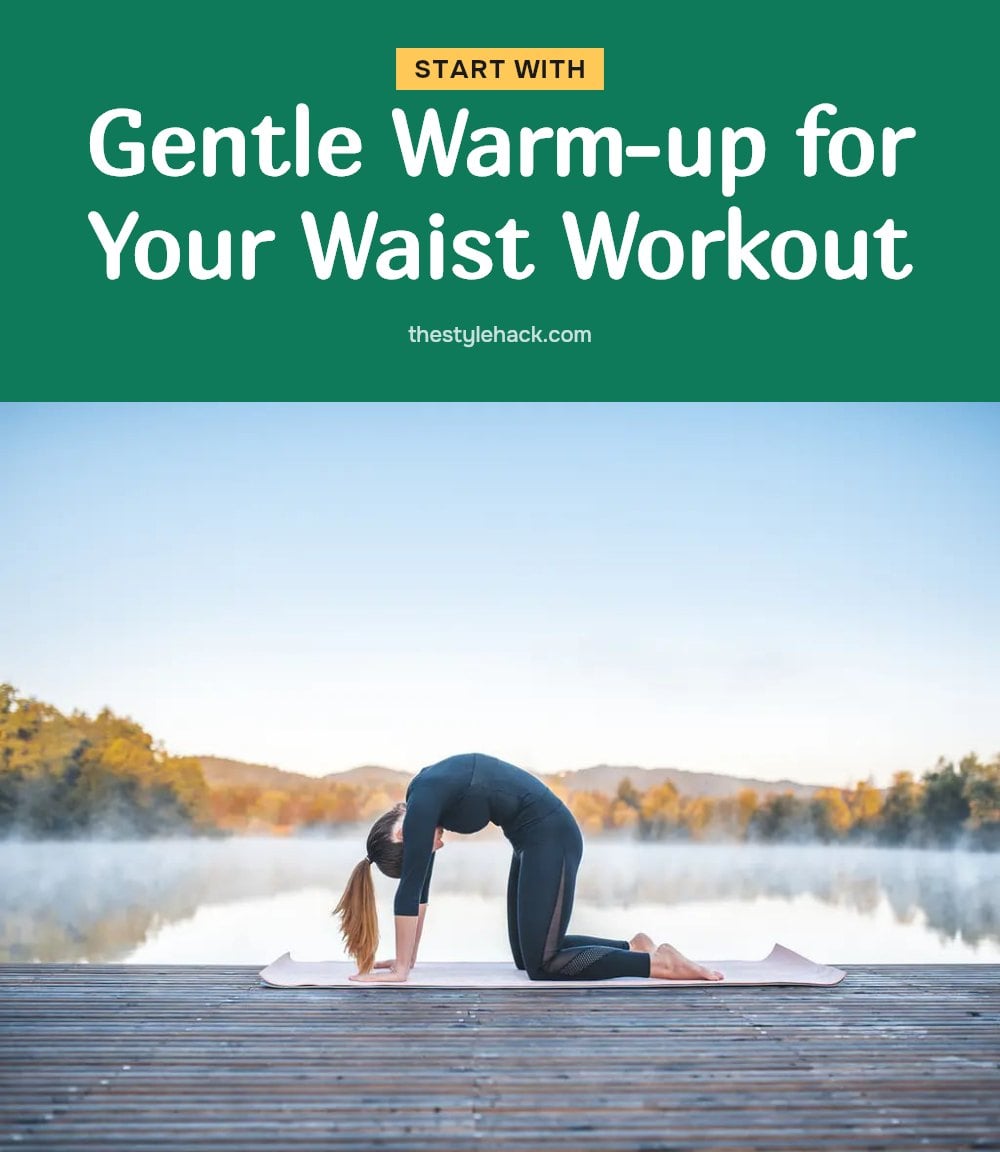
Start on all fours with your hands under your shoulders and knees under your hips. Inhale, drop your belly, and lift your chest and tailbone (Cow pose). Exhale, round your spine toward the ceiling, tucking your chin and tailbone (Cat pose). Flow smoothly between the two poses.
- Sets and reps: 10-12 slow repetitions.
- Form cue: Move with your breath, inhale for Cow, exhale for Cat.
- Make it easier or harder: Stay gentle; this is a warm-up, not a stretch.
3. 2. Plank
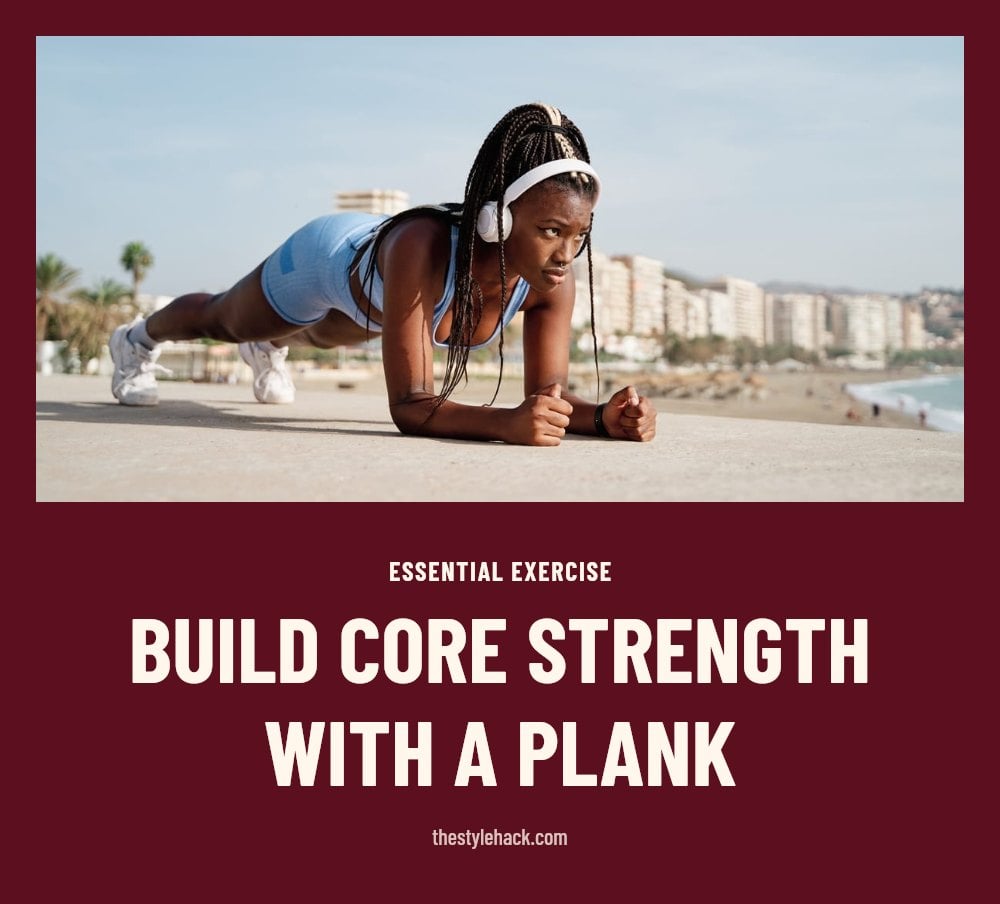
Start in a push-up position, then lower onto your forearms, keeping your body in a straight line from head to heels. Engage your core by pulling your belly button toward your spine, avoiding sagging hips or raising your glutes too high.
- Time: Hold for 30-60 seconds, maintaining proper form. Aim for 3 sets.
- Form cue: Squeeze your glutes and quads to help keep your body straight.
- Make it easier or harder: Drop to your knees for an easier version; lift one leg a few inches for a challenge.
4. 3. Side Plank
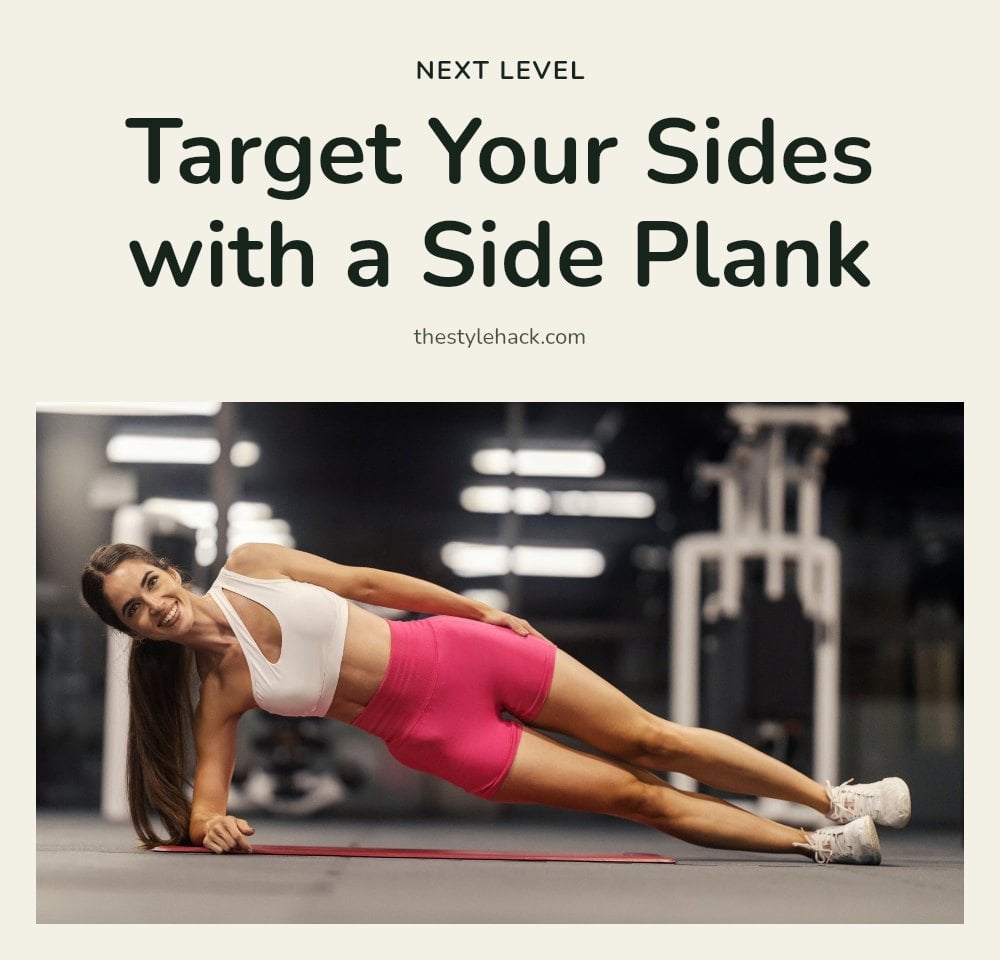
Lie on your side, propped up on one forearm with your elbow directly under your shoulder. Stack your feet or place one in front of the other. Lift your hips off the floor, forming a straight line from head to heels, and engage your obliques to stabilize.
- Time: Hold for 20-40 seconds per side, completing 2-3 sets on each side.
- Form cue: Keep your hips stacked and avoid letting them drop toward the floor.
- Make it easier or harder: Bend your bottom knee for support; lift your top leg for more difficulty.
5. 4. Russian Twists
Sit on the floor with your knees bent and feet flat, leaning back slightly to engage your core. Clasp your hands together or hold a light dumbbell. Twist your torso from side to side, tapping your hands to the floor beside your hips.
- Sets and reps: 15-20 twists per side (30-40 total) for 3 sets.
- Form cue: Keep your core tight and control the movement; avoid swinging your arms.
- Make it easier or harder: Keep your feet on the floor for less challenge, or lift them for more. Add a light dumbbell to increase resistance.
6. 5. Bicycle Crunches
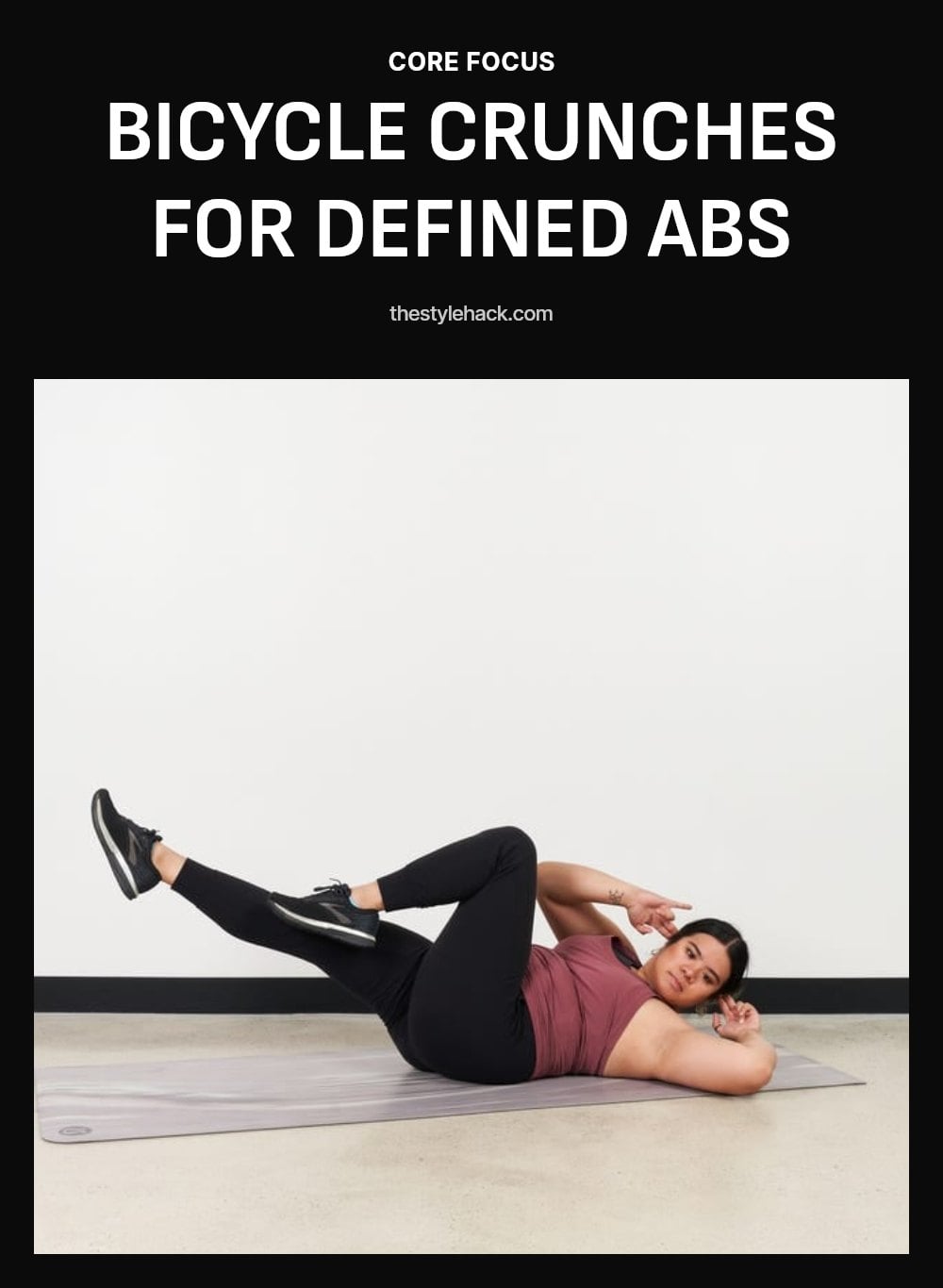
Lie on your back with your hands behind your head, elbows wide. Lift your shoulders and legs off the floor, knees bent. Bring your right elbow toward your left knee while extending your right leg straight, then alternate sides in a pedaling motion.
- Sets and reps: 15-20 repetitions per side (30-40 total) for 3 sets.
- Form cue: Move slowly and with control, touching elbow to knee; keep your lower back pressed into the floor.
- Make it easier or harder: Keep your feet on the floor for an easier version, or extend your legs fully for more challenge.
7. 6. Leg Raises
Lie on your back with your legs straight and together, hands under your glutes for lower back support if needed. Slowly lower your legs toward the floor without letting your lower back arch, stopping just before your feet touch the ground or when you feel your back arch. Raise your legs back up to a 90-degree angle.
- Sets and reps: 10-15 repetitions for 3 sets.
- Form cue: Keep your core engaged throughout and move with control, avoiding any arching of the lower back.
- Make it easier or harder: Bend your knees slightly for an easier version, or hold a light dumbbell between your feet for more challenge.
8. 7. Bird-Dog
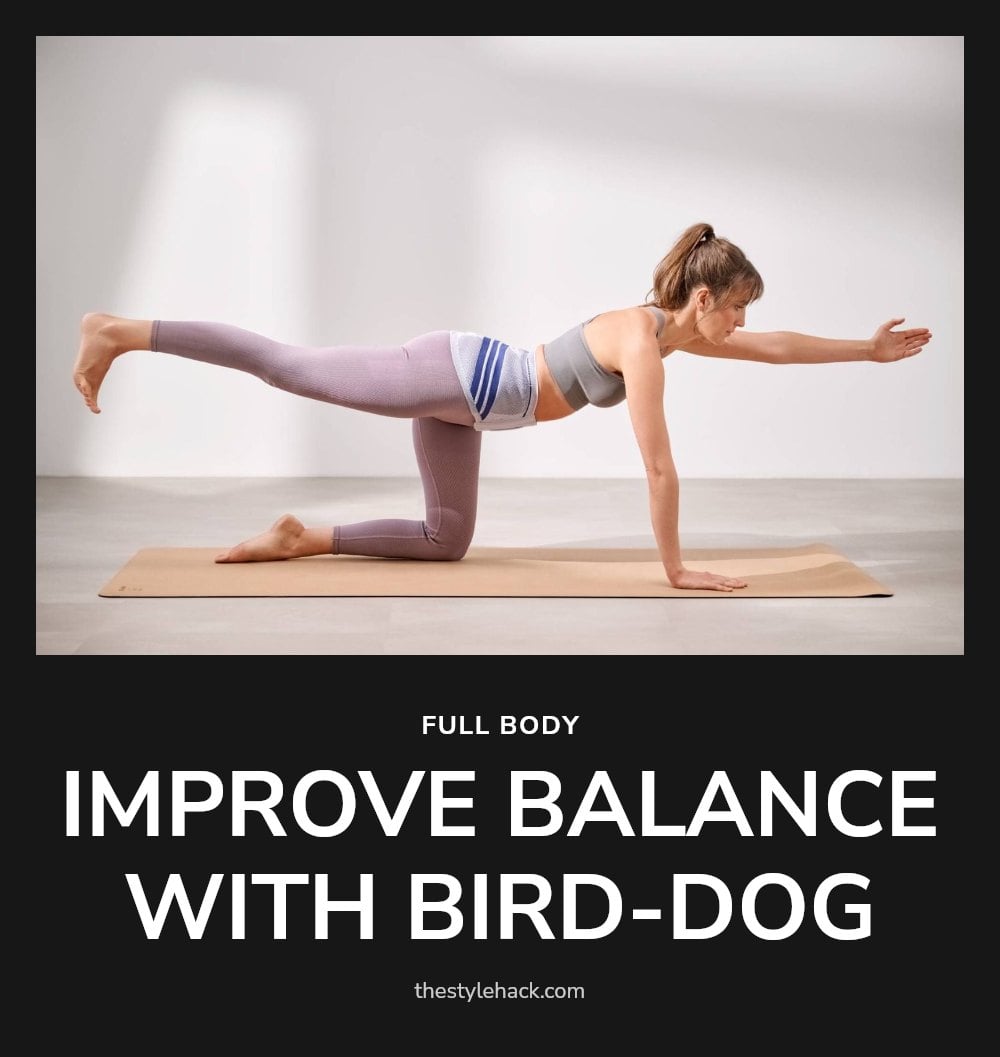
Start on all fours with your hands under your shoulders and knees under your hips, keeping your back flat and core engaged. Extend your right arm forward and your left leg straight back simultaneously, keeping your hips level. Hold for a moment, then return to the starting position and alternate sides.
- Sets and reps: 10-12 repetitions per side for 3 sets.
- Form cue: Keep your hips level and your core stable; avoid twisting or sagging.
- Make it easier or harder: Perform the movement without lifting your leg for an easier version, or add a small hold at the top for more challenge.
9. 8. Cool-Down: Cobra Stretch
Lie on your stomach with your hands under your shoulders. Gently press up, lifting your chest off the floor while keeping your hips down. Look straight ahead or slightly up to feel a gentle stretch in your abdomen and lower back.
- Time: Hold for 20-30 seconds, breathing deeply. Repeat 2-3 times.
- Form cue: Keep your hips pressed into the floor and your shoulders relaxed away from your ears.
- Make it easier or harder: For less intensity, lower your chest halfway. For more, straighten your arms fully.
This movement lengthens the abdominal muscles after working them, which can help with recovery and flexibility.
10. Essential Tools for Your Waist Workout
A yoga mat gives you cushioning and traction for floor moves like planks and leg raises, so your hands and feet won’t slide. Light dumbbells or resistance bands are optional, but they can add intensity to exercises like Russian twists if you want a bigger challenge. Wear comfortable workout clothing that lets you move freely, especially through your torso and hips. Keep a water bottle nearby and sip throughout the session, since hydration affects bloating and how your waist looks.
11. Weekly Waist Workout Schedule
This plan mixes core work with cardio and rest days so your waist gets both strength training and the fat-loss support it needs. Cardio helps reduce overall body fat, which is what actually shrinks waist circumference, while the core moves build the muscle underneath.
| Day | Focus | Example |
|---|---|---|
| Monday | Core | Waist workout above |
| Tuesday | Cardio | 30 min brisk walk or jog |
| Wednesday | Core | Waist workout above |
| Thursday | Rest | Light stretching or rest |
| Friday | Cardio | Swimming, cycling, or dance |
| Saturday | Core | Waist workout above |
| Sunday | Rest | Full recovery day |
Listen to your body and adjust intensity as needed. If a move hurts or you feel overly fatigued, take an extra rest day. Consistency matters more than how hard you push on any single day, so aim to show up regularly rather than going all out once a week.
12. Frequently Asked Questions
13. How often should I do waist workouts?
For best results, aim for 2 to 3 waist workout sessions per week, with at least one rest day between sessions. This allows your core muscles to recover and grow stronger. On other days, you can focus on cardio or full-body strength training, as the article’s weekly schedule shows.
14. Can I get a smaller waist without losing weight?
If you are at a healthy weight, you can still improve your waist’s appearance by strengthening your core. This can improve posture and create a more toned, defined look. However, if you have excess fat around your midsection, you will likely need to reduce overall body fat through diet and cardio to see a significant change in waist size.
15. What is the best exercise for a smaller waist?
There isn’t a single ‘best’ exercise, but a combination of moves that target all core muscles works well. The article recommends planks for the transverse abdominis, side planks for obliques, and bicycle crunches for overall core strength. Including these in a varied routine is more effective than doing just one exercise.
16. Do waist trainers actually work?
Waist trainers are not a substitute for exercise and diet. They may temporarily compress your waist and affect how you look while wearing them, but they don’t strengthen your core or reduce fat. The article advises against relying on them. For lasting results, focus on a comprehensive workout and nutrition plan.
17. How long until I see results from waist workouts?
You may notice improved core strength and posture within a few weeks of consistent training. However, visible changes in waist circumference from fat loss typically take several weeks to months, depending on your starting point and adherence to a calorie-controlled diet. Consistency is more important than intensity for long-term results.
18. Final Thoughts
My tip: stick to the weekly schedule in the article and be patient with your progress. Consistency is your best friend here. You will likely feel stronger and see better posture within a few weeks, but changes in waist circumference from fat loss can take a couple of months or more. Remember that your genetics play a big role in your shape, so focus on your own journey and celebrate the strength you’re building.
Keep up the good work, and your waist will thank you.
This article is for general information only and is not a substitute for professional medical or fitness advice. Always consult a healthcare professional before starting a new exercise program, especially if you have pre-existing health conditions. If you experience sharp pain during exercise, stop immediately and seek guidance from a qualified professional.
More Blog ideas
- How to Heal Chapped Lips Overnight with Simple Steps
- Atomic Habits: 5 Lessons to Build Better Habits
- Hyaluronic Acid for Beginners
- How to Build a Gentle Skincare Routine for Sensitive Skin
- Beat Frizzy Hair: Easy Remedies for Smooth, Shiny Strands
- How to Increase Your Daily Drinking Water Intake
- Washing Hair Mistakes to Avoid and What to Do Instead
- Bleaching Hair Tips for Less Damage
- How to Make Your Body Mist Last Longer All Day
- How to Fix Your Skincare Routine
- Nervous System Regulation Tips
- Vagus Nerve Exercises for Stress Relief






