Warm up Exercises to Prevent Injury: Your Essential Guide
Learn how to warm up effectively before any workout to prevent injuries and improve your exercise performance with dynamic stretches and light cardio.


You might be tempted to skip a warm-up when you are short on time, but taking 5 to 10 minutes to prepare your body can make a real difference in how you feel during and after your workout. A good warm-up gradually raises your heart rate, increases blood flow to your muscles, and improves flexibility, all of which help reduce the risk of strains and sprains. In this article, I will walk you through the essentials of an effective warm-up, including light cardio, dynamic stretches, and common mistakes to avoid.
Key Takeaways
- Warm up for 5 to 10 minutes before every workout to gradually raise heart rate and blood flow.
- Use dynamic stretches like leg swings and arm circles, not static holds.
- Keep warm-up intensity low to moderate so you can hold a conversation.
- Mimic the movements of your main workout to prepare specific muscles.
- Stop immediately if you feel sharp pain and consult a professional if pain persists.
1. Why Warming Up Is Key to Injury Prevention
A proper warm-up does more than just signal your body that it’s time to move. It gradually increases your heart rate and blood flow to your muscles, which delivers the oxygen and nutrients they need to perform. This process improves muscle elasticity and joint mobility, directly lowering your risk of strains and other injuries. The key is to use dynamic stretches during this 5-10 minute phase, these involve movement through a range of motion. Save static stretches, where you hold a position for an extended time, for your cool-down. My tip: think of your warm-up as a conversation with your body, not a test.
2. How a Warm-Up Prepares Your Body for Exercise
3. Physiological Preparation
When you start moving, your heart rate gradually rises, pumping more blood to your working muscles. That extra blood carries oxygen and nutrients your muscles need for energy, while also removing waste products. Your body temperature increases by a degree or two, which makes muscle fibers more pliable and less likely to tear under load.
4. Flexibility and Range of Motion
Dynamic stretches, movements like leg swings or torso twists, take your joints through their full range of motion. This improves muscle elasticity, meaning your tissues can stretch and contract more efficiently. The result is a lower chance of pulling a muscle or straining a joint when you start your main workout.
5. Mental Readiness
A warm-up also shifts your focus to the task ahead. Those first few minutes of light activity give you time to check in with your body, set your intention for the session, and mentally rehearse the movements you are about to perform. This mind-body connection can improve your form and help you avoid careless mistakes.
6. Essential Gear for Your Warm-Up Routine
You do not need much to warm up safely. Comfortable athletic clothing that lets you move freely is the main requirement, think leggings, shorts, or a t-shirt that does not restrict your arms or legs. Appropriate footwear matters too. Running shoes or cross-trainers provide support for your feet and joints during dynamic movements like lunges or light jogging. Finally, make sure you have an open space where you can swing your arms, twist your torso, and take a few walking steps without bumping into furniture or walls.
7. Step-by-Step: Your Effective Warm-Up Routine

- Start with light cardio: Spend 5-10 minutes doing brisk walking, a light jog, or cycling at low intensity. The goal is to raise your heart rate and body temperature gradually, not to exhaust yourself. You should be able to hold a conversation comfortably during this phase.
- Move into dynamic stretches: After your cardio, perform movements that take your joints through their full range of motion. Good options include leg swings, arm circles, torso twists, and walking lunges. My tip: focus on controlled, deliberate motions rather than speed. Never push to the point of pain.
- Mimic your main workout: Choose warm-up exercises that resemble what you will do next. If you are lifting weights, do bodyweight squats or light shoulder rotations. If you are running, add high knees or butt kicks. This prepares the specific muscle groups you are about to use.
- Listen to your body: Adjust the intensity as you go. If you feel sharp pain at any point, stop immediately. Sharp pain signals something is wrong, and pushing through it can lead to injury. Breathe deeply and consistently throughout each movement.
8. 1. Light Cardio: Getting Your Body Ready

Light cardio is your first step in any warm-up. Spend 5 to 10 minutes doing brisk walking, light jogging, or cycling at a low intensity. The goal is to gradually raise your heart rate and increase blood flow to your muscles without fatiguing them. You should be able to carry on a conversation comfortably during this phase. If you cannot talk without gasping, you are working too hard.
9. 2. Dynamic Stretches: Preparing Your Muscles and Joints
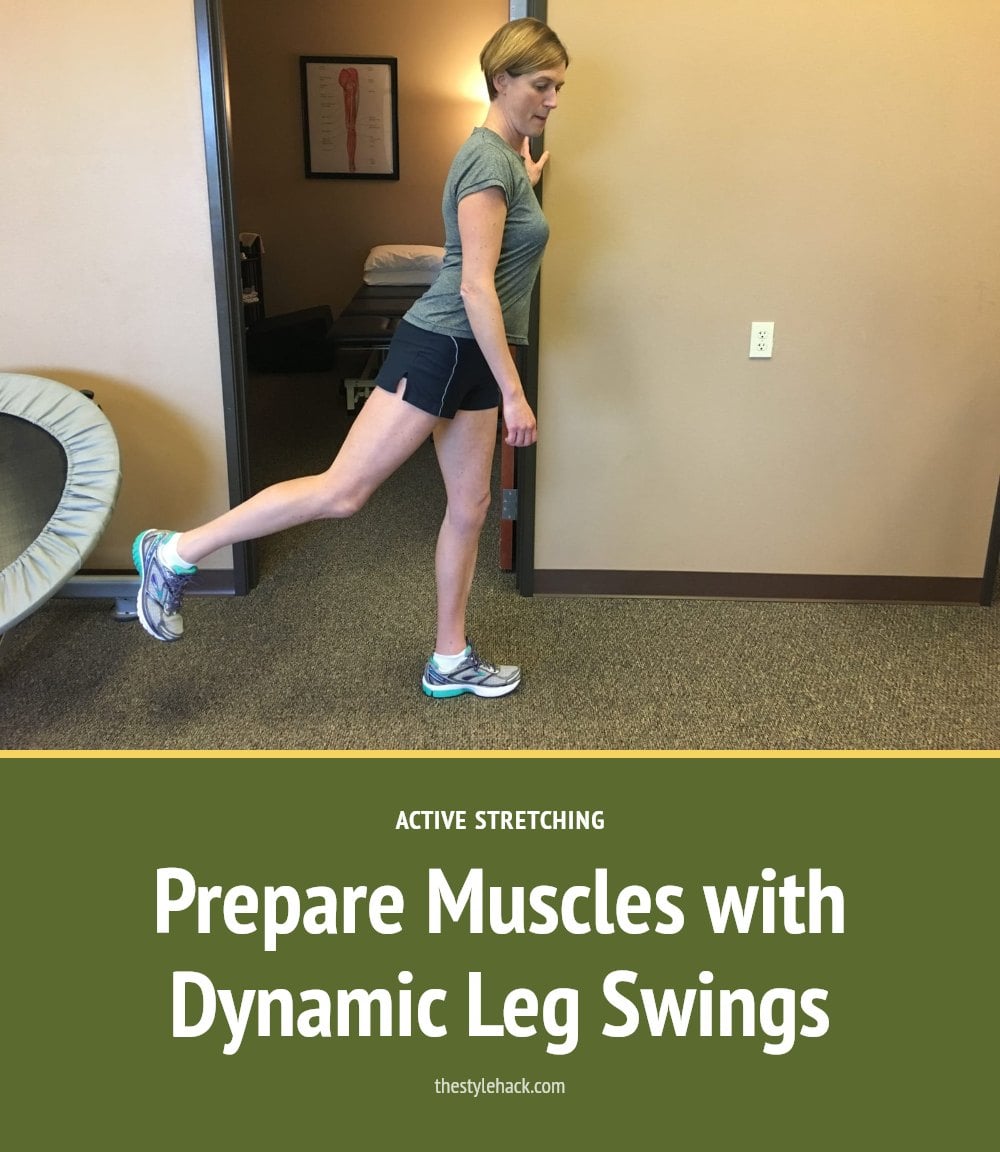
After light cardio, move into dynamic stretches. These involve moving your body through a range of motion rather than holding a single position. Good examples include leg swings, arm circles, torso twists, and walking lunges. Dynamic stretches improve joint mobility and muscle elasticity, which is crucial for preventing injuries. Tip: Focus on controlled movements rather than speed, and never push to the point of pain. A gentle pull is fine; sharp discomfort means stop.
10. Common Warm-Up Mistakes to Avoid
Skipping the Warm-Up Entirely: This is the biggest mistake. Even if you are short on time, a quick 5-minute warm-up is better than none.
Doing Static Stretches First: Holding stretches for extended periods is for your cool-down, not your warm-up. It can actually reduce muscle power before exercise.
Warming Up Too Intensely: Save your energy for the main workout. Your warm-up should be low to moderate intensity, allowing you to converse easily.
Not Tailoring Your Warm-Up: If you are lifting weights, your warm-up should include movements that mimic those lifts. If you are running, focus on leg-specific dynamic movements.
Ignoring Pain: If you feel sharp pain, stop immediately. Pushing through pain can lead to injury.
11. When to Consult a Professional About Your Exercise Routine
If you have a pre-existing heart condition, chronic pain, or any other medical concerns, consult your doctor before starting a new exercise routine. If you experience persistent or sharp pain during or after your warm-up or workout, seek medical advice. A physical therapist or certified personal trainer can provide personalized warm-up routines tailored to your specific needs and goals, especially if you are recovering from an injury.
12. Frequently Asked Questions
13. How long should I warm up for?
Most experts recommend a warm-up lasting 5 to 10 minutes. This is enough time to gradually increase your heart rate and blood flow to muscles without fatiguing them. If you are doing a more intense workout, you may want to lean toward the longer end of that range, but always keep the intensity low to moderate.
14. Can I just stretch instead of warming up?
Stretching alone is not the same as a full warm-up. Static stretching, where you hold a position, is better suited for a cool-down. For a warm-up, you need light aerobic activity to raise your heart rate and dynamic stretches that move your joints through their range of motion. A proper warm-up includes both elements.
15. What if I don’t have much time for a warm-up?
Even a short warm-up is better than none. If you are pressed for time, do 5 minutes of light cardio like brisk walking or jumping jacks, followed by a few dynamic stretches. This still helps prepare your body and reduces injury risk compared to skipping entirely. Just keep the intensity low so you do not tire yourself out.
16. Should I feel pain during a warm-up?
No, you should not feel sharp pain during a warm-up. A mild stretch or muscle tension is normal, but pain is a signal to stop. If you feel sharp pain, stop the movement and rest. If pain persists or is severe, talk to a doctor or physical therapist before continuing your routine.
17. Are warm-ups different for different types of workouts?
Yes, warm-ups should be tailored to your main workout. For example, if you are about to run, include light jogging and leg swings. For strength training, focus on dynamic stretches that target the muscles you will use. Mimicking the movements of your workout helps prepare the right muscles and joints, making your warm-up more effective.
18. Final Thoughts
Make a habit of warming up for 5 to 10 minutes before every workout, no matter how short on time you are. Start with light cardio like brisk walking or a gentle jog, then move into dynamic stretches that mirror the movements you are about to do. Expect your warm-up to feel easy and not tiring; the goal is to prepare, not exhaust. If you have any health concerns or experience sharp pain, check with a doctor or physical therapist before continuing. A consistent warm-up is a simple way to support your body and help prevent injuries.
This article is for general informational purposes only and is not a substitute for professional medical advice. Always consult your doctor or a qualified healthcare provider before starting a new exercise routine, especially if you have pre-existing health conditions or experience persistent pain. Stop exercising if you feel sharp pain and seek medical guidance.
More Blog ideas
- How to Heal Chapped Lips Overnight with Simple Steps
- Atomic Habits: 5 Lessons to Build Better Habits
- Hyaluronic Acid for Beginners
- How to Build a Gentle Skincare Routine for Sensitive Skin
- Beat Frizzy Hair: Easy Remedies for Smooth, Shiny Strands
- How to Increase Your Daily Drinking Water Intake
- Washing Hair Mistakes to Avoid and What to Do Instead
- Bleaching Hair Tips for Less Damage
- How to Make Your Body Mist Last Longer All Day
- How to Fix Your Skincare Routine
- Nervous System Regulation Tips
- Vagus Nerve Exercises for Stress Relief






