Weighted Vest Benefits for Women (and How to Choose One)
Discover the benefits of weighted vests for women, including strength and bone density. Learn how to choose the right vest and use it safely for your workouts.

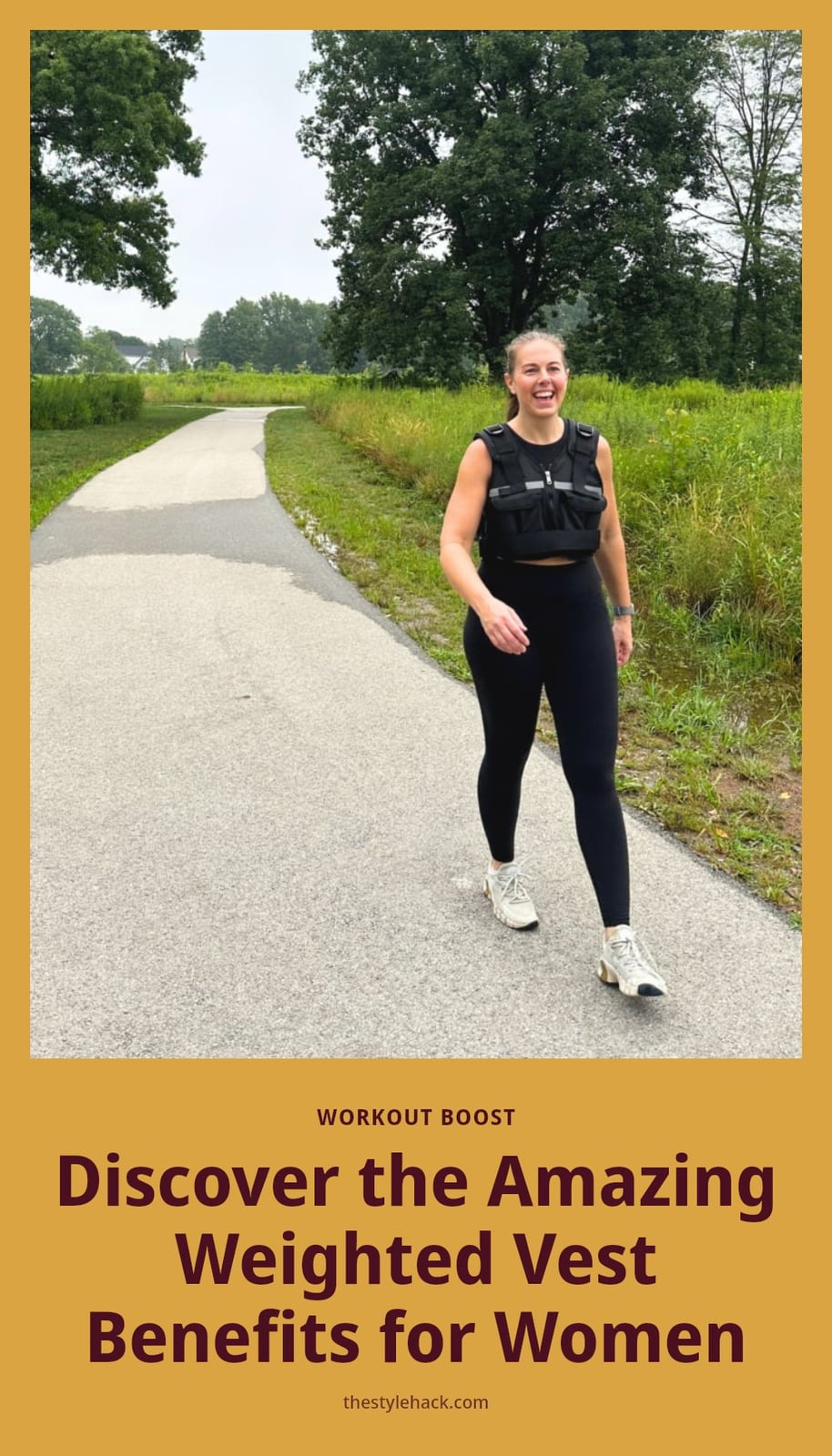
You’ve probably seen them at the gym or on your favorite fitness influencer, and you might be wondering if a weighted vest is worth adding to your routine. The short answer is yes, for many women, it can be a game-changer. Weighted vests add extra resistance to your bodyweight exercises and daily activities, making them more challenging and potentially boosting calorie burn, muscle engagement, and even bone density over time.
In this article, I’ll break down the benefits, how to choose the right one, and how to use it safely so you can decide if it’s the right tool for your fitness goals.
Key Takeaways
- Start with a vest that’s 5-10% of your body weight to avoid injury.
- Choose an adjustable vest so you can add weight gradually as you get stronger.
- Ensure the vest fits snugly but allows full range of motion without shifting.
- Use it for walking, bodyweight strength training, or plyometrics, not high-impact running.
- Consult a healthcare provider before use if you have back, joint, or heart issues.
1. Why a Weighted Vest Is a Game-Changer for Your Workouts
Weighted vests add external resistance to bodyweight exercises and daily activities, making them more challenging. That extra load can increase calorie burn, muscle engagement, and even bone density over time. They work for all fitness levels, from walking to strength training, but proper selection and gradual introduction are crucial to prevent injury.
2. How Weighted Vests Boost Strength, Endurance, and Bone Health
The basic idea is simple: a weighted vest adds load to your body, so every movement you make requires more effort. That extra load increases the intensity of bodyweight exercises like squats, push-ups, and lunges, and it does the same for cardiovascular activities like walking or hiking. Your muscles have to work harder to move the same way, which is what drives strength gains, especially in your lower body and core, the muscle groups that support your spine and hips.
The calorie math works in your favor too. Wearing a vest during a walk or run can increase calorie expenditure compared to the same activity without one, because your body burns more energy to carry the additional weight. The effect is modest but real, and it adds up over time.
For bone health, the mechanism is load-bearing stimulus. Weight-bearing activities already stress your bones in a way that encourages them to maintain or build density. Adding a vest increases that stress, which is why weighted vests are often recommended for improving bone mineral density, particularly in post-menopausal women, who face a higher risk of bone loss.
Good to know: The benefits for bone density come specifically from weight-bearing activities, so wearing a vest during swimming or cycling will not have the same effect.
3. Essential Features to Look for in a Weighted Vest
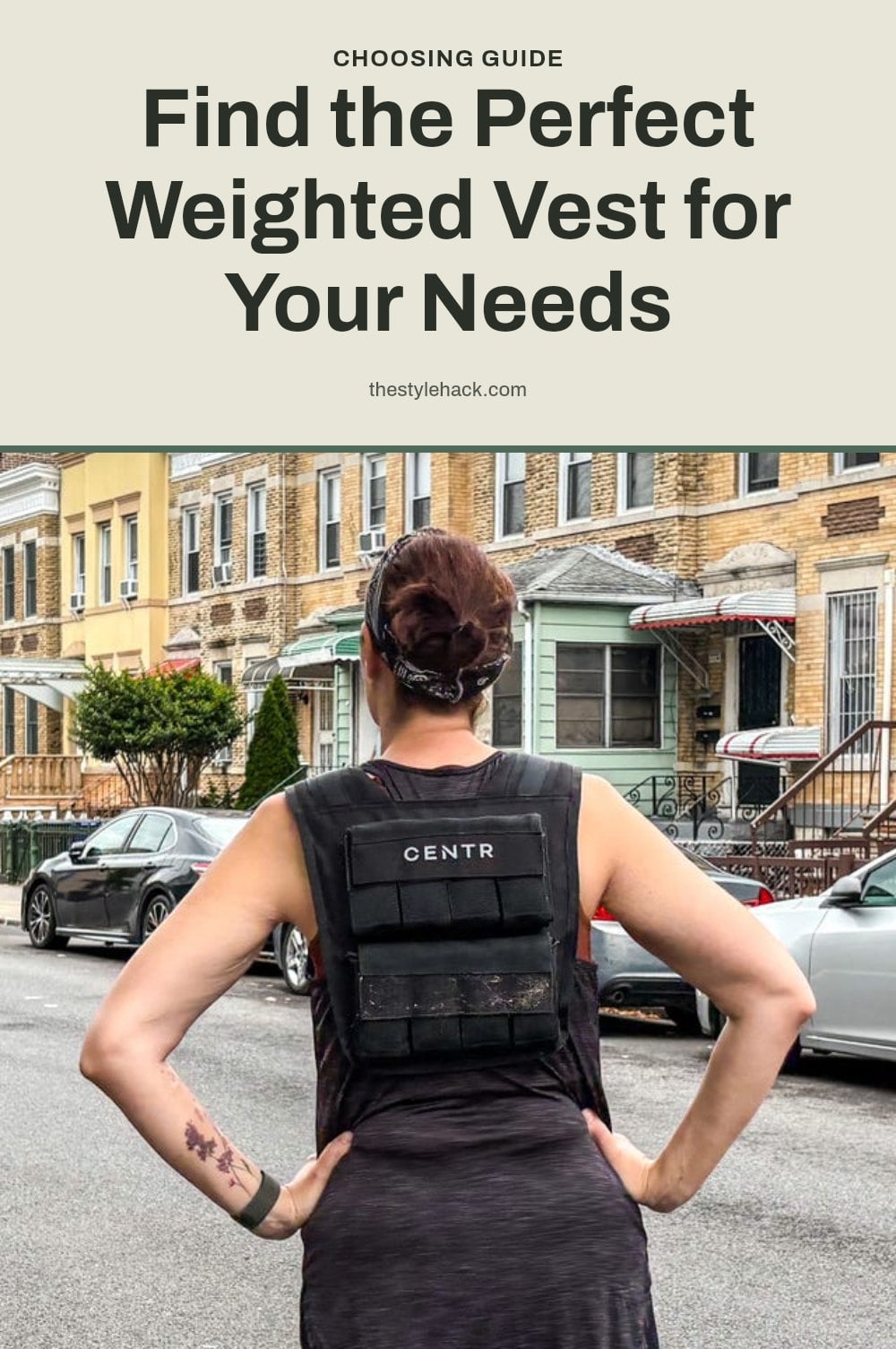
Weighted vests typically range from 2 to 60 pounds, with adjustable options that let you add or remove weight increments. Proper fit is crucial: the vest should be snug but not restrictive, allowing full range of motion without shifting excessively. Some vests are designed specifically for women, with a more contoured fit or different weight distribution to accommodate the female physique.
4. Your Step-by-Step Guide to Using a Weighted Vest Safely
- Choose your starting weight: Begin with a vest that equals 5-10% of your body weight. For a 150-pound person, that means 7.5 to 15 pounds. Light is always safer; you can add weight later.
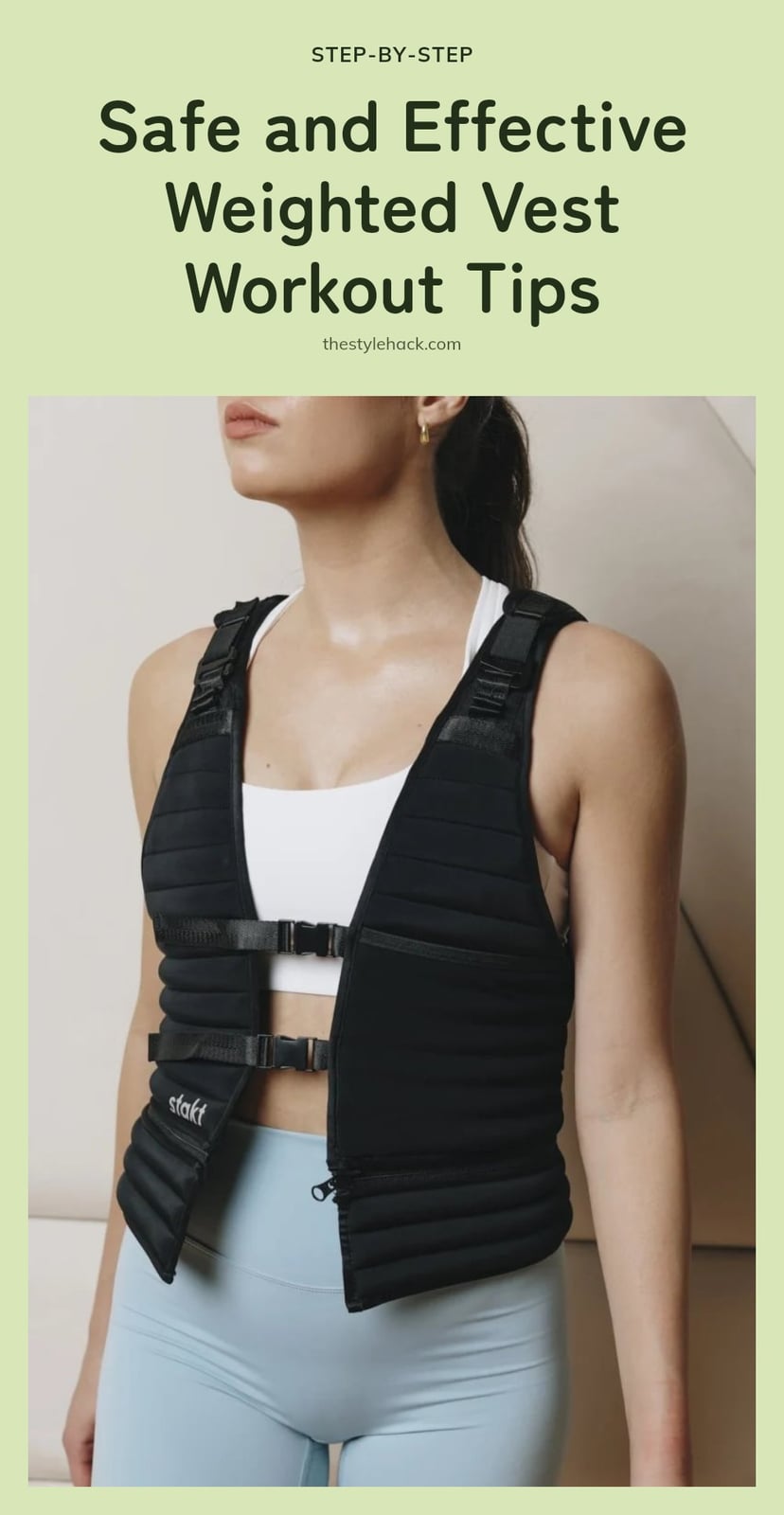
- Adjust the fit: Buckle or zip the vest so it sits snugly against your torso. It should not shift, bounce, or rub when you move. You should be able to take a full breath and raise your arms overhead without restriction.
- Start with familiar activities: Wear the vest during a walk, a set of bodyweight squats, or while doing household chores like vacuuming. Avoid jumping into high-impact moves like sprinting or box jumps until you have several sessions of low-impact use under your belt.
- Focus on form first: The extra load magnifies any flaws in your posture or movement. Keep your chest lifted, shoulders back, and knees tracking over your toes during squats and lunges. If you feel your back arching or your knees caving, reduce the weight or remove the vest.
- Increase weight gradually: After 2-3 weeks of consistent use, add 2-5 pounds at a time. Small jumps keep your joints and connective tissues safe while still challenging your muscles.
- Schedule rest days: Your muscles and spine need time to adapt to the extra load. Use the vest every other day at most, and take at least two full rest days per week. If you feel unusual soreness or fatigue, skip a session.
- Listen to your body: Stop immediately if you feel sharp pain, dizziness, or joint discomfort. The vest should make your workout harder, not painful. Back off the weight or take a break if anything feels off.
5. Common Weighted Vest Mistakes and How to Avoid Them
Starting with too much weight too soon: This is the most common mistake. Always begin at 5-10% of your body weight and add only 2-5 pounds at a time. Jumping to a heavier load strains your joints and spine before your muscles are ready.
Choosing a poor fit: A vest that shifts or chafes throws off your balance and can cause discomfort. Look for a snug fit that allows full range of motion, and consider women-specific designs with contoured weight distribution.
Using it for the wrong activities: Not every workout benefits from added weight. Intense running or high-impact plyometrics without proper conditioning increases injury risk. Match the vest to your fitness level and start with walking or bodyweight moves.
Ignoring pain or discomfort: Pushing through sharp pain or unusual fatigue can lead to serious injury. Reduce the weight or stop entirely if something feels off.
Treating it as a weight-loss shortcut: A weighted vest can increase calorie burn, but it won’t replace a balanced diet and consistent exercise routine. Use it as an enhancement tool, not a magic bullet.
6. Smart Tips for Maximizing Your Weighted Vest Workouts
Consult a professional first: Before you start, check with a healthcare provider or physical therapist, especially if you have back pain, joint issues, or a cardiovascular condition. They can help you determine a safe starting point.
Choose an adjustable vest: Opt for a model with removable weight inserts. This lets you progress gradually and adjust the load for different workouts, from a light walk to a challenging strength session.
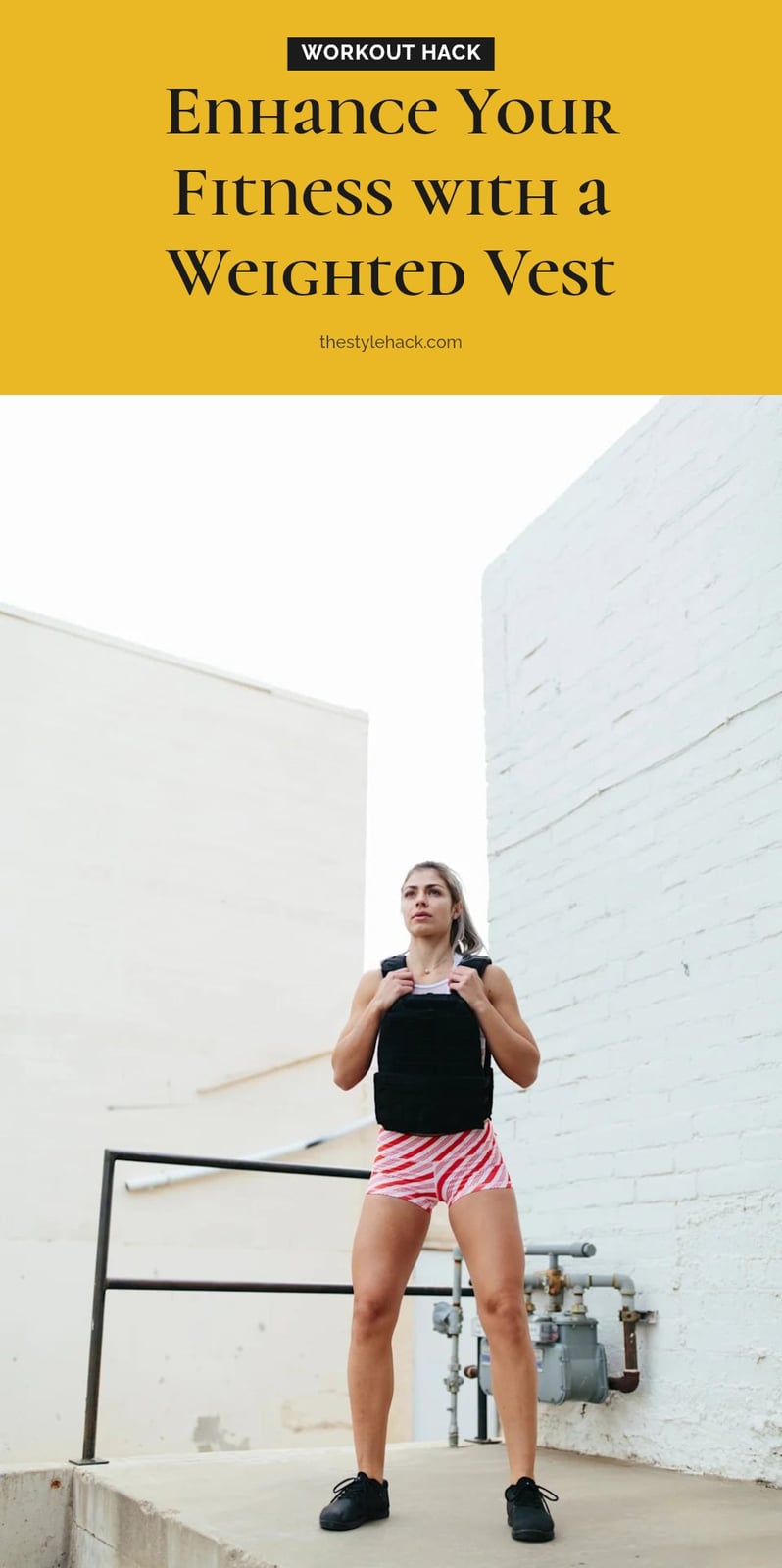
Mix up your activities: Weighted vests work for walking, hiking, jogging, bodyweight strength training, and even household chores. They can also enhance low-impact plyometric training, making controlled jumps and explosive movements more demanding. For high-impact activities like running or intense plyometrics, only proceed with proper conditioning and a light weight.
Check weight distribution: Ensure the vest’s weight is evenly balanced front to back and side to side. An uneven load can cause muscle imbalances and strain, especially in your lower back.
7. What to Expect: Results and Investment in a Weighted Vest
With consistent, progressive use, you may notice improvements in strength, endurance, and bone density over several weeks to months. Weighted vests range widely in price, from budget-friendly options under $50 to higher-end models over $150, depending on weight capacity, adjustability, and materials. An adjustable vest offers long-term value because it can grow with your fitness level, letting you add small increments as you get stronger.
8. When to Consult a Professional About Weighted Vest Use
Stop using the vest immediately if you experience sharp pain, dizziness, or unusual discomfort. Individuals with back pain, knee, hip, or ankle issues, or cardiovascular conditions should consult a doctor before starting. Pregnant individuals should avoid weighted vests unless specifically advised and supervised by a healthcare provider. If you are unsure about proper form or how to progress safely, a physical therapist or certified personal trainer can provide personalized guidance.
9. Frequently Asked Questions
10. Can I wear a weighted vest all day?
Wearing a weighted vest all day is generally not recommended, especially for beginners. It can place unnecessary strain on your joints and spine and may lead to poor posture or discomfort. It’s best to wear it during specific workout sessions, starting with shorter durations and gradually increasing as you build strength and endurance.
11. Is a weighted vest good for weight loss?
Yes, a weighted vest can support weight loss by increasing the intensity of your workouts, which can boost calorie burn. However, it’s not a magic solution. Sustainable weight loss still depends on a balanced diet and regular exercise. Think of the vest as a way to make your existing routine more challenging, not a replacement for healthy habits.
12. What exercises are best with a weighted vest?
Weighted vests work well with bodyweight exercises like squats, lunges, push-ups, and planks, as well as activities like walking or hiking. They can also add challenge to plyometric movements like jumps. Avoid using them for high-impact activities like sprinting or intense jumping unless you’re already conditioned and have experience with the added load.
13. How heavy should a weighted vest be for running?
If you’re new to running with a weighted vest, start with the lightest option, around 5-10% of your body weight. For a 150-pound person, that’s about 7.5 to 15 pounds. Even a small addition of 2-5 pounds can significantly increase intensity. Gradually increase the weight only as you become comfortable, and avoid using a heavy vest for running until you’ve built up proper conditioning.
14. Can men and women use the same type of weighted vest?
Yes, many weighted vests are unisex and can be used by both men and women. However, some vests are specifically designed for women, featuring a more contoured fit or different weight distribution to accommodate the female physique. If you find a unisex vest fits well and feels comfortable, it can work just as effectively. The key is proper fit and even weight distribution.
15. Final Thoughts
My tip: start light and focus on consistency. A weighted vest is a fantastic tool to enhance your workouts, but it’s not a magic bullet. Pair it with a balanced routine and a healthy diet, and you’ll see gradual improvements in strength and endurance over several weeks to months.
Remember to listen to your body, take rest days, and always prioritize proper form. If you have any concerns, especially with existing health conditions, talk to your doctor or a physical therapist before you start. With the right approach, this simple piece of gear can add a new challenge to your fitness journey.
This article is for general informational purposes only and is not a substitute for professional medical or fitness advice. Always consult with a qualified healthcare provider or physical therapist before starting any new exercise program, especially if you have pre-existing health conditions, are pregnant, or have concerns about your safety. If you experience pain or discomfort while using a weighted vest, stop immediately and seek guidance from a professional.
More Blog ideas
- How to Heal Chapped Lips Overnight with Simple Steps
- Atomic Habits: 5 Lessons to Build Better Habits
- Hyaluronic Acid for Beginners
- How to Build a Gentle Skincare Routine for Sensitive Skin
- Beat Frizzy Hair: Easy Remedies for Smooth, Shiny Strands
- How to Increase Your Daily Drinking Water Intake
- Washing Hair Mistakes to Avoid and What to Do Instead
- Bleaching Hair Tips for Less Damage
- How to Make Your Body Mist Last Longer All Day
- How to Fix Your Skincare Routine
- Nervous System Regulation Tips
- Vagus Nerve Exercises for Stress Relief