Winter Skin Care Routine: How to Keep Skin Soft and Hydrated
Combat dry, itchy winter skin with our expert guide. Learn how to adjust your routine, protect your skin barrier, and stay hydrated all season long.


When the temperature drops, your skin often pays the price: tight, flaky, and itchy are common complaints. The culprit is low humidity, both outdoors and inside your heated home, which pulls moisture from your skin faster than usual. The good news is that a few simple adjustments to your routine can make a big difference.
In this article, I’ll walk you through a practical winter skin care routine, the key products to look for, and common mistakes to avoid, so you can keep your skin soft and hydrated all season long.
Key Takeaways
- Switch to a gentle, non-stripping cleanser and use lukewarm water.
- Apply a thick, cream-based moisturizer to damp skin right after washing.
- Use a humidifier in your bedroom to add moisture to dry indoor air.
- Wear broad-spectrum SPF 30 sunscreen daily, even on cloudy days.
- See a dermatologist if skin cracks, bleeds, or shows signs of infection.
1. How to Keep Your Skin Hydrated and Healthy in Winter
To keep your skin hydrated and healthy in winter, focus on moisture retention and barrier protection. Switch to a gentle cleanser that won’t strip natural oils, and layer on a thicker, cream-based moisturizer to lock in hydration. Adding a humidifier to your indoor spaces can also help combat the dryness caused by heated air.
2. Why Winter Weather Dries Out Your Skin
3. Why Winter Weather Dries Out Your Skin
Winter air holds less moisture, both outdoors and indoors where heating systems lower humidity. This dry environment increases transepidermal water loss (TEWL), meaning water evaporates from your skin more quickly than in humid months.
Hot showers and harsh soaps make things worse by stripping away your skin’s natural oils. These oils are part of your lipid barrier, the protective layer that keeps moisture in and irritants out. When that barrier is compromised, your skin struggles to retain water and becomes more vulnerable to cold wind, indoor heat, and other environmental aggressors.
That’s why your skin feels tight, itchy, or flaky during winter. The good news is that understanding this process helps you choose the right products and habits to restore balance.
4. Essential Products for Your Winter Skin Care Kit
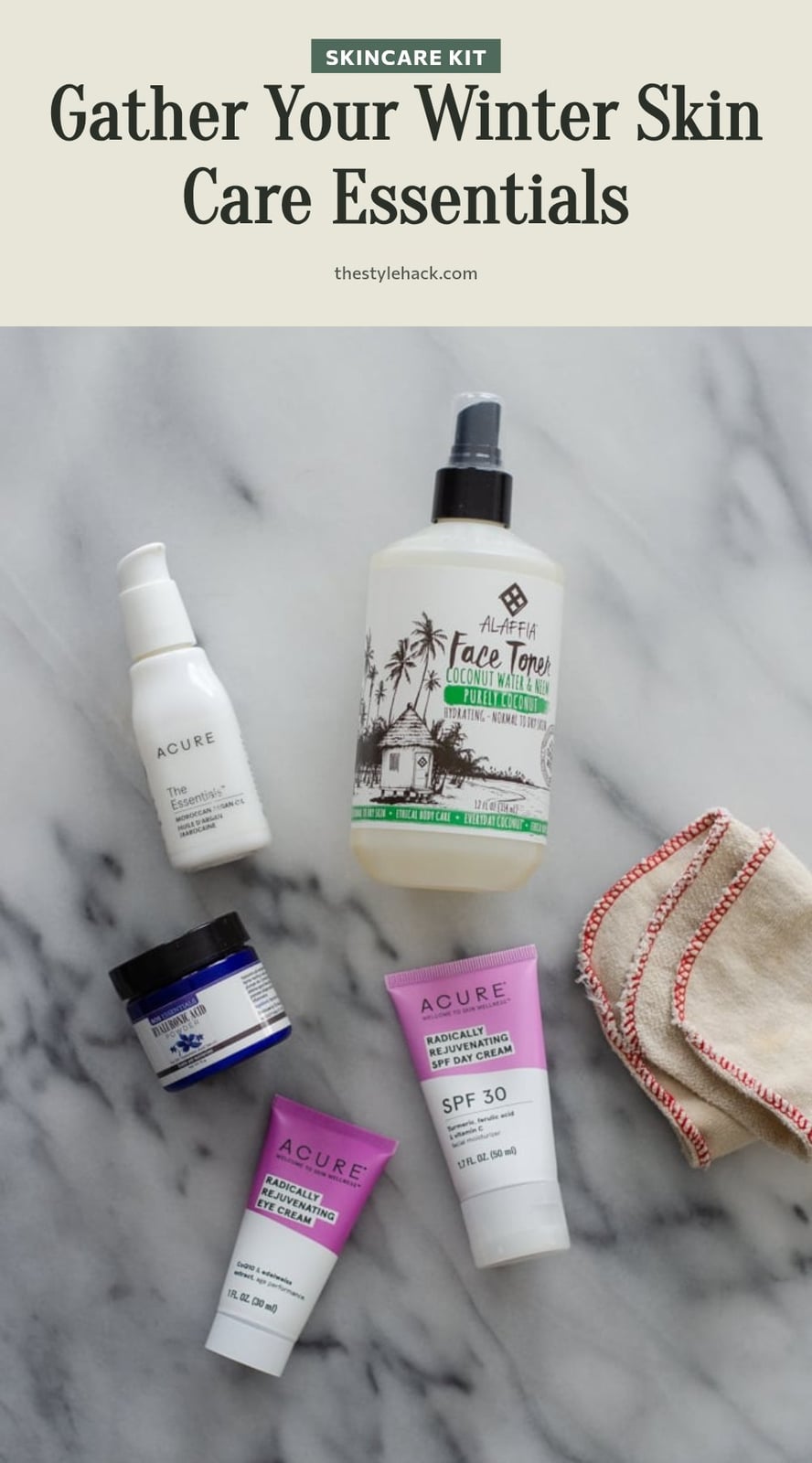
Essential Products for Your Winter Skin Care Kit
Building a winter routine starts with the right basics. Look for these four items:
- Gentle, hydrating cleanser: A non-foaming, cream or lotion cleanser that removes dirt without stripping your skin’s moisture barrier.
- Thick moisturizer: A cream or ointment containing ceramides, hyaluronic acid, and glycerin. Ceramides help repair the barrier, while hyaluronic acid and glycerin draw water into the skin.
- Broad-spectrum sunscreen (SPF 30+): UV rays still damage skin on cloudy days and can reflect off snow, so daily protection is non-negotiable.
- Humidifier: Adding moisture back into indoor air helps reduce transepidermal water loss, especially in your bedroom while you sleep.
5. Your Daily Winter Skin Care Routine Steps

A consistent routine makes a real difference in winter. Here’s a simple daily plan that works for both morning and evening.
- Cleanse gently: Use lukewarm water and a hydrating, non-stripping cleanser. Avoid hot water, which can remove natural oils and worsen dryness.
- Apply serums to damp skin: After cleansing, pat your face dry but leave skin slightly damp. Apply a hydrating serum with hyaluronic acid or glycerin to attract moisture into the skin.
- Lock in moisture immediately: Within 60 seconds of cleansing, apply a rich, cream-based moisturizer. This seals in the water from your serum and prevents transepidermal water loss.
- Protect with sunscreen: In the morning, finish with a broad-spectrum SPF 30 or higher. Even in winter, UV rays can penetrate clouds and reflect off snow, so this step is essential.
For your evening routine, follow the same steps but skip sunscreen. If your skin feels extra tight, you can add a facial oil over your moisturizer to provide an extra occlusive layer.
6. Extra Tips for Protecting Your Skin All Winter Long
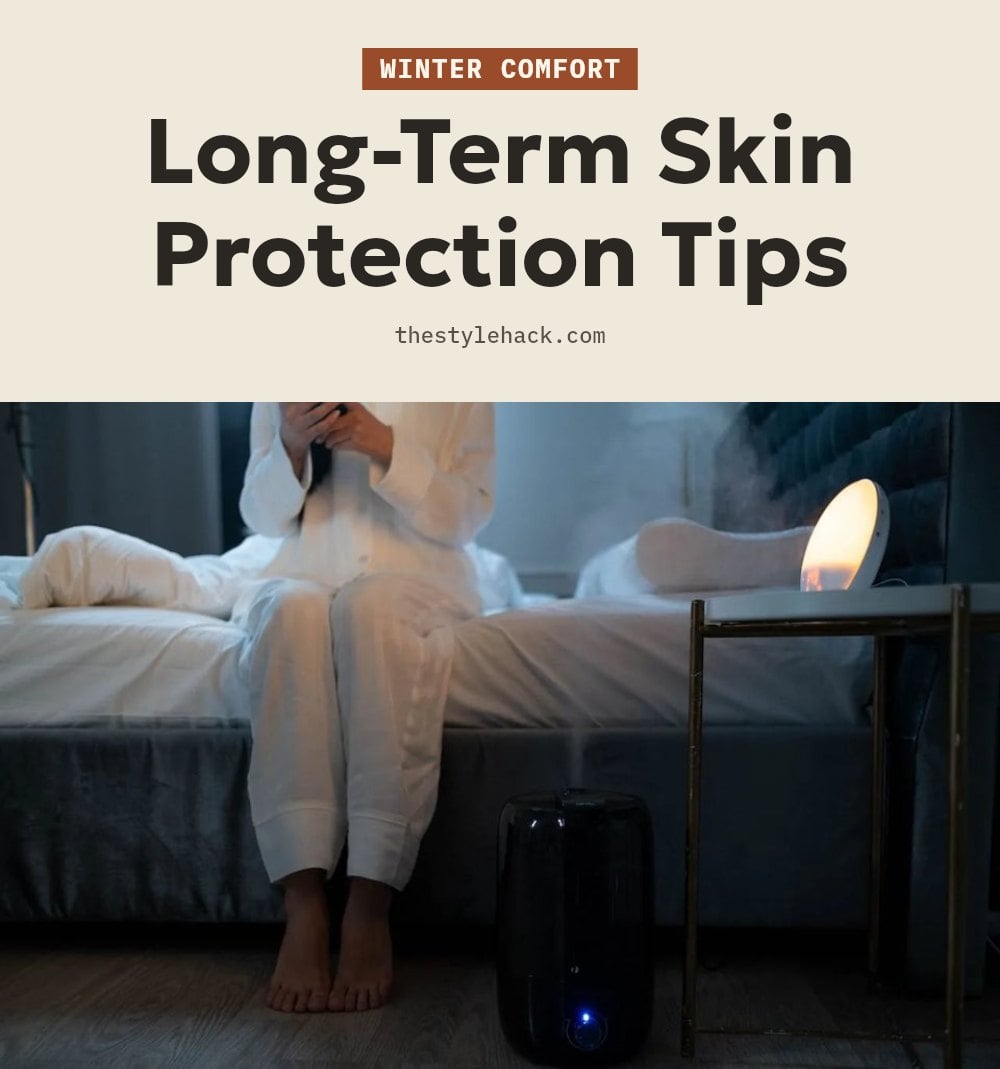
Beyond your daily routine, a few environmental tweaks can make a big difference. Running a humidifier in your bedroom while you sleep adds moisture back into the dry indoor air, which helps your skin hold onto water overnight. Aim for a comfortable level, and clean the unit regularly to avoid introducing anything unwanted into the air.
When you head outside, cover up. Gloves, scarves, and hats shield exposed skin from cold, dry wind that speeds up moisture loss. A scarf pulled up over your nose also protects the delicate skin on your lower face.
Keep showers lukewarm, not hot, and try to keep them under 10 minutes. Hot water strips natural oils fast, so a shorter, lukewarm rinse leaves your skin better off.
Finally, drink water throughout the day. Internal hydration supports your skin’s overall health, even when the air around you is working against it.
7. Common Winter Skin Care Mistakes to Avoid
Skipping sunscreen in winter is a common misstep. UV rays still reach your skin on cloudy days and reflect off snow, so daily broad-spectrum SPF 30 is still necessary.
Using the same lightweight moisturizer year-round is another easy mistake. Colder air demands a thicker, cream-based formula with ceramides or glycerin to support your skin barrier.
Hot showers feel comforting but strip natural oils, leaving skin drier than before. Keep water lukewarm and limit time to 5-10 minutes.
Over-exfoliating to remove flakes backfires by breaking down the barrier further. Cut back to once a week and choose a gentle chemical exfoliant over physical scrubs.
Not applying moisturizer to damp skin misses the chance to lock in hydration. Pat skin dry, then apply moisturizer within 60 seconds.
Pro move: If flakes persist, resist picking. Instead, layer a hydrating serum under your cream and let it work overnight.
8. When to Consult a Dermatologist for Winter Skin Issues
Most winter dryness responds to consistent moisturizing, but some signs mean it’s time to call a professional. See a dermatologist if your skin becomes severely cracked, bleeds, or shows signs of infection like pus, fever, or spreading redness. Persistent itching, redness, or irritation that doesn’t improve with at-home care also warrants a medical opinion.
If you have eczema, psoriasis, or another chronic condition that flares up significantly in winter, a doctor can adjust your treatment plan. And if a product causes increased irritation or discomfort, stop using it and consult a dermatologist if the reaction doesn’t settle quickly.
9. Frequently Asked Questions
10. Why does my skin get so dry in winter?
Winter air holds less moisture, and indoor heating lowers humidity even further. This dry environment increases transepidermal water loss, meaning water evaporates from your skin more quickly. Hot showers and harsh soaps can strip natural oils, making the problem worse.
11. Can drinking more water really help my dry winter skin?
Staying hydrated supports overall health, but drinking extra water alone won’t fix dry skin. The key is preventing water loss from the skin’s surface. Use a humidifier, apply moisturizer to damp skin, and avoid hot showers to keep moisture locked in.
12. How often should I use a humidifier?
Running a humidifier in your bedroom while you sleep is a good starting point, especially during the winter months. Aim for a comfortable indoor humidity level, and clean the device regularly to prevent mold or bacteria buildup. You can use it nightly if your skin feels dry.
13. Is it okay to use my regular cleanser in winter?
If your regular cleanser is foaming or leaves your skin feeling tight, it may be too harsh for winter. Switch to a gentle, hydrating, non-foaming cleanser that won’t strip your skin’s natural oils. This helps maintain your moisture barrier during the colder months.
14. What ingredients should I look for in a winter moisturizer?
Look for a thicker, cream-based moisturizer or ointment that contains ceramides, hyaluronic acid, or glycerin. Ceramides and fatty acids help fill gaps in your skin barrier, while humectants like hyaluronic acid and glycerin attract water to the skin. These ingredients work together to lock in hydration.
15. When should I see a dermatologist for winter skin issues?
See a dermatologist if your skin becomes severely cracked, bleeds, or shows signs of infection like pus, fever, or spreading redness. Also seek professional advice if persistent itching or redness doesn’t improve with consistent moisturizing, as this could indicate an underlying condition like eczema or psoriasis.
16. Final Thoughts
My tip: keep a thick moisturizer or ointment next to your sink and apply it to your hands and face every time you wash them. Consistency matters more than any single product, and you should see improvements within a few days to a couple of weeks. Don’t expect overnight miracles, but with daily care, your skin can stay comfortable through the coldest months. And remember, if dryness becomes severe or painful, a dermatologist can help you find the right solution.
This article is for general information only and is not a substitute for professional medical advice. If you have a persistent skin condition, severe symptoms, or concerns about a new product, consult a dermatologist or healthcare provider. Always patch test new products, especially if you have sensitive skin.
More Blog ideas
- How to Heal Chapped Lips Overnight with Simple Steps
- Atomic Habits: 5 Lessons to Build Better Habits
- Hyaluronic Acid for Beginners
- How to Build a Gentle Skincare Routine for Sensitive Skin
- Beat Frizzy Hair: Easy Remedies for Smooth, Shiny Strands
- How to Increase Your Daily Drinking Water Intake
- Washing Hair Mistakes to Avoid and What to Do Instead
- Bleaching Hair Tips for Less Damage
- How to Make Your Body Mist Last Longer All Day
- How to Fix Your Skincare Routine
- Nervous System Regulation Tips
- Vagus Nerve Exercises for Stress Relief






