How to Use Witch Hazel for Skin, Hair, and Home Cleaning
Discover how to effectively use witch hazel for skincare, hair care, and as a natural household cleaner. Learn application tips and common mistakes to avoid.

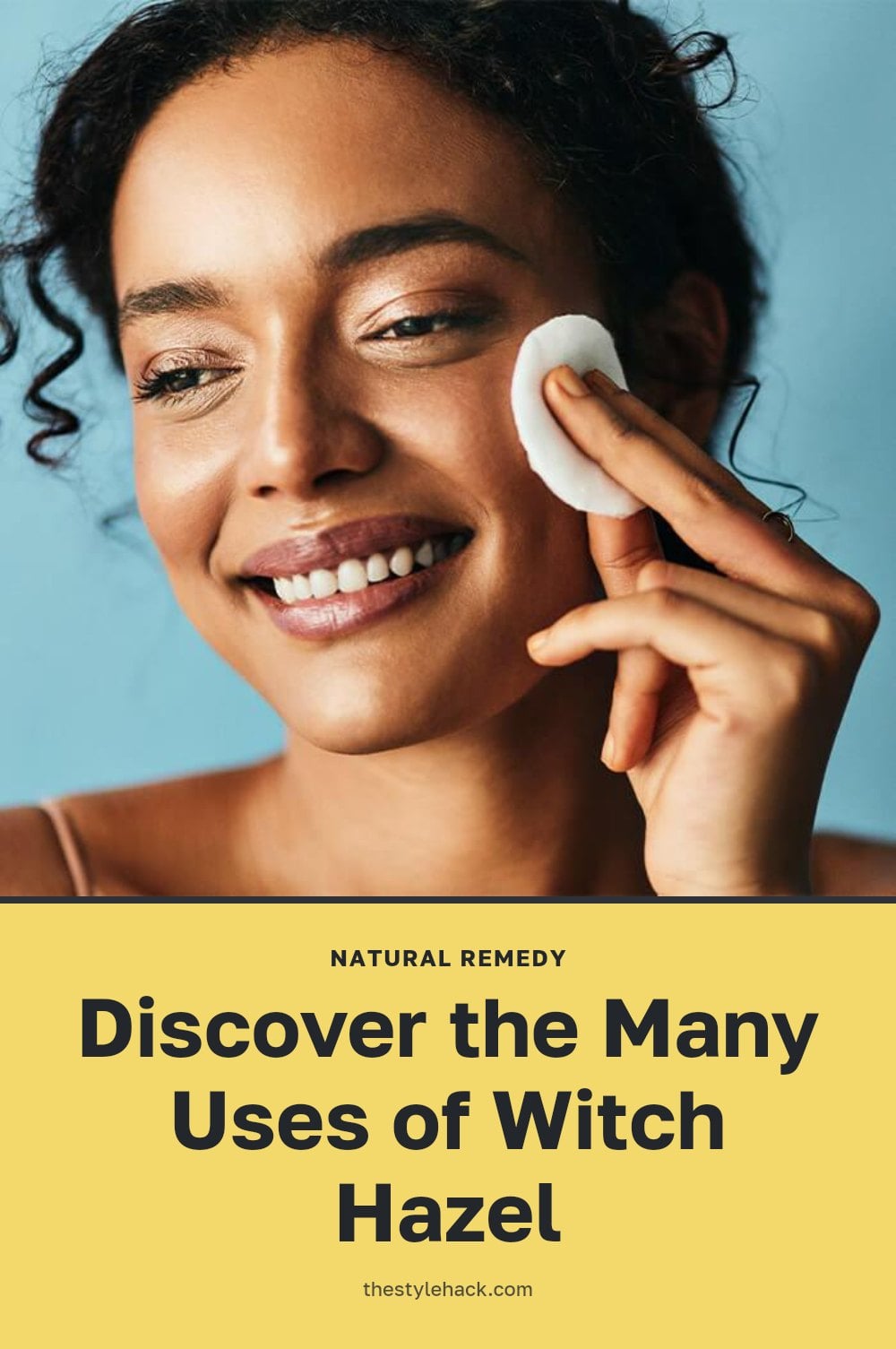
If you’ve ever wondered how one plant-based product can handle everything from a post-shave sting to a greasy scalp, witch hazel might be the answer you’re looking for. This natural astringent, made from the bark and leaves of the Hamamelis virginiana plant, has been a go-to for gentle skin care, hair care, and even household cleaning. In this article, I’ll walk you through the best ways to use it, what to avoid, and how to pick the right version for your needs.
Key Takeaways
- Choose alcohol-free witch hazel for sensitive or dry skin to avoid excessive drying.
- Use as a toner after cleansing to remove leftover oil and tighten pores temporarily.
- Dilute witch hazel with equal parts water for scalp application to reduce oiliness and itchiness.
- Mix with water and optional essential oils for a streak-free all-purpose household cleaner.
- Always perform a patch test on skin or surfaces before widespread use.
1. What is Witch Hazel and How Does It Work?
Witch hazel is a natural astringent made from the bark and leaves of the Hamamelis virginiana plant, native to North America. Its active compounds, called tannins, cause skin tissues to contract, which can temporarily tighten pores, reduce oiliness, and soothe minor irritations like insect bites or razor burn. You can use it as a facial toner, on the scalp for oil control, or even as a streak-free household cleaner.
2. Essential Supplies for Using Witch Hazel
To get started with witch hazel, you only need a few basic supplies. Choose alcohol-free witch hazel if you have sensitive or dry skin; it avoids the extra drying that traditional alcohol-containing versions can cause. For facial use, cotton pads work well for applying the liquid evenly. A spray bottle is handy for mixing up a household cleaning solution, and plain water is essential for diluting witch hazel when using it on your scalp or for cleaning.
3. Effective Ways to Use Witch Hazel for Skin Care

4. Use as a Toner
After cleansing your face, soak a cotton pad with alcohol-free witch hazel and sweep it over your skin. This removes any leftover oil, dirt, or makeup while tightening pores temporarily. Follow with your moisturizer to prevent dryness.
5. Soothe Minor Irritations
Witch hazel can help calm insect bites, razor burn, and mild sunburn. Dab a small amount onto the affected area with a cotton pad and let it air dry. The anti-inflammatory properties may reduce redness and swelling.
6. Patch Test First
Before using witch hazel on your face or a larger body area, apply a small amount to a patch of skin on your inner arm. Wait 24 hours to check for any redness, burning, or itching. If irritation occurs, skip the product or try a more diluted solution.
Caution: Do not apply witch hazel to open wounds, severely broken skin, or near your eyes. If it gets in your eyes, rinse thoroughly with water.
7. Incorporating Witch Hazel into Your Hair Care Routine

If you struggle with an oily or itchy scalp, witch hazel may offer a gentle solution. Its astringent properties can help reduce excess oil production, while its anti-inflammatory effects may calm irritation and flaking.
Mix one part witch hazel with one part water to create a diluted solution. After shampooing, pour the mixture over your scalp or apply it with a cotton ball. Massage gently into your scalp for a minute, then rinse with cool water. Use this treatment once or twice a week to start, and adjust based on how your scalp responds.
Tip: Always dilute witch hazel before applying it to your scalp. Undiluted alcohol-containing versions can be too harsh and lead to dryness.
8. Using Witch Hazel as a Natural Household Cleaner
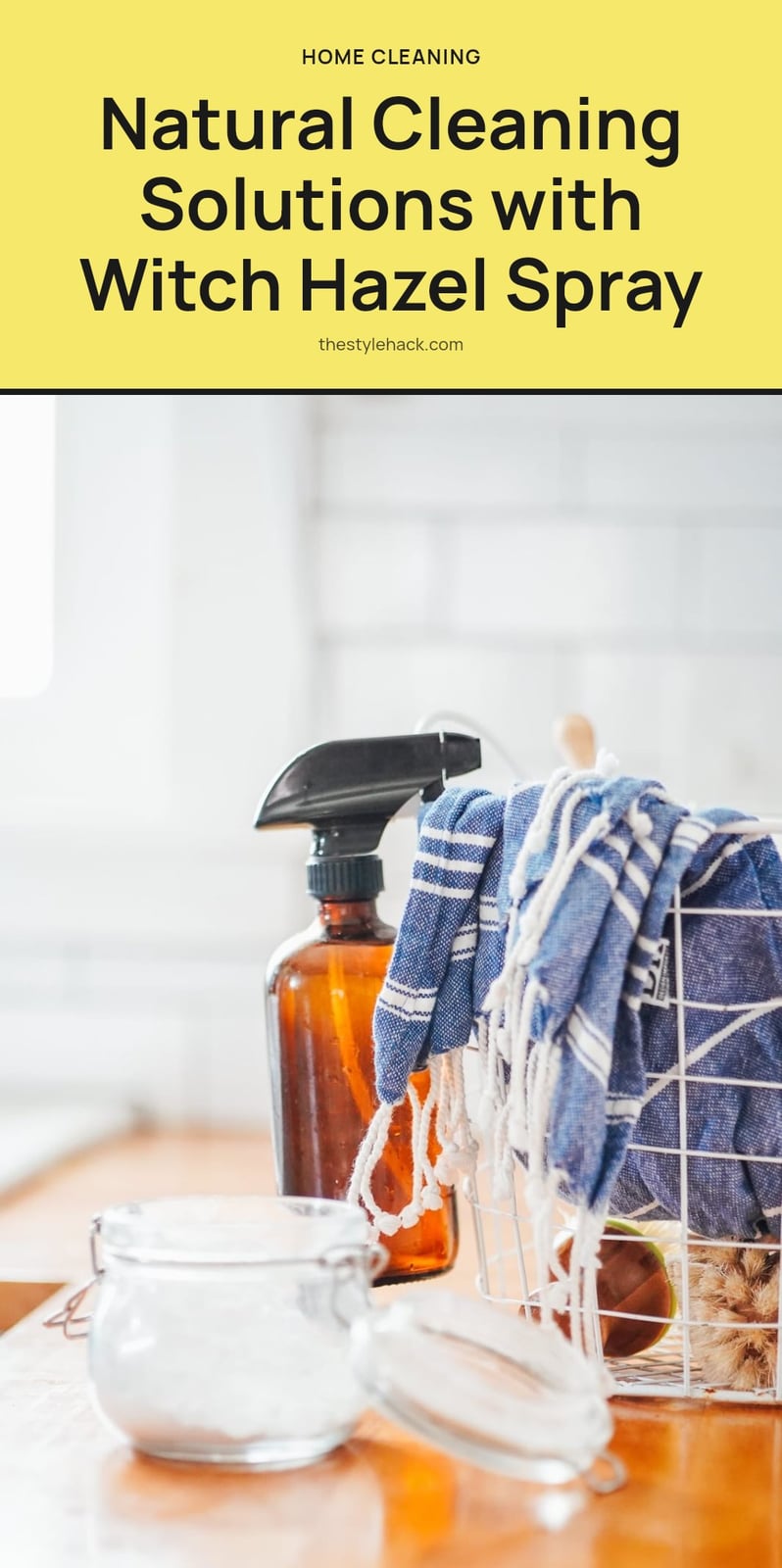
- Mix your cleaning solution: Combine equal parts witch hazel and water in a spray bottle. For a fresh scent, add 10-15 drops of lemon or tea tree essential oil. Shake gently to blend.
- Patch test surfaces: Spray a small amount on an inconspicuous area, like the inside of a cabinet door or a corner of a countertop. Wait 5 minutes, then wipe with a clean cloth. Check for any discoloration or damage before proceeding.
- Spray and wipe: Mist the solution directly onto countertops, sinks, or glass surfaces. Wipe immediately with a microfiber or soft cloth in a circular motion, then buff dry for a streak-free finish. This mixture works well on sealed stone, tile, and stainless steel.
- Clean mirrors and windows: Spray the solution onto a cloth, not directly onto the glass, to avoid drips. Wipe from top to bottom for a clear, streak-free shine.
9. Common Witch Hazel Mistakes and How to Avoid Them
- Using witch hazel with alcohol on dry or sensitive skin: Alcohol-containing versions can strip natural oils and worsen irritation. Always choose alcohol-free witch hazel for facial use, especially if your skin is already dry or prone to redness.
- Expecting immediate results for chronic conditions: Witch hazel may help with minor issues like razor burn or insect bites, but it is not a quick fix for persistent acne, eczema, or psoriasis. Give it a few weeks of consistent use before judging effectiveness.
- Applying to open wounds or broken skin: Witch hazel can sting and delay healing on cuts, scrapes, or severely inflamed skin. Keep it on intact skin only.
- Overusing witch hazel: Using it more than twice a day, especially the alcohol-based kind, can lead to excessive dryness and flaking. Stick to once or twice daily and moisturize afterward.
10. Expert Tips for Safe and Effective Witch Hazel Use
- Choose alcohol-free for sensitive skin: Alcohol-free witch hazel is gentler and less likely to cause dryness or stinging. It works well for daily toner use and on the scalp.
- Store in a cool, dark place: Keep your witch hazel bottle away from direct sunlight and heat, which can degrade the tannins. A bathroom cabinet or pantry shelf works perfectly.
- Dilute for sensitive areas: Mix one part witch hazel with one part water when applying to the scalp, around the nose, or on areas with thinner skin. This reduces the risk of irritation.
- Discontinue if irritation occurs: If you notice redness, burning, or increased dryness after using witch hazel, stop using it immediately. Give your skin a break and consult a dermatologist if symptoms persist.
11. When to Consult a Professional About Skin Issues
- Persistent or worsening irritation: If your skin becomes red, itchy, or more irritated after using witch hazel, stop use and see a doctor. Ongoing discomfort may indicate an allergy or a separate skin condition.
- Pre-existing skin conditions: Before using witch hazel on eczema, rosacea, or acne, talk to a dermatologist. They can advise whether it is safe for your specific condition.
- No cure for serious conditions: Witch hazel is not a treatment for chronic or severe skin diseases. Only a professional can provide an accurate diagnosis and effective treatment plan.
- Severe allergic reaction: If you experience hives, swelling, or difficulty breathing after applying witch hazel, seek emergency medical help immediately.
12. Frequently Asked Questions
13. What is the difference between witch hazel with and without alcohol?
Traditional witch hazel distillates contain about 14-15% alcohol, which acts as a preservative and helps extract beneficial compounds. Alcohol-free versions skip this ingredient, making them gentler and less drying, especially for sensitive or dry skin. For daily facial use, alcohol-free is usually the better choice.
14. Can witch hazel be used on all skin types?
Witch hazel can work for most skin types, but it’s not one-size-fits-all. Oily or acne-prone skin may tolerate alcohol-containing versions, while dry or sensitive skin should stick to alcohol-free to avoid irritation. If you have a pre-existing condition like eczema or rosacea, consult a doctor before trying it.
15. How often can I use witch hazel on my face?
You can use witch hazel as a toner once or twice daily after cleansing, but overuse can lead to dryness, especially with alcohol-containing versions. Start with once a day and adjust based on how your skin responds. If you notice redness or tightness, reduce frequency or switch to alcohol-free.
16. Is witch hazel safe for children’s skin?
Witch hazel can be used on children for minor issues like insect bites or mild sunburn, but it should be alcohol-free and applied sparingly. Avoid open wounds and the eye area. If irritation occurs, stop use. For persistent skin problems, it’s best to check with a pediatrician first.
17. Can witch hazel help with acne breakouts?
Witch hazel may help reduce oiliness and soothe inflammation, which can be beneficial for mild acne. However, it’s not a primary treatment and won’t address underlying causes like bacteria or clogged pores. For persistent or severe acne, a dermatologist can recommend more targeted options.
18. What are the benefits of witch hazel for hair?
Witch hazel can help reduce scalp oiliness and soothe itchiness thanks to its astringent and anti-inflammatory properties. Dilute it with equal parts water and apply to the scalp after shampooing. It’s not a cure for dandruff or other scalp conditions, but many people find it calming for minor irritation.
19. Final Thoughts
For most everyday uses, I recommend starting with an alcohol-free witch hazel and using it consistently for a few days to a few weeks to see results on skin or scalp issues. Keep in mind that it’s best for minor irritations and temporary tightening, not for chronic conditions. If you’re looking for a simple, natural addition to your routine, witch hazel is a versatile option worth trying.
This article is for informational purposes only and is not a substitute for professional medical or dermatological advice. Witch hazel is generally safe for external use, but results vary. If you have a persistent skin condition, severe irritation, or any concerns, consult a healthcare professional before use.
More Blog ideas
- How to Heal Chapped Lips Overnight with Simple Steps
- Atomic Habits: 5 Lessons to Build Better Habits
- Hyaluronic Acid for Beginners
- How to Build a Gentle Skincare Routine for Sensitive Skin
- Beat Frizzy Hair: Easy Remedies for Smooth, Shiny Strands
- How to Increase Your Daily Drinking Water Intake
- Washing Hair Mistakes to Avoid and What to Do Instead
- Bleaching Hair Tips for Less Damage
- How to Make Your Body Mist Last Longer All Day
- How to Fix Your Skincare Routine
- Nervous System Regulation Tips
- Vagus Nerve Exercises for Stress Relief






